When you look at a freshly detailed car, you notice more than just a clean surface. The paint shines, the windows are spotless, the wheels look new, and the inside smells as fresh as the day it left the dealership. Achieving this level of perfection at home is possible if you have the right tools. That’s where a complete car detailing kit comes in. Many car owners think washing is enough, but real car enthusiasts—and anyone who wants to protect their investment—know that detailing is a step above. Let’s explore exactly what makes up a complete car detailing kit, why each part matters, and how you can use one to keep your vehicle looking its absolute best.
Understanding Car Detailing Vs. Car Washing
Before diving into the contents of a kit, it’s important to know the difference between car washing and car detailing. Washing is simply removing dirt and grime from the surface. Detailing is a deeper process. It’s about cleaning, restoring, and protecting every part of the car, inside and out, often to a near-showroom level. Detailing addresses tiny scratches, stains, faded surfaces, and even odors—things a regular wash can’t fix.
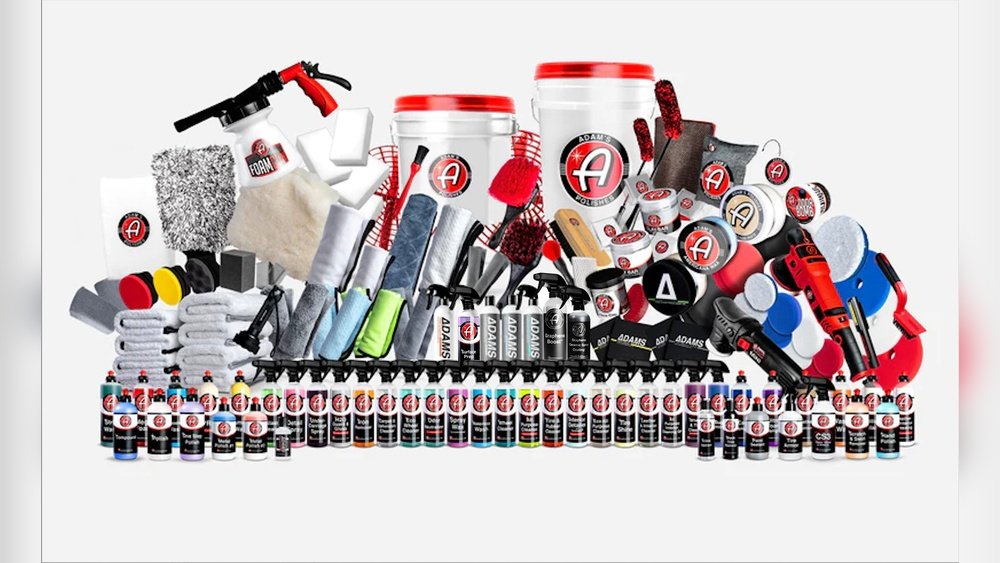
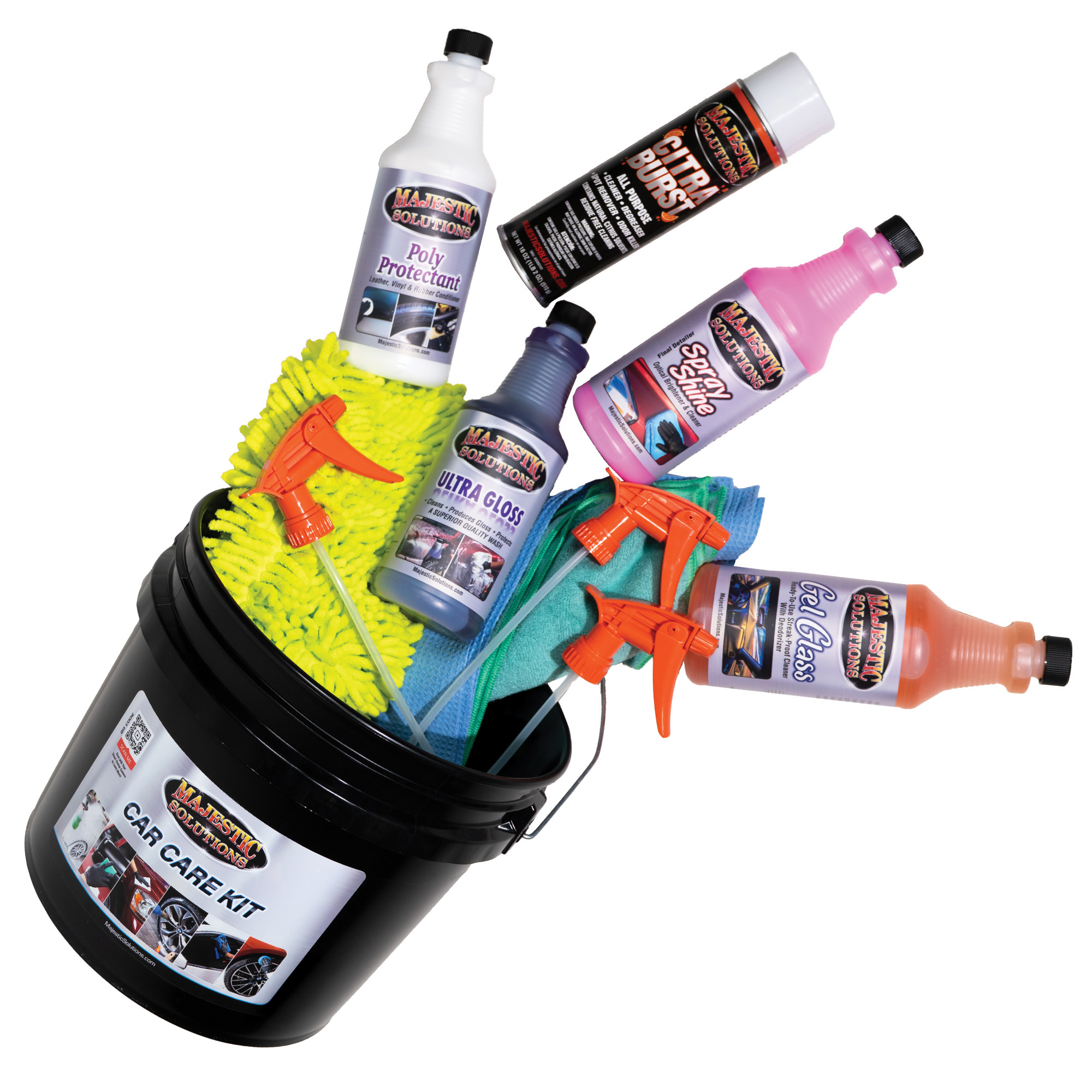
A complete car detailing kit is more than just soap and sponges. It’s a collection of carefully chosen products and tools that let you tackle every part of your vehicle, from the engine bay to the tailpipe, the dashboard to the door jambs. But what does a true “complete” kit include, and why do these items matter?
The Core Components Of A Complete Car Detailing Kit
A professional-grade car detailing kit is built around several key groups of products and tools. Let’s break down what you should expect to find in a kit that truly covers every detailing need.
Exterior Cleaning Essentials
1. Car Wash Shampoo
This is not just any soap. A good car wash shampoo is pH-balanced and designed to lift dirt without stripping away wax or damaging paint. It’s gentler than household detergents and often contains lubricants to prevent scratching.
2. Microfiber Wash Mitts And Towels
Microfiber is softer and more absorbent than cotton. Wash mitts made from microfiber reduce the risk of swirl marks, while microfiber towels are perfect for drying and buffing, leaving no lint behind.
3. Buckets With Grit Guards
Using two buckets—one for soapy water, one for rinsing your mitt—prevents dirt from being rubbed back onto the car. A grit guard at the bottom of each bucket traps debris, helping to avoid fine scratches.
4. Wheel And Tire Cleaners
Wheels and tires collect brake dust and road grime that regular shampoo won’t remove. Wheel cleaners are specially formulated to dissolve brake dust safely, while tire cleaners restore rubber to a deep black shine.
5. Wheel Brushes And Tire Applicators
Special wheel brushes reach into the spokes and around lug nuts, while tire applicators help you evenly apply dressing to the tire surface.
Paint Care And Protection
6. Clay Bar Or Clay Mitt
Even after washing, tiny bits of dirt, sap, and industrial fallout stick to the paint. A clay bar or clay mitt removes these contaminants, making the surface perfectly smooth and ready for polishing or waxing.
7. Polish And Polishing Pads
Paint polish contains fine abrasives that remove minor scratches and swirl marks. Kits often include polishing pads—foam or microfiber discs that help work the polish into the paint. Some advanced kits add a small dual-action polisher for easier, more even results.
8. Car Wax Or Paint Sealant
After polishing, you need to protect the paint. Carnauba wax gives a deep shine but lasts a few weeks. Synthetic sealants offer longer protection, often up to six months, and are easier to apply.
9. Applicator Pads And Buffing Towels
These soft pads help spread wax or sealant evenly, while buffing towels remove residue and bring out a high gloss.
Glass, Trim, And Metal Detailing
10. Glass Cleaner
Automotive glass cleaners are streak-free and safe for tinted windows. They cut through fingerprints, haze, and water spots without leaving residue.
11. Glass Cleaning Towels
Special waffle-weave microfiber towels are best for windows. They don’t leave lint or streaks.
12. Trim And Plastic Restorer
Over time, exterior plastics and rubber can fade to gray. A trim restorer brings back their original black look and provides UV protection.
13. Metal Polish
For cars with chrome or metal trim, a metal polish removes oxidation and restores shine.
Interior Detailing Tools And Products
14. All-purpose Cleaner (apc)
An APC can be diluted for different tasks: cleaning door panels, dashboards, or even stains on seats. Look for one that’s safe for plastics, vinyl, and fabric.
15. Interior Detail Brushes
Small, soft brushes get into vents, seams, and buttons where dirt hides.
16. Upholstery And Carpet Cleaner
These cleaners target stains and odors in fabric seats and carpets. Some kits include a foam or spray plus a scrubbing brush.
17. Leather Cleaner And Conditioner
If your car has leather seats, you need a pH-balanced leather cleaner followed by a conditioner that keeps the leather soft and prevents cracking.
18. Interior Protectant
This product is applied to plastic and vinyl surfaces to add a layer of UV protection and leave a natural, non-greasy finish.
Detailing Accessories And Extras
19. Air Blower Or Detailing Dryer
Water can hide in mirrors, door handles, and trim. An air blower or small detailing dryer forces water out, preventing drips and water spots.
20. Detailing Spray (quick Detailer)
A quick detailer is a spray that lifts dust and boosts shine between washes. It’s perfect for touch-ups.
21. Odor Eliminator
Strong odors from food, pets, or smoke can linger. Odor eliminators break down smells at the source rather than just masking them.
22. Gloves And Protective Gear
Detailing chemicals can be tough on your skin. Nitrile or latex gloves, and sometimes safety glasses, are important for safe use.
23. Organizer Bag Or Storage Box
A complete kit often comes with a sturdy carry bag or box to keep everything organized and easy to transport.
What Makes A Car Detailing Kit “complete”?
Many kits claim to be complete, but few truly cover every aspect of car care. A complete car detailing kit should let you:
- Wash, dry, and decontaminate the exterior
- Restore and protect paint, trim, glass, and wheels
- Deep clean and condition every part of the interior
- Address both appearance and protection
It’s not just about the number of items, but how well they work together. For example, having the right towels for glass and the right pads for wax makes a big difference. Some kits skip clay bars or leather care, leaving out key steps.
Always check the list and make sure nothing critical is missing.
Comparing Car Detailing Kits: What To Look For
It’s easy to feel overwhelmed by the choices. Kits range from basic to professional, with different numbers of items and price points. Here’s a comparison of three types of kits:
| Kit Type | Number of Items | Includes Interior Care? | Includes Paint Protection? | Price Range (USD) |
|---|---|---|---|---|
| Basic Wash Kit | 5-8 | No | No | $20–$40 |
| Standard Detailing Kit | 10-15 | Some | Yes (Wax) | $40–$90 |
| Complete Detailing Kit | 18-25+ | Yes | Yes (Wax/Sealant, Clay) | $90–$200+ |
As you can see, only a complete kit covers everything from the interior to paint protection. This doesn’t mean the most expensive kit is always the best, but you should match the kit to your needs and skill level.

Credit: tinocarcare.com
The Step-by-step Process Using A Complete Car Detailing Kit
Having all the tools is only part of the equation. How you use them matters just as much. Here’s a typical order for using a complete detailing kit:
1. Rinse And Wash Exterior
Remove loose dirt with a water rinse. Use the two-bucket method and a microfiber wash mitt with car shampoo for a thorough clean.
2. Clean Wheels And Tires
Spray wheel cleaner, agitate with brushes, and rinse. Apply tire cleaner and scrub, then rinse again.
3. Decontaminate With Clay Bar
Gently rub the clay bar or mitt with lubricant over the paint, glass, and even wheels. You’ll feel the surface become smoother.
4. Polish Paint
Apply polish with a pad or machine polisher. Work in small sections, then buff with a clean towel.
5. Wax Or Seal Paint
Use an applicator to spread wax or sealant. Let it haze, then buff to a shine.
6. Clean Glass
Spray glass cleaner on windows and mirrors. Wipe with a dedicated glass towel for a streak-free finish.
7. Restore Trim And Metal
Apply trim restorer to faded plastic and rubber. Polish any chrome or metal trim.
8. Detail The Interior
Vacuum carpets and seats. Use APC and brushes on panels, vents, and crevices. Spot-clean fabric or use leather cleaner and conditioner on seats.
9. Protect Interior Surfaces
Apply interior protectant to plastic, vinyl, and rubber. Wipe down for a non-greasy finish.
10. Final Touches
Use a detailing spray for extra shine, treat tires with dressing, and neutralize odors. Dry hidden areas with an air blower if needed.
This process can take 3–6 hours for a full detail, but the results are worth it. For most people, detailing every 2–3 months is enough to keep the car in top shape.
Key Features To Evaluate Before Buying
When choosing a detailing kit, consider these important factors:
- Product quality: Are the chemicals safe for your car’s finish? Are towels and mitts high-quality microfiber?
- Completeness: Does it include tools for both the interior and exterior? Does it have paint protection (wax or sealant)?
- Ease of use: Are instructions clear? Are bottles easy to handle? Are applicators comfortable?
- Brand reputation: Well-known brands often have better quality control and customer support.
- Storage: Is there a bag or case to keep everything organized?
- Refill availability: Can you buy replacement products easily?
Common Mistakes When Using Car Detailing Kits
Even with the best kit, it’s easy to make mistakes that can harm your car’s appearance. Here are some pitfalls to avoid:
- Using the wrong towel: Regular towels or old rags can scratch paint and leave lint.
- Washing in direct sunlight: Water and soap dry too quickly, causing spots and streaks.
- Skipping the clay bar: Even after washing, paint may feel rough. Skipping clay means wax and sealant won’t bond properly.
- Overusing product: More is not always better—too much polish or wax can leave streaks and waste money.
- Neglecting interior protection: UV rays can fade and crack dash and door panels if not protected.
Advanced Tools Some Kits Include
Some high-end kits go beyond the basics. These extras aren’t always necessary, but they can take your detailing to a new level:
- Dual-action polisher: Makes polishing and waxing faster and more consistent, especially for larger vehicles.
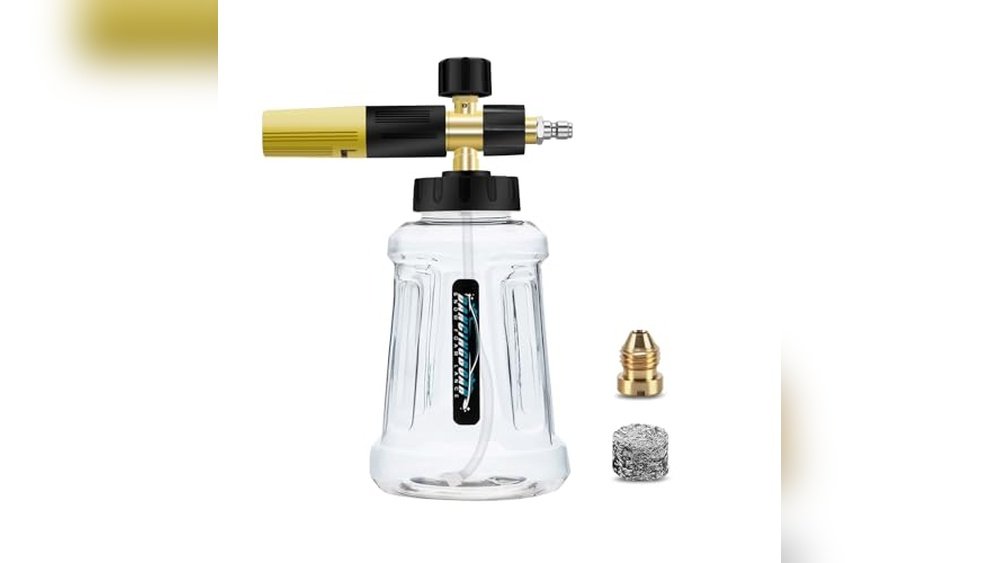
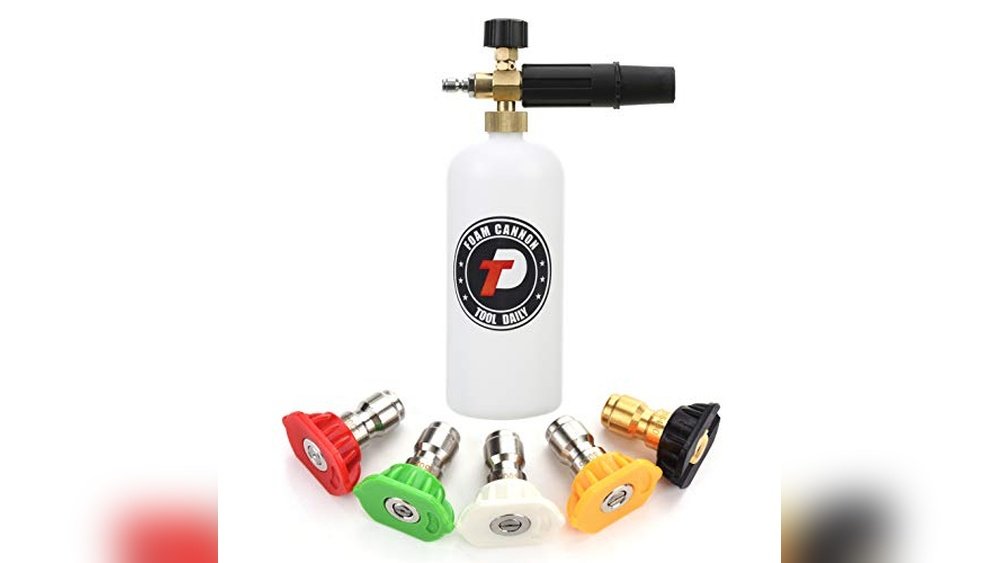
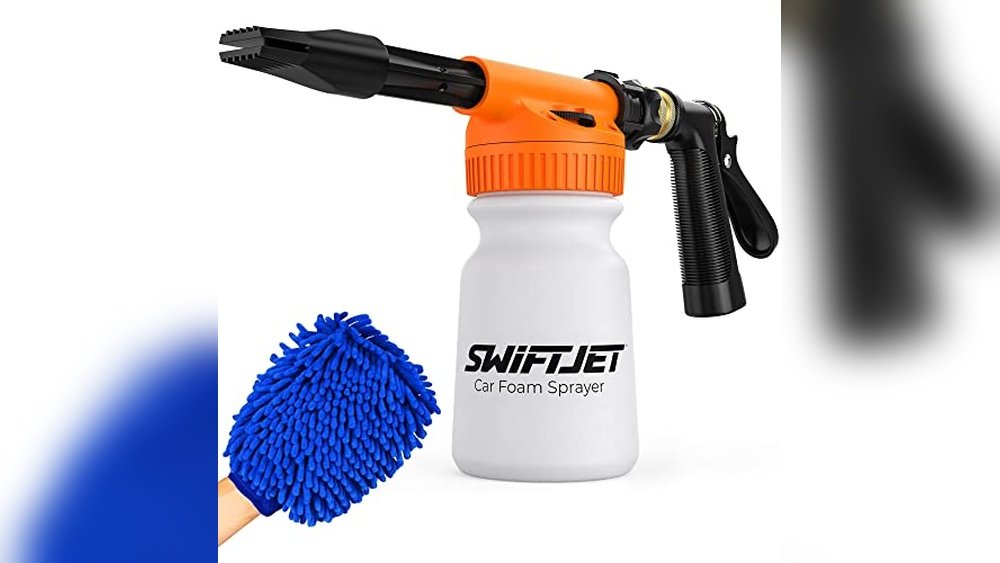
- Foam cannon: Connects to a pressure washer, covering the car in a thick foam that lifts dirt gently.
- Paint thickness gauge: Measures how much paint or clear coat is left, so you don’t polish too aggressively.
- Steam cleaner: Deep-cleans interiors, especially fabric and carpets, using only water vapor.
Most beginners don’t need all these tools right away, but as you gain experience, you may want to upgrade.

Credit: washwax.com
Are All-in-one Kits Worth It?
Some drivers prefer to buy products separately, choosing their favorites from different brands. This can be more expensive and confusing, especially for beginners. A complete car detailing kit is a good investment for most people because:
- Everything is matched for compatibility
- You get all the basics in one purchase
- You often save money compared to buying items individually
However, not all kits are created equal. Look for kits that have high user ratings and avoid those with lots of small sample bottles or low-quality towels.
Real-world Example: Value Of A Complete Kit
Consider a scenario: You buy a new car and want to keep it looking great. A complete detailing kit costs $120. Professional detailing costs $150–$250 per session. Even if you detail your car every three months, you save hundreds of dollars a year. Plus, you have the satisfaction of doing it yourself—and you know every step is done right.
Credit: majesticsolutions.com
How Detailing Protects Your Investment
According to industry data, cars that are regularly detailed can keep up to 10–15% higher resale value. Clean, well-protected paint and interiors show buyers the car was cared for. Regular detailing also helps prevent rust, paint fading, and interior cracking, which can lower repair costs over time.
Table: Effects Of Regular Detailing Vs. Occasional Washing
| Aspect | Occasional Wash | Complete Detailing |
|---|---|---|
| Paint Protection | Low | High |
| Scratch Removal | None | Yes (with polishing) |
| Interior Condition | Fair | Excellent |
| Odor Elimination | No | Yes |
| Resale Value Boost | Minimal | Significant |
This table makes it clear: a complete car detailing kit is not just about looks. It’s about long-term value and protection.
Two Non-obvious Insights Beginners Often Miss
- The order of detailing steps really matters. If you wax before polishing, you lock in imperfections. Always follow the wash–clay–polish–wax sequence for the best results.
- Many stains and odors can be avoided by regular interior protection. Most people only clean when there’s a visible problem, but applying interior protectant every few months makes it much harder for dirt, sun, and spills to cause permanent damage.
Where To Learn More
If you want to dive deeper into car detailing techniques, brands, or the science of car care, the Wikipedia page on auto detailing offers a thorough overview with additional resources.
Frequently Asked Questions
What Is The Difference Between A Car Detailing Kit And A Car Wash Kit?
A car wash kit usually includes only basic items like shampoo, a sponge or mitt, and a drying towel. A car detailing kit is much more complete. It covers deep cleaning, paint care, glass, wheels, interior, and even odor removal. The goal of detailing is a like-new appearance, not just a clean surface.
How Often Should I Use A Complete Car Detailing Kit?
For most cars, detailing every 2–3 months keeps both exterior and interior in top condition. You can do smaller touch-ups with quick detailers in between. If your car is parked outside, more frequent detailing may be needed.
Can I Use A Car Detailing Kit On Any Type Of Car?
Yes. Whether you have a sedan, SUV, truck, or classic car, the main detailing steps are the same. Some products, like leather cleaners or chrome polish, may not be needed on every car, but the kit will still work for any vehicle.
Are Detailing Kits Safe For New Cars?
Absolutely. In fact, using a detailing kit on a new car helps protect the paint and interior from the start. Just be careful with polishing—if your car is new, it may not need heavy polish, just a light wax or sealant.
What Should I Do If My Kit Runs Out Of A Product?
Most detailing kits use standard-size bottles, so you can buy refills from the same brand or a compatible product. It’s important to replace high-quality microfiber towels and applicators as they wear out to avoid scratching or leaving lint.
A complete car detailing kit isn’t just for car fanatics. It’s a smart investment for anyone who wants their vehicle to look and feel great for years. With the right kit and a little bit of effort, you can achieve professional-level results in your own driveway.