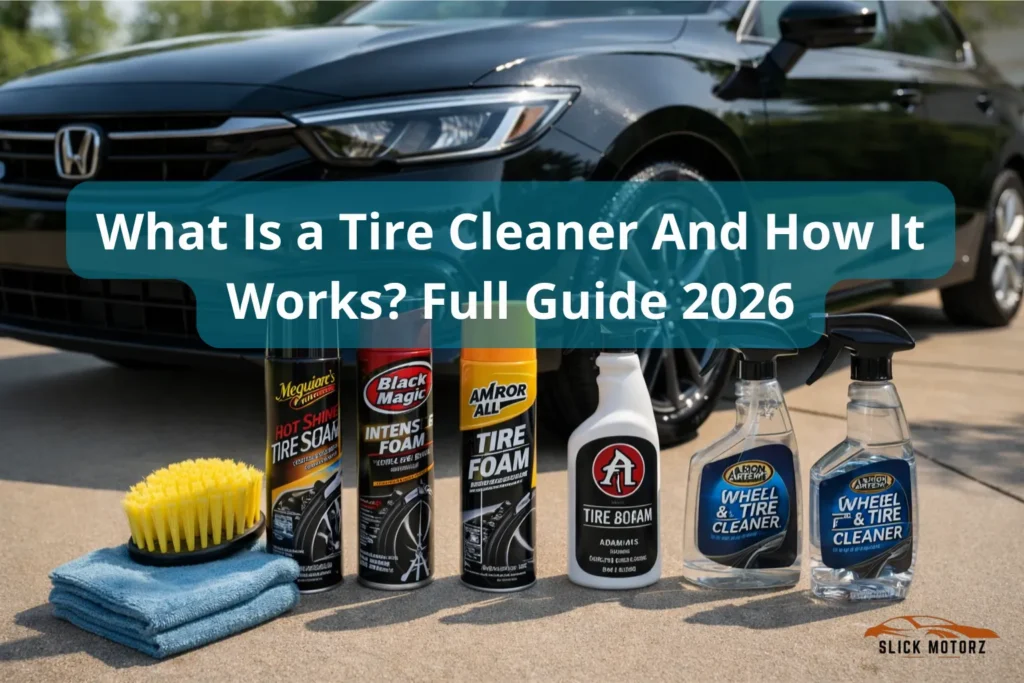
You know how a clean, shiny tire can instantly boost your vehicle’s appearance. But have you ever wondered what actually makes your tires look that fresh and new?
That’s where a tire cleaner comes in. This special product is designed to remove all the dirt, grime, and stubborn stains that regular washing just can’t tackle. If you want to keep your tires looking great and protect them from damage, understanding what a tire cleaner is and how it works is key.
Keep reading, and you’ll discover how this simple tool can make a big difference in your car care routine.
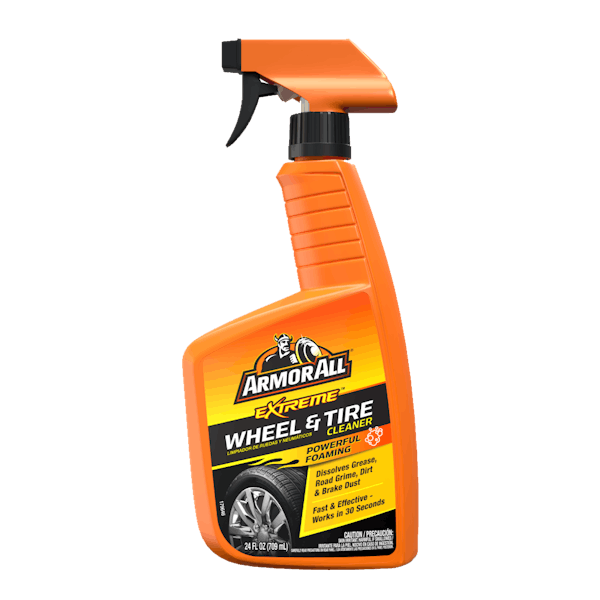
Credit: www.armorall.com
Tire Cleaner Basics
Tire cleaners are essential products for vehicle care. They remove dirt, grime, and old tire dressings. Using a tire cleaner keeps tires looking fresh and new. Understanding how these cleaners work helps you choose the right one for your needs.
These products are designed to clean the tire surface deeply. They target tough stains and restore the tire’s original appearance. Regular use prevents buildup and extends the life of your tires.
What Tire Cleaner Does
A tire cleaner removes dirt, brake dust, and road grime. It also breaks down old tire dressings that can make tires look dull. The cleaner restores the black, shiny look of tires. It prepares tires for new dressing or protectants. This helps maintain the tire’s appearance and prevents cracking.
Common Ingredients
Most tire cleaners contain detergents and degreasers. These ingredients break down oils and stubborn dirt. Some cleaners have mild acids to remove tire bloom. Tire bloom is a white, chalky layer on the tire surface. Other ingredients include surfactants that help lift grime away. Many cleaners are water-based for easy rinsing and safety. Always check for safe formulas that protect rubber and rims.
Types Of Tire Cleaners
There are several types of tire cleaners available. Foaming cleaners create thick foam to cling to tire surfaces. Gel cleaners offer longer contact time for tough grime. Spray cleaners are easy to apply and quick to rinse. Some cleaners are all-in-one, cleaning and dressing tires at once. Choose a type based on your cleaning needs and tire condition.
How Tire Cleaner Works
Tire cleaner plays an important role in keeping tires looking fresh and new. Understanding how it works helps you use it effectively. Tire cleaners use special chemicals to break down dirt and restore tire’s appearance quickly. They target stubborn grime and old residues that regular washing cannot remove.
The cleaning process involves multiple steps. The cleaner loosens particles, removes tire blooming, and uses foam to lift dirt away. Each step helps achieve a deep clean without damaging the tire surface.
Breaking Down Dirt And Grime
Tire cleaner contains strong but safe detergents. These chemicals dissolve road dirt, grease, and oils trapped in the tire grooves. The cleaner breaks these substances into smaller pieces that wash away easily. This step prepares the tire for a thorough rinse and prevents grime from sticking back.
Removing Tire Blooming
Tire blooming is a white or brownish layer on tires caused by chemical reactions. This layer looks dull and unattractive. Tire cleaner has ingredients that dissolve quickly. It removes this layer, restoring the tire’s original black color and shine. This process makes tires look newer and well-maintained.
Foaming Action Explained
Foam is a key part of how tire cleaner works. It spreads the cleaner evenly over the tire surface. The foam traps dirt particles and lifts them away from the rubber. This makes scrubbing easier and more effective. Foam also helps the cleaner reach deep into tire textures for a full clean.
Using Tire Cleaner Effectively
Using tire cleaner effectively ensures your tires look their best and last longer. Proper cleaning removes dirt, brake dust, and old dressings that build up over time. This helps maintain tire health and improves your car’s appearance. Follow simple steps to get the most out of your tire cleaner and achieve a deep, lasting clean.
Application Tips
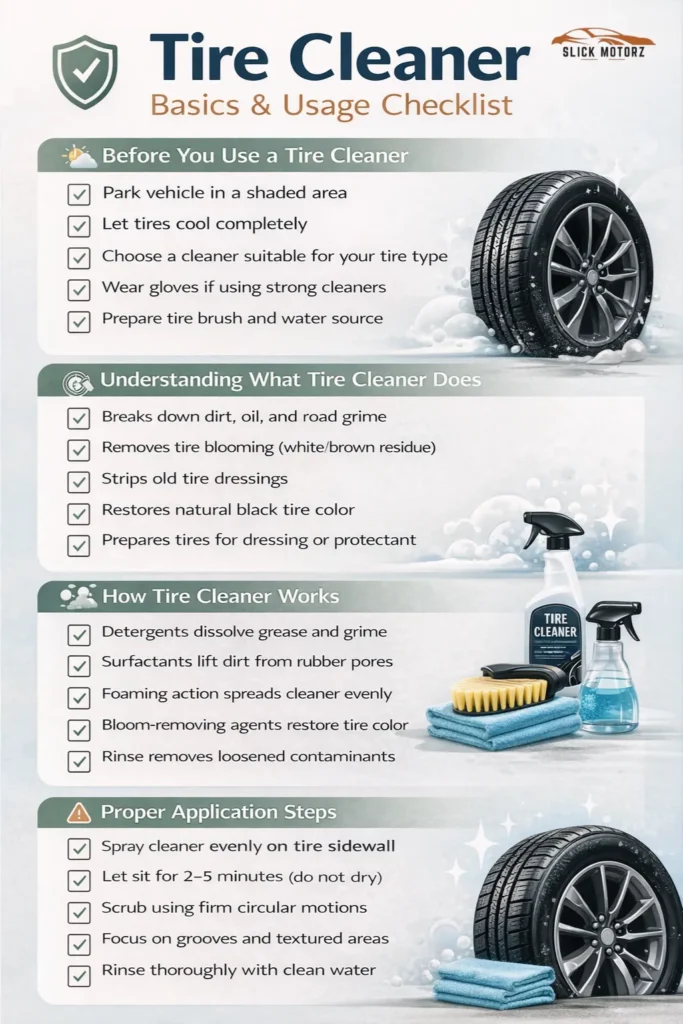
Start by spraying the tire cleaner evenly across the tire surface. Use enough product to cover all areas, but avoid soaking the tire. Let the cleaner sit for a few minutes. This allows it to break down dirt and grime. Avoid letting the cleaner dry on the tire. Work in small sections for best results.
Scrubbing Techniques
Use a stiff-bristle brush to scrub the tire. Focus on sidewalls and grooves where dirt hides. Apply firm, circular motions for better dirt removal. Do not scrub too hard to avoid tire damage. Change brushes if they get too dirty. This keeps the cleaning effective and prevents spreading grime.
Rinsing Best Practices
Rinse the tire thoroughly with water after scrubbing. Use a hose or bucket to remove all cleaner and dirt. Check for any leftover residue and rinse again if needed. Avoid leaving cleaner on the tire, as it can cause damage. Dry the tire with a clean cloth or let it air dry before driving.
Choosing The Right Tire Cleaner
Choosing the right tire cleaner is important for effective tire care. Different tires need different cleaning solutions. The wrong cleaner can damage tires or leave residue behind. Picking a cleaner that fits your tire type and personal values helps maintain tire health and appearance.
For Different Tire Types
Tires vary by material and use, such as rubber, all-terrain, or performance tires. Some cleaners work better on standard rubber tires. Others are made for off-road or specialty tires. Choose a cleaner designed for your tire type to avoid damage and get the best clean.
Eco-friendly Options
Eco-friendly tire cleaners use natural or biodegradable ingredients. They avoid harsh chemicals that can harm the environment. These cleaners are safe for plants, animals, and water sources. They often have less strong smells and are gentle on your skin.
Popular Brands Comparison
Top tire cleaner brands include Adam’s Polishes, Armor All, and Turtle Wax. Adam’s Polishes offers strong cleaning with safe formulas. Armor All is known for easy use and good shine. Turtle Wax provides affordable options with decent performance. Check reviews and ingredients to find what suits your needs.
Common Mistakes To Avoid
Using a tire cleaner can make your tires look fresh and new. But some common mistakes reduce its effectiveness. Avoiding these errors helps keep your tires clean and safe.
Using Harsh Chemicals
Some people use strong chemicals to clean tires. These can damage the rubber and cause it to crack. Always choose a cleaner made specifically for tires—mild formulas clean well without harm.
Skipping Rinse
Not rinsing the tire cleaner off is a frequent mistake. Leftover cleaner can leave stains or damage the tire. Rinse thoroughly with water after cleaning. This removes dirt and cleaner residue completely.
Overusing Cleaner
Applying too much cleaner wastes product and can cause buildup. A thin, even layer works best. Overuse does not mean better cleaning. Use just enough to cover the tire surface.
Alternatives To Tire Cleaner
Many people seek alternatives to traditional tire cleaners. These options often use simpler ingredients or serve specific purposes. They can be effective for basic cleaning or special tire types. Understanding these alternatives helps you choose the best method for your tires.
Soap And Water Mix
A simple mix of soap and water can clean tires well. Mild dish soap breaks down dirt and grease without harsh chemicals. Use a soft brush to scrub tires gently. Rinse thoroughly with water to avoid residue. This method is affordable and easy to prepare at home.
Silicone-based Dressings
Silicone-based dressings protect tires and give a shiny look. They form a thin layer that repels dirt and water. These dressings help keep tires looking new longer. Apply with a cloth or sponge after cleaning tires. Avoid overuse to prevent slippery surfaces on the tire.
Specialty Cleaners For Racing Tires
Racing tires need special cleaners due to their unique materials. These cleaners remove rubber debris and track grime safely. They do not damage the tire’s surface or grip. Use products made specifically for racing or performance tires. Follow manufacturer instructions for best results.
Maintaining Tire Health
Maintaining tire health is essential for vehicle safety and appearance. Clean tires last longer and perform better. Using the right tire cleaner supports this maintenance by protecting the rubber and removing harmful substances.
Effects Of Cleaner On Rubber
Tire cleaners remove dirt and oils that harm rubber. They contain ingredients that do not dry out or crack tires. Proper cleaners keep the rubber soft and flexible. This prevents premature wear and tear. Using a gentle cleaner extends tire life.
Preventing Dry Rot
Dry rot happens when tires lose moisture and crack. Tire cleaners with conditioning agents help stop this. They add a protective layer that blocks UV rays. This layer also repels ozone and heat damage. Regular cleaning reduces the risk of dry rot.
Keeping Tires Dirt-free Longer
Clean tires attract less dust and grime. Tire cleaners often include sealants that make dirt stick less. This means tires stay cleaner for more time. It also makes future cleaning easier and faster. Clean tires improve your vehicle’s overall look and safety.

Credit: www.carguysdetail.com
Frequently Asked Questions
Are You Supposed To Rinse Off Tire Cleaner?
Yes, rinse off tire cleaner thoroughly with water after scrubbing. This removes dirt, grime, and cleaner residue, ensuring a clean tire surface.
Is It Okay To Put Regular Air In Nitrogen-filled Tires?
Yes, you can add regular air to nitrogen-filled tires without harm. It dilutes nitrogen, reducing its benefits. To restore pure nitrogen, fully refill the tires with nitrogen after releasing all gas.
What Is Tire Cleaner?
Tire cleaner is a specialized solution that removes dirt, grime, tire blooming, and old dressings from tires. It cleans and refreshes tires, preparing them for dressing application. Tire cleaners often foam and use degreasers to break down stubborn contaminants for a spotless finish.
Is It Okay To Spray Wd-40 On Tires?
Spraying WD-40 on tires is not recommended. It can dry out rubber, cause cracking, and attract dirt, reducing tire lifespan. Use dedicated tire cleaners and dressings for safe cleaning and shining.
Conclusion
A tire cleaner helps remove dirt and grime from tires quickly. It uses special ingredients to break down tough stains and old dressings. Applying it keeps tires looking fresh and new. Regular cleaning also helps maintain tire quality and safety.
Using the right cleaner makes the job easier and more effective. Always rinse tires well after cleaning to remove residue. Clean tires improve the overall look of your vehicle. Simple steps can keep tires in great shape for longer.