You might think tire pressure is just a small detail, but it plays a huge role in your car’s safety, fuel efficiency, and ride comfort. Driving with the wrong tire pressure can cause uneven tire wear, reduce your control on the road, and even increase the risk of accidents.
So, what is the ideal tire pressure for your car? Knowing the right number isn’t always obvious, but it’s easier than you think to find out and maintain. You’ll discover how to check your tire pressure correctly, why it matters, and the simple steps you can take to keep your tires in top shape.
Keep reading to protect your ride and get the most out of every drive.

Credit: rasytojai.lt
Recommended Tire Pressure
Recommended tire pressure helps keep your car safe and efficient. It affects fuel economy, tire wear, and driving comfort. Setting the correct pressure prevents accidents and tire damage.
Car makers provide specific tire pressure values for each vehicle model. These values suit your car’s weight and design. Following these guidelines ensures the best performance.
Manufacturer Guidelines
Check the tire pressure recommended by the vehicle manufacturer. This information matches your car’s size and load capacity. It is the most reliable source for ideal tire pressure.
Manufacturers test their vehicles and tires to find the perfect pressure. It helps maintain balance, stability, and safety. Using these values reduces the risk of uneven tire wear.
Placard Location
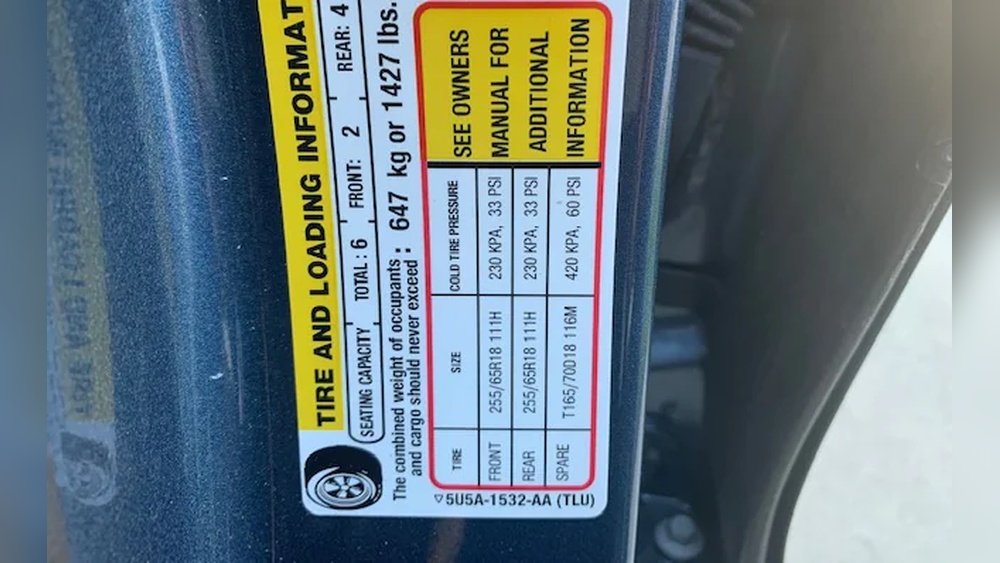
The recommended tire pressure is often on a sticker inside the car. Look at the driver’s side door jamb or door edge. Some cars have it near the glove box or fuel door.
This placard shows the ideal cold tire pressure for front and rear tires. Cold means the car has been parked for a few hours. Inflate your tires based on these numbers for accuracy.
Operator Manual
Your vehicle’s operator manual also lists the correct tire pressure. It may provide extra details about different loading conditions. Read this manual carefully for complete tire care advice.
The manual explains how tire pressure affects handling and tire life. It guides you to adjust pressure for heavy loads or towing. Always follow these instructions to keep your car running well.
Measuring Tire Pressure
Measuring tire pressure is a key step in keeping your car safe and efficient. Tires with the right pressure improve fuel economy and provide better control. Checking pressure regularly helps avoid uneven wear and potential blowouts. Understanding the difference between cold and hot tire pressure ensures accurate readings. Using the right tools makes the process simple and reliable.
Cold Tire Pressure
Cold tire pressure means measuring when tires have not been driven for at least three hours. This gives the most accurate pressure reading. Heat from driving causes air inside tires to expand. Measuring cold pressure prevents false high readings. Check the pressure early in the morning or after the car has been parked.
Hot Tire Pressure
Hot tire pressure is measured right after driving or when the tires are warm. This reading is usually higher than cold pressure. Do not use hot pressure to adjust your tires. Adding or releasing air based on hot pressure can lead to incorrect inflation. Always wait for tires to cool before measuring pressure for best results.
Using A Pressure Gauge
A pressure gauge helps you measure tire pressure quickly and accurately. Remove the valve cap from the tire stem first. Press the gauge firmly onto the valve to get a reading. Digital and analog gauges are both effective. Check each tire individually and write down the pressure. Compare your readings to the manufacturer’s recommended level. Add or release air to match the ideal pressure. Replace valve caps securely after checking.
Effects Of Incorrect Pressure
Maintaining the correct tire pressure is vital for car safety and performance. Incorrect pressure causes several problems. These can affect your vehicle’s handling, tire life, and fuel use. Understanding these effects helps keep your car in good condition.
Underinflation Risks
Underinflated tires have too little air. This causes the tire to flex more. Excessive flexing leads to overheating. Overheated tires can fail suddenly. It also increases tire wear on the edges. Poor handling and longer stopping distances result. Underinflation raises the risk of accidents.
Overinflation Risks
Overinflated tires have too much air. The tire becomes stiff and less flexible. This reduces the contact patch with the road. It causes uneven wear, mostly in the center. The ride feels harsh and bumpy. Overinflation can cause the tire to burst. It lowers traction and control on rough roads.
Impact On Fuel Economy
Incorrect tire pressure affects fuel efficiency. Underinflated tires increase rolling resistance. The engine works harder, burning more fuel. Overinflated tires reduce grip, causing slippage. This also wastes fuel over time. Proper pressure saves money by improving mileage. It reduces harmful emissions too.

Credit: point-s.ca
Adjusting Pressure For Conditions
Adjusting tire pressure based on driving conditions helps improve safety and tire life. Tires perform differently in cold, heavy load, and high-speed situations. Proper pressure keeps the car stable and the tires wearing evenly. Understanding these adjustments can save money and avoid accidents.
Winter Tires
Cold weather makes tire pressure drop naturally. Check pressure when tires are cold, before driving. Increase pressure slightly to maintain the recommended level. This improves grip and prevents uneven wear on winter tires. Proper pressure helps handle icy and snowy roads better.
Heavy Loads
Carrying heavy loads requires more tire pressure. Heavier weight puts extra strain on tires. Increase pressure by a few PSI above the normal setting. This prevents tire damage and improves control. Avoid over-inflating, as it can reduce comfort and traction.
High-speed Driving
At high speeds, tires heat up and pressure rises. Start with a slightly higher pressure than usual. This reduces the risk of tire blowouts and improves handling. Check pressure after driving at high speeds to adjust if needed. Proper pressure keeps the ride safe and smooth.
Tire Size And Pressure
Tire size plays a crucial role in determining the ideal tire pressure for a car. Different tire sizes affect how the vehicle handles, measures speed, and operates safety systems. It is important to understand these effects to maintain proper tire pressure and ensure safe driving.
Diameter Differences
Tire diameter changes affect pressure needs. Larger tires hold more air and may require slightly higher pressure. Smaller tires need less pressure to maintain the correct shape. Even small diameter differences can change how the tire contacts the road. Incorrect pressure can lead to uneven wear and poor fuel efficiency. Use an online tire size calculator to compare diameters before adjusting pressure.
Speedometer Impact
Tire size impacts speedometer accuracy. Larger tires rotate slower, making the speedometer show a lower speed than actual. Smaller tires spin faster, causing the speedometer to read higher than true speed. This can mislead drivers about their driving speed. Adjusting tire pressure alone does not fix this. Proper tire size matching is essential for accurate speed readings.
Safety System Calibration
Modern cars use safety systems like ABS and traction control. These systems rely on correct wheel speed data. Different tire sizes can confuse sensors and reduce system effectiveness. Incorrect tire pressure combined with wrong size can worsen safety risks. Always maintain recommended tire pressure for the tire size installed. This helps safety features work as designed and keeps driving safe.
Tools For Tire Pressure
Maintaining the correct tire pressure is vital for safe driving and fuel efficiency. Several tools help you check and maintain the ideal tire pressure for your car. These tools provide accurate readings and make the process easier. Understanding the options available can save time and improve your car’s performance.
Pressure Gauges
Pressure gauges are simple devices used to measure tire pressure. They come in analog and digital forms. Analog gauges have a dial, while digital gauges show the pressure on a screen. These tools are portable and easy to use. Regularly checking tire pressure with a gauge keeps tires in good condition.
Online Calculators
Online calculators help find the ideal tire pressure based on your car’s make and model. You enter your vehicle details, and the calculator suggests the best pressure. These tools consider factors like load and driving conditions. They are convenient for quick checks without physical devices.
Mobile Apps
Mobile apps offer tire pressure monitoring and reminders. Many apps connect with your car’s tire sensors. They provide real-time pressure updates on your phone. Some apps also give tips for tire maintenance. Using an app makes managing tire pressure easy and efficient.
Maintaining Optimal Pressure
Maintaining the right tire pressure is key for safe driving and car performance. Proper pressure improves fuel efficiency, tire life, and road grip. It also helps prevent accidents caused by tire failure. Staying on top of tire pressure keeps your car running smoothly and saves money on repairs.
Regular Checks
Check tire pressure at least once a month. Use a reliable gauge to measure pressure when tires are cold. Cold tires give the most accurate reading. Adjust pressure to match the car manufacturer’s recommendation. Do not rely on visual inspection alone. Tires can look fine but still have low pressure.
Seasonal Adjustments
Tire pressure changes with temperature. In cold weather, pressure drops and needs topping up. In hot weather, pressure rises and may require releasing some air. Check pressure more often during temperature changes. Proper seasonal adjustment prevents uneven wear and blowouts. Keep a gauge handy for quick checks.
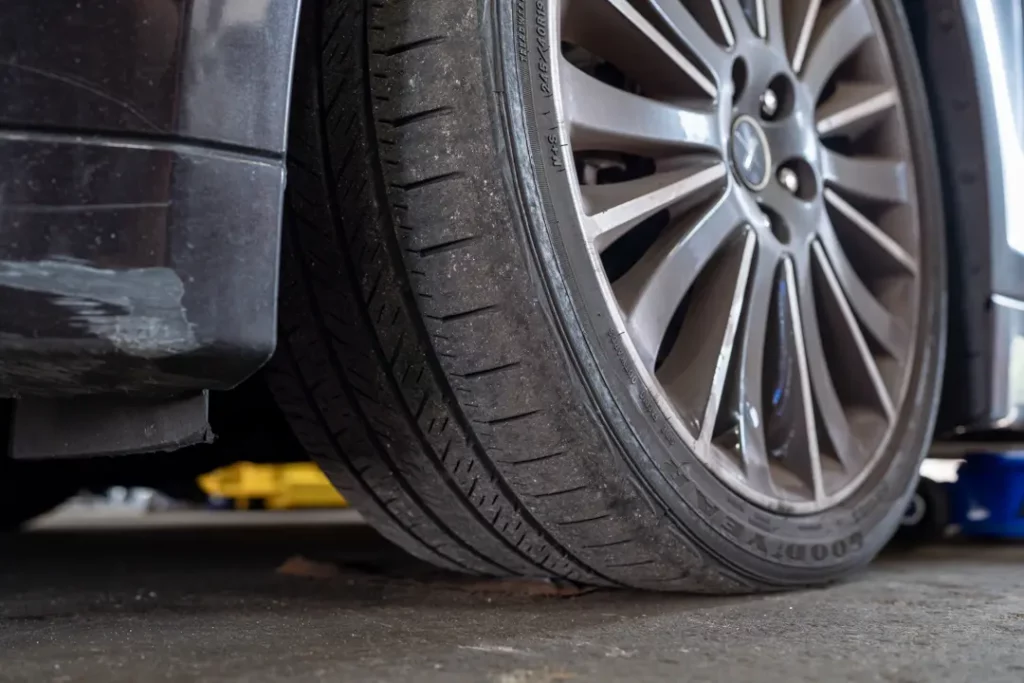
Professional Inspections
Have a mechanic inspect your tires during regular service visits. Professionals can spot hidden damage or slow leaks. They can also check wheel alignment and balance. Proper alignment improves tire life and handling. Regular inspections add a layer of safety to your driving routine.
Credit: www.utires.com
Conclusion
Maintaining the correct tire pressure keeps your car safe and efficient. Check pressure regularly, preferably when tires are cold. Use the recommended pressure listed on your vehicle’s door jamb. Proper inflation improves fuel economy and tire life. Avoid underinflation or overinflation to prevent steering and handling problems.
Simple checks save money and keep your drive smooth. Remember, good tire care means safer roads and better performance. Stay mindful of pressure and enjoy a safer ride every day.