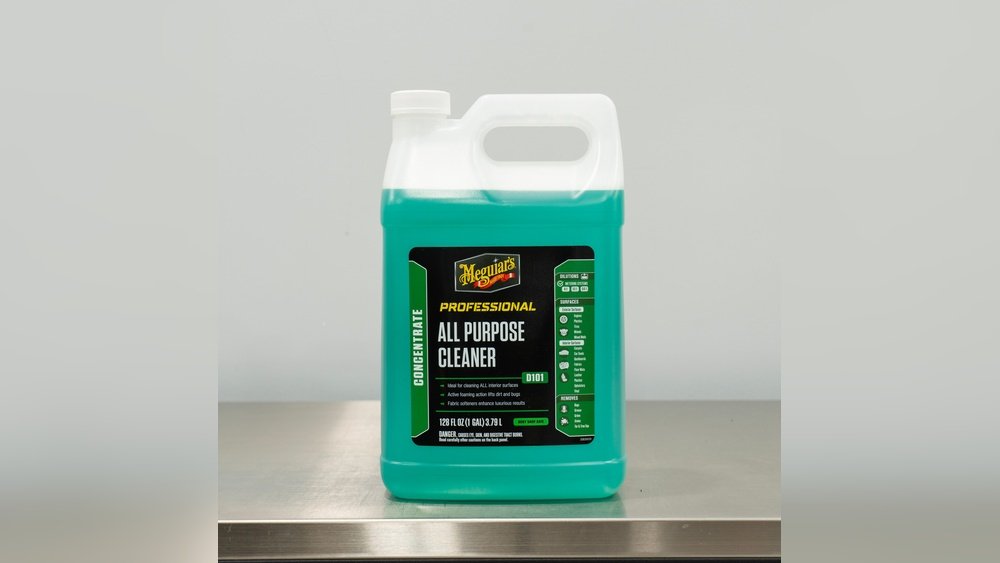
You might think an all-purpose cleaner (APC) is the perfect solution for every cleaning job. After all, it’s designed to tackle a variety of messes, saving you time and effort.
But did you know that using APC on the wrong surfaces can cause damage or leave unwanted marks? If you want to protect your belongings and get the best results, it’s crucial to know exactly where APC should not be used.
Keep reading, because you’ll discover the surfaces you need to avoid when using APC—and how to clean them safely instead. Don’t risk ruining your valuable items; learn the smart way to clean every surface in your home or car.
Surfaces Harmed By Apc
All-Purpose Cleaners (APCs) are versatile for many cleaning jobs. Yet, they can damage certain surfaces. Knowing which surfaces to avoid helps protect your belongings. Some materials react poorly to APC ingredients. Using APCs on these surfaces can cause discoloration, corrosion, or structural damage.
Electronics And Screens
APCs contain chemicals that harm screens and electronics. They can strip protective coatings on LCDs and smartphones. Moisture from the cleaner may enter devices and cause shorts. Use cleaners made specifically for electronics instead.
Natural Stone Surfaces
Natural stones like marble, granite, and limestone react badly to APCs. Acidic or alkaline cleaners etch and dull their finish. This damage is often permanent and costly to fix. Choose pH-neutral cleaners designed for stone surfaces.
Antique And Delicate Furniture
Antique wood and delicate finishes do not tolerate harsh cleaners. APCs can strip wax, varnish, and paint. This leads to fading and surface damage. Use gentle cleaners or products made for antiques instead.
Fragile Fabrics And Upholstery
APCs may weaken or discolor delicate fabrics and upholstery. Some cleaners cause color bleeding or shrinkage. Always test on a hidden area first. For fragile fabrics, use mild detergents or fabric-specific cleaners.
Unventilated And Closed Spaces
Using APCs in unventilated areas can build up harmful fumes. This affects air quality and health. Always clean in well-ventilated spaces. Open windows or use fans to keep air fresh.
Apc Use On Wood And Painted Surfaces
All Purpose Cleaners (APCs) offer versatility in cleaning many surfaces, but caution is necessary with wood and painted areas. These surfaces need gentle care to avoid damage. Understanding the risks and proper methods helps keep them safe and looking good.
Risks For Wood Furniture
Wood furniture can absorb liquids quickly. APCs may strip away natural oils, leaving wood dry and brittle. Harsh chemicals can cause discoloration or uneven patches. Prolonged use might weaken wood finishes. Avoid applying undiluted APC directly on wood surfaces.
Effects On Painted Surfaces
Painted surfaces often have protective layers. Strong APCs can erode these layers, causing dullness. Chemicals may react with paint, leading to bubbling or peeling. Bright or dark paints are especially vulnerable. Test small hidden areas before full application.
Safe Dilution Practices
Always dilute APC according to product instructions for wood and paint. Use mild concentrations to reduce risk. Apply with a soft cloth or sponge, not directly spraying. Wipe off excess cleaner immediately to prevent damage. Proper dilution keeps surfaces safe and clean.
Apc On Car Interiors
Using an All-Purpose Cleaner (APC) on car interiors requires care. Some interior surfaces react poorly to strong cleaners. Knowing where to avoid APC prevents damage and keeps the cabin looking fresh. The wrong cleaner can strip finishes or discolor materials. This section covers key interior surfaces and how APC affects them.
Leather And Vinyl Considerations
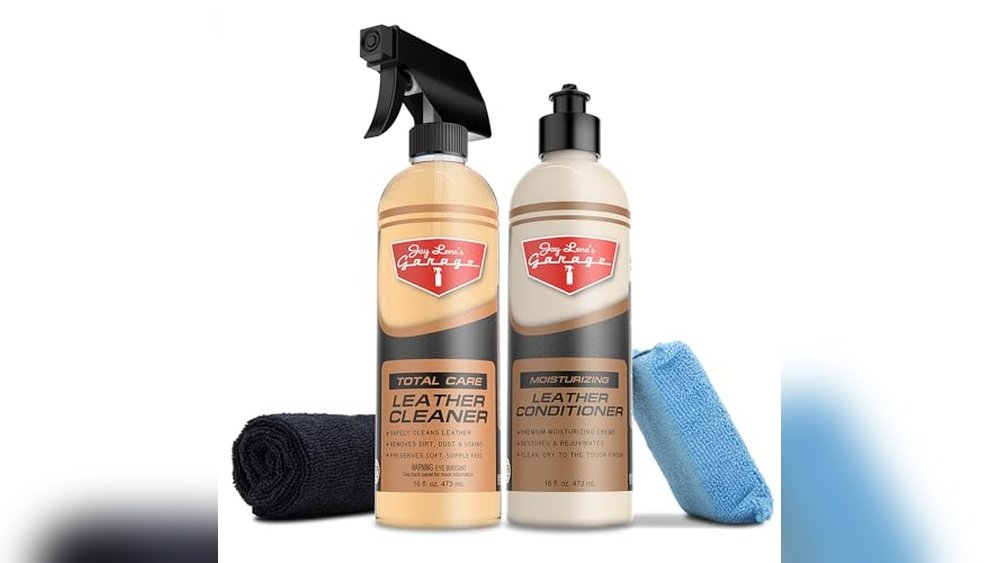
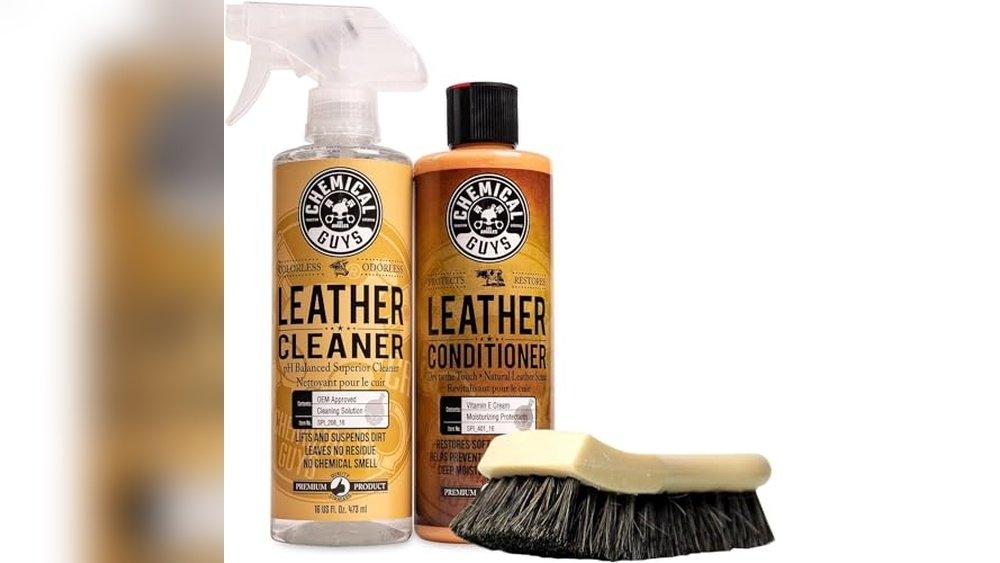
Leather and vinyl need gentle cleaning. APCs can dry out leather and cause cracking. Vinyl may lose its shine or become brittle. Use a cleaner made for leather or vinyl instead. Avoid strong APCs or high concentrations. Test any product on a hidden spot first.
Plastic And Rubber Components
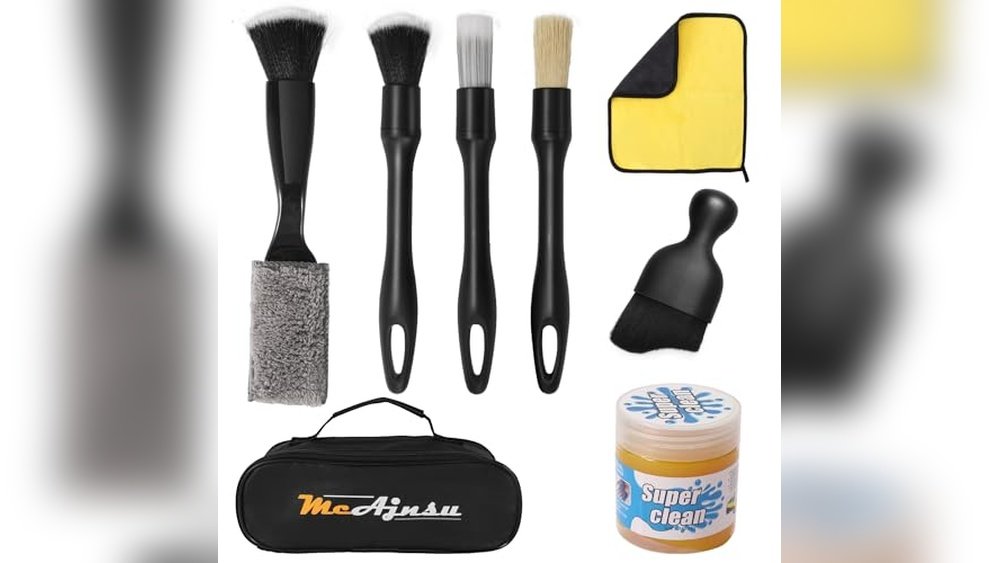
Plastic and rubber parts can handle mild APCs but watch the strength. Strong cleaners may fade or weaken these materials. Avoid using APC directly on dashboard trims, door panels, and seals. Use diluted solutions and wipe quickly. Follow with a protectant to restore flexibility and color.
Fabric And Carpet Cleaning
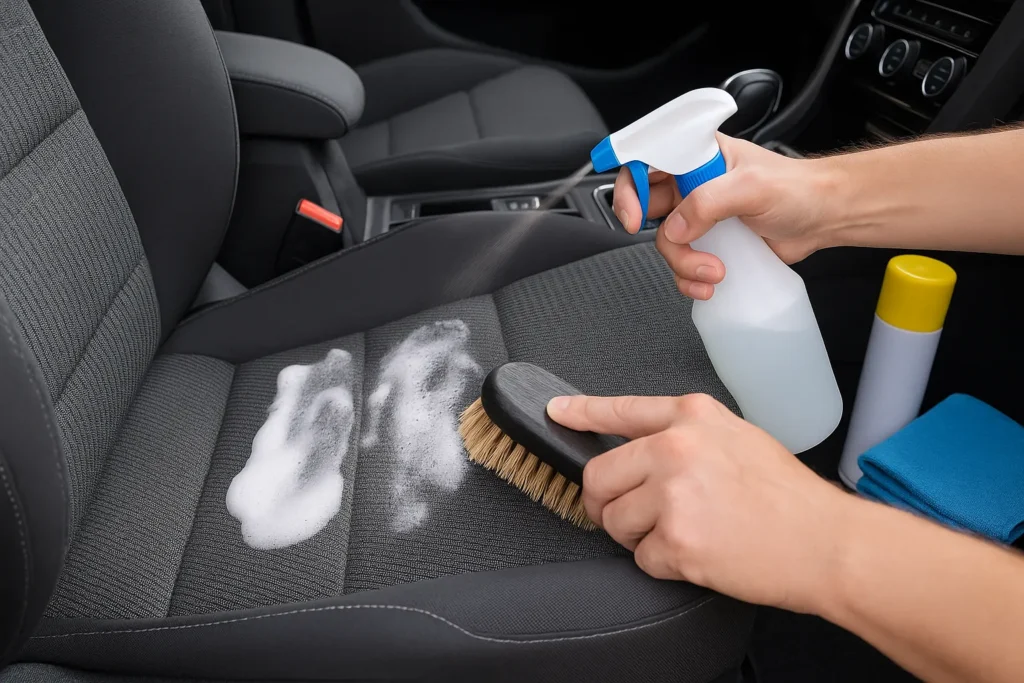
Fabric and carpets are sensitive to harsh chemicals. Concentrated APCs can leave stains or residue. Use a fabric-safe cleaner or dilute APC heavily. Blot stains gently, do not rub hard. Overuse can cause colors to fade or fibers to weaken. Always rinse and dry surfaces thoroughly.
Special Cases To Avoid Apc
All-Purpose Cleaners (APCs) work well on many surfaces but not all. Some materials react badly to their chemicals. Using APC on these special surfaces can cause damage or reduce lifespan. Knowing which surfaces to avoid helps protect your items and keeps them looking good.
Polycarbonate And Sat Nav Screens
Polycarbonate is a strong plastic often used in sat nav and electronic screens. APC can be too harsh for this material. It may cause cloudiness or scratching. Use cleaners made specifically for screens. Avoid APC to keep displays clear and damage-free.
Antique Leather Treatments
Old or antique leather needs gentle care. APC can strip away natural oils and finish. This causes dryness and cracking over time. Specialized leather cleaners and conditioners work best. Avoid APC to keep antique leather soft and preserved.
Delicate Upholstery Materials
Fabrics like silk, velvet, or suede require mild cleaning agents. APC is usually too strong for these materials. It can cause discoloration, stiffening, or shrinking. Use fabric-specific cleaners for delicate upholstery. Skipping APC protects your furniture’s texture and color.
Alternatives To Apc
All-Purpose Cleaners (APCs) work on many surfaces but can harm some materials. Choosing the right cleaner protects surfaces and keeps them looking new. Using alternatives designed for specific materials offers better results and safety. These options clean effectively without causing damage or discoloration.
Specialized Cleaners For Electronics
Electronics need gentle cleaning products. Use cleaners made for screens and circuits. These cleaners remove dust and fingerprints without harming sensitive parts. Avoid liquids that leave streaks or cause short circuits. Use microfiber cloths with these products for safe cleaning.
Stone And Wood Specific Products
Natural stone and wood require special care. Use pH-neutral cleaners made for these surfaces. These products protect sealants and prevent etching or warping. Avoid acidic or alkaline cleaners that can damage stone or strip wood finishes. Regular use keeps surfaces polished and strong.
Fabric And Upholstery Solutions
Fabrics and upholstery need mild, fabric-safe cleaners. Use foam or spray cleaners designed for textiles. Test the product on a small area before full use. These cleaners remove stains and odors without fading colors. Gentle brushing or blotting helps lift dirt effectively.
Best Practices For Apc Use
Using an All-Purpose Cleaner (APC) correctly keeps surfaces safe and clean. Following best practices protects materials and avoids damage. Careful use extends the life of many surfaces.
Proper Dilution Ratios
Always dilute APC according to the label instructions. Stronger mixes can harm delicate surfaces like leather or wood. Use weaker solutions for sensitive areas to avoid discoloration or damage. Measuring the right amount ensures effective cleaning without risks.
Spot Testing Before Use
Test APC on a small, hidden area before full application. Watch for color changes or surface damage over a few minutes. Spot testing prevents surprises and protects valuable finishes. It helps confirm that the cleaner suits the material.
Rinsing And Ventilation Tips
Rinse surfaces well after using APC to remove residue. Leftover cleaner can attract dirt or cause streaks. Work in well-ventilated areas to avoid inhaling fumes. Good airflow speeds drying and keeps the space safe.
Common Apc Mistakes To Avoid
Using an All-Purpose Cleaner (APC) seems easy and handy. Many make mistakes that damage surfaces or reduce cleaning power. Avoiding these common errors saves time and money. Learn what to watch out for with APC use.
Overuse On Sensitive Surfaces
APC is strong and can harm delicate materials. Avoid using it too often on surfaces like leather, natural wood, or painted finishes. Repeated use may cause fading, discoloration, or damage. Use milder cleaners or diluted APC on sensitive areas.
Ignoring Manufacturer Guidelines
Every surface or product has cleaning instructions. Skipping these can lead to damage or void warranties. Always check labels before applying APC. Use the right dilution and avoid APC on surfaces that list it as unsafe. Following guidelines protects your items.
Skipping Protective Measures
Using APC without testing first risks ruining the whole surface. Always do a spot test on a hidden area. Wear gloves to protect your skin from harsh chemicals. Ventilate the room to avoid breathing fumes. These steps keep you and your surfaces safe.
Frequently Asked Questions
Can You Use Apc On Interior?
Yes, you can use APC on most interior surfaces like leather and fabric. Avoid using it on delicate electronics or natural stone. Always dilute properly and test a small area first to prevent damage.
Where Should You Not Use All-purpose Cleaner?
Avoid using all-purpose cleaner on electronics, natural stone, antique furniture, fragile fabrics, and in unventilated spaces.
Can I Use Apc On Wood?
Yes, you can use APC on wood, especially wood furniture. Use a diluted solution to avoid damage. Always test a small area first.
Can I Use Apc On Fabric?
You can use APC on fabric if diluted properly. Test on a small area first to avoid damage or discoloration.
Conclusion
Avoid using APC on delicate surfaces like natural stone and electronics. Harsh cleaners can damage wood finishes and fragile fabrics. Antique furniture often requires special care beyond APC’s reach. Always test cleaners on a small spot first. Using the right product protects your surfaces and keeps them looking good.
Choose cleaners carefully to prevent stains and damage. Knowing where not to use APC helps maintain your items longer. Cleaning smart saves time and money in the end.