Have you ever glanced at your tire pressure gauge and wondered, “What tire pressure is too low?” It’s a question many drivers overlook until it becomes a real problem. But here’s the truth: driving on underinflated tires isn’t just about a rough ride—it’s about your safety, your wallet, and your car’s performance.
Low tire pressure can sneak up on you, causing poor handling, faster tire wear, and even risking a dangerous blowout. You’ll discover the exact limits you should never cross, how to spot the warning signs, and what steps to take to keep your tires—and you—safe on the road.
Keep reading, because knowing when tire pressure is too low could save you from costly repairs or worse.
Credit: www.vipauto.com
Safe Tire Pressure Range
Maintaining the safe tire pressure range is vital for vehicle safety and performance. Proper tire pressure helps your car handle well and improves fuel efficiency. It also prevents premature tire wear and reduces the risk of accidents. Understanding what tire pressure is too low can keep you safe on the road.
Every vehicle has a recommended pressure range that you should follow. Driving with pressure below this range can cause serious problems.
Manufacturer Recommendations
Manufacturers provide tire pressure guidelines for each vehicle model. These recommendations are usually found on a sticker inside the driver’s door or in the owner’s manual. The suggested pressure is measured in pounds per square inch (PSI). Staying within this range ensures optimal tire performance and safety. Pressures too far below or above this range can harm your tires and vehicle.
Effects Of Low Pressure
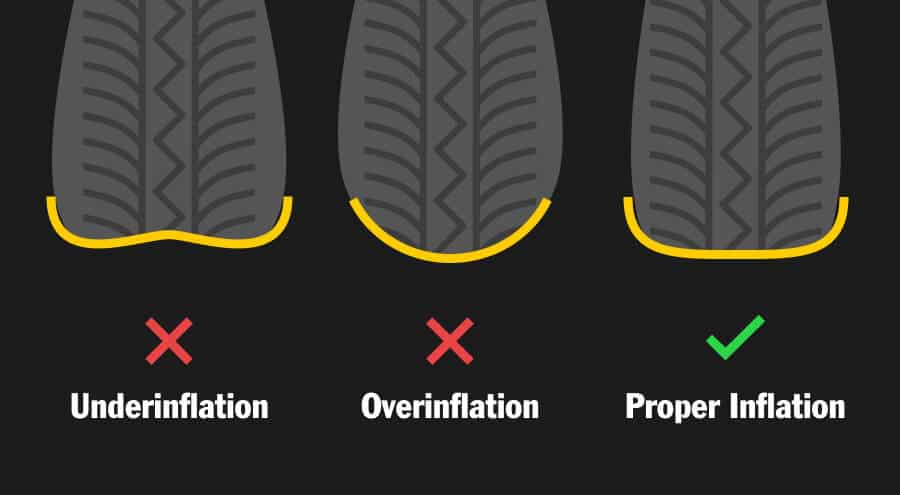
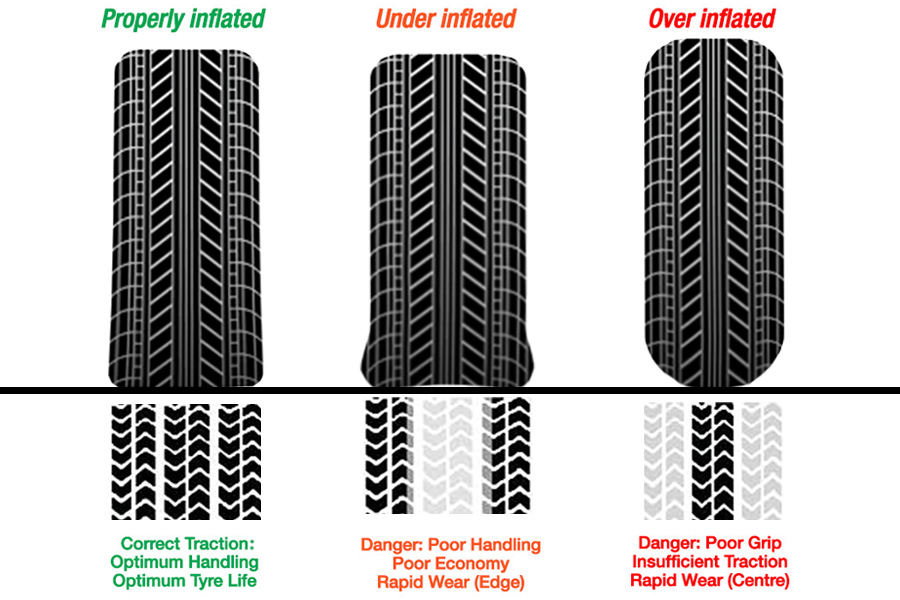
Low tire pressure causes poor handling and reduced stability. Soft tires make steering and braking less responsive. This increases stopping distances and the chance of accidents. Tires wear out faster on the edges when pressure is too low. Fuel efficiency drops because the engine works harder to move the vehicle. Excessive heat builds up from tire flexing, raising the risk of blowouts. Blowouts can cause sudden loss of control and serious crashes. Always check tire pressure regularly and inflate tires to the recommended PSI.
Signs Of Low Tire Pressure
Low tire pressure can affect your safety and vehicle performance. Recognizing the signs early helps prevent accidents and costly repairs.
Some signs are obvious, while others need a closer look. Knowing these signs helps keep your tires in good shape.
Tire Pressure Warning Light
The tire pressure warning light on your dashboard signals low pressure. It glows when pressure drops below the safe limit. Do not ignore this light. It means you should check your tires soon. The light may come on even if a tire looks fine. This gives you a short window to fix the issue before problems get worse.
Visual And Physical Checks
Look at your tires closely. Low pressure tires appear flat or bulging at the bottom. Press on the tires with your hand. Soft or squishy tires mean low air. Also, check for uneven wear on the edges of the tire. This wear can indicate low pressure over time. These simple checks help spot issues that sensors might miss.
Dangers Of Low Tire Pressure
Low tire pressure poses serious risks to your safety and vehicle performance. Tires with insufficient air pressure lose their shape and strength. This change leads to poor driving conditions and increased chances of accidents. Understanding these dangers helps you keep your vehicle safe on the road.
Poor Handling And Stability
Soft tires reduce how well you control your vehicle. Your car may feel squishy and harder to steer. Stopping distances increase, making it dangerous in emergencies. Cornering becomes less stable, raising the chance of skidding or losing control.
Increased Tire Wear
Low pressure causes the tire edges to wear faster than the center. This uneven wear shortens the tire’s life. You will need to replace tires more often, increasing your costs. Worn tires also provide less traction and safety.
Reduced Fuel Efficiency
Your engine works harder with low tire pressure. Tires create more rolling resistance, using extra fuel. This reduces your miles per gallon and raises fuel expenses. Maintaining proper pressure helps save money at the pump.
Risk Of Blowouts
Low pressure makes tire sidewalls flex more than normal. This creates excessive heat that damages the tire’s structure. The tire can suddenly fail or blow out while driving. Blowouts cause loss of control and can lead to serious accidents.
When Driving Is Risky
Driving on tires with too low pressure increases danger on the road. Low tire pressure affects your car’s handling and safety. It raises the risk of accidents and tire damage. Recognizing when driving is risky helps prevent serious problems. Below are signs to watch for that mean you should not drive.
Visibly Flat Tires
A tire that looks flat is unsafe to drive on. It may have lost most of its air. Driving on a flat tire can cause it to come off the rim. This leads to loss of control and possible crashes. Do not drive with a visibly flat tire. Stop and fix the issue immediately.
Soft Or Squishy Tires
Soft tires feel spongy when you press on them. This means the pressure is too low to support the car properly. Soft tires reduce your vehicle’s control and increase stopping distances. They wear out unevenly, especially on the edges. Driving on soft tires can cause a blowout, risking your safety. Inflate tires to the recommended pressure before driving.
Safe Driving With Low Pressure
Driving with low tire pressure requires extra care to stay safe on the road. Tires with low pressure affect how the vehicle handles and brakes. Maintaining control becomes more difficult, especially at higher speeds. Knowing how to drive safely with low pressure can prevent accidents and tire damage.
Use low-pressure driving only for short trips. Always check your tires and inflate them as soon as possible. Safe driving practices help reduce risks until you can fix the tire pressure properly.
Short Distance Limits
Drive only short distances with low tire pressure. Keep trips under 5 miles to avoid overheating the tires. Low pressure causes the tire sidewalls to flex more. This creates heat that can damage the tire. Avoid highways or fast roads where high speed increases risk. Slow speeds reduce the chance of tire failure. Use low-pressure driving only to reach a service station or home safely.
Cautious Driving Tips
Drive slowly and smoothly to keep control. Avoid sharp turns or sudden stops. These actions strain the tires and vehicle handling. Increase following distance to allow more stopping time. Watch for bumps or potholes that can harm weak tires. Keep steering light and steady to prevent skidding. Check your tire pressure again as soon as possible. Proper tire inflation is key for safe driving and better fuel economy.
Fixing Low Tire Pressure
Fixing low tire pressure is essential for safe driving and vehicle health. Tires with too little air cause poor handling, faster wear, and higher fuel use. Knowing how to check and correct tire pressure helps keep your ride smooth and secure.
Using A Tire Pressure Gauge
Start by checking your tire pressure with a tire pressure gauge. Remove the valve cap and press the gauge onto the valve stem. Read the pressure shown on the gauge. Compare it to the recommended PSI found in your vehicle’s manual or on the door frame sticker.
Inflating To Correct Psi
Use an air compressor to add air if the pressure is too low. Inflate slowly and check the pressure often. Avoid overinflating by stopping at the correct PSI. Replace the valve cap tightly after inflating. Proper tire pressure improves control and extends tire life.
When To Visit A Mechanic
Visit a mechanic if you cannot keep your tires at the correct pressure. Frequent air loss might mean a leak or damage. Also, get professional help if your tire looks damaged or if the pressure light stays on. A mechanic can find hidden problems and fix them safely.
Preventing Low Pressure Issues
Preventing low tire pressure issues keeps your driving safe and your tires lasting longer. Proper tire pressure improves fuel efficiency and vehicle control. It reduces the risk of blowouts and uneven tire wear. Taking simple steps regularly helps avoid problems related to low pressure.
Regular Pressure Checks
Check your tire pressure at least once a month. Use a reliable tire pressure gauge for accuracy. Measure pressure when tires are cold, before driving. Compare the reading with your vehicle’s recommended PSI. Inflate tires immediately if the pressure is too low. Regular checks catch slow leaks before they become serious.
Seasonal Tire Maintenance
Change tire pressure with seasonal temperature shifts. Cold weather lowers tire pressure naturally. Warm weather can increase pressure slightly. Adjust pressure according to manufacturer guidelines each season. Inspect tires for damage and wear during these checks. Rotate tires regularly to promote even wear and longer life.
Credit: jsgolfcarts.com

Credit: www.reddit.com
Frequently Asked Questions
Is 28 Psi Too Low To Drive?
28 psi is generally low for most tires and can cause poor handling, increased wear, and safety risks. Inflate tires to the recommended pressure immediately to ensure proper control, fuel efficiency, and avoid blowouts. Driving on 28 psi should be limited to short distances only.
Can I Still Drive My Car If My Tire Pressure Is Low?
You can drive a short distance with low tire pressure to reach an air pump. Avoid driving if the tire looks flat or feels soft. Low pressure reduces control, increases wear, and risks blowouts. Inflate tires to the recommended PSI immediately for safety and efficiency.
What Is The 3% Tire Rule?
The 3% tire rule means your tire pressure should not drop more than 3% below the recommended PSI. Maintaining this prevents poor handling, uneven wear, and blowouts. Check and inflate tires regularly to ensure safe driving and optimal fuel efficiency.
Is 25 Psi Too Low To Drive On?
Driving at 25 psi is generally too low for most vehicles. It reduces handling, increases tire wear, and risks blowouts. Inflate tires to the manufacturer’s recommended pressure immediately to ensure safety and optimal performance. Driving short distances at 25 psi is possible but not advisable.
Conclusion
Keeping your tire pressure at the right level is crucial for safety and efficiency. Driving on tires that are too low risks blowouts and poor control. Even slight underinflation can cause uneven tire wear and waste fuel. Always check your tire pressure regularly with a gauge.
Fill tires to the recommended PSI found on your vehicle’s door frame. If the tire pressure warning light comes on, address it quickly. Don’t ignore low pressure signs—fixing them prevents bigger problems. Safe driving depends on well-maintained tires and proper inflation.