Car detailing is more than just cleaning your car; it’s about restoring and maintaining its beauty, both inside and out. Whether you want to keep your car looking new or increase its resale value, the right tools make all the difference.
Building a complete car detailing kit can be confusing, especially with so many products on the market. But with the right guidance, you can create a kit that covers every part of the car, from the paintwork to the smallest crevice inside the cabin.
A good detailing kit saves money in the long run, lets you work at your own pace, and helps avoid common mistakes like scratching your paint or using the wrong chemicals. Let’s break down what a complete car detailing kit should include, why each tool is important, and how to use them for the best results.
Essential Exterior Cleaning Tools
A spotless exterior is the first thing people notice. But not all cleaning tools are created equal. Using the wrong brush or sponge can leave swirls, scratches, or even strip away wax. Here’s what you need for a safe, thorough clean.
Microfiber Wash Mitts
A microfiber wash mitt is gentle on paint and traps dirt within its fibers, reducing the risk of scratches. Compared to traditional sponges, microfiber mitts are safer because they lift dirt away from the surface rather than dragging it around. Always have two mitts: one for the upper body and another for lower, dirtier areas.
Two Buckets (wash And Rinse)
The two-bucket method is a pro tip that prevents swirl marks. One bucket holds soapy water, the other clean water for rinsing your mitt. This simple system removes grit before you return to your car’s surface, keeping your paint safer.
Grit Guard Inserts
A grit guard sits at the bottom of your bucket, trapping dirt and sand so they don’t mix back into your mitt. These inexpensive inserts can save your paint from thousands of micro-scratches over time.
High-quality Car Shampoo
Not all soaps are equal. Car shampoo is designed to clean without stripping wax or sealant. Avoid dish soap, which can be harsh on your paint. Look for pH-balanced formulas for the best results.
Foam Cannon Or Foam Gun
A foam cannon (for pressure washers) or foam gun (for garden hoses) covers your car in thick foam, loosening dirt before you touch the surface. This pre-wash step reduces the risk of scratching and makes washing much easier.
Drying Towels
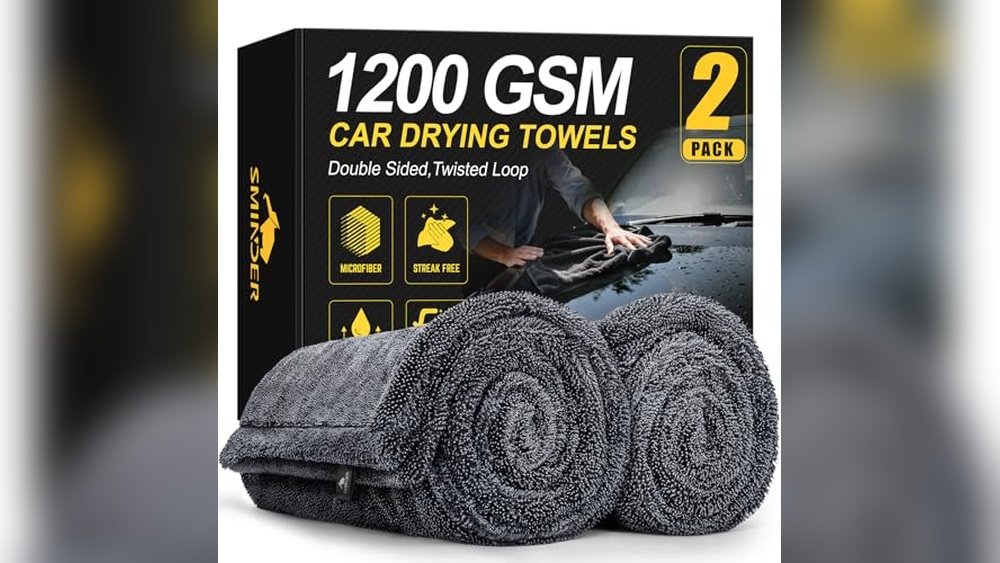
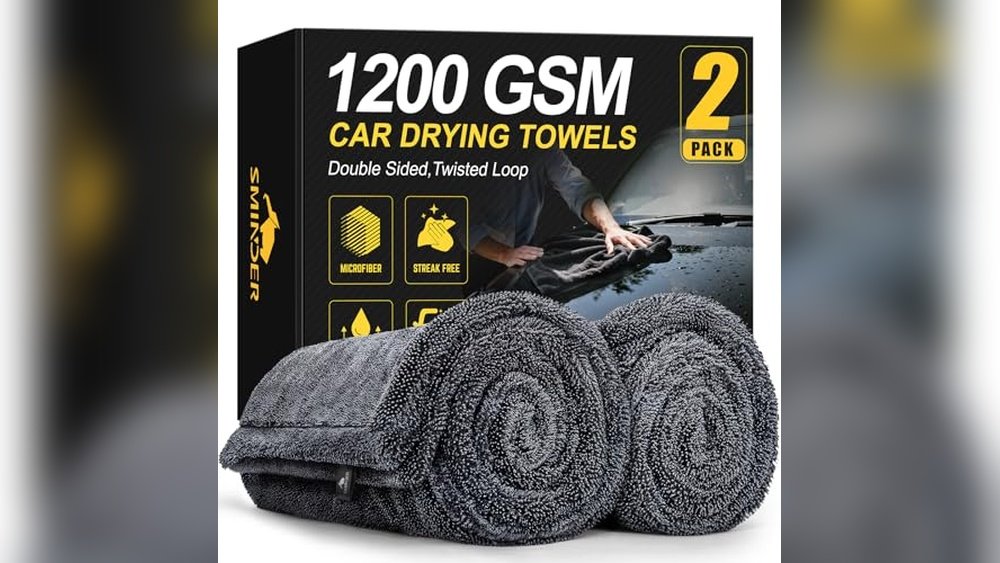
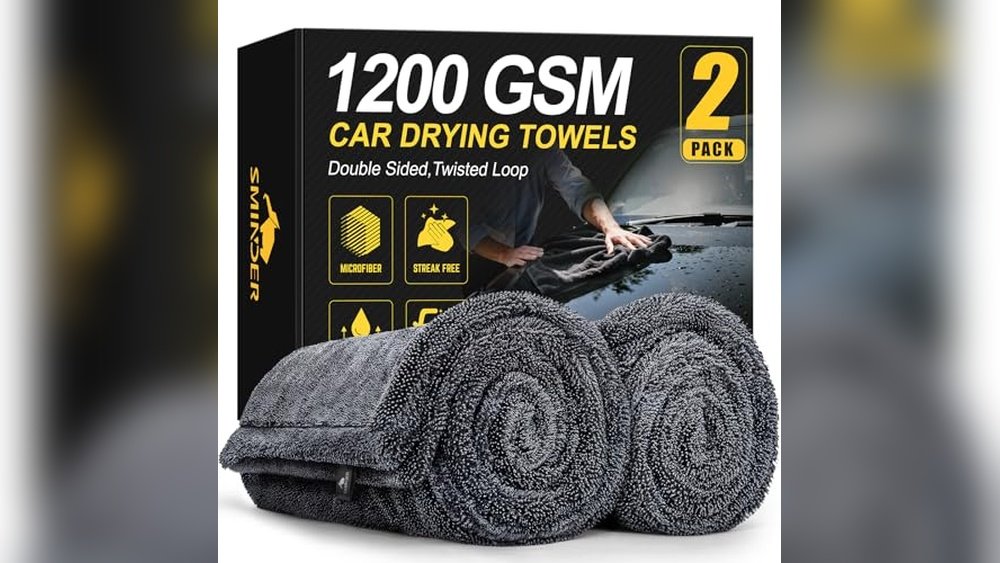
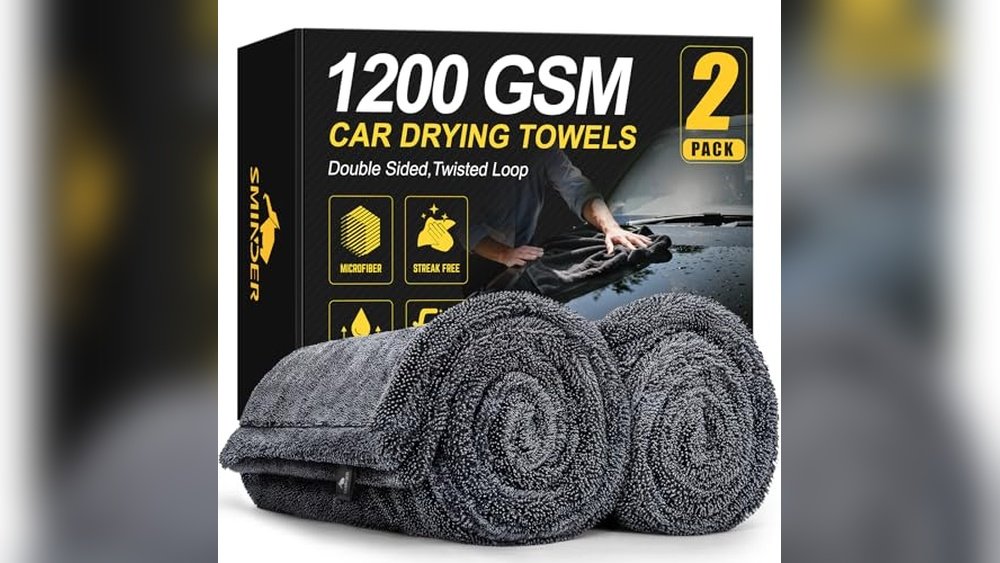
Don’t use your old bath towel. Microfiber drying towels absorb water quickly and won’t scratch. Choose a towel with a minimum 600 GSM (grams per square meter) for the best absorbency.
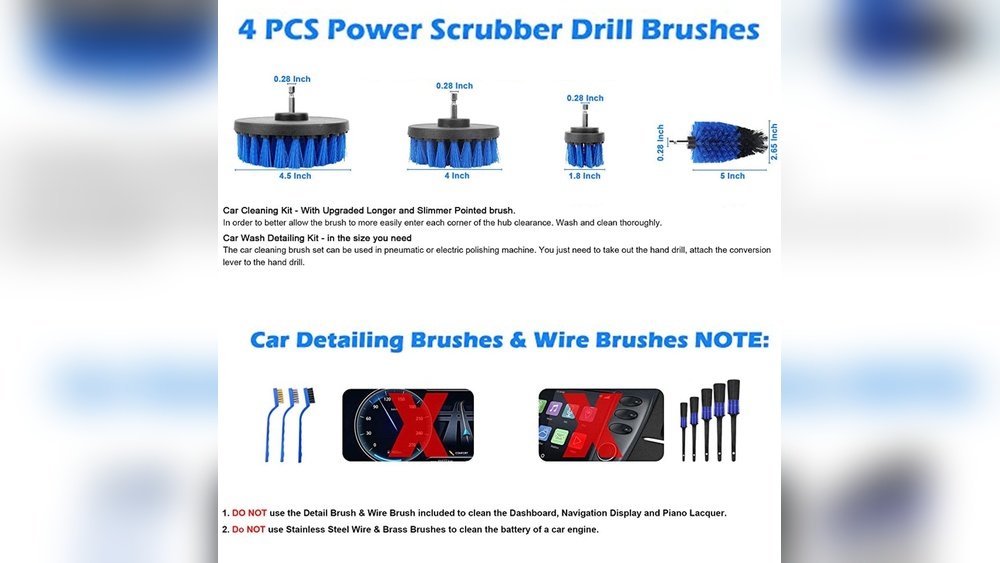
Detailing Brushes
Small detailing brushes with soft bristles help clean badges, grilles, and tight spots that mitts can’t reach. Choose a set with different sizes for different jobs.
Wheel And Tire Brushes
Wheels collect the most brake dust and grime. You need a dedicated wheel brush (long, flexible for spokes), a tire brush (stiff for rubber), and a lug nut brush (small, round for tight spots). Using separate brushes for wheels and paint is important to avoid cross-contamination.
Wheel Cleaner
A wheel cleaner designed for your type of wheels (alloy, chrome, painted) breaks down brake dust and grime. Some change color as they work, making it easy to see results. Never use acid-based cleaners on delicate finishes.
Clay Bar Or Clay Mitt
A clay bar or clay mitt removes bonded contaminants that washing can’t touch, like tar and industrial fallout. You’ll feel the difference: after claying, the paint will be smooth as glass.
Paint Protection And Correction Tools
After cleaning, protecting and correcting your paint keeps your car shining and safe from the elements. Here’s what you need for this step.
Dual Action (da) Polisher
A DA polisher helps remove light scratches, swirl marks, and oxidation. It’s safer than rotary polishers for beginners and gives professional results when used with the right pads and products.
Polishing Pads
Foam polishing pads come in different colors and densities for various correction levels. Softer pads are for finishing, while firmer pads tackle deeper defects. Always match the pad to your polish and task.
Compound And Polish
Compound is more aggressive and removes heavy defects. Polish refines the finish and adds gloss. Many beginners skip this step, but even a quick polish can make a big difference in shine and clarity.
Paint Sealant Or Wax
Paint sealants last longer (up to six months) and provide strong protection, while carnauba wax gives a warmer, deeper shine. Some people layer both for the best of both worlds.
Applicator Pads
Use foam or microfiber applicator pads to spread wax, sealant, or dressing evenly. These pads ensure thin, even layers and prevent wasting product.
Detailing Spray (quick Detailer)
A quick detailer spray removes light dust, adds shine, and boosts protection between washes. It’s also handy for touching up fingerprints or bird droppings on the go.
Interior Detailing Tools
The inside of your car is where you spend the most time. A clean, fresh-smelling cabin makes every drive better, and the right tools help you reach every nook and cranny.
Vacuum Cleaner (with Attachments)
A powerful vacuum with attachments for crevices, seats, and carpets is essential. Look for narrow crevice tools, brush heads, and even a small detailing nozzle for vents.
Interior Brushes
Soft interior brushes help loosen dust and dirt from vents, seams, and buttons. A brush with natural or soft synthetic bristles works best to avoid scratching plastics.
Microfiber Towels
You’ll need a stack of microfiber towels (at least 10–15) for interiors. Use different colors for different areas (e.g., glass, dash, seats) to avoid cross-contamination.
All-purpose Cleaner (apc)
A good APC cleans plastics, vinyl, rubber, and even some upholstery. Dilute as needed and always test on an inconspicuous spot first.
Interior Protectant
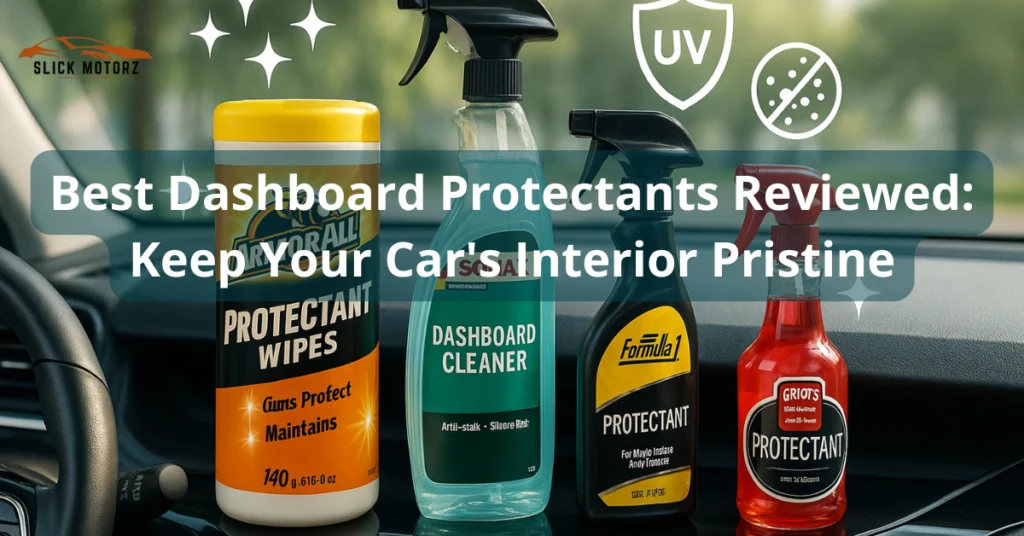
Interior protectants keep plastics and vinyl from fading or cracking, and many offer UV protection. Choose a matte finish for a natural look; high gloss can look greasy and attract dust.
Glass Cleaner
A streak-free glass cleaner is important for safety and looks. Avoid ammonia-based formulas, especially on tinted windows, as they can damage the tint.
Detailing Swabs
Foam or cotton swabs help clean tiny crevices like air vents, switches, and emblems. This is a tool beginners often skip, but it makes a big difference in a truly clean interior.
Carpet And Upholstery Cleaner
For stains, a dedicated carpet and upholstery cleaner is key. Some are foaming sprays, others are liquids; both work well when agitated with a brush and blotted with a towel.
Odor Eliminator
A real odor eliminator neutralizes smells rather than masking them. Products containing enzymes can break down odor-causing bacteria at the source.
Glass And Mirror Detailing Tools
Crystal-clear glass improves safety and makes your car look its best. Smears and streaks often come from using the wrong towel or cleaner.
Glass Towels
Lint-free glass towels are designed for streak-free results. Waffle-weave microfiber is a good choice, as it lifts away cleaner and residue quickly.
Glass Razor Scraper
For stubborn spots like sticker residue or overspray, a glass razor scraper is safe for glass but should never touch paint or plastic.
Anti-fog Treatment
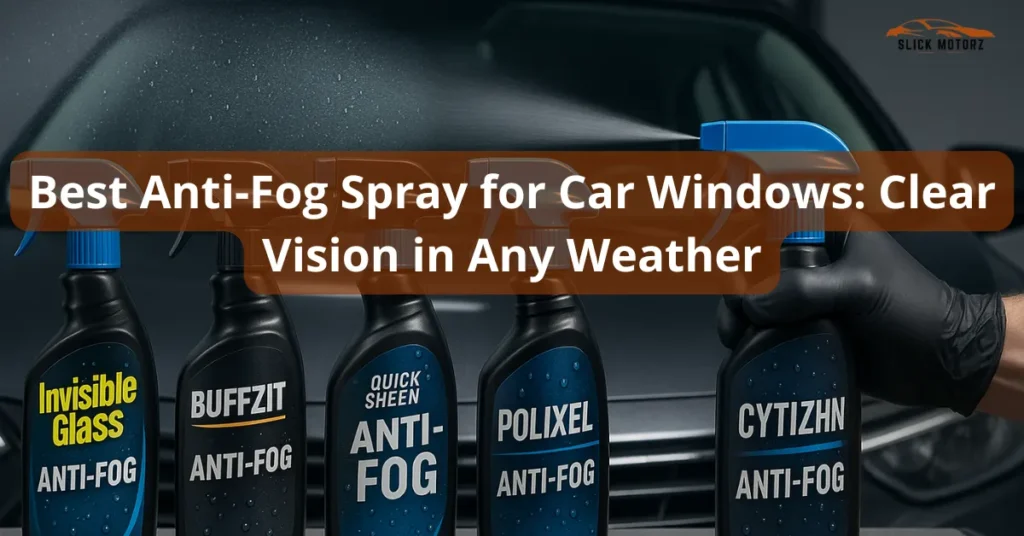
An anti-fog treatment keeps inside windows clear, especially in humid or cold weather. Apply it after cleaning for best results.
Specialty And Advanced Detailing Tools
Once you have the basics, these advanced tools help you go even further and achieve professional-level results.
Steam Cleaner
A steam cleaner sanitizes and deep-cleans interiors without harsh chemicals. It’s great for fabric seats, carpets, headliners, and even vents. Steam can also loosen grime in engine bays.
Extractor Machine
A carpet extractor sprays water and cleaner deep into fabric, then vacuums out the dirt. It’s the gold standard for removing stubborn stains and odors from carpets and upholstery.
Air Blower Or Car Dryer
A car dryer uses filtered air to blow water out of cracks, mirrors, and grilles after washing. This prevents water spots and streaks, especially on black trim.
Headlight Restoration Kit
Faded headlights make your car look old and reduce nighttime visibility. A headlight restoration kit includes abrasives, polish, and sometimes a sealant to restore clarity.
Touch-up Paint Pen
Tiny chips and scratches are almost unavoidable. A touch-up paint pen (matched to your car’s color) prevents rust and keeps your finish looking complete.
Tire Dressing Applicator
A tire dressing applicator (usually a curved foam sponge) spreads tire gel evenly without getting your hands dirty. This gives tires a clean, dark look without slinging product onto your paint.
Paint Thickness Gauge
A paint thickness gauge is an advanced tool that measures how much clear coat is left. This is especially important if you plan to polish or compound your car, as too much correction can burn through the paint.
Comparison: Essential Vs. Advanced Tools
Here’s a quick look at some basic versus advanced tools and what they add to your detailing process.
| Essential Tool | Advanced Tool | Main Benefit |
|---|---|---|
| Microfiber Wash Mitt | Foam Cannon | Safer, deeper pre-wash to reduce scratches |
| Vacuum Cleaner | Extractor Machine | Removes deep stains and embedded dirt |
| Manual Drying Towel | Car Dryer | Dries water from tight spaces, prevents spots |
| Glass Cleaner & Towel | Anti-Fog Treatment | Keeps windows clear in all weather |
Car Detailing Kit Checklist For Beginners
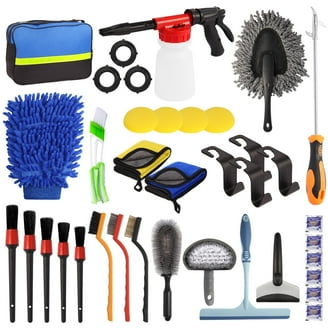
Getting started doesn’t mean buying everything at once. Here’s a focused list to build a kit that covers all the basics without breaking the bank.
- Microfiber wash mitts (2)
- Two buckets with grit guards
- Car shampoo
- Microfiber drying towel
- Wheel brush and tire brush
- Soft detailing brushes (2–3 sizes)
- Clay bar or clay mitt with lubricant
- Car wax or sealant
- Foam or microfiber applicator pads
- Detailing spray
- Interior vacuum with attachments
- Interior brush
- All-purpose cleaner
- Interior protectant
- Streak-free glass cleaner
- Microfiber towels (10+)
- Lint-free glass towel
- Odor eliminator
This kit will let you wash, protect, and refresh your whole car, inside and out.
Key Buying Tips And Mistakes To Avoid
Choosing the right tools is as important as how you use them. Here’s what many beginners get wrong:
- Quality over quantity: Cheap towels, mitts, or brushes can scratch your paint or fall apart quickly. Invest in good brands, even if you buy fewer items at first.
- Don’t mix towels: Use different towels for paint, wheels, and interior. Washing them together can transfer grit and cause scratches.
- Skip dish soap: It strips wax and dries out rubber and plastic. Always use products made for cars.
- Check compatibility: Some wheel cleaners or interior protectants can damage certain finishes. Always read labels, especially for specialty wheels or materials.
- Wash tools after each use: Dirty tools scratch surfaces. Wash towels and mitts with mild detergent and no fabric softener.
A common mistake is overusing aggressive products (like compound or harsh brushes) hoping for better results. These can do more harm than good, especially on delicate finishes.

Credit: www.amazon.com
Example: Washing And Detailing A Car Step-by-step
Let’s walk through how to use your new kit for a safe and effective detail:
- Rinse the car to remove loose dirt.
- Apply foam with a foam cannon or gun. Let it dwell for a few minutes.
- Wash using the two-bucket method with microfiber mitts, starting from the top and working down.
- Clean wheels and tires with dedicated brushes and wheel cleaner.
- Rinse thoroughly, then dry with microfiber towels or a car dryer.
- Clay the paint to remove bonded contaminants.
- Polish and protect with a DA polisher or by hand, followed by a wax or sealant.
- Clean glass with a glass-specific towel and cleaner.
- Vacuum the interior, using attachments to reach all corners.
- Clean surfaces with APC and a microfiber towel, then protect with an interior dressing.
- Treat carpets and upholstery with cleaner, spot-treating stains.
- Finish with an odor eliminator for freshness.
Advanced Table: Product Life Span And Replacement
Knowing when to replace tools prevents scratches and wasted effort. Here’s a guide:
| Tool | Average Lifespan | Replacement Tip |
|---|---|---|
| Microfiber Towels | 6–12 months | Replace when they lose softness or leave streaks |
| Wash Mitts | 6–12 months | Replace if threads unravel or mitt gets stiff |
| Polishing Pads | 5–10 uses | Replace if pad tears or loses shape |
| Brushes | 1–2 years | Replace if bristles deform or shed |
| Clay Bar | 5–10 uses | Replace when it becomes discolored or sticky |

Credit: www.lenosgarage.com
Non-obvious Insights For Beginners
- Color code your towels and mitts. Use one color for paint, another for wheels, and a third for interiors. This simple trick prevents accidental scratches and cross-contamination.
- Invest in a spray bottle set. Many cleaners and dressings work better when misted. Having several labeled bottles for different products makes application faster and more precise.
- Store products out of direct sunlight. Heat can break down waxes, sealants, and some chemicals, making them less effective or even damaging to your car.
Where To Buy And What To Look For
You can buy detailing tools at auto parts stores, online retailers, or specialty shops. Look for:
- Professional brands like Meguiar’s, Chemical Guys, Griot’s Garage, and Mothers.
- Kits that bundle essentials, which are often cheaper than buying each item separately.
- Warranties on tools like polishers, which show the manufacturer’s confidence.
For reviews and more product details, check reliable resources like Autogeek.
Credit: www.bedwettingtherapy.com
Frequently Asked Questions
What Is The Most Important Tool In A Car Detailing Kit?
The microfiber wash mitt is often considered the most important. It touches your car’s paint the most, so using a high-quality mitt reduces the risk of scratches and swirl marks more than almost any other tool.
How Often Should I Replace My Detailing Towels And Mitts?
Replace microfiber towels every 6–12 months, or sooner if they lose softness or start to leave lint. Wash mitts should be replaced when they feel rough or the fibers start to break down. Regular washing and proper drying will extend their life.
Can I Use Household Cleaners For Car Detailing?
It’s best not to. Household cleaners (especially dish soap or window spray) can damage your car’s wax, paint, or plastics. Always use products made for automotive surfaces to avoid fading, cracking, or other problems.
Is A Foam Cannon Necessary For Washing My Car?
A foam cannon is not required but highly recommended. It helps loosen dirt and adds a layer of safety by reducing friction during washing. If you don’t have a pressure washer, a foam gun (for garden hoses) is a good alternative.
What’s The Difference Between Wax And Sealant?
Wax (usually carnauba-based) gives a deep, warm shine and lasts a few weeks to months. Sealant is synthetic, lasts longer (up to six months), and provides stronger protection. Many detailers use both for the best of shine and durability.
A well-equipped car detailing kit doesn’t just make your car look good—it protects your investment and makes every drive more enjoyable. With the right tools and some practice, anyone can achieve professional results at home.