Grease and grime can be stubborn foes, and knowing how to tackle them makes all the difference in your cleaning routine. You might be wondering: when is it better to reach for a degreaser instead of regular soap?
Choosing the right cleaner can save you time, protect your surfaces, and get your space sparkling clean faster. You’ll discover exactly when a degreaser outshines soap, why it works so well on tough messes, and how to use it safely to avoid damage.
Keep reading to learn the smart way to fight grease and make your cleaning efforts truly effective.
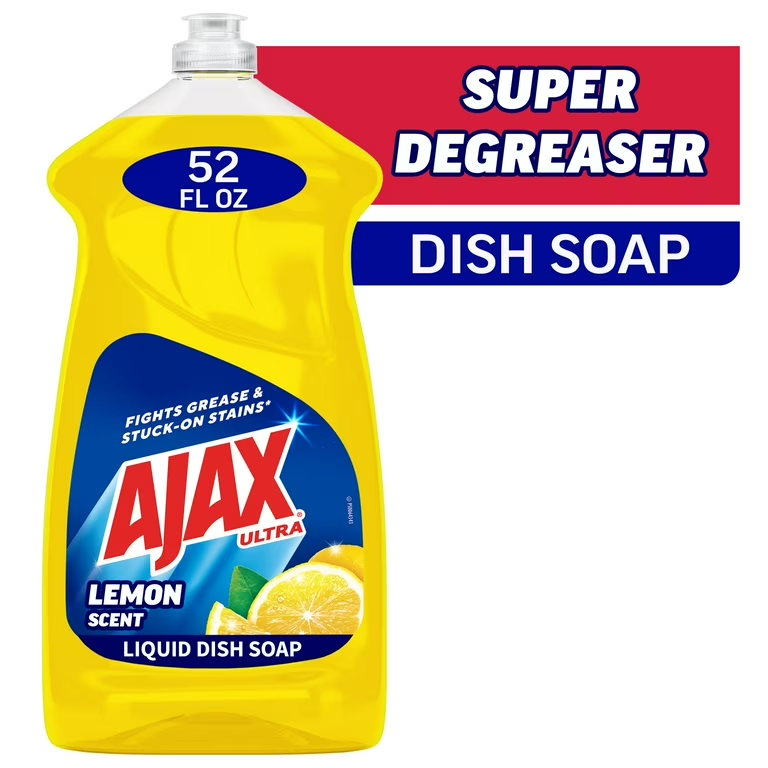
Credit: www.walmart.com
Differences Between Soap And Degreaser
Understanding the differences between soap and degreaser helps you choose the right cleaner. Both remove dirt and grease, but they work differently. Knowing their unique properties guides you to better cleaning results.
Chemical Composition
Soap is made from natural fats or oils mixed with an alkali. It creates mild cleaning agents called surfactants. These surfactants trap dirt and grease, making them easier to wash away.
Degreasers contain stronger chemicals like solvents, alkalis, or detergents. These break down tough grease quickly. They are designed for heavy-duty cleaning tasks that soap cannot handle.
Cleaning Strength
Soap works well on light grease and everyday dirt. It gently removes oils from skin, dishes, and some surfaces. Soap’s cleaning power is mild and safe for frequent use.
Degreasers are much stronger. They dissolve thick, stubborn grease and oil. Degreasers can clean engines, grills, and industrial equipment. Their strength can damage delicate surfaces if misused.
Surface Compatibility
Soap is safe on most surfaces, including skin, fabric, and painted items. It rarely causes damage or discoloration. Soap is the better choice for sensitive materials.
Degreasers can harm surfaces like paint, rubber, and some plastics. They may cause fading, cracking, or weakening. Use degreasers only on hard, durable surfaces suited for harsh chemicals.
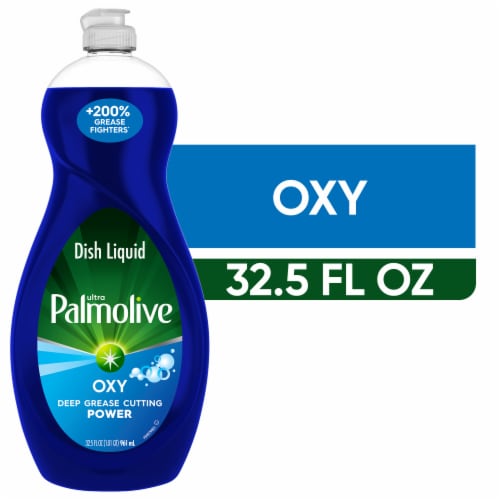
Credit: www.ralphs.com
When To Choose A Degreaser
Choosing a degreaser over soap depends on the cleaning challenge. Degreasers are strong cleaners designed to remove thick and stubborn grease. Soap works well on light dirt and oils but may not handle heavy grease effectively. Knowing when to use a degreaser saves time and effort. It also protects surfaces from damage caused by scrubbing or repeated cleaning.
Heavy Grease Removal
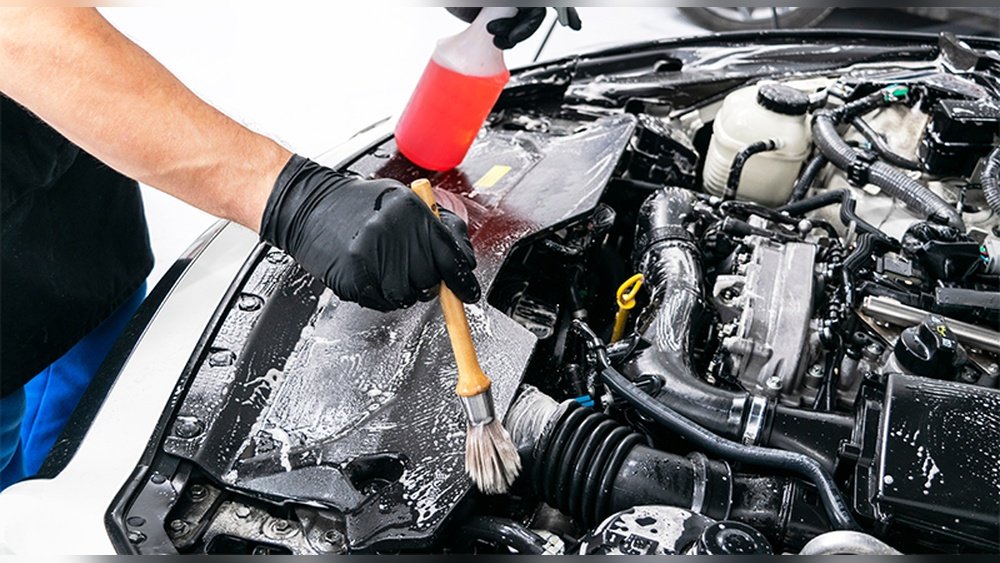
Degreasers excel at breaking down heavy grease on hard surfaces. Kitchen exhaust fans, grills, and engine parts often have thick grease layers. Soap alone struggles to dissolve these deposits. Degreasers contain powerful ingredients that cut through grease quickly. This makes cleaning faster and more thorough. Use a degreaser when grease is sticky, thick, or old.
Industrial And Mechanical Cleaning
Factories and workshops face tough grime and oily residues. Machines, tools, and floors can get coated with industrial grease. Soap cannot always remove this buildup. Degreasers help dissolve heavy oils and lubricants. They prevent equipment from malfunctioning due to grease. Use degreasers in mechanical and industrial settings for better results.
Tough Kitchen Messes
Kitchens produce greasy spills that soap may not handle well. Ovens, stovetops, and backsplashes can collect baked-on grease. Degreasers work faster on these stubborn spots. They reduce the need for scrubbing and harsh tools. Use a degreaser for burnt or thick grease layers. It keeps kitchen surfaces cleaner and safer.
When Soap Is More Suitable
Soap works best for many everyday cleaning tasks. It is gentle, safe, and effective on light dirt and grease. Soap cleans without harsh chemicals that might harm surfaces. Knowing when to choose soap over a degreaser helps protect your belongings and keeps cleaning simple.
Light Grease And Dirt
Soap easily removes light grease and dirt from most surfaces. It dissolves oils and washes away grime with water. Soap works well on dishes, hands, and countertops with mild messes. It cleans without stripping away natural oils or finishes.
Delicate Surfaces
Soap is safer for delicate surfaces like wood, painted walls, and fabrics. Harsh degreasers can damage or discolor these materials. Soap cleans gently without causing harm or fading. It maintains the look and texture of sensitive items.
Everyday Household Cleaning
Soap suits daily cleaning tasks around the home. It removes dust, fingerprints, and spills quickly and easily. Soap is ideal for floors, tables, and appliances with common dirt. It rinses clean and leaves no strong chemical residue.
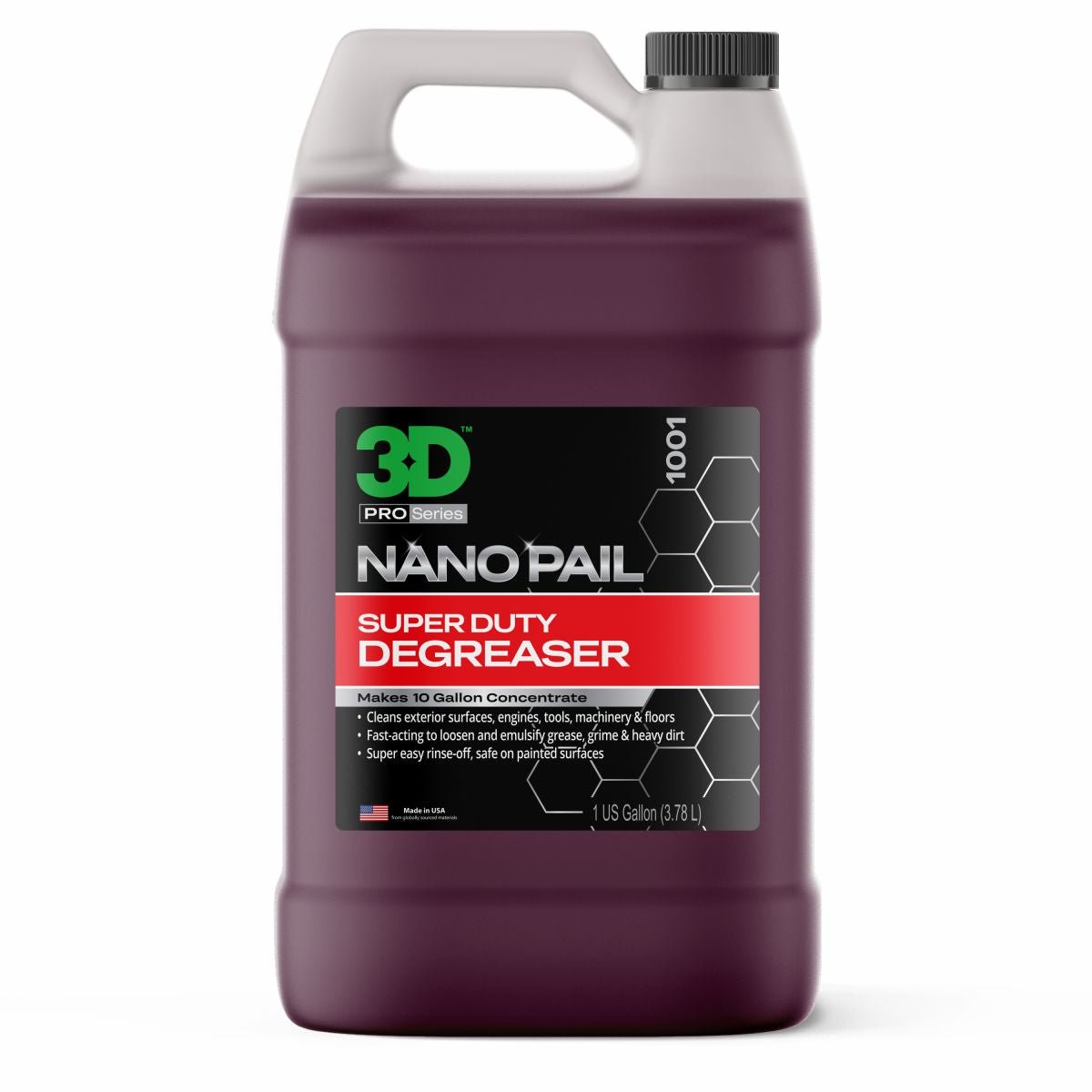
Credit: 3dproducts.com
Risks Of Using Degreasers
Using degreasers offers powerful cleaning but carries some risks. These products contain strong chemicals that can harm certain materials and affect health. Knowing these risks helps you choose the right cleaner for your needs.
Damage To Sensitive Materials
Degreasers can damage surfaces like paint, rubber, and plastic. They may cause discoloration or weaken these materials. Avoid using degreasers on delicate items or surfaces prone to damage. Testing on a small area first can prevent costly mistakes.
Environmental Concerns
Many degreasers contain chemicals that harm the environment. They can pollute water when washed down drains. Some ingredients break down slowly and accumulate in nature. Choose eco-friendly products or dispose of degreasers properly to reduce impact.
Health And Safety Precautions
Degreasers may irritate skin, eyes, and lungs. Use gloves and work in well-ventilated areas. Keep them out of reach of children and pets. Follow label instructions carefully to avoid accidents or injuries.
Dish Soap As A Mild Degreaser
Dish soap serves as a mild degreaser in many homes. It cleans grease without harsh chemicals. This makes it a popular choice for everyday cleaning. It works well on light to moderate grease. Understanding its strengths and limits helps decide when to use it.
How Dish Soap Works
Dish soap contains surfactants that break down grease and oils. Surfactants have two ends: one attracts water, the other attracts oil. This allows grease to mix with water and wash away easily. Dish soap is also mildly alkaline, which helps break down fats. This combination makes it effective for cleaning dishes and light grease.
Common Household Uses
Dish soap cleans kitchen utensils, plates, and pots. It removes cooking oil and food residue without damaging surfaces. People also use it to clean countertops and stovetops. It works on some fabrics to remove oily stains. Dish soap can clean greasy hands after cooking. It’s safe for many household surfaces and easy to rinse off.
Limitations In Automotive Care
Dish soap is not ideal for car cleaning. It can strip away wax and damage paint over time. Automotive grease is thicker and needs stronger degreasers. Dish soap might not remove engine grime or brake dust effectively. Using it often on cars can cause dullness and wear. For tough automotive grease, specialized degreasers work better and protect surfaces.
Tips For Effective Cleaning
Effective cleaning requires more than just choosing between soap and degreaser. Understanding how to use these products properly ensures better results. Here are some tips to help you clean tough grease and grime safely and efficiently.
Choosing The Right Product
Select a degreaser for heavy grease and oily dirt. Use soap for light cleaning tasks. Check the label for the surface type the product suits. Avoid degreasers on sensitive surfaces like painted wood or plastic. Pick a product that matches the cleaning job to prevent damage.
Proper Application Techniques
Apply the cleaner directly on the greasy area. Let it sit for a few minutes to break down the grease. Use a brush or cloth to scrub gently. Rinse thoroughly with water to remove all residues. Repeat if needed but avoid over-saturating surfaces.
Safety Measures
Wear gloves to protect your skin from harsh chemicals. Ensure good ventilation in the cleaning area. Keep degreasers away from children and pets. Read and follow all safety instructions on the product label. Store cleaners in a cool, dry place after use.
Frequently Asked Questions
What Is The Difference Between Soap And Degreaser?
Soap cleans light grease using mild surfactants, ideal for everyday dirt. Degreasers contain stronger chemicals to break down heavy, stubborn grease effectively. Use degreasers for tough grease; soaps suit gentle cleaning.
What Should You Not Use Degreaser On?
Avoid using degreasers on painted surfaces, rubber, delicate plastics, fabric, and wood, as they can cause damage or discoloration.
Can I Use Dish Soap Instead Of Degreaser?
Dish soap can replace degreasers for light grease and household cleaning. It effectively breaks down oils but may harm sensitive surfaces like car paint if used often. For heavy-duty grease, choose a dedicated degreaser to ensure faster and safer cleaning.
When To Use A Degreaser?
Use a degreaser to remove heavy, stubborn grease and oil from surfaces like kitchen appliances, tools, and machinery. Avoid using it on delicate surfaces such as painted areas, rubber, or fabric to prevent damage. Degreasers work faster and more effectively than regular soap for tough grime.
Conclusion
Choosing between a degreaser and soap depends on the cleaning task. Use a degreaser for thick, stubborn grease and oil. Soap works well for light dirt and everyday messes. Avoid degreasers on delicate surfaces like paint or fabric. Soap is gentler and safer for many household items.
Knowing when to use each helps protect your belongings. Clean smarter by picking the right product every time.