You rely on your car every day, so keeping it in top shape is essential. But how do you know exactly when to do maintenance on your car?
Ignoring this can lead to costly repairs and even put your safety at risk. The good news is, with the right timing and simple checks, you can avoid most problems before they start. You’ll discover the key moments to service your vehicle, what tasks you shouldn’t skip, and how staying on schedule saves you money and stress.
Ready to keep your car running smoothly? Let’s dive in.
Maintenance By Mileage
Maintaining your car by mileage helps keep it running smoothly. Each part wears out after a certain distance. Regular checks based on mileage prevent big problems. Follow your car’s manual for exact intervals. This approach saves money and avoids breakdowns.
Oil And Filter Changes
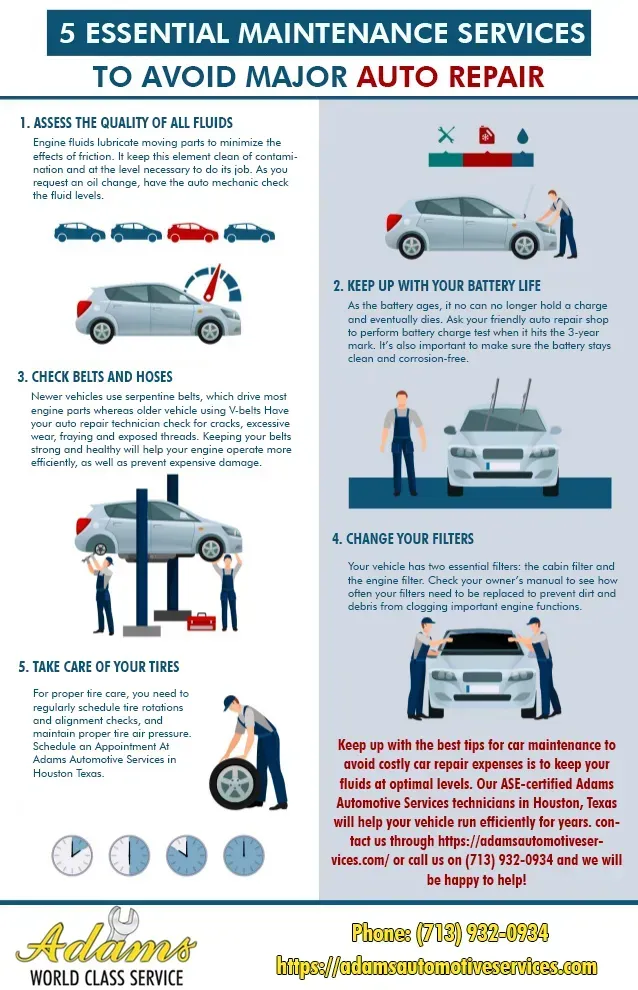
Change your oil and filter every 3,000 to 7,500 miles. Fresh oil keeps the engine lubricated and cool. Old oil thickens and causes engine wear. The filter removes dirt and debris. Clean oil and filter improve fuel efficiency and engine life.
Fluid Checks And Top-offs
Check fluids at least every 5,000 miles. This includes brake, coolant, transmission, and power steering fluids. Low fluid levels can cause parts to fail. Top off fluids to keep systems working well. Regular fluid checks prevent costly repairs.
Brake Inspections
Inspect brakes every 10,000 to 15,000 miles. Brake pads wear down and need replacement. Check brake rotors for damage or warping. Brake fluid should be clean and at proper level. Good brakes are essential for safety on the road.
Tire Rotation And Pressure
Rotate tires every 5,000 to 7,000 miles. This promotes even tire wear and extends tire life. Check tire pressure monthly and before long trips. Proper pressure improves gas mileage and handling. Uneven tire wear can lead to unsafe driving conditions.
Seasonal Maintenance Tips
Seasonal maintenance helps keep your car safe and reliable year-round. Each season brings unique challenges for your vehicle. Adjusting care for these changes protects your engine and parts. Simple checks can avoid costly repairs later. Follow these seasonal tips for better car health.
Preparing For Winter
Check your battery and replace if weak. Use winter tires for better grip on ice. Inspect antifreeze levels to prevent engine freezing. Test your heater and defroster to stay warm. Replace windshield wipers for clear visibility in snow.
Summer Checkups
Test your air conditioning system for hot days. Check tire pressure often; heat can cause air loss. Inspect coolant levels to avoid overheating. Look for cracks in belts and hoses from heat stress. Keep your engine oil fresh for smooth running.
Spring Tune-ups
Clean or replace air filters after dusty winter roads. Examine brakes for wear from salt and moisture. Check suspension for damage from potholes. Change oil and filters to remove winter grime. Inspect tires for uneven wear and damage.
Fall Inspections
Test your battery before cold weather hits. Check all lights for shorter daylight hours. Inspect brakes and fluids for safe stopping. Replace worn wiper blades for rainy days. Ensure tires have enough tread for wet roads.
Component-specific Care
Component-specific care targets parts that need attention at set times. Each car part has its own schedule to keep your vehicle running smoothly. Paying attention to these helps avoid costly repairs later. It also boosts your car’s safety and performance.
Timing Belt Replacement
The timing belt controls engine timing. It wears out over time and can break suddenly. Replace it every 60,000 to 100,000 miles. Check your owner’s manual for exact timing. A broken belt can cause severe engine damage.
Spark Plug Inspection
Spark plugs ignite the fuel in your engine. Dirty or worn plugs reduce fuel efficiency. Inspect spark plugs every 30,000 miles. Replace them if they show signs of wear or carbon buildup. This improves engine start and smoothness.
Battery Testing
The battery powers your car’s electrical system. Test it twice a year, especially before winter. Look for corrosion on terminals and check voltage. Replace the battery if it fails the test. A weak battery can leave you stranded.
Transmission Fluid Service
Transmission fluid lubricates and cools the transmission. Old fluid causes shifting problems and damage. Change the fluid every 30,000 to 60,000 miles. Use the type recommended by your car’s manufacturer. Proper fluid keeps your transmission healthy.

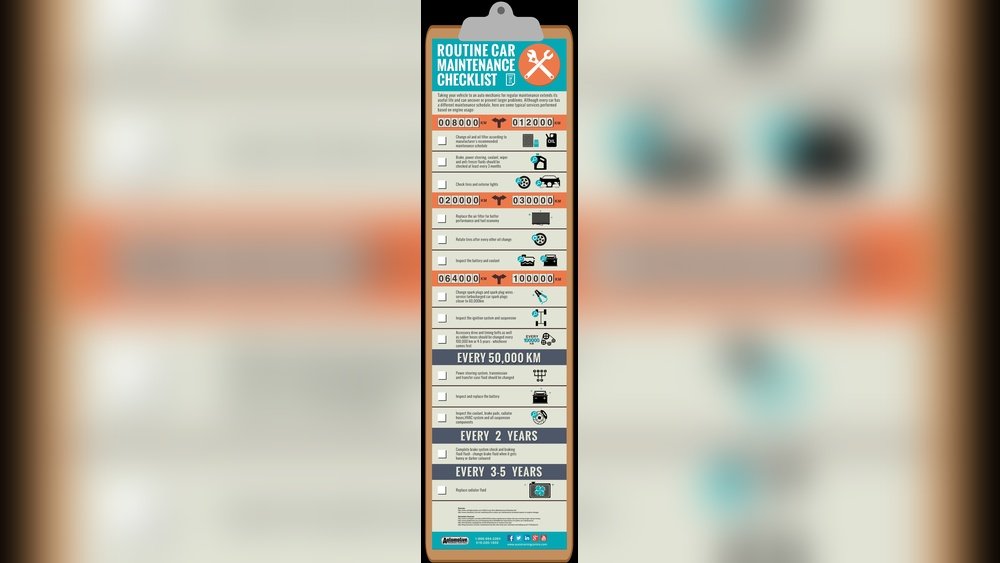
Credit: www.ddmotors.com
Signs You Need Immediate Service
Recognizing signs that your car needs immediate service can prevent bigger problems and costly repairs. Some issues require urgent attention to keep you safe on the road. Acting quickly when these signs appear helps maintain your vehicle’s health and performance.
Warning Lights And Alerts
Dashboard warning lights signal potential problems. The check engine light is the most common. Bright red lights warn of serious issues like low oil pressure or overheating. Never ignore these alerts. Stop driving and get your car checked immediately.
Unusual Noises
Strange sounds often indicate mechanical trouble. Squealing brakes, grinding gears, or knocking engines need fast attention. These noises can mean worn parts or system failures. Early service can avoid expensive damage.
Vibrations And Handling Issues
Feeling shakes or vibrations while driving suggests trouble. Steering pulling to one side or difficulty controlling the car are warning signs. These problems can affect safety and should be inspected quickly.
Fluid Leaks
Spotting puddles under your car is never normal. Oil, coolant, brake fluid, or transmission fluid leaks need urgent repair. Leaks reduce fluid levels and can cause engine or brake failure. Address leaks as soon as they appear.
Long-term Maintenance Strategies
Long-term maintenance is essential to keep your car running smoothly for years. It focuses on major checks and replacements that prevent serious damage. Regular care saves money and avoids unexpected breakdowns. This section covers key long-term strategies that extend your vehicle’s life.
Scheduled Major Services
Major services happen at specific mileages. These include detailed inspections and replacements. Mechanics check engine, transmission, brakes, and more. Following your car’s service schedule helps catch issues early. It keeps your car reliable and safe on the road.
Fuel System Cleaning
Fuel systems collect dirt and deposits over time. Cleaning injectors and fuel lines improves engine performance. It also increases fuel efficiency. Regular fuel system cleaning prevents rough idling and stalling. This service supports smooth driving and lowers emissions.
Suspension And Steering Checks
Suspension and steering parts wear out gradually. Inspections reveal worn shocks, struts, and ball joints. Proper suspension ensures a comfortable ride and good handling. Steering checks prevent alignment problems and uneven tire wear. Address these issues early for safe driving.
Belt And Hose Replacements
Belts and hoses suffer from heat and age. Cracks or leaks can cause engine damage. Replacing them on time avoids breakdowns and costly repairs. Check timing belts, serpentine belts, and radiator hoses regularly. Timely replacements keep your engine running smoothly.
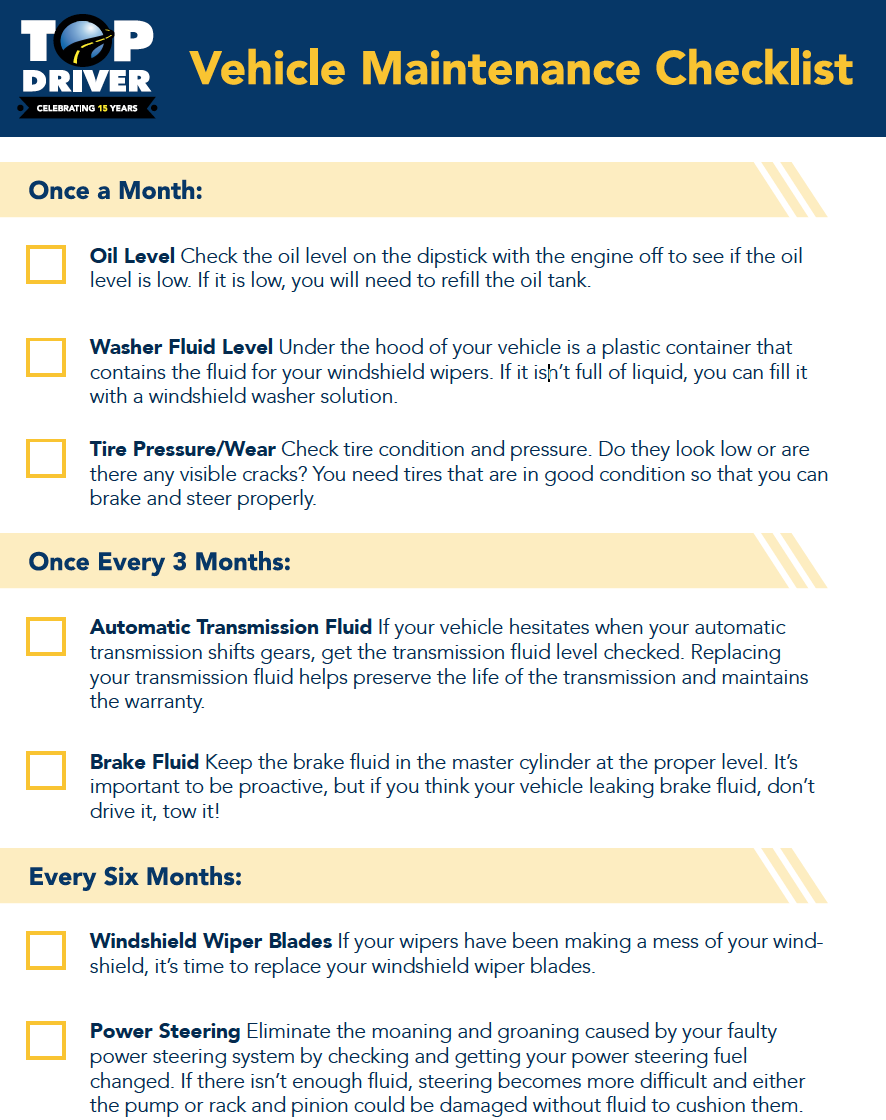
Credit: topdriver.com
Consequences Of Skipping Maintenance
Skipping regular maintenance on your car leads to many problems. Small issues can grow into big troubles. Your car’s performance and safety depend on timely care. Ignoring maintenance harms the engine and other parts. This section explains what happens when you skip maintenance.
Reduced Engine Efficiency
Skipping oil changes makes engine parts wear faster. Dirty oil causes friction and heat. Engine loses power and uses more fuel. Poor engine efficiency means you spend more on gas. Over time, engine damage becomes serious and costly.
Safety Risks
Brake checks and tire inspections keep you safe. Neglecting these increases the chance of accidents. Worn brakes may fail to stop in time. Bald tires reduce grip on wet roads. Skipping maintenance puts you and others in danger.
Higher Repair Costs
Small fixes cost less than big repairs. Ignoring maintenance allows problems to worsen. Broken belts or hoses can cause engine failure. Transmission issues become expensive without fluid changes. Delayed service leads to costly repairs or part replacements.
Decreased Vehicle Lifespan
Regular care keeps your car running longer. Skipping maintenance causes parts to break faster. Engine, transmission, and suspension wear out early. Your car may need replacement sooner than expected. Proper maintenance extends your vehicle’s life and value.
Tips For Staying On Schedule
Keeping up with your car’s maintenance schedule helps avoid costly repairs. It also keeps your vehicle running smoothly and safely. Many people forget or delay important services. Using simple tips can help you stay on track. These tips make maintenance easier to manage.
Organizing and planning your car care saves time and money. It also improves your car’s performance. The following methods support staying on schedule.
Using Maintenance Logs
Maintenance logs record all car services in one place. Write down dates, mileage, and what was done. This keeps a clear history of your car’s care. It helps know what service is next. Logs reduce confusion and missed appointments. You can use paper logs or digital apps. Both help track your car’s needs over time.
Setting Reminders
Set reminders on your phone or calendar for maintenance tasks. Reminders alert you before services are due. This avoids last-minute rushes or forgetting important checks. Choose alerts for oil changes, tire rotations, and inspections. Regular reminders keep your car in good condition. They also protect your investment.
Consulting Manufacturer Guidelines
Every car has a manual with maintenance advice. Follow the manufacturer’s guidelines closely. They explain when to do oil changes, fluid checks, and more. These schedules are based on your car’s design. Sticking to them improves reliability and warranty coverage. Manuals also suggest special care for certain models.
Working With Trusted Mechanics
Find a mechanic you trust to help with your car care. A reliable mechanic provides honest advice and quality service. They remind you about upcoming maintenance needs. Mechanics can spot problems early during routine checks. Building a good relationship makes scheduling easier. They keep your car safe and running longer.
Credit: www.adamsautomotiveservices.com
Frequently Asked Questions
When Should You Do Maintenance On Your Car?
Perform car maintenance based on your manufacturer’s schedule or every 5,000 to 7,500 miles. Check fluids, brakes, tires, and filters regularly. Address signs of wear immediately to keep your vehicle safe and efficient.
What Is The Recommended Maintenance Schedule For A Car?
Car maintenance typically occurs every 5,000 to 7,500 miles. Key tasks include oil changes, fluid checks, tire rotations, brake inspections, and filter replacements. Follow your car’s owner manual for specific intervals to ensure optimal performance and safety. Regular checks prevent costly repairs and extend vehicle life.
What Is The 30-60-90 Rule For Car Maintenance?
The 30-60-90 rule schedules car maintenance at 30,000, 60,000, and 90,000 miles. It ensures timely oil changes, brake checks, and fluid replacements. This routine boosts performance, safety, and longevity by addressing key components systematically. Following this rule helps prevent costly repairs and keeps your car reliable.
Is It Okay To Skip Maintenance?
Skipping maintenance harms your car’s performance, safety, and lifespan. Regular service prevents costly repairs and ensures reliable operation.
Conclusion
Regular car maintenance keeps your vehicle running smoothly and safely. Follow your car’s schedule for oil changes, brake checks, and tire rotations. Catching small issues early saves you time and money later. Keep fluids topped up and inspect belts and hoses often.
Staying on top of maintenance helps avoid breakdowns on the road. Your car will last longer and perform better with care. Remember, simple checks prevent big problems. Taking a little time now protects your investment and ensures safe driving every day.