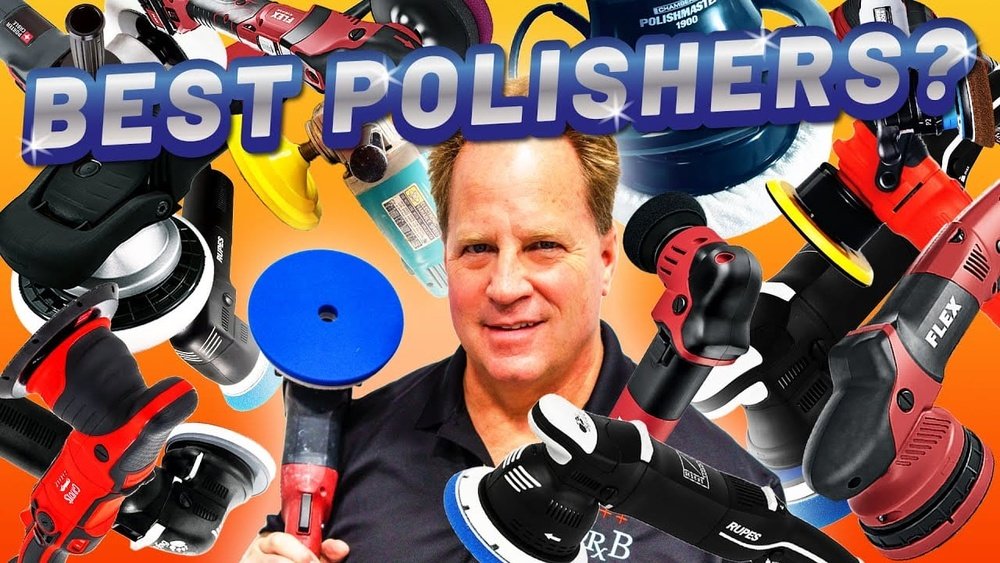
When it comes to keeping your car’s paint looking flawless, choosing the right polisher is crucial. You want a tool that not only brings out the shine but also protects your paint from damage.
So, which polisher should you use on your car’s paint? Whether you’re a beginner or looking to upgrade your detailing game, understanding the difference between rotary and dual action polishers can save you time, money, and frustration. You’ll discover which polisher fits your needs best, how each one works, and tips to get professional results without risking your paint’s finish.
Keep reading to find the perfect match for your car care routine!
Types Of Car Polishers
Choosing the right polisher for your car’s paint is important. Different polishers work best for different tasks. Knowing the types helps you pick the best tool for your needs.
Each polisher has unique features. Some are easier to use, while others offer more power. This section explains the main types of car polishers.
Rotary Polishers
Rotary polishers spin in a single circle at high speed. They are powerful and remove deep scratches quickly. These polishers require skill to avoid damaging the paint. Professionals often use rotary polishers for heavy correction work.
Dual Action Polishers
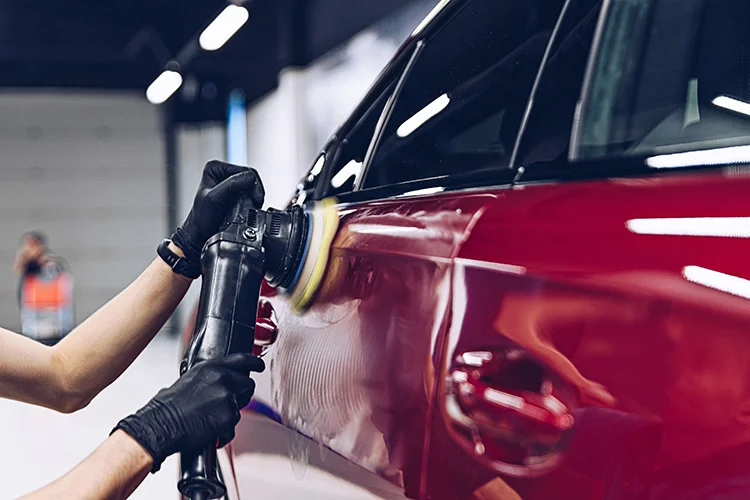
Dual action polishers move in two ways: spinning and oscillating. This motion reduces the risk of burning the paint. They are safer for beginners and hobbyists. Dual action polishers can handle most paint correction jobs well.
Orbital Polishers
Orbital polishers have a simple, random movement. They are gentle on paint and easy to control. These polishers work best for light polishing and waxing. Orbital polishers are great for regular maintenance and beginners.

Credit: bigsmobile.com
Rotary Polisher Features
The rotary polisher is a powerful tool widely used in car paint correction. It features a spinning pad that rotates in a single direction. This tool delivers high-speed polishing and cutting action. Many professionals rely on rotary polishers for their effectiveness in removing deep scratches and swirl marks.
Understanding the rotary polisher’s features helps you decide if it suits your car care needs. The tool’s design and operation influence its performance and the results you get on your vehicle’s paint.
Motion And Operation
A rotary polisher operates with a single spinning motion. The pad spins in a circular direction at high speed. This direct rotation gives strong cutting power. It removes paint defects quickly and efficiently. The tool requires steady handling to avoid burning the paint. Users must keep it moving constantly during use. The motion is simple but demands skill for safe operation.
Best Uses
Rotary polishers work best on heavily damaged paint. They fix deep scratches, oxidation, and severe swirl marks. Professionals use them for paint correction and restoration jobs. The tool is ideal for experienced users familiar with polishing techniques. It also suits those who want fast, effective results. For light polishing or delicate surfaces, other polishers may be safer.
Pros And Cons
Pros of rotary polishers include powerful cutting ability. They deliver fast results on tough paint problems. The tool is versatile for many paint correction tasks. It also allows control over polishing speed and pressure.
Cons include a higher risk of paint damage if misused. Beginners may find it hard to control the tool safely. The rotary motion can create heat, which may burn the paint. It requires practice to master proper technique. The tool is usually louder and heavier than other polishers.
Dual Action Polisher Features
The dual action polisher is a popular tool for car paint care. It blends power with control, making it a favorite for many car owners and detailers. This polisher offers features that help you achieve smooth, shiny finishes without much risk of paint damage. Understanding these features will help you decide if this tool fits your car care needs.
Motion And Operation
The dual action polisher moves in two ways at once. It spins in a circular motion and oscillates in an elliptical pattern. This combination reduces heat build-up on the paint. It also lowers the chance of creating swirl marks. The motion mimics hand polishing but with more power and speed. The tool is easy to control, even for beginners.
Best Uses
This polisher works well on light to moderate paint defects. It removes small scratches, oxidation, and swirl marks effectively. Use it for polishing and waxing your car’s surface. It is perfect for regular maintenance and restoring shine. The tool suits both beginners and experienced users. It is also good for detailing tight spots and curved surfaces.
Pros And Cons
One big advantage is its safety for paint. The dual action motion prevents paint burning and damage. It is easy to use and requires less skill than other polishers. The tool is versatile and works on many paint types. On the downside, it may take longer to fix deep scratches. It is less aggressive compared to rotary polishers. Some models can be heavy and tiring to hold for long.
Choosing The Right Polisher
Choosing the right polisher for your car’s paint is essential. It affects the quality of the finish and the health of the paint. Different polishers suit different needs. Knowing which one to pick helps you achieve better results. Consider your skill, the paint condition, and safety aspects before buying a polisher.
Skill Level Considerations
Beginners should start with a dual-action polisher. It is safer and easier to use. This type reduces the chance of damaging the paint. Experienced users may prefer rotary polishers for tough jobs. These offer more power but require skill to handle. Choose a polisher that matches your experience to avoid mistakes.
Type Of Paint Defects
Light scratches and swirl marks need a gentle polisher. A dual-action polisher works well here. Deep scratches and oxidation may need a rotary polisher. It removes defects faster but demands more care. Assess the paint defects to pick the right tool for correction.
Safety And Risk Factors
Polishers can cause damage if used wrongly. Dual-action polishers reduce heat build-up and paint burning. Rotary polishers generate more heat and can burn the paint. Always wear protective gear like gloves and goggles. Choose a polisher that minimizes risk for your safety and the car’s paint.
Polisher Sizes And Power
Choosing the right polisher size and power is crucial for car paint care. These factors influence how well the polisher works and how easy it is to handle. Understanding pad sizes and motor power helps pick the right tool for the job. This ensures better results and protects your car’s paint.
Pad Size Options
Polishers come with different pad sizes. Smaller pads, like 3 to 5 inches, are good for tight spaces and detailed work. Larger pads, around 6 to 8 inches, cover more surface quickly. Choose a pad size based on the area you want to polish. Smaller pads give more control. Bigger pads save time on large areas.
Motor Power Ratings
Motor power affects how well the polisher cuts and finishes paint. Power is usually measured in watts or amps. Higher power means the polisher can handle tougher jobs. Lower power models work for light polishing and quick touch-ups. Match motor power to the task. High power suits deep scratches and oxidation. Low power is fine for minor swirls and shine.
Impact On Results
Pad size and motor power change the polishing outcome. Large pads with strong motors remove defects faster. Small pads with less power give a smoother finish. Using the wrong size or power can cause uneven polish or damage. The right combination creates a glossy, even surface. It helps keep the paint safe and looking new.
Polishing Pads And Compounds
Choosing the right polishing pads and compounds is key for a perfect car paint finish. These tools work together to remove scratches, swirl marks, and oxidation. Using the correct combination helps protect the paint and enhances shine. Understanding the types of pads and compounds helps you select what fits your car’s paint best.
Types Of Pads
Polishing pads come in different materials and textures. Foam pads are soft and good for light polishing. Wool pads are more aggressive and remove deeper defects. Microfiber pads offer a balance of cutting and finishing. Each pad type suits different polishing needs and paint conditions.
Matching Pads With Polishers
Different polishers work best with certain pads. Dual-action polishers pair well with foam pads for safe polishing. Rotary polishers handle wool pads better for heavy correction. Matching pads and polishers ensures even pressure and prevents paint damage. This match improves polishing efficiency and results.
Choosing Compounds For Paint Types
Paint types vary in hardness and clear coat thickness. Softer paint needs gentle compounds to avoid damage. Harder paint can tolerate stronger compounds for deeper correction. Use fine polish for delicate finishes and heavy compound for rough surfaces. Picking the right compound protects your paint and improves shine.
Popular Polisher Brands
Choosing the right polisher brand can affect your car’s paint quality. Popular polisher brands offer various models for different needs. Some focus on affordability, while others provide professional-grade performance. Understanding these brands helps you pick the right tool for your car.
Budget-friendly Options
Budget-friendly polishers offer good performance at low prices. Brands like Harbor Freight and Walmart carry models under $100. These tools work well for beginners and occasional users. They are lightweight and simple to operate. Ideal for small scratches and light polishing jobs.
Professional Grade Tools
Professional polishers deliver higher power and precision. Brands such as Meguiar’s, Porter-Cable, and DeWalt are popular choices. These tools handle tougher paint correction tasks. They have variable speed settings for better control. Suitable for car enthusiasts and detailers.
Where To Buy
Popular polishers are available in many stores. Home Depot, Harbor Freight, and AutoZone stock a wide range. Online platforms like Amazon also offer many options. Check product reviews and compare prices before buying. Local stores allow hands-on testing before purchase.
Credit: www.cuttingedgeref.com
Maintenance And Care
Maintaining your car polisher is key to getting smooth and shiny paint results. Regular care keeps the machine working well and extends its life. Clean and store your polisher properly. Replace worn parts as needed to avoid damage to your car’s paint. Follow these simple steps to keep your polisher in top shape.
Cleaning Polishers
After each use, wipe the polisher with a clean cloth. Remove any polish or wax residue from the pads and body. Use a brush to clean hard-to-reach areas. Avoid water on electrical parts. Cleaning stops buildup that can harm the motor or reduce performance.
Replacing Parts
Check pads regularly for wear or damage. Replace them if they are torn or too soft. Inspect the power cord and plug for cracks or frays. Change brushes inside the motor if they show heavy wear. Using worn parts can cause poor polishing and damage the paint.
Storage Tips
Store the polisher in a dry, cool place away from dust. Keep it in its case or wrap it in a cloth to protect it. Avoid leaving the machine in direct sunlight or damp areas. Proper storage prevents rust and electrical issues, keeping your polisher ready for use.
Common Mistakes To Avoid
Choosing the right polisher is only part of the process. Avoiding common mistakes can save your car’s paint from damage. Many people rush or skip important steps. This leads to poor results or even harm to the paint. Pay attention to these key errors. They often cause the most problems during polishing.
Overheating Paint
Applying too much pressure can heat the paint surface. Heat breaks down the clear coat and damages the paint underneath. The paint may appear dull or develop swirl marks. Move the polisher steadily and do not stay too long in one spot. Let the machine do the work, not your force.
Using Wrong Pads
Polishing pads come in different types and strengths. Using a pad that is too aggressive can remove too much paint. A soft pad may not remove scratches or oxidation effectively. Match the pad to your polisher and the condition of your paint. Check the pad’s material and firmness before starting.
Skipping Prep Work
Cleaning the car before polishing is essential. Dirt and debris can cause scratches during polishing. Wash the car thoroughly and dry it well. Inspect the paint for damage or contaminants. Use clay bars or paint cleaners if needed. Proper prep work makes the polishing process safer and more effective.
Tips For Best Results
To get the best results from your car polisher, focus on technique, speed, and product layering. These tips help protect your paint and enhance shine. Use the right method to avoid damage and improve polish effectiveness.
Proper Technique
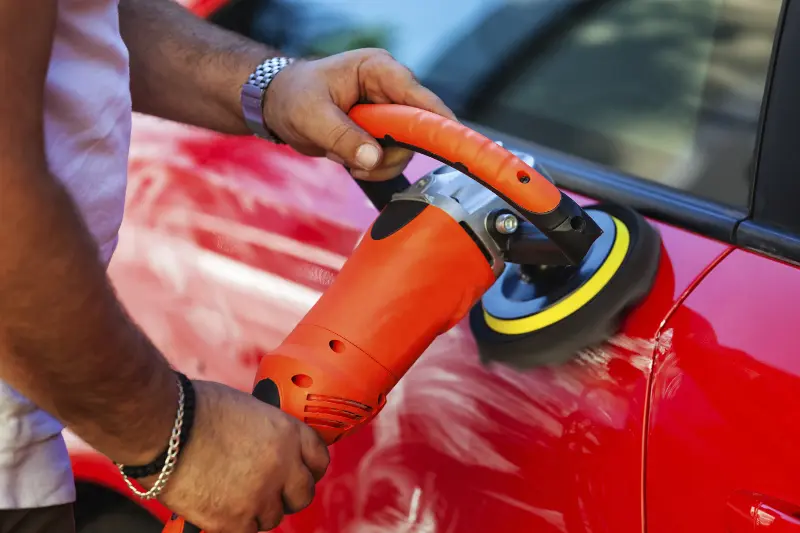
Hold the polisher flat against the paint. Move it in slow, overlapping circles. Avoid staying in one spot too long. Use light to moderate pressure. Let the machine do the work. Keep your movements steady and consistent.
Speed Settings
Start with a low speed to spread polish evenly. Increase speed for deeper polishing if needed. High speed can cause heat and damage. Adjust speed based on paint condition. Always test on a small area first.
Layering Polish
Apply polish in thin, even layers. Let each layer dry before adding another. Multiple thin layers work better than one thick layer. This method reduces swirl marks and improves gloss. Wipe off residue gently with a microfiber cloth.
Credit: www.carwash.com
Frequently Asked Questions
Is A Rotary Or Da Polisher Better?
A rotary polisher offers fast, deep correction but risks paint damage and needs skill. A DA polisher is safer, ideal for beginners and light defects. Use rotary for heavy correction and DA for finishing and general polishing.
What Is The Difference Between A Buffer And A Polisher?
A buffer smooths surfaces by spinning pads to remove minor imperfections. A polisher refines paint, enhancing shine and removing deeper defects. Buffers primarily focus on surface flattening, while polishers improve gloss and clarity through more precise abrasion. Both tools help maintain car paint but serve different detailing steps.
What Type Of Buffer Is Best For Cars?
A Dual Action (DA) buffer is best for cars. It offers safe, effective polishing with less heat and lower risk of paint damage.
What Is The Difference Between A Rotary And Orbital Polisher?
A rotary polisher spins on one axis, offering fast, deep correction but risks paint damage. An orbital polisher moves in dual actions, generating less heat, making it safer and better for beginners and light defects.
Conclusion
Choosing the right polisher depends on your skill and car’s paint condition. Rotary polishers work fast but need careful handling. Dual Action polishers suit beginners and reduce risk of paint damage. Always start with a less aggressive tool to protect your paint.
Remember, practice improves results. Take your time and enjoy the process. Your car’s shine will thank you.