You want your car windows to stay crystal clear and damage-free, right? But did you know that using ammonia-based cleaners could be silently harming your car’s glass?
If you’ve ever grabbed a popular glass cleaner thinking it was the best choice, you might be unknowingly risking scratches, tint damage, and even rubber seal deterioration. This isn’t just about looks—your safety and your car’s value are at stake.
Keep reading to discover why ammonia-based cleaners can damage your car windows and what safer, smarter alternatives you should use instead. Your car deserves better care, and you deserve to know the truth.
Credit: www.pandahub.com
Ammonia’s Chemical Impact
Ammonia’s chemical effects on car windows cause lasting damage. Ammonia is strong and reacts with many materials. This reaction harms glass surfaces and parts around the window. Understanding these effects helps protect your car’s windows and keep them clear and safe.
Car windows are not just glass. They include rubber seals and tint films. Ammonia impacts all these parts differently. Using ammonia-based cleaners often leads to problems like peeling, cracking, and cloudiness.
How Ammonia Reacts With Glass
Ammonia breaks down the glass surface over time. It can cause tiny scratches that reduce clarity. The cleaner’s harsh chemicals strip away protective coatings on the glass. This makes the glass dull and harder to clean later.
Repeated use can weaken the glass structure. This leads to small cracks and chips forming. These damages reduce visibility and may cause costly repairs.
Effects On Rubber Seals
Rubber seals keep water and air out of your car. Ammonia attacks these rubber parts quickly. It causes them to dry out and lose flexibility. Once dry, the seals crack and shrink.
Damaged seals let water inside the car. This leads to leaks and mold growth. The seals may also lose grip on the glass, causing rattling noises while driving.
Impact On Window Tint Adhesives
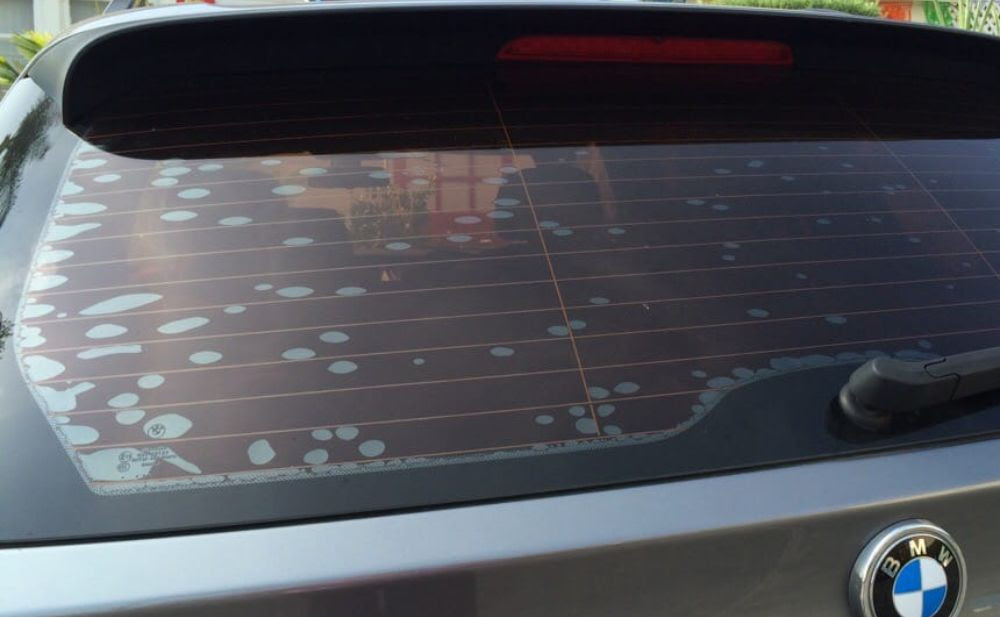
Window tints use special adhesives to stick to the glass. Ammonia weakens these adhesives fast. This causes the tint to bubble, peel, or lift from the window.
Peeling tint spoils the car’s look and reduces UV protection. Fixing or replacing the tint can be expensive. Avoid ammonia cleaners to keep tints intact and looking new.
Damage Symptoms On Car Windows
Ammonia-based cleaners can harm car windows in several visible ways. These damages often show up quickly and worsen with repeated use. Recognizing the signs helps protect your car’s glass and tint. Understanding the common damage symptoms keeps your windows clear and intact.
Peeling And Bubbling Tint
Ammonia can break down the adhesive in window tints. This causes the tint film to peel away from the glass. Small bubbles may form under the tint. These bubbles trap dirt and moisture, making the tint look old and damaged. Peeling and bubbling reduce the tint’s effectiveness and appearance.
Scratches And Cloudiness
Ammonia is harsh on the glass surface. It can cause tiny scratches that are hard to see at first. Over time, these scratches make the window look cloudy or hazy. Cloudiness affects visibility and driving safety. The rough texture also attracts more dust and grime.
Residue And Glare Issues
Cleaning with ammonia leaves a thin residue on windows. This residue causes glare when sunlight hits the glass. Glare makes driving uncomfortable and unsafe. It also makes the windows look dirty, even after cleaning. Residue buildup demands more frequent cleaning, which worsens damage.
Risks Of Using Ammonia Cleaners
Using ammonia-based cleaners on car windows comes with several risks. These cleaners may seem effective at first. Yet, they can cause serious problems for your vehicle and health over time. Understanding these risks helps you protect your car and yourself.
Health Hazards From Fumes
Ammonia releases strong fumes that can irritate your eyes and throat. Breathing these fumes may cause coughing and dizziness. People with asthma or allergies may experience worsened symptoms. Poor ventilation increases the risk of harmful exposure. Always avoid using ammonia cleaners in closed spaces.
Long-term Damage To Window Components
Ammonia can break down the rubber seals around car windows. This leads to cracks and leaks, allowing water inside the vehicle. Tinted windows are especially vulnerable. Ammonia may cause the tint to peel or fade. Over time, repeated use weakens glass edges, making them more prone to damage.
Impact On Vehicle Appearance And Value
Damaged seals and peeling tint hurt your car’s look. Cloudy or scratched windows reduce visibility and appeal. This lowers the vehicle’s resale value. Cleaners without ammonia protect your car’s finish better. Choosing safe products keeps your vehicle looking new longer.
Credit: streetsurvival.info
Safe Alternatives To Ammonia Cleaners
Choosing safe alternatives to ammonia-based cleaners protects your car windows. Ammonia can harm glass, rubber, and tint films. Gentle options clean effectively without damage. These choices keep your car looking clear and fresh.
Vinegar-based Solutions
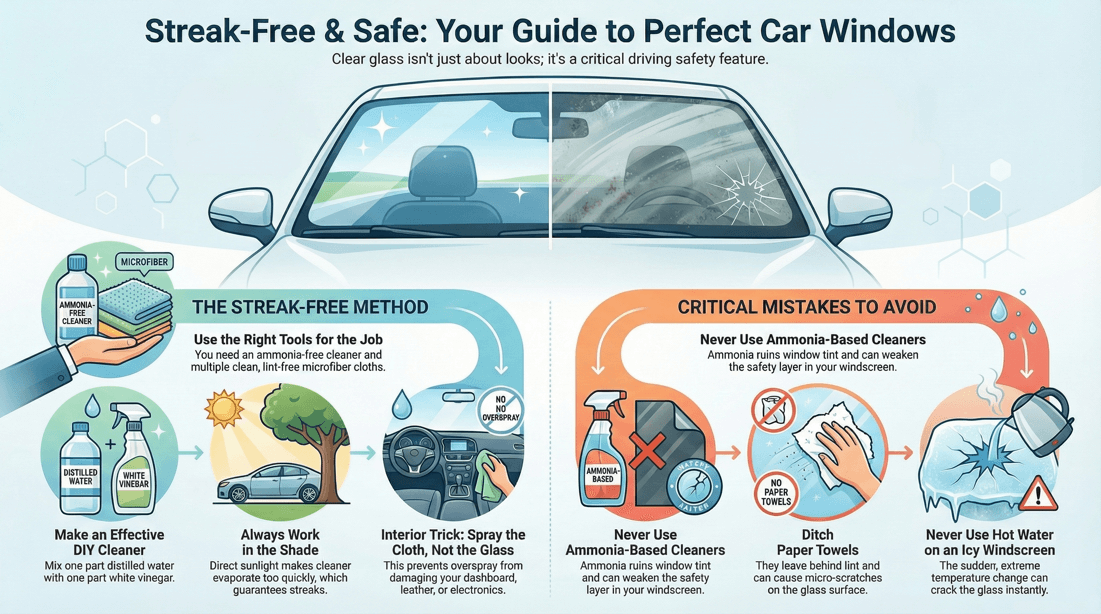
Vinegar mixes well with water to create a natural cleaner. It removes dirt and grime without harsh chemicals. Use a ratio of one part vinegar to two parts water. Spray on windows and wipe with a soft cloth. Vinegar is safe for tinted glass and rubber seals.
Ammonia-free Commercial Products
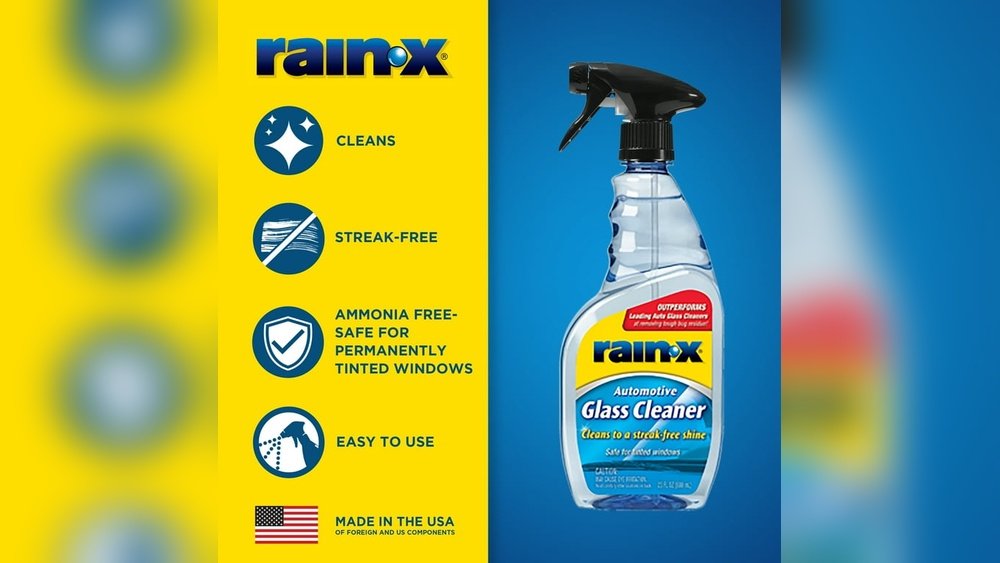
Many brands offer cleaners without ammonia for car windows. These products are designed to protect tint and rubber. Look for labels that say “ammonia-free” or “safe for automotive glass.” They clean well and avoid streaks or damage. Always follow the product instructions for best results.
Best Practices For Window Cleaning
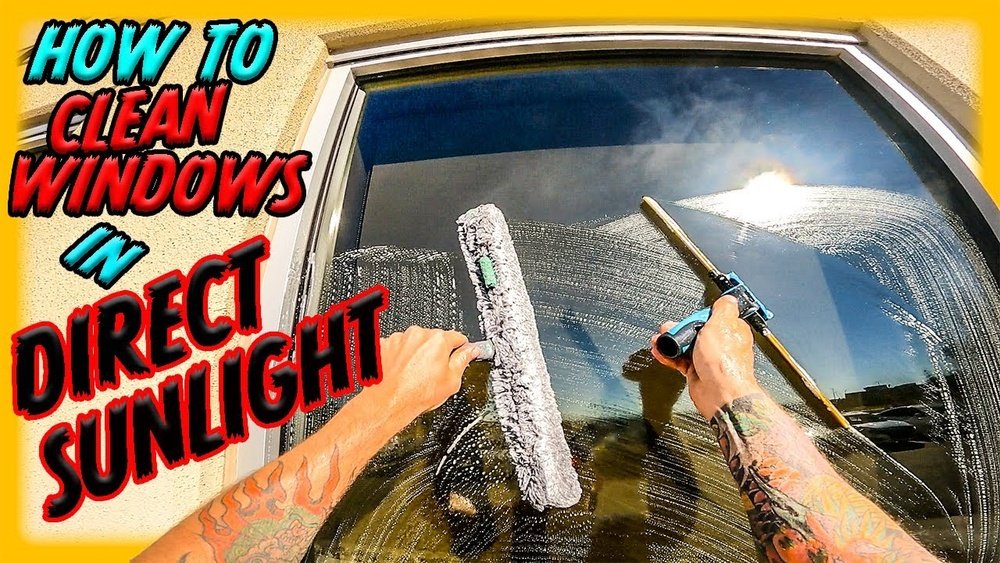
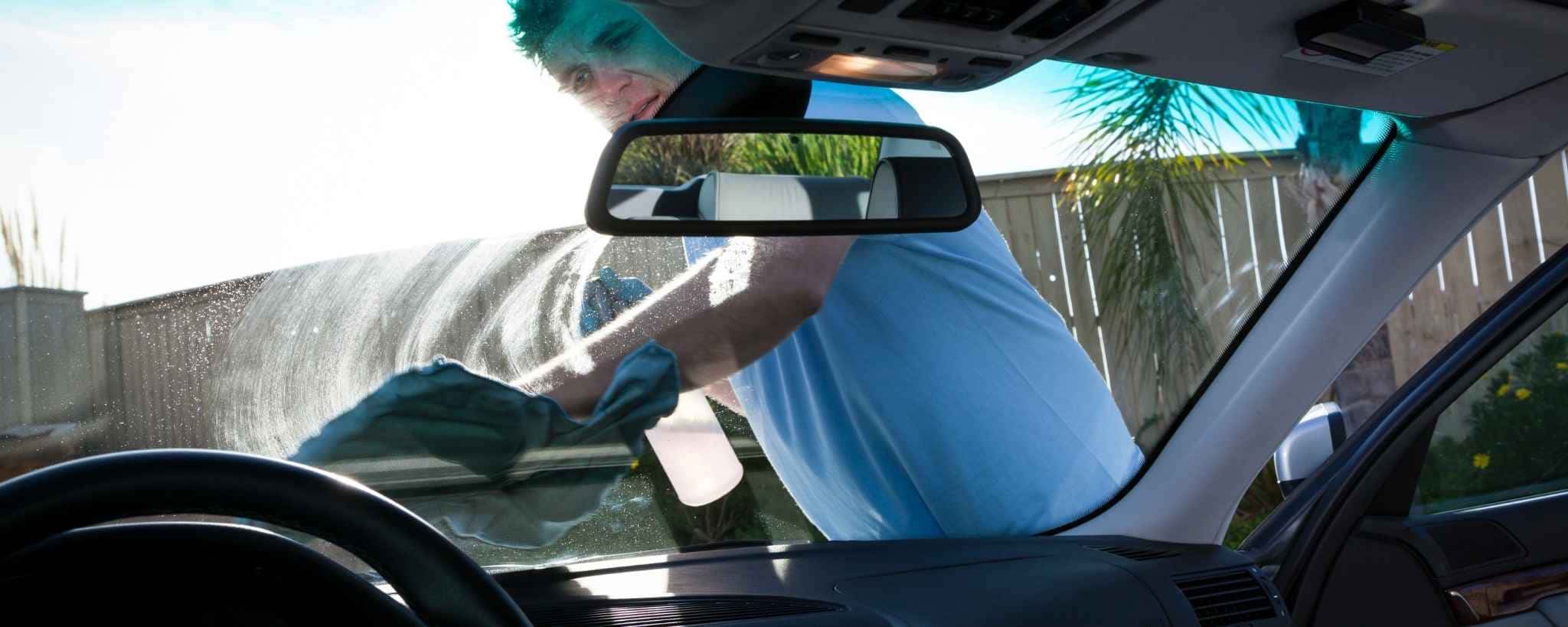
Use a clean microfiber cloth to avoid scratches. Avoid old rags or paper towels that leave lint behind. Clean windows in shaded areas to prevent streaks from sun heat. Spray cleaner on the cloth, not directly on glass, to control moisture. Regular cleaning maintains clear visibility and window health.
Tips For Maintaining Car Windows
Maintaining car windows is essential for clear vision and vehicle safety. Proper care keeps windows free from dirt, streaks, and damage. Using the right techniques and tools can extend the life of your car windows. Avoid harsh chemicals that harm glass and surrounding parts.
Choosing The Right Cleaning Cloths
Use soft, lint-free cloths for cleaning car windows. Microfiber cloths work best to avoid scratches and streaks. Avoid old rags or paper towels that leave fibers behind. Always use a clean cloth to prevent dirt from scratching the glass.
Regular Care For Tinted Windows
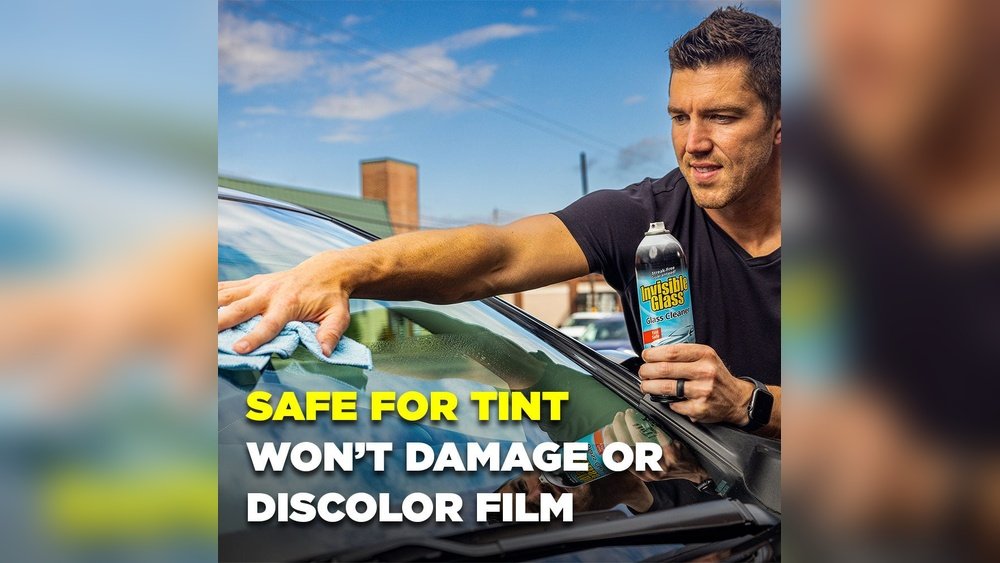
Tinted windows need gentle cleaning to protect the film. Avoid ammonia-based cleaners as they can peel or damage the tint. Use mild soap and water or special tint-safe cleaners. Dry tinted windows with a soft cloth to keep them clear and intact.
Protecting Rubber And Seal Integrity
Car windows have rubber seals that keep water out. Ammonia can dry and crack these seals over time. Clean seals with water and mild soap to keep them flexible. Regularly check seals for damage to prevent leaks and window problems.
Credit: www.pipsdetailing.com
Frequently Asked Questions
Is Ammonia Glass Cleaner Bad For Cars?
Ammonia glass cleaner can damage car windows, especially tinted ones. It may cause tint peeling, rubber deterioration, and harmful fumes inside cars. Use ammonia-free cleaners to protect your vehicle’s glass and trim safely.
Why Is Ammonia Bad For Windows?
Ammonia damages windows by weakening tint adhesive, causing peeling and scratches. It also harms rubber seals and emits harmful fumes. Avoid ammonia-based cleaners to protect window surfaces and maintain tint quality. Use safer alternatives for effective, damage-free cleaning.
Is It Better To Use Windex With Or Without Ammonia?
Using Windex without ammonia is generally better. It avoids damage to tinted windows and reduces harmful fumes.
Which Is Safer For Cleaning Glass, Vinegar Or Ammonia?
Vinegar is safer for cleaning glass than ammonia. It is less toxic, non-irritating, and won’t damage tinted or rubber surfaces.
Conclusion
Ammonia-based cleaners can harm your car windows and tint. They may cause peeling, scratches, and weaken rubber seals. Using safer alternatives protects your car’s glass and keeps it clear. Choose gentle, ammonia-free products for better care. Clean windows without risking damage or health issues.
Simple steps prevent costly repairs and maintain your car’s look. Protect your investment with careful cleaning choices.