If you’ve ever peeked under your car’s hood and been surprised by a layer of grease and grime, you’re not alone. Engines get greasy for several reasons, from tiny oil leaks to dirt sticking to oily surfaces.
But leaving that grease unchecked can cause problems down the road, affecting your car’s performance and lifespan. The good news? Cleaning your engine doesn’t have to be a mystery or a chore. You’ll discover exactly why your engine gets greasy and learn simple, step-by-step methods to clean it safely and effectively.
Keep reading, and you’ll soon have an engine bay that not only looks great but runs smoother too.
Credit: www.liqui-moly.com
Causes Of Engine Grease
Engine grease is a common issue that can affect vehicle performance and appearance. Understanding why engines get greasy helps in maintaining them properly. Grease forms due to various factors, from oil leaks to environmental conditions. Identifying these causes makes cleaning easier and more effective.
Oil Leaks And Seals
Oil leaks are the main reason engines become greasy. Worn-out seals or gaskets allow oil to escape. This oil mixes with dirt and dust, creating thick grease. Regular checks can spot leaks early and prevent grease build-up.
Road Dirt And Debris
Driving on dusty or muddy roads causes dirt to stick to oily engine parts. This dirt combines with engine fluids, forming a greasy layer. Road grime quickly accumulates, especially after long drives or bad weather.
Engine Sludge Build-up
Sludge forms when oil breaks down inside the engine. Poor oil changes or low-quality oil cause sludge. This thick, sticky substance clings to engine surfaces. Sludge traps dirt and grease, making the engine messy and less efficient.
Humidity And Moisture Effects
Humidity and moisture contribute to engine grease by mixing with oil and dirt. Water can cause oil to thin and spread more easily. Moisture also promotes rust and grime, adding to the greasy appearance. Keeping the engine dry helps reduce this problem.
Preparing The Engine For Cleaning
Preparing the engine for cleaning is a key step before applying any degreaser or water. This process helps avoid damage and ensures a thorough clean. Taking proper precautions protects your vehicle’s vital parts and makes cleaning easier.
Start by making sure the engine is cool. Hot engines can cause burns and make cleaning products evaporate too fast. Next, disconnect the battery to prevent electrical shorts. Covering sensitive parts keeps water and cleaners from causing harm.
Cooling Down The Engine
Wait at least 30 minutes after driving before cleaning. The engine should be cool to the touch. Cold engines help cleaners work better without drying too quickly. Avoid cleaning a hot engine to prevent damage and injury.
Disconnecting The Battery
Turn off the ignition and remove the key. Use a wrench to disconnect the negative battery terminal first. This stops any accidental sparks or shorts while cleaning. Keep the battery cables away from the terminals during the process.
Protecting Sensitive Components
Cover the alternator, fuse box, and exposed wiring with plastic bags. Secure these bags with rubber bands or bungee cords. Protect air intake openings and sensors from water and cleaner spray. This prevents corrosion and electrical problems.
Choosing Cleaning Products
Choosing the right cleaning products is key to removing grease from your engine safely. The engine has many delicate parts. Using harsh chemicals or wrong tools can cause damage. Picking effective and safe products ensures a clean engine without harm. This section covers types of degreasers, brushes, and protective covers.
Types Of Degreasers
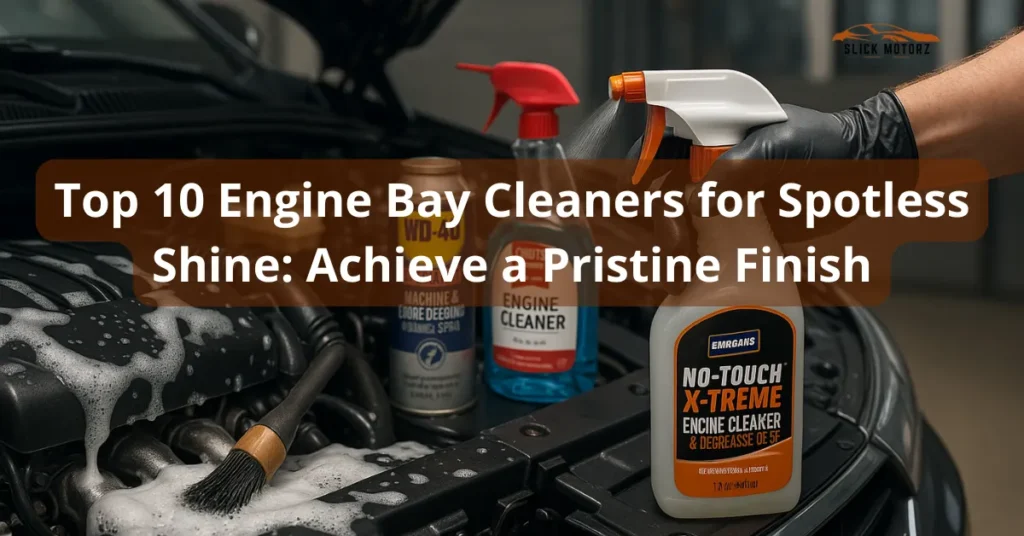
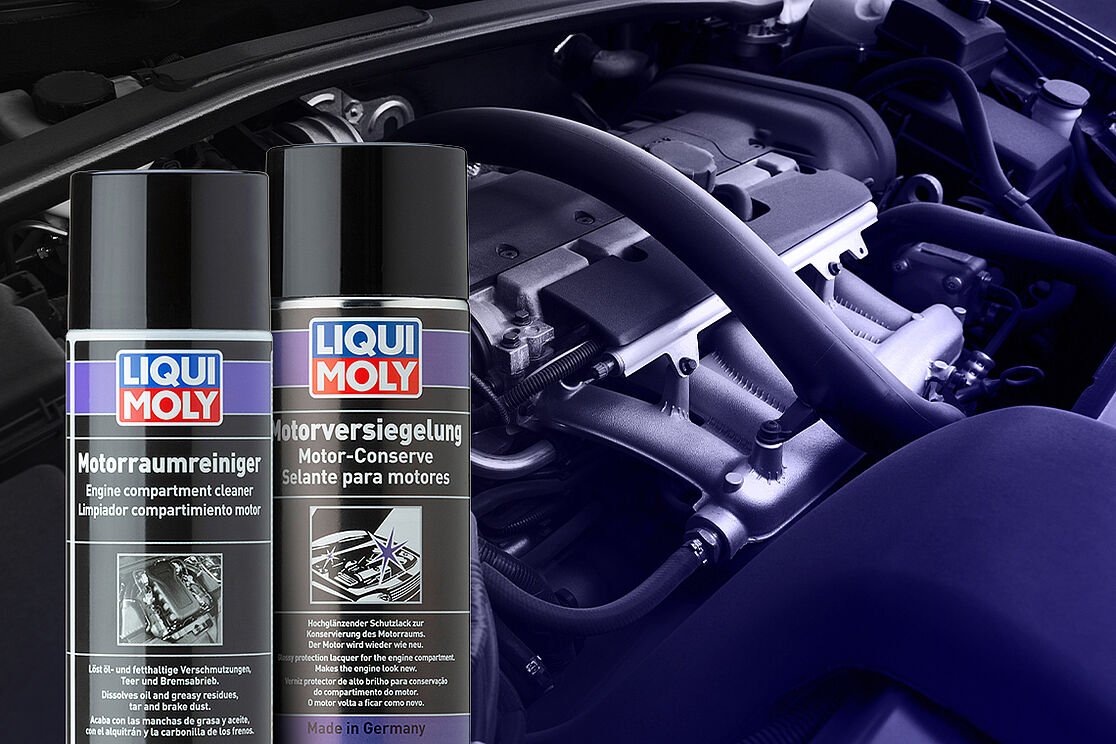
Water-based degreasers are gentle and eco-friendly. They break down grease without harsh chemicals. Citrus-based degreasers use natural oils from fruits. They are strong but safe on plastics and metals. Solvent-based degreasers work fast on heavy grease. Use them carefully, as they can harm some engine parts. Choose a degreaser based on your engine’s needs and sensitivity.
Recommended Brushes And Tools
Soft-bristle brushes reach tight spots without scratching. Long-handled brushes help clean deep areas easily. Detail brushes are perfect for small crevices and connectors. Microfiber cloths absorb grease and dirt well. Avoid metal brushes that can damage surfaces. Use tools that fit your engine’s layout for best results.
Protective Covers And Towels
Cover sensitive parts like the alternator and fuse box with plastic bags. Secure covers with rubber bands or bungee cords. Use microfiber towels to wipe off excess cleaner and moisture. Towels help prevent water from entering electrical components. Protecting these parts avoids short circuits and corrosion. Always have covers ready before starting the cleaning process.

Credit: www.reddit.com
Step-by-step Cleaning Process
Cleaning a greasy engine requires a clear, step-by-step approach. Following each stage carefully helps remove grime without damaging parts. The process involves applying degreaser, letting it soak, scrubbing the engine, and rinsing gently. This method restores the engine’s appearance and helps it run cooler.
Applying Degreaser Properly
Begin by spraying the degreaser evenly over the engine surface. Start from the bottom and work upward to avoid dirty streaks on cleaned areas. Use a water-based or citrus degreaser for safe and effective cleaning. Cover all greasy spots but avoid oversaturating sensitive electronics.
Soaking And Loosening Grime
Let the degreaser sit for 10 to 15 minutes to break down grease. This soaking time softens the grime, making it easier to remove. Avoid letting the degreaser dry out, as it will reduce its effectiveness. Keep the engine cool during this phase to prevent evaporation.
Scrubbing Techniques
Use brushes of various sizes to scrub all engine parts gently. Long-handled brushes help reach deep crevices. Focus on areas with stubborn grease or dirt buildup. Apply light pressure to avoid damaging hoses or wires. Repeat scrubbing if grime remains after the first pass.
Gentle Rinsing Methods
Rinse the engine with low-pressure water or a garden hose. High-pressure water can damage electrical components or force water into sensitive areas. Rinse from top to bottom to wash away loosened grime effectively. Dry the engine promptly with microfiber towels or compressed air to prevent rust.
Drying And Finishing Touches
After washing your engine, drying and finishing touches are crucial. These steps protect components and keep your engine looking great. Proper drying prevents moisture damage and corrosion. Finishing touches restore plastic and rubber parts. Follow each step carefully for the best results.
Removing Protective Covers
Start by carefully removing all plastic covers and bags. These protect sensitive parts during cleaning. Check that no water or cleaner pools under the covers. Removing them too soon can expose parts to water. Do this only after rinsing is complete and most water has drained away.
Thorough Drying Tips
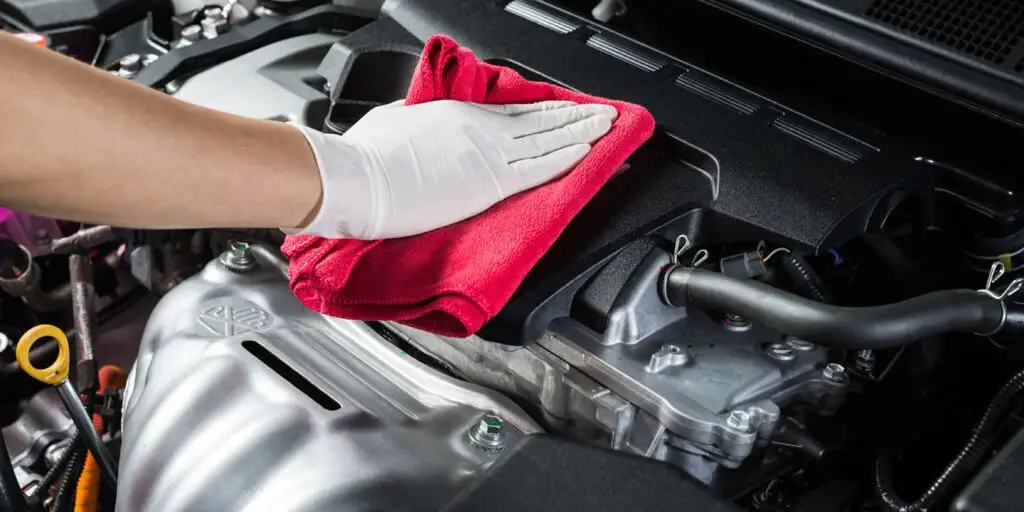
Use microfiber towels to soak up excess water. Towels reach tight spaces without scratching surfaces. A leaf blower or compressed air helps remove water from hard-to-reach areas. Avoid using high heat or direct sunlight to dry, as it may harm plastic parts. Patience is key. Ensure the engine is fully dry before moving on.
Applying Plastic And Rubber Protectants
Apply a plastic and rubber protectant to restore faded surfaces. Use a clean cloth to apply the product evenly. Protectants keep parts flexible and prevent cracking. They also add a nice shine that looks like new. Avoid spraying protectant on painted or metal parts, as it can cause slip hazards.
Reconnecting The Battery
Once the engine is dry and finished, reconnect the battery. Attach the negative terminal securely to avoid sparks. Double-check all connections and covers are back in place. Your engine is now clean, dry, and ready to run smoothly.
Safety Tips During Engine Cleaning
Cleaning a greasy engine improves performance and prevents damage. Safety during this process matters most. Protect yourself and your vehicle by following key safety tips. Use proper methods to avoid injury and costly repairs. Always prepare well before starting engine cleaning.
Avoiding Electrical Damage
Turn off the engine and let it cool completely. Disconnect the battery’s negative terminal to prevent sparks. Cover sensitive parts like the alternator, fuse box, and sensors with plastic bags. Secure covers with rubber bands or tape to keep water out. Avoid spraying high-pressure water directly on electrical components. Use a gentle spray or a damp cloth instead. Check connections before reconnecting the battery after cleaning.
Preventing Skin And Eye Irritation
Wear gloves to protect your hands from harsh chemicals. Use safety goggles to shield your eyes from splashes. Work in a well-ventilated area to avoid inhaling fumes. Avoid touching your face during cleaning to prevent irritation. Wash your hands thoroughly after finishing the job. Keep children and pets away from cleaning products and the work area.
Proper Disposal Of Cleaning Materials
Collect used rags and brushes after cleaning. Dispose of oily rags in a metal container to prevent fire risk. Do not pour engine degreasers or dirty water down drains or onto the ground. Take used cleaning solutions to a local hazardous waste disposal site. Follow local regulations for disposing of automotive waste. Keeping the environment safe protects your health and community.
Maintaining A Clean Engine Bay
Maintaining a clean engine bay helps your vehicle run better and last longer. Dirt and grease can build up and hide problems. A tidy engine bay also makes it easier to spot leaks or worn parts early. Clean engines look good and work more efficiently. Follow simple steps to keep your engine bay in top shape.
Regular Inspection
Check your engine bay often for dirt, oil, or grease. Spot any buildup before it becomes a big problem. Look for loose wires, cracked hoses, or worn seals. Early detection saves money and keeps your engine safe. Make inspection a part of your car care routine.
Timely Leak Repairs
Oil and coolant leaks cause greasy engine bays. Fix leaks quickly to stop grime from accumulating. Replace gaskets or seals at the first sign of a drip. Leaks can damage engine parts and reduce performance. A dry, clean engine bay means fewer repairs later.
Using Engine Dressings Periodically
Engine dressings protect rubber and plastic parts from cracking. Apply them after cleaning and drying your engine bay. Dressings keep hoses and belts flexible and looking new. Use only products made for engine bays to avoid damage. A well-dressed engine bay stays cleaner longer.
Credit: www.carwash.com
Frequently Asked Questions
What Is The Best Way To Clean A Greasy Engine?
Cool the engine and disconnect the battery. Cover sensitive parts with plastic. Apply engine degreaser bottom-up, scrub grime, rinse gently with low pressure. Dry thoroughly using microfiber towels and compressed air. Finish by applying a plastic and rubber protectant for shine and protection.
Why Is My Engine Greasy?
Your engine is greasy due to oil leaks, worn gaskets, or dirt mixing with oil. Regular maintenance prevents buildup.
What Do Mechanics Use To Clean Engines?
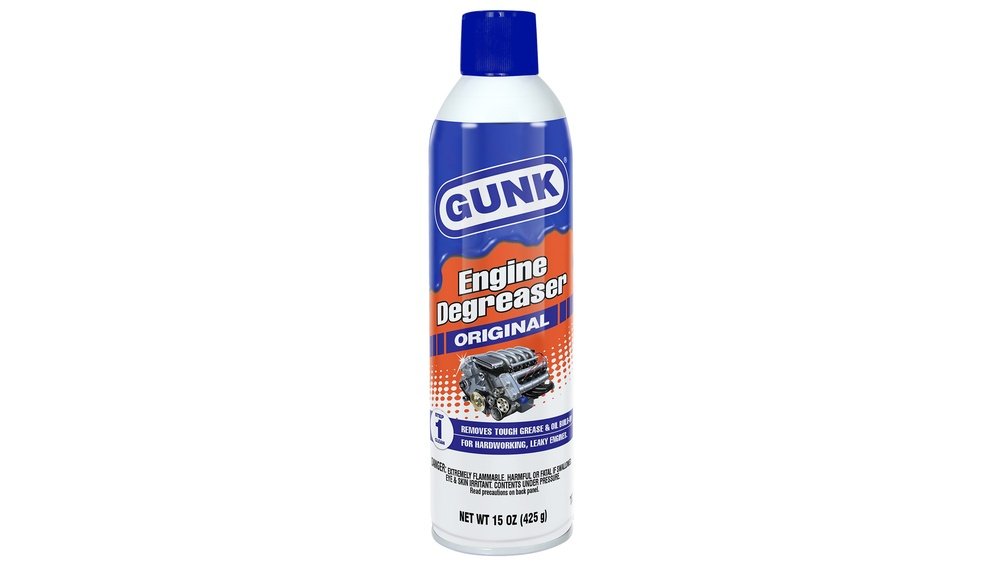
Mechanics use engine degreasers like GUNK or citrus-based cleaners. They scrub with brushes, rinse gently, and dry with microfiber towels or compressed air.
Can I Use Wd-40 To Degrease An Engine?
WD-40 can remove light grease but is not ideal for engine degreasing. Use a dedicated engine degreaser instead.
Conclusion
Engines get greasy from oil leaks, dirt, and road grime buildup. Cleaning them keeps your engine healthy and running well. Always prepare your engine by cooling it and covering sensitive parts. Use a proper degreaser and gentle scrubbing to remove grease safely.
Rinse with low pressure and dry fully to avoid damage. Regular cleaning prevents corrosion and improves your vehicle’s look. A clean engine helps spot issues early and extends engine life. Simple steps make a big difference in engine care. Keep your engine clean for better performance and peace of mind.