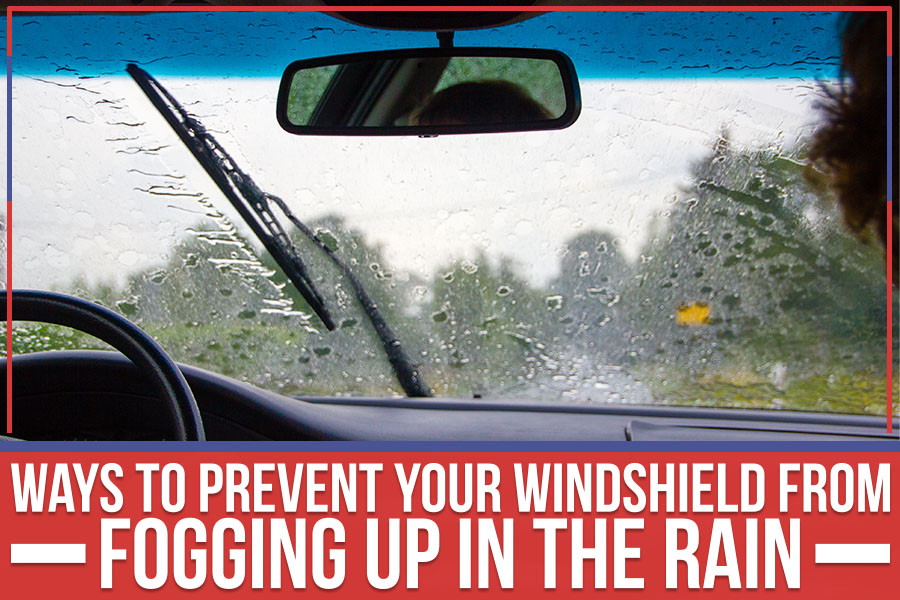
Have you ever been driving and suddenly found your windshield covered in fog, making it hard to see the road ahead? It’s frustrating, dangerous, and something every driver wants to avoid.
But why does this happen in the first place? Understanding why your windshield fogs up is the first step to stopping it from happening again. You’ll discover the simple reasons behind windshield fog and, more importantly, effective ways you can prevent it.
Keep reading to learn how to keep your view clear and your drives safer, no matter the weather.
Credit: www.feldmanclarkston.com
Causes Of Windshield Fogging
Windshield fogging can be frustrating and dangerous. Understanding why it happens helps you prevent it. Fog forms when moisture in the air meets a cold surface like your windshield. Several factors cause this moisture buildup inside your car. Knowing these causes is the first step to keeping your glass clear and safe while driving.
Temperature Differences
Fog appears because of temperature gaps between inside and outside the car. When warm air inside hits the cold windshield, moisture turns into tiny water droplets. These droplets stick to the glass, creating fog. The bigger the temperature difference, the faster the fog forms. On cold days, this problem becomes more common.
Humidity Levels Inside The Car
Humidity means how much moisture is in the air. Higher humidity inside your vehicle leads to more fog. Wet clothes, spilled drinks, or even breathing add moisture to the air. Without proper ventilation, this moisture stays trapped. It then condenses on the cold windshield, causing fog to form quickly.
Breath And Moisture Sources
Your breath is a major source of moisture inside the car. Each time you breathe, warm air filled with moisture enters the cabin. This moisture collects on cold surfaces like windows. Other moisture sources include wet shoes, umbrellas, and pets. All add to the humidity and increase fogging chances.
How Condensation Forms
Fog forms on windshields when warm, moist air meets the cold glass surface. This causes water droplets to gather and blur your view. Keeping air dry inside the car helps stop fog from building up.
Condensation on windshields happens when moisture in the air turns into water droplets on the glass. This usually occurs because the glass surface is cooler than the air inside the car. When warm, moist air touches the cold glass, it loses heat, and water vapor changes into liquid. This process creates the foggy layer that blocks your view.
Understanding why condensation forms helps in preventing it. Different factors like temperature, air movement, and the glass itself play important roles in this process.
Dew Point And Surface Cooling
The dew point is the temperature at which air becomes fully saturated with moisture. When the windshield temperature drops below this point, water vapor condenses on the glass. This is why cold windshields fog up quickly on humid days. The colder the glass surface, the easier it is for condensation to form.
Effect Of Air Circulation
Air circulation inside the car affects how moisture spreads. Poor airflow traps humid air near the windshield. This trapped moisture condenses more easily. Good ventilation lowers humidity levels and stops fog from building up. Using the car’s fan or opening windows helps to move moist air away.
Role Of Glass Surface
The glass surface affects how water droplets form and stick. Smooth glass allows water to spread evenly, creating a thin fog layer. Dirt or oils on the glass can cause uneven condensation and worsen fogging. Keeping the windshield clean helps reduce fog and improves visibility.
Common Mistakes That Increase Fogging
Fogging on windshields happens when moisture builds up inside your car. Some common mistakes make this problem worse. Avoiding these errors helps keep your windshield clear and improves driving safety.
Using Recirculated Air
Recirculated air traps moisture inside the car. It keeps humid air moving around without drying it out. This moisture settles on the windshield, causing fog. Fresh air from outside reduces humidity. Use fresh air mode to prevent fogging.
Leaving Wet Items Inside
Wet clothes or shoes add moisture to the car air. This moisture raises humidity levels inside the cabin. The extra humidity makes the windshield fog up faster. Always remove wet items or dry them outside the car. This simple step reduces fog build-up.
Ignoring Cabin Air Filters
Dirty cabin air filters reduce airflow and trap moisture. Poor airflow means humid air stays inside longer. This increases the chance of fog on the windshield. Regularly replace cabin air filters to keep air clean and dry. Clean filters improve air circulation and reduce fogging.
Easy Prevention Tips
Foggy windshields can block your view and create unsafe driving conditions. Stopping fog early makes your drive safer. Simple steps help prevent fog from forming inside your car. These easy tips keep your windshield clear and improve visibility.
Use Defogging Sprays
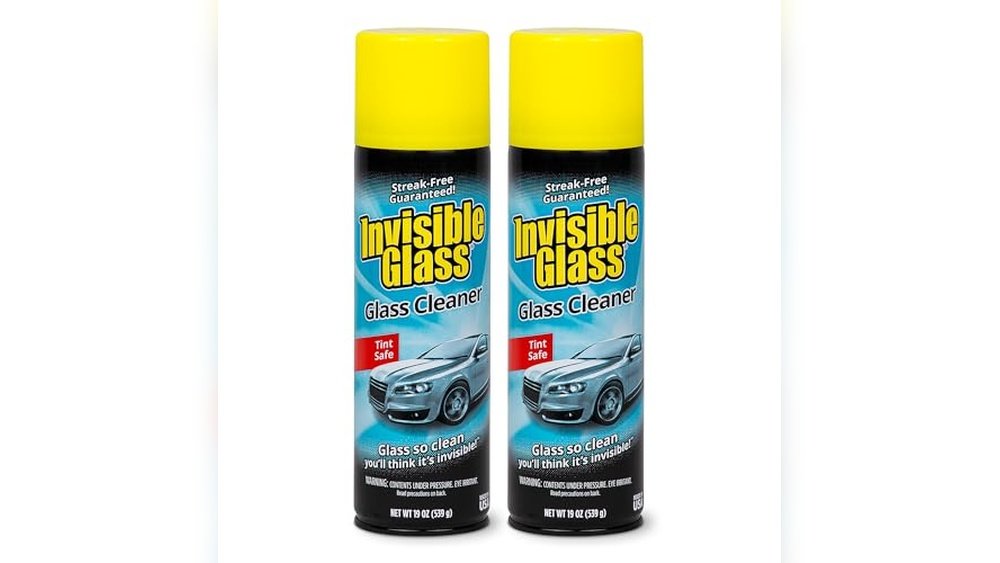
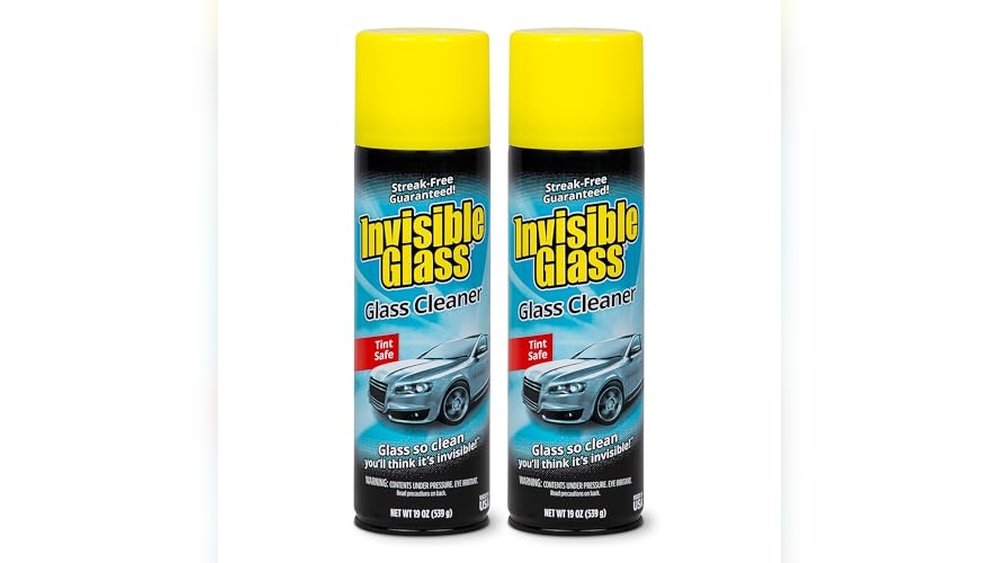
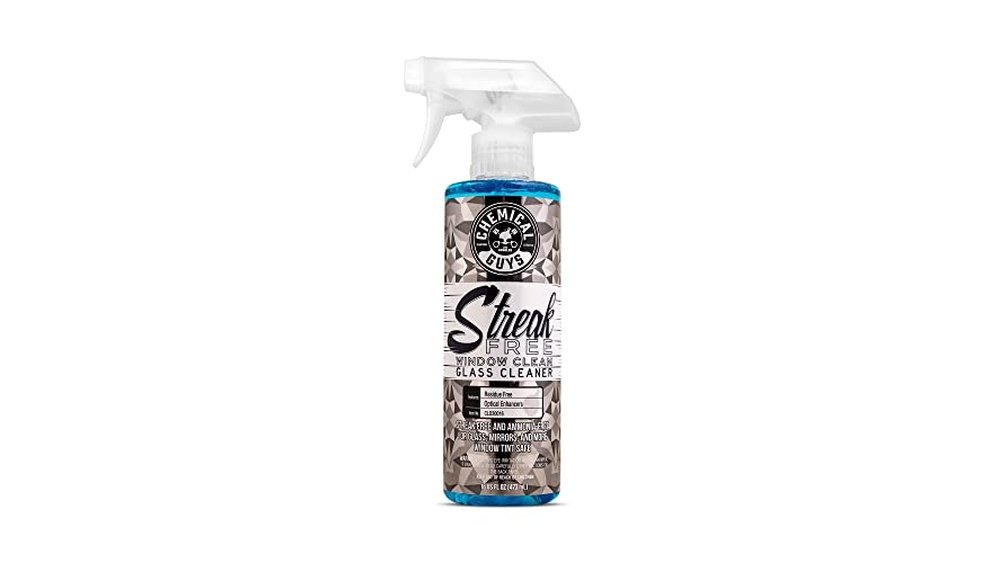
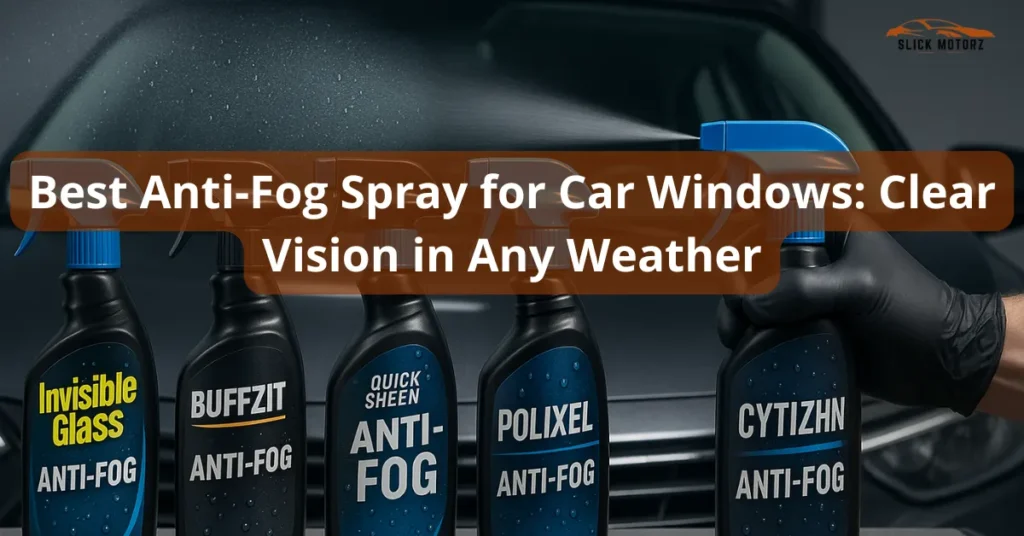
Defogging sprays reduce moisture on your windshield. They stop water droplets from spreading and forming fog. Apply the spray evenly on the inside glass. Wipe gently with a clean cloth for best results. These sprays work well in humid or cold weather.
Keep Windows Slightly Open
Cracking your windows lets fresh air enter the car. This reduces humidity inside the vehicle. Lower humidity means less chance of fog forming on glass. Even a small gap helps air flow and keeps windows clear. This method is simple and effective during cold days.
Turn On Air Conditioning
Air conditioning removes moisture from the air inside your car. Use the A/C along with the defrost setting for faster results. Cool, dry air clears fog quickly from the windshield. Running the air conditioner prevents moisture buildup and keeps glass clear.
Use A Clean Microfiber Cloth
Microfiber cloths absorb moisture without scratching glass. Use a clean cloth to wipe fog from the windshield. Avoid dirty or rough materials that can leave streaks. Keep a cloth handy in your car for quick fog removal. Clean glass helps maintain good visibility on the road.
Natural Remedies To Reduce Fog
Foggy windshields reduce visibility and make driving unsafe. Natural remedies can help reduce fog without chemicals or sprays. These simple solutions absorb moisture and keep your glass clear. They work by lowering humidity inside your car, which stops fog from forming.
Baking Soda As A Dehumidifier
Baking soda absorbs moisture from the air effectively. Place an open box or a small bowl of baking soda on your dashboard. It draws humidity away from the windshield surface. Replace the baking soda every few weeks for best results. This cheap and easy method helps keep your windows dry.
Charcoal Bags
Charcoal bags are natural moisture absorbers. They trap dampness and reduce fog inside your car. Put a few small charcoal bags near your windshield or under seats. These bags can be reused by drying them in the sun. Charcoal also helps remove odors, making your car fresh.
Silica Gel Packs
Silica gel packs absorb water vapor from the air quickly. You can find them in new shoe boxes or buy them online. Place several packs on the dashboard or near the windshield. Replace or recharge the packs regularly to keep them effective. Silica gel keeps your car’s air dry and fog-free.
Best Practices For Defogging Quickly
Foggy windshields block your view and create unsafe driving conditions. Clearing fog fast keeps you safe and comfortable. Use simple methods that work instantly to defog your windshield. Here are some effective steps to clear fog quickly.
Adjusting Climate Controls
Turn on your car’s defrost mode. Set the temperature to warm or hot to reduce moisture. Use the air conditioner to dry the air inside the car. Avoid recirculating air, as it traps humidity and slows defogging. Fresh air helps clear fog faster.
Directing Airflow To Windshield
Focus the air vents directly on the windshield. This directs warm, dry air to the glass surface. The airflow evaporates condensation quickly. Adjust the fan speed to medium or high for faster results. Keep the windows closed to prevent outside moisture from entering.
Removing Moisture From Interior
Use a clean cloth or microfiber towel to wipe the windshield. This removes excess moisture and speeds up defogging. Keep the interior dry by avoiding wet items inside the car. Use moisture absorbers or silica packs to reduce humidity. These steps help prevent fog from forming again.
Maintaining Clear Windshields Year-round
Keeping your windshield clear throughout the year improves driving safety. Foggy windshields reduce visibility and increase accident risk. Simple maintenance steps help prevent fog build-up and keep your glass clean. Consistent care protects your windshield from moisture and dirt. Follow these tips to maintain clear windshields in any season.
Regular Interior Cleaning
Dirt and dust inside the car attract moisture to the glass. Wiping the windshield interior often removes buildup that causes fog. Use a microfiber cloth and glass cleaner for best results. Clean windows reduce fog formation and improve visibility. Avoid greasy or scented cleaners that leave residues on glass.
Replacing Cabin Air Filters
Cabin air filters clean the air entering your car’s interior. Dirty filters reduce airflow and increase humidity inside the vehicle. Change air filters every 12,000 to 15,000 miles or as recommended. Fresh filters improve air circulation and lower moisture on windows. Proper airflow helps keep the windshield clear and fog-free.
Checking For Leaks
Leaks let water enter your car and increase interior humidity. Inspect door seals, sunroof, and windows for any water intrusion. Fix leaks promptly to avoid moisture buildup inside the vehicle. Dry interiors help prevent fogging and mold growth. Regular checks keep your car dry and windshield clear.
Credit: www.johnsonvolvocarsdurham.com
Credit: www.johnleemazda.com
Frequently Asked Questions
How Do I Keep My Windshield From Fogging Up?
Keep your windshield clear by using the defrost setting with AC on to dry air. Apply anti-fog sprays for extra protection. Ensure cabin ventilation to reduce humidity inside the car. Wipe the glass with a clean cloth if fog appears.
Avoid recirculating air to prevent moisture buildup.
Do Defogging Sprays Really Work?
Defogging sprays work by creating a thin film that prevents condensation from spreading. They reduce fog by dispersing water droplets for clearer windows.
How To Stop Glass From Fogging Up?
To stop glass from fogging, reduce humidity by using ventilation or a dehumidifier. Apply anti-fog sprays to create a moisture barrier. Keep glass clean and dry to prevent condensation buildup.
How Do I Restore My Windshield Clarity?
Clean the windshield with a glass cleaner. Apply an anti-fog spray or use a mixture of vinegar and water. Ensure proper ventilation to reduce humidity inside the car. Wipe with a microfiber cloth for best clarity. Repeat regularly to maintain a clear windshield.
Conclusion
Fog forms on windshields because warm, moist air meets cold glass. This creates tiny water droplets that block your view. Prevent fog by keeping the air inside your car dry and warm. Use your defroster and air conditioner wisely to reduce moisture.
Opening a window slightly can also help air circulate. Simple tools like anti-fog sprays or a small container of baking soda can absorb moisture. Staying aware and acting early keeps your windshield clear and driving safe. Clear glass means better visibility and safer trips every time.