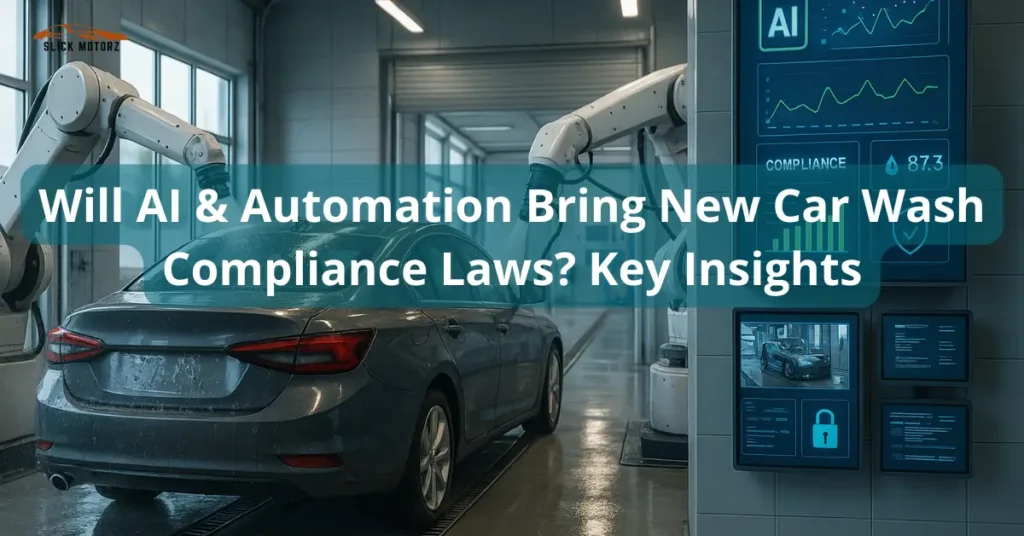
Are you ready for the future of car washing? With AI and automation transforming every industry, you might wonder how these technologies will affect car wash businesses—and more importantly, the rules they must follow.
Could new compliance laws be on the horizon because of AI-driven systems? If you own or manage a car wash, understanding these potential changes isn’t just smart—it’s essential for staying ahead and avoiding costly penalties. Keep reading to discover how AI and automation might reshape car wash compliance and what that means for your business.
Credit: smartdev.com
Ai Impact On Car Wash Industry
The car wash industry is seeing a clear shift with AI and automation entering daily operations. These technologies change how car washes run and keep up with rules. The impact of AI is not just about speed but also about smarter compliance and safer practices. Businesses face new challenges as laws evolve to cover these tech advances.
AI helps car wash operators manage tasks more precisely. It also supports better decision-making and reduces human error. As automation grows, expect new laws to focus on technology use and data handling. The industry must adapt quickly to stay lawful and efficient.
Automation Trends In Car Washes
Many car washes now use robotic arms and sensors to clean vehicles. These systems improve wash quality and reduce water waste. Touchless washes with AI detection adjust pressure and cleaning agents automatically. Self-service stations also use automation to speed up customer service.
Mobile car wash services adopt AI for route planning and appointment scheduling. This lowers fuel use and wait times. Sensors monitor equipment health to predict maintenance needs. These trends make car washing faster, cheaper, and greener.
Ai Applications In Car Wash Operations
AI tracks water and chemical usage to ensure compliance with environmental laws. Cameras analyze dirt levels to customize wash cycles. Payment systems use AI to detect fraud and speed transactions. Customer data helps create loyalty programs and personalized offers.
AI also helps with employee training by simulating scenarios. It manages inventory and orders supplies automatically. This reduces waste and saves money. Lawmakers may introduce rules on AI data privacy and safety in the near future.
Benefits Of Ai Integration
AI reduces human errors in car wash processes. It improves consistency, making every wash meet set standards. Businesses save labor costs and increase throughput. Energy and water use drop, supporting environmental compliance.
AI-driven insights help managers spot issues before they grow. This leads to safer operations and less downtime. Customers enjoy faster service and better quality. Overall, AI makes car washes more competitive and compliant with evolving laws.
Current Compliance Landscape
The current compliance landscape for car washes is shaped by various laws and standards. These rules aim to protect the environment and ensure customer safety. As automation and AI enter this space, understanding the existing framework is crucial. Operators must navigate complex regulations to stay lawful and competitive.
Existing Car Wash Regulations
Car wash businesses face rules about water use and waste disposal. Many cities require permits to control runoff and chemical discharge. These regulations limit how businesses handle water and cleaning agents. Operators must follow them strictly to avoid fines or shutdowns.
Local laws often set specific hours of operation and noise limits. These rules protect nearby residents from disturbances. Compliance means keeping operations within these set boundaries every day.
Environmental And Safety Standards
Environmental laws focus on reducing water pollution and chemical spills. Car washes must use systems to recycle water and treat wastewater. Using biodegradable detergents is encouraged or required in some areas.
Safety standards protect workers and customers. Proper training and equipment reduce accidents and injuries. Regular inspections ensure compliance with health and safety rules.
State Vs Federal Compliance Challenges
Federal laws provide broad guidelines for environmental protection. States often add stricter rules based on local needs. This creates a patchwork of regulations that can confuse operators.
Car wash businesses operating across states face challenges meeting all rules. They must track changes in laws and adjust practices accordingly. Automation and AI may help monitor compliance but also add new legal questions.
Potential New Compliance Laws
The rise of AI and automation in car washes may lead to new compliance laws. These laws will aim to regulate the use of smart technology in the industry. The goal is to ensure safety, fairness, and privacy for customers and businesses. Lawmakers must address unique challenges posed by AI and automation.
Understanding these potential laws helps car wash operators prepare for changes. Staying informed can avoid legal issues and promote smooth operations. Below are key areas where new compliance laws might emerge.
Ai-specific Regulatory Needs
AI systems in car washes need clear rules for use and limits. Regulations may require transparency about how AI controls the wash process. Standards could define acceptable AI behavior to prevent errors or harm. Laws might mandate regular testing and certification of AI tools. This ensures AI operates safely and reliably for customers.
Data Privacy And Security Concerns
AI collects data like images and payment details. New laws will likely protect customer data from misuse or theft. Regulations may require secure storage and strict access controls. Operators might need to inform customers about data collection practices. Compliance will help build trust and avoid privacy violations.
Liability And Accountability Issues
Automation raises questions about who is responsible for problems. New laws may clarify liability when AI causes damage or errors. Businesses might need to prove they followed safety standards. Clear accountability encourages better maintenance and oversight of AI systems. This protects consumers and ensures fair handling of disputes.
Challenges For Multi-state Operators
Operating car wash businesses across multiple states brings unique compliance challenges. Each state can have different laws on AI and automation in car washes. This variety makes it hard for operators to stay compliant everywhere. Understanding and managing these differences is crucial for smooth operations. Multi-state operators must plan carefully to avoid fines and legal issues.
Navigating Varied State Laws
States have diverse rules for AI and automation in car washes. Some require strict reporting on automated systems. Others focus on environmental impacts or water use. Operators need to study each state’s laws carefully. Missing one detail can lead to penalties or forced shutdowns. Keeping track of all state rules takes time and effort.
Adapting To Rapid Regulatory Changes
AI and automation laws are evolving quickly. New rules may appear as technology advances. Multi-state operators must stay updated on these changes. This means constant learning and adjustment. Failing to adapt can cause compliance gaps. Fast response helps avoid legal problems and keeps business running smoothly.
Ensuring Consistent Compliance
Consistency is key when managing compliance across states. Operators must create clear internal policies. Training staff to follow these policies is essential. Using technology can help monitor compliance in real time. Consistent compliance protects the business and builds trust with customers and regulators.
Ethical And Human Factors
Ethical and human factors play a vital role in shaping new car wash compliance laws influenced by AI and automation. These laws must consider not only technology but also the people affected by its use. Understanding these factors ensures fair and responsible implementation.
Ethics guide how AI systems should behave, while human insight helps catch what machines might miss. Balancing these elements prevents harm and supports trust in automated systems.
Role Of Human Oversight
Human oversight remains essential despite AI advancements. Machines can process data quickly but may lack context or empathy. Skilled professionals review AI decisions to ensure fairness and safety.
Humans also intervene when systems fail or face unexpected situations. Their judgment prevents errors that automated tools might overlook. Oversight acts as a safety net for compliance enforcement.
Balancing Automation With Judgment
Automation speeds up routine tasks in car wash compliance. It checks equipment, tracks water use, and monitors chemicals efficiently. Still, complex cases need human judgment to interpret results.
Judgment helps weigh risks and ethical concerns that AI cannot fully grasp. Combining automation with human insight creates a balanced approach. This mix improves decision quality and fairness.
Impact On Employment And Training
Automation changes the workforce in the car wash industry. Some jobs may decline, but new roles will emerge. Workers need training to handle advanced technology and compliance standards.
Upskilling helps employees adapt and stay relevant. Training programs focus on both technical skills and ethical awareness. This prepares staff for a future with AI-driven compliance systems.
Future Regulatory Trends
The rise of AI and automation is shaping new rules for car wash businesses. Regulators aim to keep pace with fast technology changes. Future laws will likely focus on safety, transparency, and data protection. Businesses must stay alert to these evolving requirements. Understanding upcoming regulatory trends helps car wash operators remain compliant and competitive.
Emerging Ai Compliance Frameworks
New AI compliance frameworks are under development worldwide. They focus on ensuring AI systems work fairly and safely. These frameworks guide how AI should behave in public settings. Car wash automation must meet these rules to avoid legal risks. Clear guidelines help businesses adopt AI without compromising customer trust.
Industry-led Standards And Best Practices
Industry groups are creating standards to support AI use in car washes. These standards promote best practices for AI operation and data handling. They help unify safety and quality expectations across the sector. Following these standards reduces compliance costs and builds customer confidence. Peer collaboration drives continuous improvement and responsible AI use.
Preparing For The Ai Act And Beyond
The AI Act will soon set binding rules for AI applications in many regions. Car wash operators using AI must prepare for stricter controls. This includes documenting AI decisions and ensuring system transparency. Early preparation reduces compliance headaches and avoids penalties. Staying informed on regulatory updates is essential for smooth adaptation.
Strategies For Compliance Readiness
Preparing for new car wash compliance laws requires clear strategies. Businesses must align AI and automation with legal demands early. This approach reduces risks and ensures smooth operations. Readiness means more than following rules; it means using technology smartly and staying connected with law makers.
Here are key strategies to help your car wash stay compliant and efficient.
Implementing Ai With Compliance In Mind
Choose AI tools that support regulatory requirements. Design AI processes to follow privacy and safety laws. Test systems regularly to avoid errors or breaches. Train staff to understand AI limits and compliance roles. Build transparency into AI decisions for easy audits.
Leveraging Technology For Monitoring
Use sensors and software to track environmental impact and water usage. Automate data collection to meet reporting standards faster. Set alerts for unusual activity or rule violations. Keep digital records organized for quick access. Technology helps catch issues before they become violations.
Engaging With Regulators And Stakeholders
Maintain open communication with regulators to stay updated. Share compliance plans and ask for feedback early. Join industry groups to learn about upcoming laws. Involve customers by explaining your compliance efforts. Collaboration builds trust and avoids surprises.
Credit: smartdev.com
Frequently Asked Questions
Will Ai Take Over Compliance?
AI will enhance compliance by automating routine tasks but cannot replace human judgment and ethical decision-making.
What Is The Future Of Car Wash?
The future of car wash lies in automation, AI-driven efficiency, eco-friendly solutions, and enhanced customer convenience. Technology boosts speed and consistency.
How Will Ai Change The Automotive Industry?
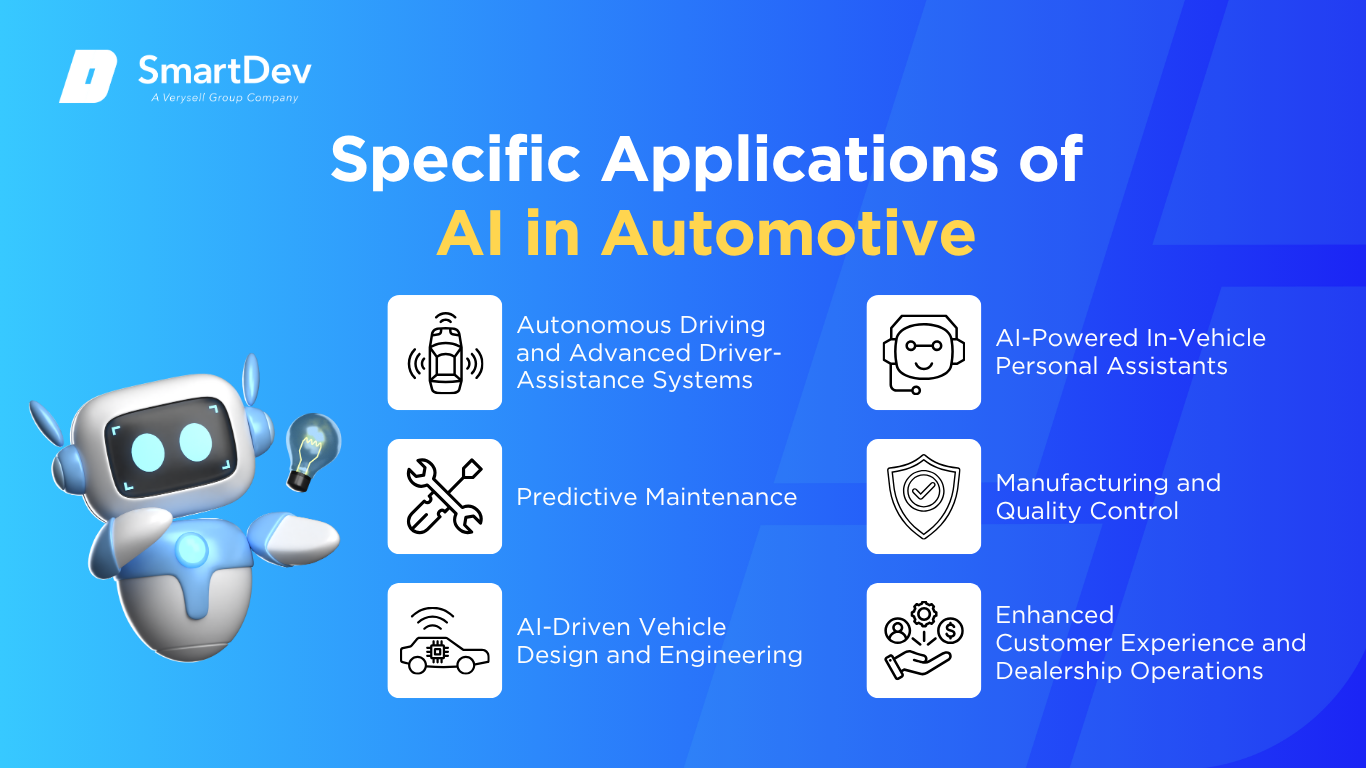
AI will revolutionize the automotive industry by enhancing vehicle automation, improving safety, optimizing manufacturing, and enabling smarter maintenance.
What Is The Car Wash Industry Trend In 2025?
The 2025 car wash industry trend focuses on AI-driven automation, eco-friendly solutions, and faster, contactless services. Operators prioritize efficiency and compliance.
Conclusion
AI and automation will likely lead to new car wash laws. These laws will focus on safety, data use, and environmental rules. Operators must stay updated to avoid fines and legal issues. Technology helps efficiency but cannot replace human oversight.
Car wash businesses should prepare for changes ahead. Staying informed ensures smooth operations and customer trust. The future of car wash compliance will balance innovation with responsibility.