Are you thinking about tinting your car windows but worried about the legal limits? Window tint laws can be confusing because they change from state to state.
What’s perfectly legal in one place might get you pulled over in another. Understanding your state’s specific rules is crucial to avoid fines and keep your car safe and stylish. You’ll discover the key details of window tint laws by state, including how dark your tint can be, which windows have restrictions, and how police check for violations.
Keep reading to make sure your tint stays within the legal limits wherever you drive.
Legal Limits By State
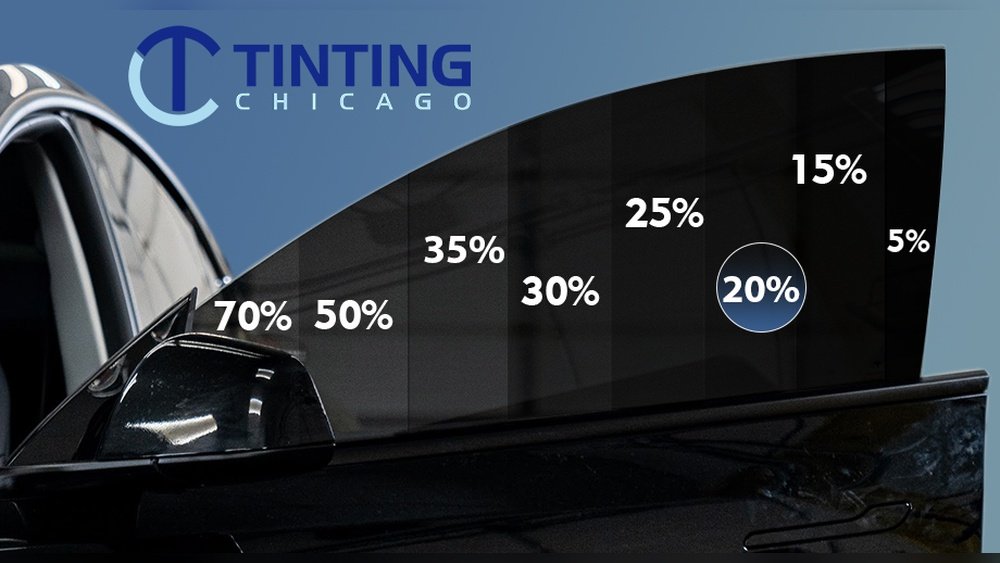
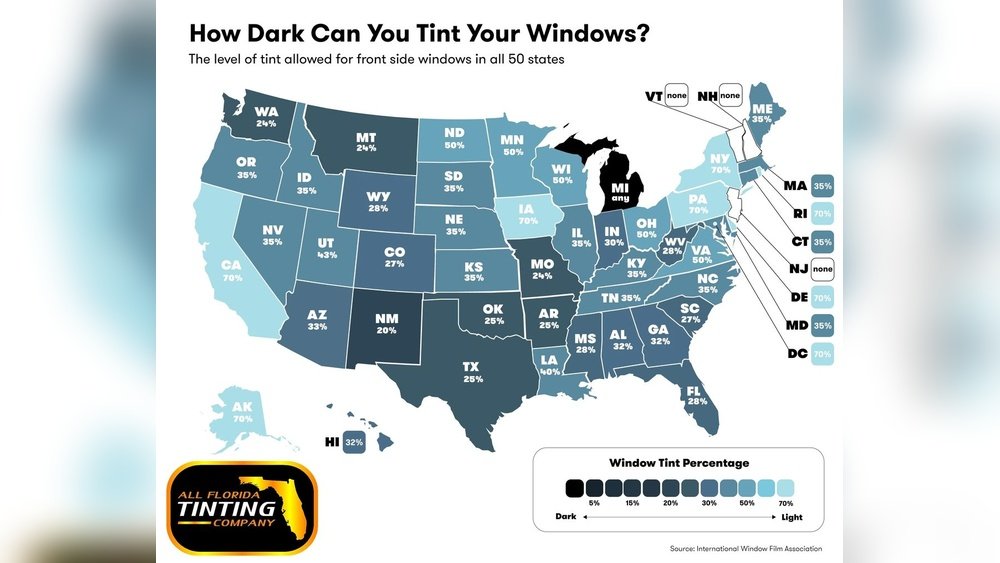
Each state in the U.S. sets its own rules for how dark window tint can be. These laws protect drivers, passengers, and law enforcement. Knowing the limits helps avoid fines and ensures safety. Tint darkness is measured by Visible Light Transmission (VLT), the amount of light allowed through the glass.
Below, we explore the darkest tint states, differences between front and rear window rules, specific VLT requirements, and recent changes in the laws.
Darkest Tint States
Some states allow very dark window tints. Arkansas, California, Delaware, Iowa, and Maine are among them. These states permit lower VLT percentages, meaning less light passes through. Darker tints offer more privacy and heat reduction. Drivers should check local rules before tinting.
Front Vs Rear Window Rules
Rules often differ between front and rear windows. Front windows usually have stricter limits to keep driver visibility clear. Rear windows tend to allow darker tints. Police officers need to see drivers’ eyes and hands through front windows. Rear windows have fewer restrictions for passenger privacy.
Vlt Percentage Requirements
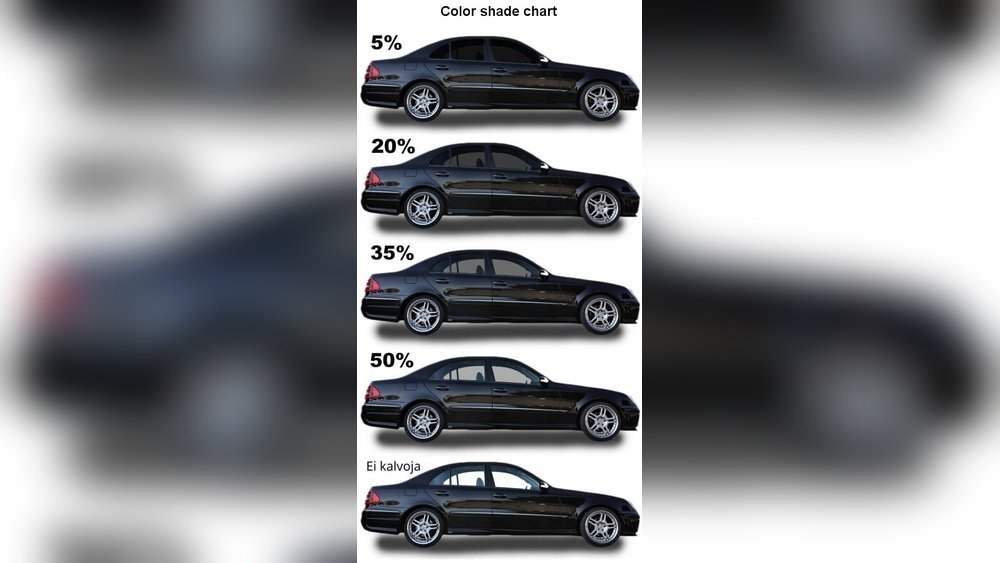
VLT is the key factor in tint laws. It shows how much light passes through the glass. States set minimum VLT percentages for each window type. For example, a state might require 70% VLT on front side windows. Rear windows might only need 25% VLT. Lower numbers mean darker tint.
Recent Law Changes
Many states update tint laws regularly. Some states have relaxed limits, while others made them stricter. Changes respond to safety studies and technology improvements. Drivers should check the latest laws before tinting their windows. Staying informed prevents tickets and fines.

Credit: www.reddit.com
Tint Measurement Methods
Understanding how tint levels are measured helps drivers follow state laws. Each state has rules about how dark your car windows can be. Law enforcement uses different methods to check if your window tint is legal. These methods focus on how much light can pass through the tinted glass. Knowing these methods can prepare you for a possible inspection.
Using A Tint Meter
A tint meter is a small device used by police officers. It measures the amount of light passing through your window. This measurement is called Visible Light Transmission (VLT). The meter shows a percentage of light allowed through the tint. If the percentage is below the state limit, the tint is too dark. Officers rely on this tool for precise and fair checks.
Flashlight Test
The flashlight test is a quick way to check window tint. An officer shines a flashlight through the window at night. The test shows how much light passes through the tint. If very little light gets through, the tint might be illegal. This test is less exact but useful for initial checks. It can help decide if a tint meter test is needed.
Visual Identification
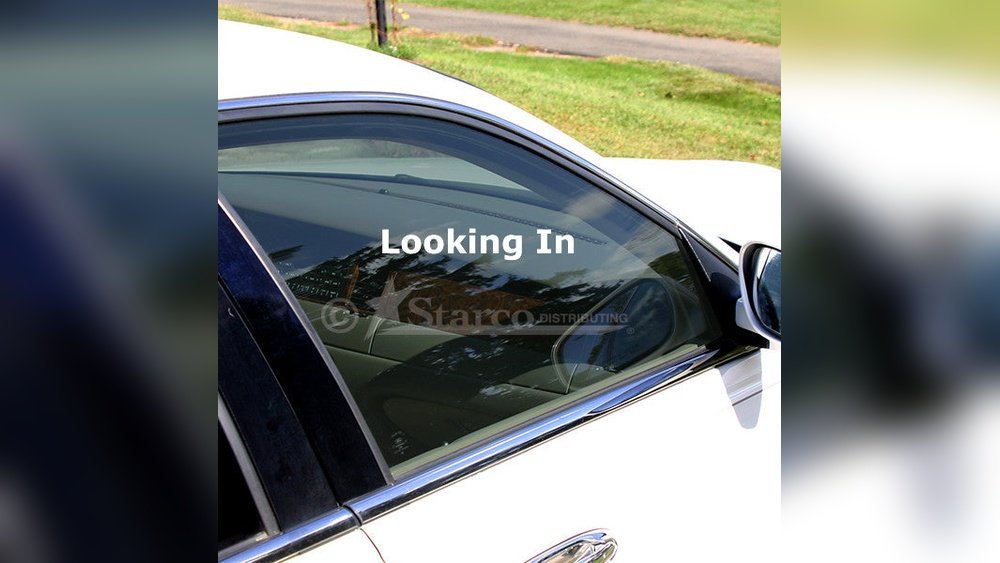
Visual identification means checking tint by sight alone. Officers look through the window to see inside the vehicle. If they cannot see the driver clearly, the tint may be too dark. This method is simple and fast but less accurate. It often leads to further testing with a tint meter. Visual checks help officers spot potential violations early.
Enforcement And Penalties
Enforcement of window tint laws varies by state but remains strict to ensure road safety. Police officers monitor tint darkness to maintain clear driver visibility and pedestrian safety. Penalties for violations can affect your driving record and wallet. Understanding enforcement and penalties helps drivers avoid trouble on the road.
Probable Cause For Stops
Officers need a reason to stop a vehicle for tint checks. Dark tint that blocks view inside raises suspicion. A quick glance or flashlight test may trigger a stop. Some states allow stops based solely on dark tint appearance. Others require more evidence, like impaired visibility of the driver’s face. Probable cause rules differ widely across states.
Common Violations
Too dark tint on front side windows is the most common issue. Rear window tint rules are usually more lenient. Reflective or mirrored tint often breaks laws. Tint on windshield beyond the allowed strip also causes violations. Non-compliant tint films that block infrared or UV light may be illegal in some states. Improper placement of tint labels can also lead to fines.
Fines And Consequences
Fines for tint violations vary by location and severity. First offenses usually bring a warning or small fine. Repeat violations often result in higher fines. Some states add court fees or require tint removal. Failure to comply can lead to vehicle impoundment or license points. In some cases, insurance rates may increase after tint law violations.
State-specific Highlights
Window tint laws vary greatly across the United States. Each state has its own rules about how dark or reflective your window tint can be. These laws protect drivers and passengers by ensuring enough visibility. They also help law enforcement see inside vehicles when needed. Understanding key state-specific rules can help you avoid fines and keep your vehicle legal.
Texas Tint Laws
Texas allows different tint levels on different windows. The front side windows must allow more than 25% of light. Rear side and back windows can be tinted darker. Reflective tint is not allowed on front side windows. Windshields can have tint only on the top few inches. Medical exemptions exist for certain health conditions.
California Restrictions
California requires front side windows to allow more than 70% of light. Rear side and back windows can be tinted darker. Reflective tint is limited on all windows. Windshields may only have tint on the top strip. The law focuses on driver visibility and safety for all road users.
Arkansas And Delaware Rules
Arkansas sets a 25% light transmission limit for front side windows. Rear windows can be darker with no specific limit. Delaware requires front side windows to allow 70% light. Rear windows have no limit on tint darkness. Both states restrict reflective and mirrored tints to prevent glare.
Other Notable States
Michigan requires front side windows to allow 35% light. Nevada allows 35% on front side windows and darker on rear. New Jersey requires 70% light on front side windows. Maine permits 35% light on front side windows. Each state balances safety with privacy and comfort for drivers.
Special Considerations
Special considerations affect window tint laws in many states. These rules vary and can change based on specific circumstances. Understanding these exceptions helps avoid fines and legal trouble. Some states allow different tint levels for medical reasons or specific tint types. Others have exemptions for certain vehicles or conditions. Knowing these details is important for compliance and safety.
Medical And Low-thc Cannabis Impact
Some states adjust tint laws for medical cannabis patients. Patients using low-THC cannabis may qualify for darker tints. This helps protect privacy during transport. Proof of medical use is often required. States differ on how they enforce these rules. Always check your state’s specific guidelines before applying darker tint.
Reflective And Colored Tints
Reflective and colored tints face stricter rules. Many states limit how much these tints can reflect light. Some ban certain colors altogether. Reflective tints can affect visibility and safety. Colored tints might interfere with law enforcement’s ability to see inside. Verify your state’s limits before choosing these tint types to stay legal.
Exemptions And Exceptions
Exemptions exist for various vehicles and conditions. Some states allow commercial trucks, emergency vehicles, or privacy glass to have darker tint. Medical exemptions may apply for people with eye conditions. Temporary permits are sometimes available for special cases. Always carry proper documentation for any exemption. Check local laws carefully to avoid penalties.

Credit: www.raynofilm.com
Tips For Compliance
Following window tint laws by state can be tricky. Each state has different rules on how dark or reflective your tint can be. Staying within legal limits helps avoid fines and keeps you safe on the road.
Here are some simple tips for compliance with window tint laws. These will help you keep your vehicle legal and avoid trouble with law enforcement.
Checking Your Tint Legality
Start by finding your state’s tint rules. Look for the allowed Visible Light Transmission (VLT) percentage. This number shows how much light must pass through your windows.
Use a tint meter to measure your window tint. Some police officers use these devices during traffic stops. Make sure your tint meets or exceeds the minimum VLT allowed.
Check each window separately. Front, back, and rear side windows often have different limits. Follow the strictest rule for each window.
Keeping Up With Updates
Window tint laws can change over time. States may update rules or add exceptions. Check your state’s Department of Motor Vehicles (DMV) website regularly.
Sign up for email alerts if available. This keeps you informed about any new tint regulations. Staying updated helps you avoid unintentional violations.
Follow local news or automotive forums. These sources often report legal changes quickly. Staying informed is key to legal compliance.
Choosing Legal Tint Films
Buy tint films that clearly state their VLT rating. Manufacturers usually list this on the product packaging. Choose films that match your state’s legal limits.
Look for films certified for automotive use. These are tested for safety and legality. Avoid cheap or uncertified films that may not comply with laws.
Consider professional installation. Experts know the rules and can help you pick the right tint. A proper installation ensures your tint stays within legal limits.

Credit: www.reddit.com
Frequently Asked Questions
What State Has The Darkest Tint Law?
Arizona has the darkest legal tint law, allowing front side windows with as low as 33% Visible Light Transmission (VLT). This means 67% of light can be blocked, the darkest limit permitted in the U. S. Other states have higher minimum VLT requirements.
What States Allow 5%?
States allowing 5% tint include Arkansas, California, Delaware, Iowa, Maine, Michigan, Missouri, Nevada, New Jersey, North Dakota, Ohio, Utah, and Vermont. These states permit very dark window tints with 5% Visible Light Transmission (VLT) on certain windows. Always check local laws for specifics.
Is 35% Or 20% Tint Darker?
A 20% tint is darker than a 35% tint because it allows less light to pass through.
How Do Cops Know If Your Tint Is Too Dark?
Cops use a handheld tint meter to measure light transmission through your windows. They also perform visual checks by shining flashlights or trying to identify the driver. If the tint blocks too much light or obscures the driver, officers may stop you for violating state tint laws.
Conclusion
Understanding window tint laws by state helps you stay legal and safe. Each state has unique rules about how dark your tint can be. Police use tools like tint meters to check if your tint breaks the law. Dark tints might look cool but can lead to fines or safety issues.
Always check your state’s current rules before tinting your windows. Keeping your tint legal avoids trouble and keeps your ride comfortable. Stay informed, drive safely, and respect the law wherever you go.