If you drive in Arizona, understanding the state’s window tint laws is crucial for staying safe and avoiding costly tickets. You might think tinting your car windows is just about style or comfort, but did you know that the wrong tint can actually get you pulled over?
Arizona has specific rules about how dark and what colors your window tint can be, especially on the front windows and windshield. Not following these rules could lead to fines, vehicle impoundment, or even higher insurance rates. You’ll learn exactly what the law says, how to stay compliant, and even how medical exemptions work if you need darker tint.
Keep reading to make sure your ride is both cool and legal.
Credit: notorioustint.com
Arizona Tint Limits
Arizona has specific rules about how dark and reflective your window tint can be. These rules protect drivers and law enforcement by keeping visibility clear. Understanding Arizona tint limits helps avoid fines and ensures your vehicle stays legal on the road.
Front Windshield Rules
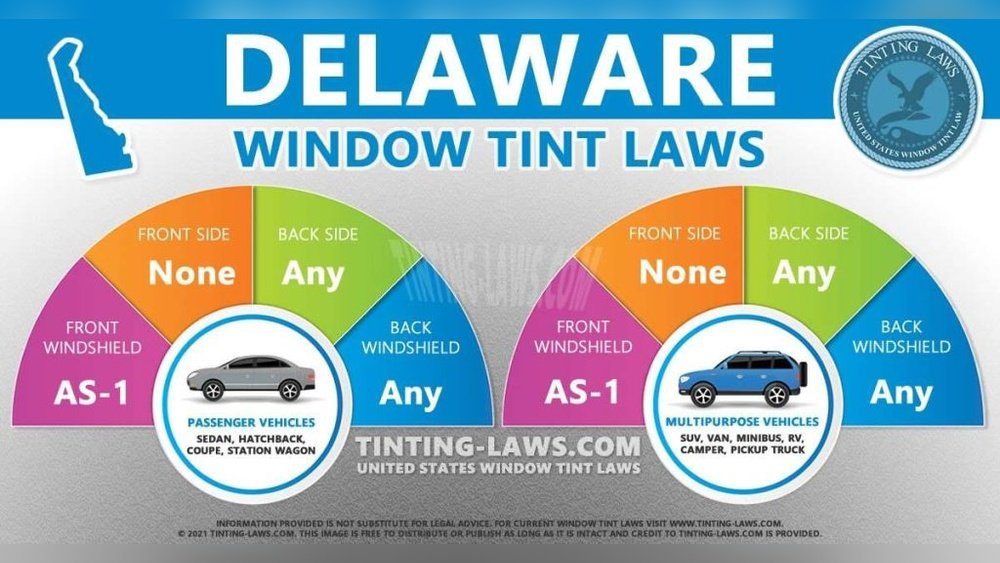
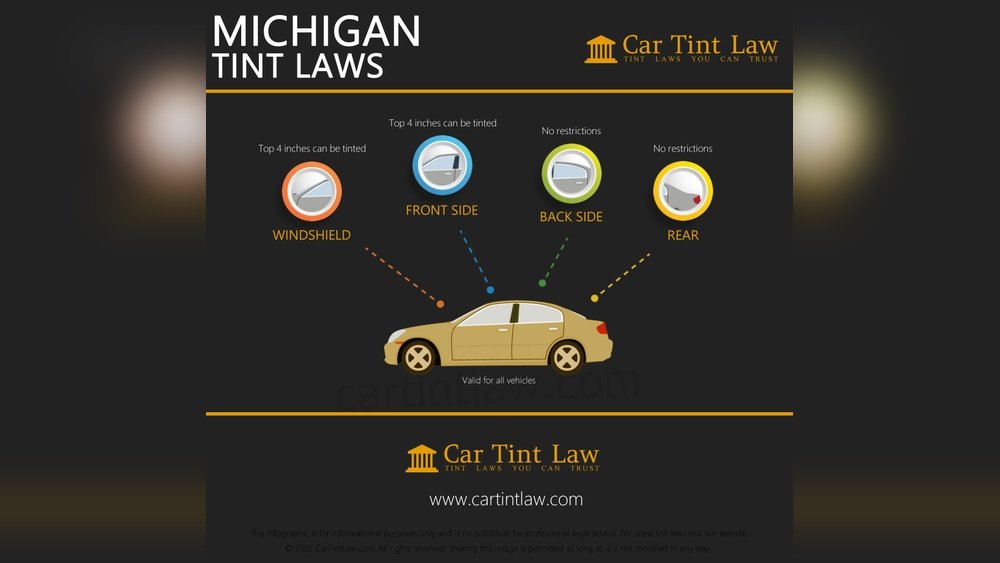
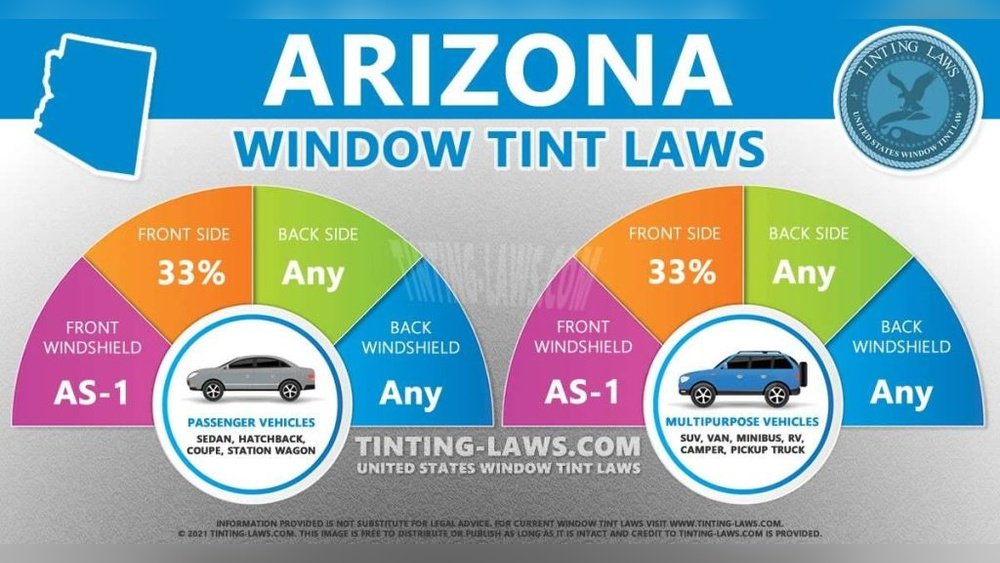
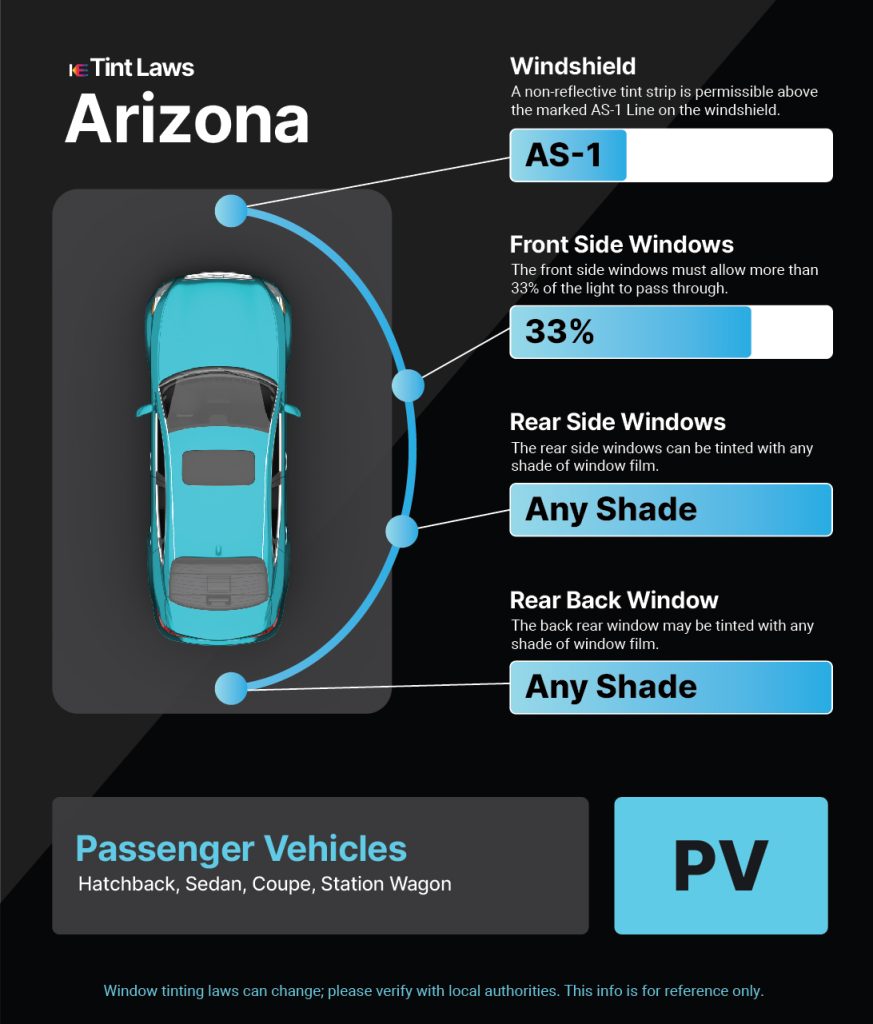
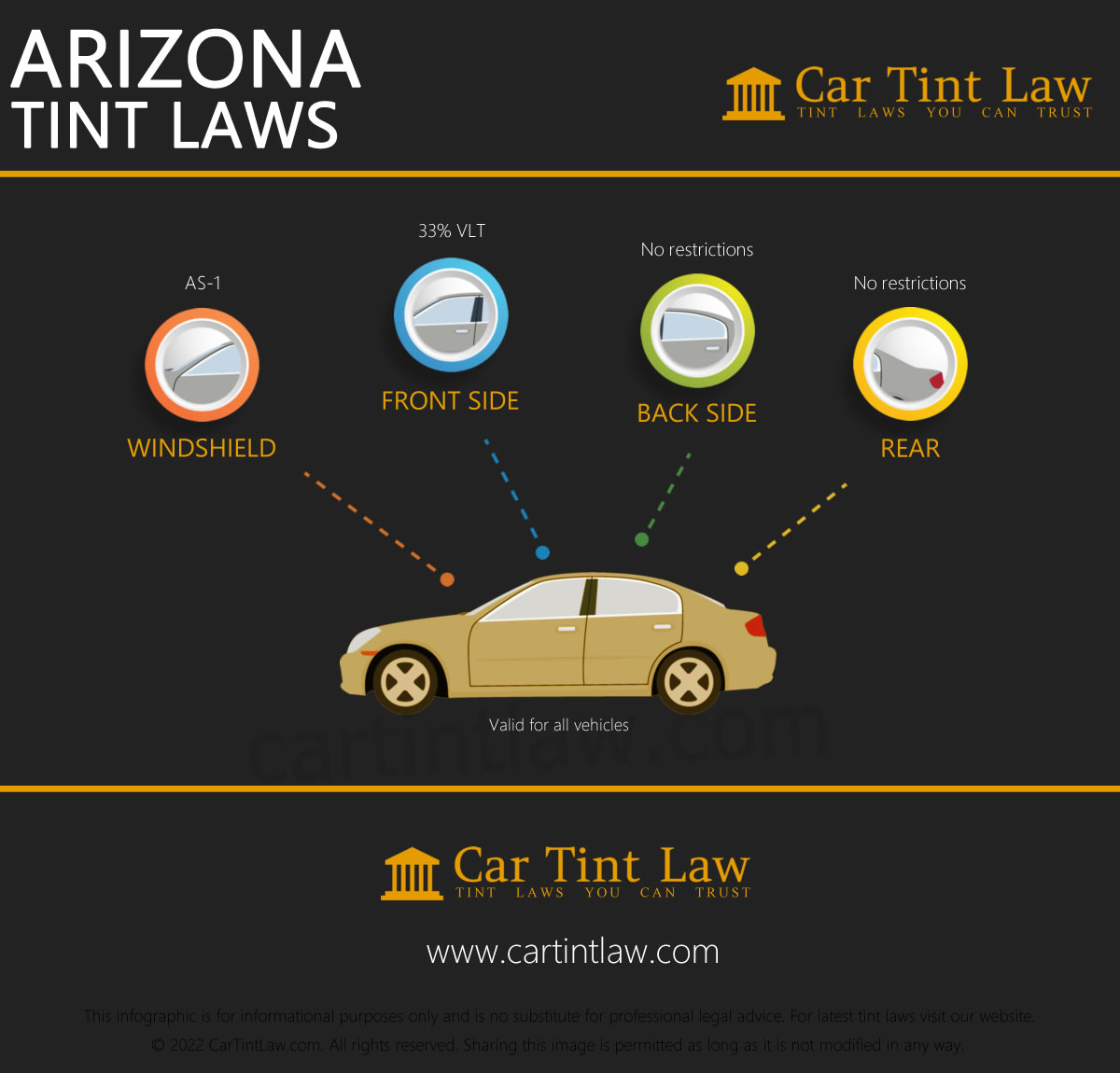
The front windshield can only have tint on the top few inches. This tinted strip is called the “AS-1 line.” The tint there must not block the driver’s view. Dark tint or full coverage on the front windshield is not allowed.
Front Side Window Limits
The front side windows must allow more light through than the back windows. Arizona law requires at least 33% Visible Light Transmission (VLT) on these windows. This means the tint can block up to 67% of light but no more. Darker tints on front side windows can lead to traffic stops.
Rear Side Windows And Back Windshield
The rear side windows and back windshield have fewer restrictions. You can have darker tint or even limo tint on these windows. The law lets you choose any darkness level for rear side and back windows. This flexibility helps with privacy and heat control.
Reflectivity Restrictions
Arizona also limits how shiny your tint can be. Reflective or mirrored tints are not allowed on any windows. This rule prevents glare that can distract other drivers. Your tint should not look like a mirror on the outside of your vehicle.
Medical Tint Exemptions
Arizona’s window tint laws include special rules for medical tint exemptions. These exemptions allow people with certain health issues to use darker tints than normally allowed. The state recognizes that some medical conditions require extra protection from sunlight. This section explains the eligibility criteria, application process, and required documentation for medical tint exemptions in Arizona.
Eligibility Criteria
To qualify for a medical tint exemption, you must have a diagnosed medical condition. Common conditions include light sensitivity and certain eye diseases. A licensed doctor must confirm that darker tinting is necessary. The tint must help protect your eyes or skin from harmful sunlight. Only vehicles you personally drive are eligible for this exemption.
Application Process
Start the process by getting a medical certification from your doctor. Complete the official Application for Window Tint Medical Exemption form. Submit the form along with the doctor’s statement to the Arizona Department of Transportation (ADOT). ADOT reviews your application and, if approved, issues a medical exemption certificate. Keep the certificate in your vehicle to show law enforcement if needed.
Required Documentation
You need a signed statement from a licensed medical doctor. This statement must describe your medical condition and explain why tint is necessary. Fill out the ADOT medical exemption application form fully and accurately. Include proof of vehicle ownership or registration. Submit all documents together to avoid delays in approval.
Enforcement And Penalties
Arizona strictly enforces its window tint laws to ensure driver safety and clear visibility on the road. Law enforcement officers regularly check vehicles for compliance with tint limits. Violations can lead to various penalties, ranging from warnings to fines and even vehicle impoundment. Understanding these enforcement measures helps drivers avoid trouble and stay safe.
Police Checks And Citations
Police officers can stop vehicles to inspect window tint at any time. They use special tools to measure the tint’s darkness. If the tint is too dark or not allowed, officers may issue a citation. This citation serves as an official notice of the violation. Being pulled over for illegal tint is common in Arizona.
Fix-it Tickets Explained
A fix-it ticket means you must correct the tint issue. After fixing, you return to court or a police station to show proof. This proof is usually a certificate from a tint shop. The goal is to prove your vehicle now meets Arizona’s tint laws. Fix-it tickets avoid bigger fines if handled quickly.
Potential Fines And Vehicle Impoundment
Fines for illegal window tint in Arizona can be costly. First-time offenders usually pay a fine and get a fix-it ticket. Repeat violations may result in higher fines and stricter penalties. In severe cases, the police can impound your vehicle. Impoundment happens if you refuse to fix the tint or keep breaking the law. Staying within legal tint limits prevents these harsh penalties.
Impact On Insurance
Window tint laws in Arizona do more than regulate the shade of your car’s windows. They also influence your car insurance. Insurance companies notice violations related to window tint. These violations can affect your insurance costs and your driving record. Understanding this impact helps you avoid extra expenses and keep your insurance in good standing.
Effect Of Tickets On Rates
Getting a ticket for illegal window tint can increase your insurance rates. Insurance companies see these tickets as a risk factor. They may raise your premiums because the violation suggests you could be careless. Even a small ticket can lead to higher insurance costs. Paying the fine does not always stop the rate increase.
Insurance providers use your driving record to decide your rates. A tint ticket adds a violation to that record. More violations mean higher chances of rate hikes. It is wise to fix illegal tint issues quickly. This action helps in avoiding further penalties or rate changes.
Insurance Record Implications
Tint tickets become part of your insurance record. This record shows your driving behavior over time. Tickets for illegal tint can stay on your record for years. They can affect your ability to get discounts or better insurance offers. Some insurance companies may even refuse coverage.
Maintaining a clean record is important for low insurance costs. Avoiding illegal window tint tickets helps keep your record clean. If you have medical reasons for dark tint, make sure to have proper documentation. This documentation can protect you from record penalties.
Compliance Tips
Following Arizona’s window tint laws keeps you safe and avoids fines. Knowing how to comply helps you drive worry-free. Here are simple tips to keep your tint legal and pass inspections.
Getting Tint Inspected
Take your vehicle to an authorized tint inspector. They measure the Visible Light Transmission (VLT) on your windows. Arizona requires at least 33% VLT on front side windows. The back and rear windows have different rules. Getting a professional check avoids surprises during police stops.
Correcting Illegal Tint
If your tint is too dark, remove or replace it quickly. Many shops offer tint removal services. Avoid peeling the film yourself to prevent window damage. Once corrected, get a new inspection report. Carry this proof in your vehicle to show officers if stopped.
Avoiding Future Violations
Choose tint films that meet Arizona’s legal limits from the start. Keep a copy of your tint compliance certificate. Stay updated on any law changes. Regularly inspect your tint for wear or damage. Proper maintenance helps you stay within the law and avoid costly tickets.

Credit: tintwiz.com
Credit: www.cartintlaw.com
Frequently Asked Questions
Can You Get Pulled Over For Tint In Az?
Arizona law enforcement can pull you over for illegal window tint. Dark or restricted tints on front side windows often cause stops. Medical exemptions exist for darker tints with proper documentation. Always follow Arizona’s tint limits to avoid fines and penalties.
Is 20% Tint Darker Than 35?
Yes, 20% tint is darker than 35%. Lower numbers mean less light passes through, creating a darker shade.
How Much Is A Tint Ticket In Az?
A tint ticket in Arizona typically costs around $150. Fines may increase for repeat offenses or illegal tint levels.
What Are Arizona’s Legal Window Tint Limits?
Arizona law requires front side windows to allow at least 33% visible light transmission. Rear side and back windows can have any darkness, but red or amber tints are prohibited. Windshields may only have tint on the top few inches.
Conclusion
Arizona’s window tint laws protect drivers and passengers. Staying within legal limits helps avoid fines and penalties. Dark tints on front side windows can lead to traffic stops. Medical exemptions allow darker tint for certain health needs. Illegal tint tickets may increase insurance costs.
Always check local rules before tinting your vehicle. Following Arizona’s tint laws keeps you safe on the road. Remember, clear visibility matters for everyone’s safety. Stay informed and drive responsibly.