If you’re thinking about tinting your car windows in California, you need to know the rules before you get started. Window tint laws in California are strict, and not following them can cost you more than just money—it can affect your safety and driving record.
You might wonder how dark your tint can be, which windows you can tint, or if there are any exceptions for medical reasons. This guide will clear up the confusion and help you stay legal on the road, so you can enjoy the benefits of window tint without worries.
Keep reading to find out exactly what you need to know to protect yourself and your vehicle.
Tint Darkness Limits
California has clear rules about how dark window tint can be. These rules protect drivers and officers by keeping visibility safe. The state sets different limits for each window type on your car. Understanding these rules helps you avoid fines and keep your vehicle legal.
Windshield Tint Rules
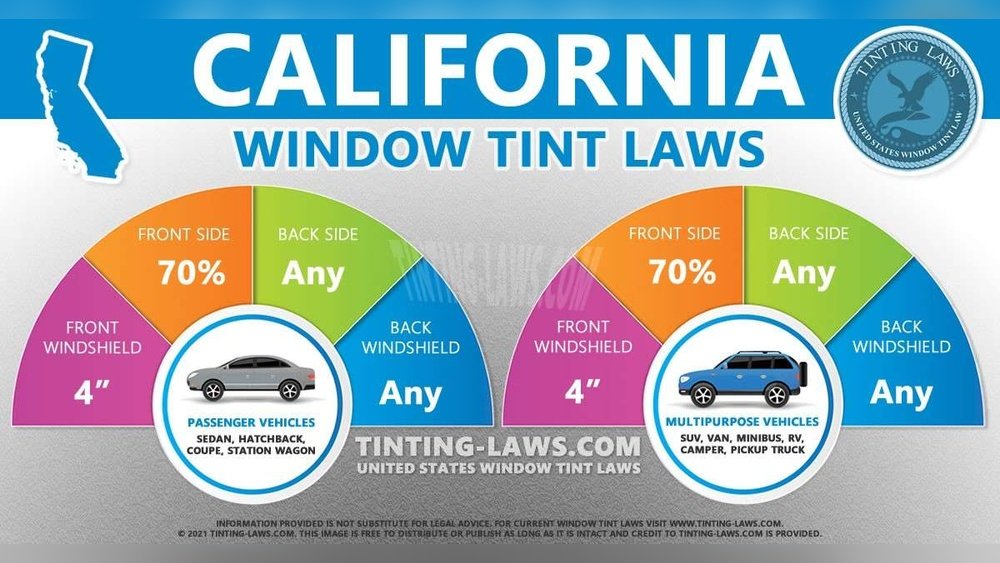
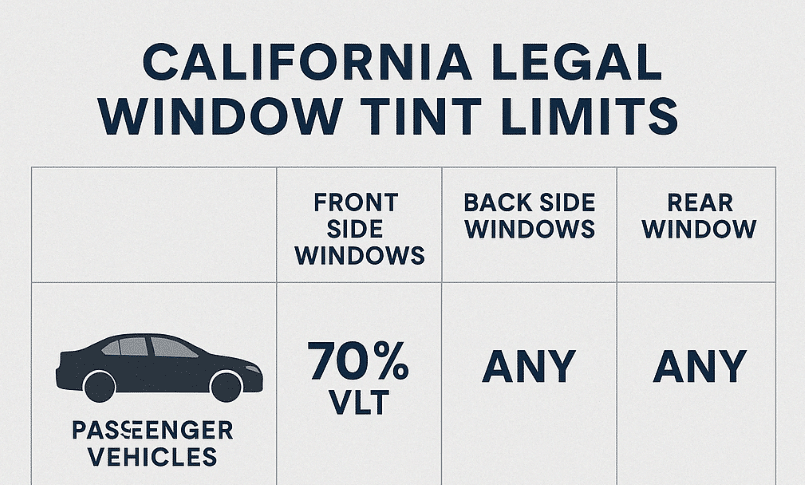
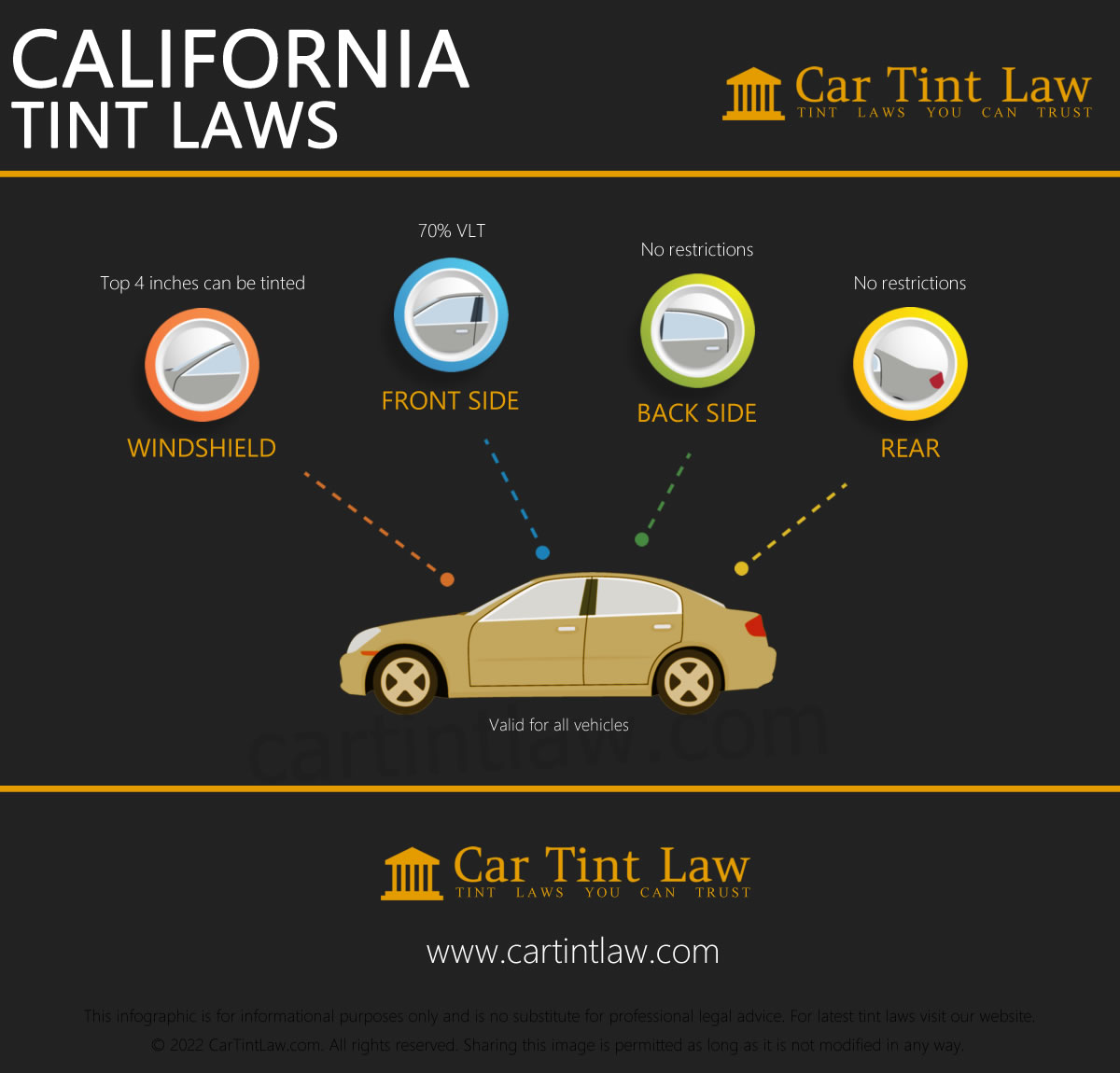
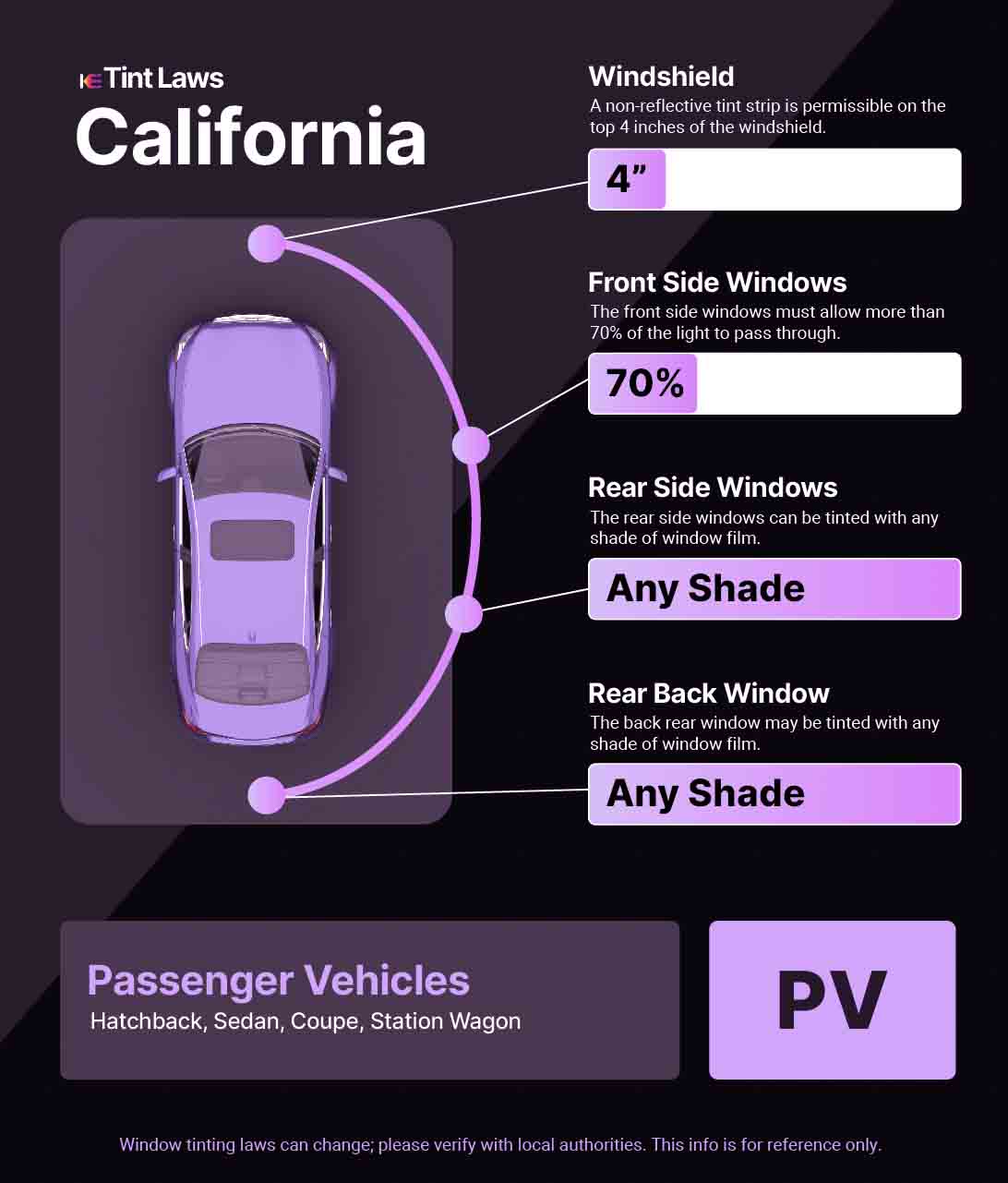
The front windshield can only have tint on the top 4 inches. This tint is usually a light strip called an “eyebrow.” The rest of the windshield must remain clear. The tint cannot block the driver’s view in any way.
Front Side Windows Limits
Front side windows must allow more light through. The law requires at least 70% visible light transmission (VLT). This means tint can only reduce 30% of the light. Darker tints on these windows are not allowed.
Rear Side And Back Window Rules
Rear side and back windows have fewer restrictions. There is no limit on how dark these tints can be. However, if these windows are tinted, the car must have dual side mirrors. This ensures the driver can see clearly around the vehicle.
Credit: www.superiorwindowsolutions.com
Visible Light Transmission (vlt) Standards
Visible Light Transmission (VLT) standards define how much light passes through tinted windows. California sets clear rules to keep drivers safe and ensure good visibility. These rules apply to different windows on a vehicle. Understanding VLT helps drivers choose legal tints and avoid fines. Below are key points about VLT in California window tint laws.
Vlt Percentage Requirements
California requires front side windows to allow at least 70% of light in. This means only 30% of light can be blocked by tint. Rear side and back windows have no specific VLT limits. However, cars with tinted rear windows must have dual side mirrors. The front windshield can have a non-reflective tint strip on the top. The rest of the windshield must remain clear to ensure visibility.
Impact On Visibility And Safety
Higher VLT means more light passes through the glass. It improves visibility during day and night. Lower VLT can reduce glare from the sun but might make it harder to see inside. Police officers need to see inside the vehicle for safety checks. Proper VLT levels help prevent accidents and keep drivers alert. Tint that is too dark can cause safety hazards and legal trouble.
Medical Exemptions For Tinting
California window tint laws set strict limits on how dark your car windows can be tinted. These rules protect all drivers by keeping windows clear enough for safe driving. Still, some people need darker tints due to health reasons. The state allows medical exemptions for window tinting to help those with certain medical conditions. These exemptions let eligible individuals use darker tints without breaking the law.
Qualifying Medical Conditions
Certain medical issues can make sunlight harmful. People with lupus, skin cancer, or severe sun allergies may need extra protection. Some eye conditions, like photophobia, also qualify. These health problems require keeping sunlight out to avoid pain or damage. California law recognizes these needs and permits darker window tinting for such cases.
Application Process And Documentation
To get a medical exemption, drivers must follow a clear process. First, a licensed doctor must write a letter explaining the condition. This letter must state why darker tinting is necessary. Next, the driver submits this letter to the California Department of Motor Vehicles (DMV). The DMV reviews the request and, if approved, issues an exemption. This allows the vehicle to have darker tints legally. The exemption must be kept in the vehicle at all times for law enforcement checks.
Mirror Requirements
California has clear rules about mirrors when tinting your car windows. These mirror requirements help keep drivers safe. They ensure you can see well behind your vehicle, even if your rear window is darkened. Understanding these rules can help you stay legal and avoid fines.
Dual Side Mirrors For Rear Tinting
If you tint your rear window in California, the law requires dual side mirrors. This means your car must have mirrors on both the driver and passenger sides. These mirrors help you see traffic behind and beside you. The rule makes up for the reduced visibility caused by dark rear tint.
Exceptions And Alternatives
Some vehicles do not come with dual side mirrors from the factory. In these cases, you can tint the rear window without adding a second mirror. This exception applies only if your car was made to be driven without both side mirrors. Always check your vehicle’s original equipment before tinting.
Penalties And Enforcement
California enforces strict penalties for violating window tint laws. These rules help keep roads safe and ensure drivers have clear visibility. Authorities issue penalties quickly to encourage compliance.
Penalties include fines and fix-it tickets. The state also increases consequences for repeat offenders. Understanding these penalties helps drivers avoid costly problems.
Fix-it Tickets And Fines
Offenders often receive a fix-it ticket for illegal window tint. This ticket requires correcting the tint within a set time. Drivers must show proof of correction to avoid further penalties.
Fines for the initial violation are usually moderate. The exact amount depends on the county and severity of the tint violation. Paying the fine alone does not clear the ticket without fixing the tint.
Consequences Of Repeat Violations
Repeat tint violations lead to harsher penalties. Fines increase with each offense. Courts may also impose additional fees or court costs.
Multiple violations can affect your driving record. In severe cases, the state may suspend your driver’s license. Law enforcement takes repeat offenses seriously to promote road safety.
Credit: www.cartintlaw.com
Tips For Staying Legal
Following California’s window tint laws helps avoid fines and ensures safe driving. Knowing the rules protects you from legal trouble. Use these tips to keep your tint within the law. Stay informed and cautious to enjoy your tinted windows worry-free.
Choosing The Right Tint Film
Select tint film that meets California’s Visible Light Transmission (VLT) standards. Front side windows must allow more light than rear windows. The front windshield tint is only allowed on the top strip. Avoid very dark films on driver and passenger windows. Check the film’s VLT rating before purchase. This keeps your tint legal and safe.
Working With Licensed Professionals
Hire licensed tint installers familiar with California laws. Professionals use tools to measure VLT accurately. They ensure proper application without bubbles or peeling. Licensed shops provide warranties and follow state rules. This reduces the risk of illegal tint and costly fixes. Trust experts to do the job right the first time.
Credit: kepler-dealer.com
Frequently Asked Questions
What Is The Darkest Legal Tint In California?
The darkest legal tint in California allows 70% Visible Light Transmission (VLT) on front side windows. Rear windows have no specific darkness limit but require dual side mirrors if tinted. Medical exemptions permit darker tints with proper documentation from a licensed physician.
Is 20% Or 35% Tint Darker?
A 20% tint is darker than a 35% tint. Lower percentage means less visible light passes through.
Will I Get Pulled Over For 5 Tint In California?
Yes, 5% tint on front side windows is illegal in California. Police can pull you over and issue a fix-it ticket. Rear windows allow darker tint but need dual side mirrors. Always follow California’s tint laws to avoid fines and penalties.
Is 20% Tint Ok In California?
No, 20% tint is not legal on front side windows in California. The law requires at least 70% visible light transmission (VLT). Rear windows have no tint darkness limit but need dual side mirrors if tinted. Medical exemptions allow darker tints with proper documentation.
Conclusion
Understanding California’s window tint laws helps you stay safe and legal. Follow the rules for each window type carefully. Keep your tint within allowed limits to avoid fines or tickets. Medical exemptions are available but require proper documentation. Always check the latest laws before tinting your vehicle.
Staying informed prevents problems with law enforcement. Drive confidently knowing your tint meets California standards.