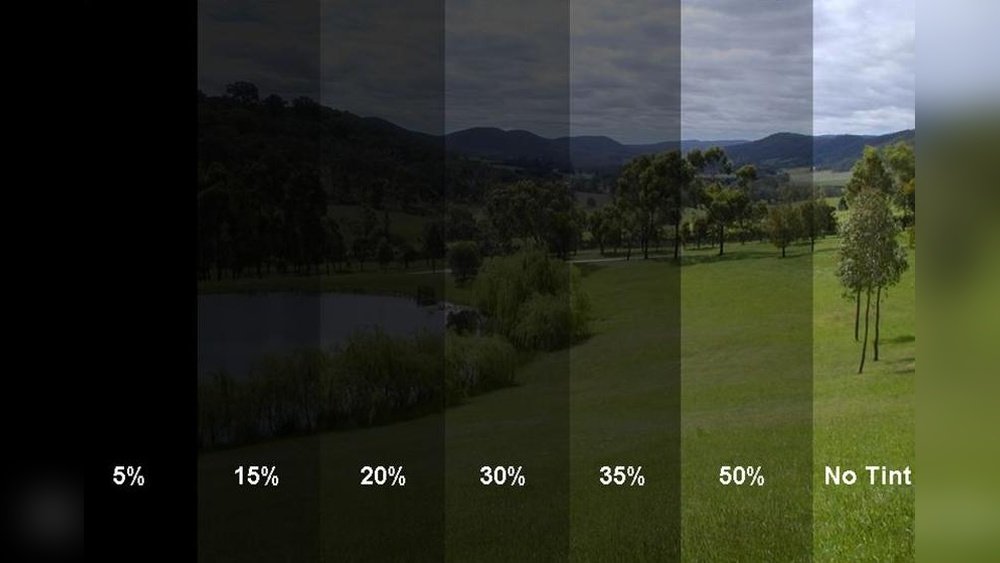
Thinking about tinting your car windows in Colorado? Before you get started, it’s important to understand the state’s window tint laws.
These rules aren’t just about style—they impact your safety, privacy, and even whether you might get pulled over by the police. If you want to avoid fines and keep your ride looking great while staying legal, you need to know exactly what’s allowed.
You’ll discover everything you need to know about Colorado’s window tint regulations—from the darkest legal tint to which colors are off-limits. Keep reading to protect yourself and your vehicle while enjoying the benefits of tinted windows.
Tint Darkness Limits
Colorado has specific rules about how dark window tint can be. These rules protect drivers and law enforcement. They also keep visibility clear on the road. Knowing the tint darkness limits helps you stay legal and safe.
Each window has its own tint limit. The law measures tint by Visible Light Transmission (VLT). VLT is the amount of light allowed through the glass. Lower VLT means darker tint.
Front Side Windows
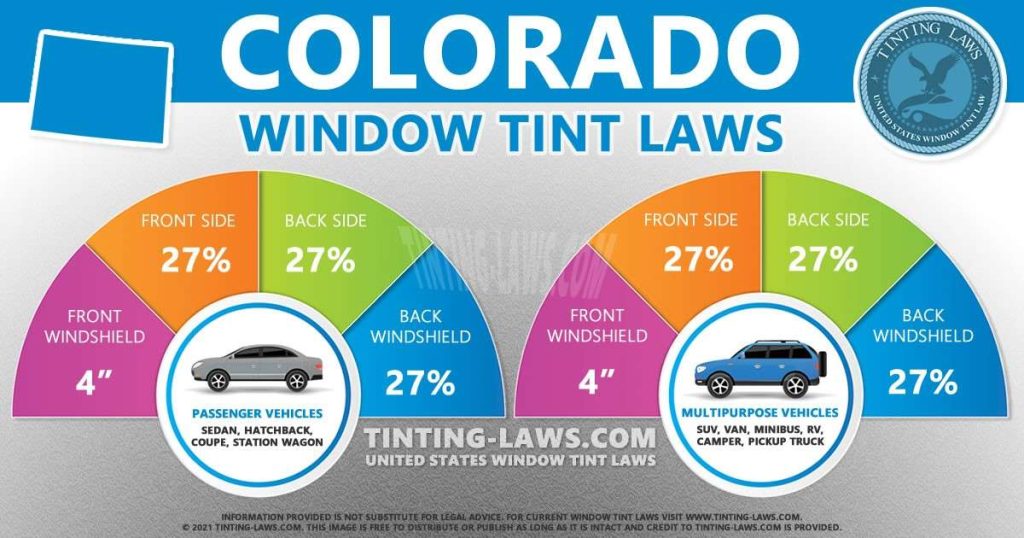
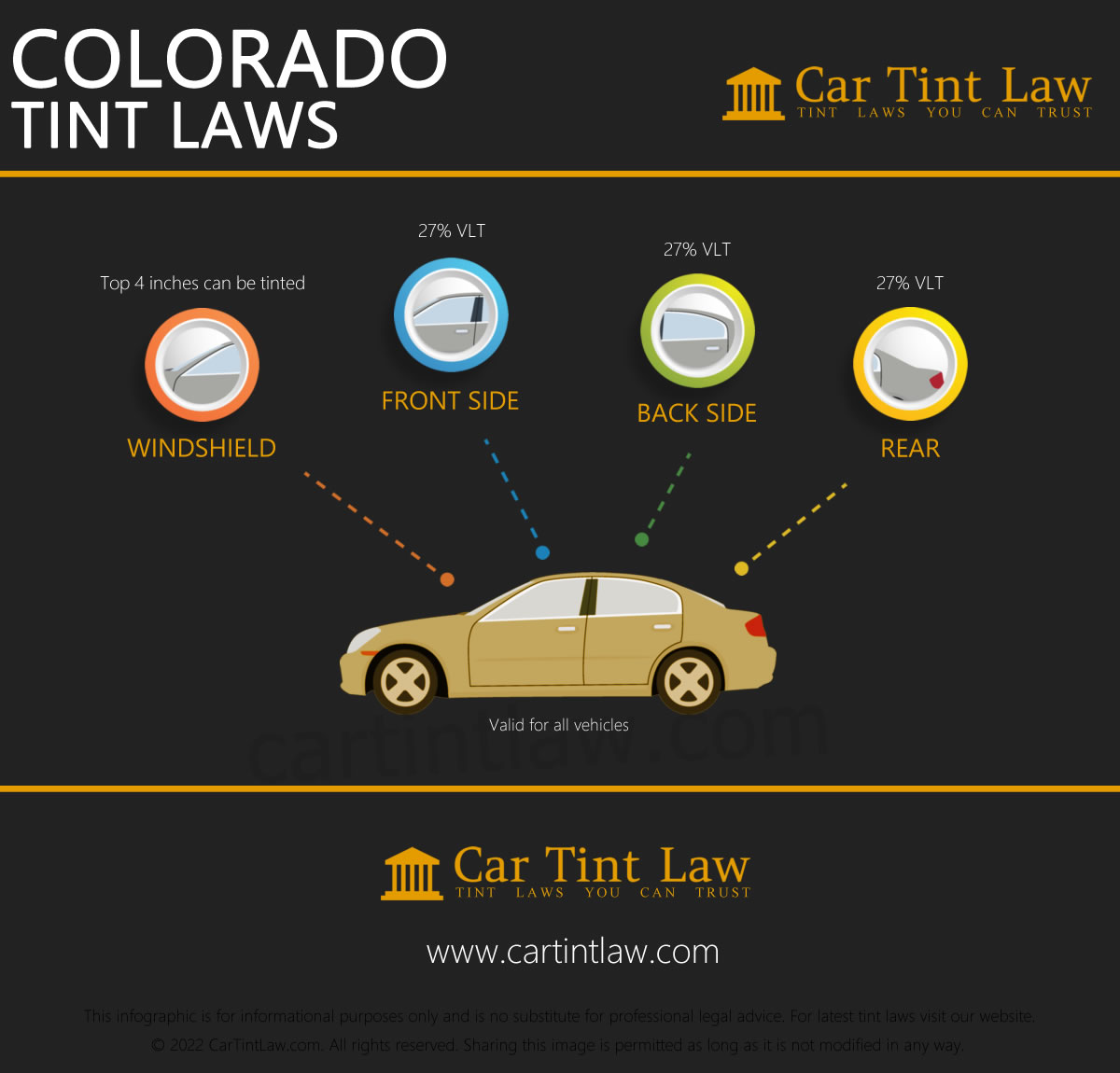
The front side windows must allow more light in. Colorado law requires at least 27% VLT on these windows. This means the tint cannot be darker than 27%. This rule helps police see inside the car during stops.
Rear Side Windows
Rear side windows have looser restrictions. You can use a darker tint here. The law allows any darkness on these windows. Many drivers choose very dark tint on rear side windows for privacy.
Back Window
The back window also has no limit on darkness. You can use any level of tint on the rear window. This provides privacy and reduces glare from the sun. Just make sure your vehicle has side mirrors if the back window is very dark.
Windshield Tint Restrictions
The windshield has the strictest tint rules. Only the top 6 inches of the windshield can have tint. This tint must allow at least 70% of light through. Tint below this line is not allowed. This keeps the driver’s view clear and safe.
Credit: www.tinting-laws.com
Allowed Tint Colors
Colorado has clear rules about which window tint colors are allowed on vehicles. These rules help keep drivers safe and ensure law enforcement can see inside cars when needed. Understanding the allowed tint colors can prevent fines and legal trouble.
Permitted Shades
Colorado permits only neutral shades for window tinting. Common colors like black, gray, and bronze are allowed. These colors reduce glare and heat without obstructing visibility. The tint must not be reflective or metallic. The law focuses on how dark the tint is, not just the color.
Prohibited Colors
Colors such as red, amber, and blue are banned in Colorado. Reflective or mirrored tints are also illegal. These colors can distract other drivers and block clear vision. Bright or flashy colors are not allowed. Sticking to neutral colors helps keep everyone safe on the road.
Visible Light Transmission (vlt)
Visible Light Transmission (VLT) is a key factor in window tint laws. It measures how much light passes through your car windows. Understanding VLT helps you stay legal and safe while driving in Colorado. Tints that are too dark can block too much light, causing safety issues. Lawmakers set limits to balance privacy and visibility.
What Vlt Means
VLT is the percentage of light that passes through tinted glass. A higher VLT means more light gets through. For example, a 70% VLT tint lets in 70% of the light. A lower VLT means a darker tint. Police officers use VLT to check if your tint is legal.
Vlt Requirements In Colorado
Colorado law sets specific VLT limits for different windows. Front side windows must allow at least 27% of light. Rear side windows and back windows have no VLT limit. Windshields can only have a non-reflective tint on the top 6 inches. Certain colors and reflective tints are banned statewide. Following these rules avoids fines and stops your car from being pulled over.
Enforcement And Fines
Colorado strictly enforces window tint laws to ensure driver safety and visibility. Violations can lead to fines and other penalties. Understanding enforcement and fines helps drivers avoid trouble on the road.
Police Authority To Stop Vehicles
Police in Colorado can stop any vehicle suspected of illegal window tint. Officers check tint levels during traffic stops or routine checks. They use special devices to measure visible light transmission (VLT) through windows.
Illegal tint can reduce visibility, raising safety concerns. Law enforcement acts quickly to enforce the rules and protect all road users.
Penalties For Violations
Fines for illegal tint in Colorado vary by the severity of the violation. Most first-time offenders pay a fine ranging from $50 to $200. Repeat offenders face higher fines and possible court appearances.
In some cases, officers may require drivers to remove or fix illegal tint. Failure to comply can result in additional penalties or vehicle impoundment.
Points On Driving Record
Colorado does not assign points on a driving record for tint violations. However, the fines and orders to fix the tint remain on record. Ignoring citations can lead to license suspension or other legal problems.
Drivers should address tint violations promptly to avoid worsening penalties or complications with insurance.
Rules For Out-of-state Vehicles
Out-of-state vehicles driving in Colorado must follow specific window tint laws. These rules help keep roads safe and ensure compliance with local regulations. Understanding these rules avoids fines and legal issues while traveling.
Window Tint Limits For Out-of-state Vehicles
Vehicles from other states must meet Colorado’s tint limits. The front side windows need at least 70% visible light transmission (VLT). Rear side windows and back windows can have darker tints. Tints that are red, amber, metallic, or mirrored are not allowed.
Enforcement Of Colorado Tint Laws On Visitors
Colorado police can stop out-of-state vehicles for illegal tint. Officers check tint levels during traffic stops. If the tint is too dark or uses banned colors, drivers may get a ticket. It is important to follow the rules even if your car meets your home state’s standards.
Temporary Permits And Exceptions
Colorado does not offer temporary permits for illegal window tint. Medical exemptions exist but must be approved in advance. Out-of-state drivers with medical conditions should carry proper documentation. Otherwise, all vehicles must comply with standard tint laws.
Benefits Of Window Tinting
Window tinting offers several benefits beyond just changing a car’s appearance. It improves comfort and safety inside the vehicle. Many drivers in Colorado choose tinting to protect themselves and their passengers. Understanding these benefits helps you see why tinting is popular and useful.
Heat And Uv Rejection
Window tint blocks a large amount of heat from the sun. This keeps the car cooler during hot Colorado days. It also reduces the need to use air conditioning, saving fuel and energy. Tinting filters out harmful UV rays that can damage skin. Protect your skin and your car’s interior from fading and cracking.
Privacy And Style
Tinted windows add privacy by making it harder to see inside. This can protect valuables and increase security. Tinting also gives cars a sleek, stylish look that many drivers enjoy. Choose the right tint level to match your taste and stay within Colorado laws.
Glare Reduction
Sun glare can be distracting and dangerous while driving. Window tint cuts down on glare from the sun and headlights. This helps you see the road more clearly and reduces eye strain. Drive safer with less glare and better visibility all day long.
Considerations And Drawbacks
Choosing to tint your car windows in Colorado involves some important considerations. While tinting can improve privacy and reduce glare, it also has drawbacks. Knowing these helps you avoid fines and stay safe on the road.
Nighttime Visibility
Tinted windows can reduce how well you see at night. Dark tint blocks some light, making driving in low light harder. This can increase the risk of accidents. Drivers should choose a tint that balances privacy with clear vision.
Potential Police Scrutiny
Police often check for illegal window tints during traffic stops. Too dark or the wrong type of tint can lead to tickets. Officers have the right to pull over cars that seem to violate tint laws. Staying within legal limits helps avoid fines and hassle.
Legal Variations Across States
Window tint laws differ from state to state. What is legal in Colorado might be illegal elsewhere. Drivers who travel should check local laws before applying tint or crossing state lines. This prevents unexpected penalties and legal issues.
Credit: www.cartintlaw.com
Maintaining Window Tint
Maintaining window tint in Colorado ensures it stays clear and lasts longer. Proper care keeps your vehicle looking good and helps avoid legal issues. Simple habits protect the tint from damage and fading over time.
Cleaning Tips
Use a soft cloth or microfiber towel for cleaning tinted windows. Avoid abrasive materials that can scratch the film. Use a mild soap or a cleaner made for tinted windows only. Spray the cleaner on the cloth, not directly on the window. Wipe gently in a circular motion to remove dirt and smudges. Dry the window with a clean, dry cloth to prevent streaks. Do not use ammonia-based cleaners as they can damage the tint film.
Longevity And Care
Avoid rolling down windows for a few days after tint installation. This helps the tint film fully bond to the glass. Park in shaded areas or use sunshades to reduce heat damage. Avoid sharp objects near tinted windows to prevent cuts or tears. Regularly check for bubbles or peeling edges and fix issues quickly. Proper care helps the tint maintain its color and clarity for years. Following these tips keeps your window tint compliant with Colorado laws.

Credit: kepler-dealer.com
Frequently Asked Questions
What Is The Darkest Legal Tint In Colorado?
The darkest legal tint in Colorado allows 27% visible light transmission (VLT) on front side windows. Rear windows have no VLT limit. Red, amber, metallic, or mirrored tints are illegal. Tint must not obstruct driver visibility or law enforcement inspections.
In What State Is 20% Tint Legal?
20% tint is legal in New Mexico for front side windows. Most other states, including Colorado, have higher minimum Visible Light Transmission limits. Always check local laws before tinting.
Can Cops Pull You Over For Tint In Colorado?
Yes, Colorado police can pull you over for illegal window tint. Tint must meet state visibility and reflectivity standards to avoid tickets.
Is 35% Too Dark For A Windshield?
A 35% tint on a windshield is generally too dark and often illegal. Most states require minimal or no tint on front windshields for safety and visibility. Check local laws before applying to avoid fines and ensure clear night driving.
Conclusion
Understanding Colorado’s window tint laws helps keep drivers safe and legal. Stick to allowed tint levels to avoid fines or tickets. Remember, certain colors and mirror-like films are not allowed on windows. Clear visibility remains a priority for law enforcement and all road users.
Choose tint options that balance privacy, style, and compliance. Following these rules protects you and others on the road. Stay informed and check for updates to Colorado’s tint regulations regularly. This way, your vehicle stays both stylish and street-legal.