Are you thinking about tinting your car windows in Connecticut? Before you head to the shop, it’s crucial to know the state’s window tint laws.
These rules aren’t just about style—they’re about your safety and staying on the right side of the law. If your tint is too dark or reflective, you could face fines or even be forced to remove the tint. You’ll discover exactly what’s allowed for each window, what medical exemptions might apply to you, and what penalties you could face if you don’t comply.
Keep reading to make sure your ride looks great and stays legal on Connecticut roads.

Credit: kepler-dealer.com
Connecticut Tint Limits
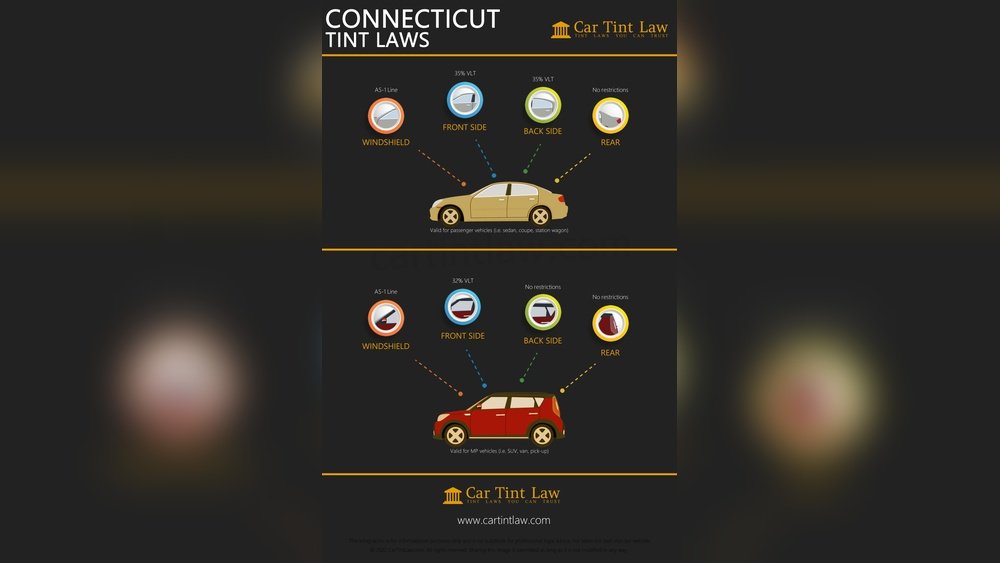
Connecticut has specific rules about how dark window tint can be on vehicles. These rules help keep drivers and passengers safe. They also allow police to see inside cars easily. Knowing the limits helps avoid fines or other problems.
Front Side Windows
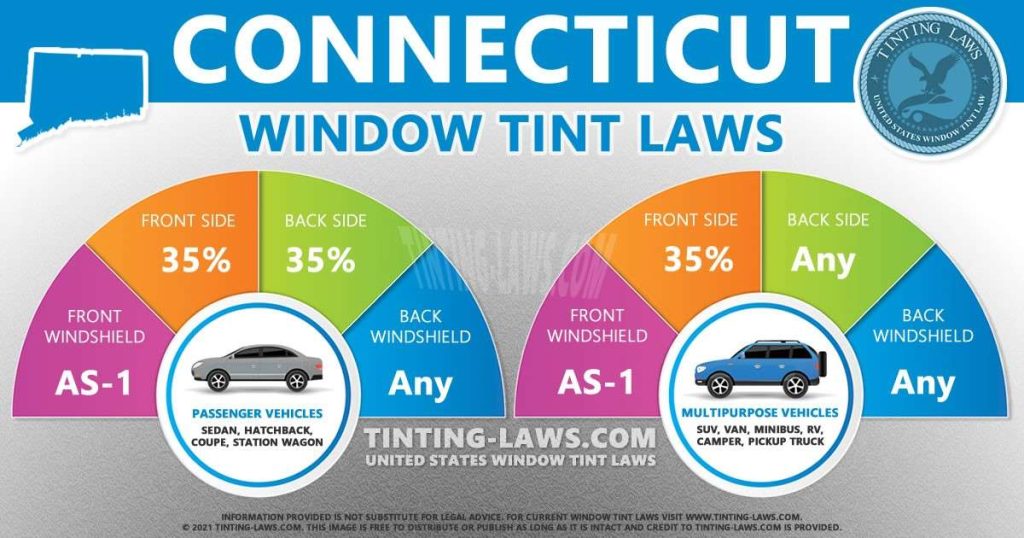
In Connecticut, front side windows must let in at least 35% of light. This means the tint cannot block more than 65% of light. The rule ensures drivers can see clearly and officers can see inside the vehicle.
Rear Side And Back Windows
The rear side and back windows have fewer restrictions. Connecticut does not set a specific light transmission limit for these windows. However, the tint must not block the driver’s view or the brake lights.
Windshield Restrictions
Windshield tinting is mostly banned in Connecticut. Tint is only allowed on the top few inches of the windshield. This strip cannot block the driver’s vision or interfere with safety devices.
Reflectivity Rules
Connecticut also controls how reflective tinted windows can be. Windows should not reflect too much light. This rule stops glare that can distract other drivers on the road.
Visible Light Transmission Explained
Visible Light Transmission (VLT) measures how much light passes through car windows. It is shown as a percentage. A higher VLT means more light comes through the window. A lower VLT means the window is darker and blocks more light.
Understanding VLT helps car owners choose legal window tint levels. Connecticut sets rules based on VLT to keep drivers safe. These rules limit how dark the tint can be.
What Does Vlt Mean For Drivers?
VLT affects how well drivers see outside the car. Too dark a tint can reduce visibility, especially at night. This can make driving dangerous. Police may stop cars with illegal tint levels.
In Connecticut, front side windows must allow at least 35% of light in. This means the tint cannot block more than 65% of light. This rule helps ensure drivers see clearly.
Vlt Limits For Different Windows
Connecticut has different VLT limits for each window type. Front side windows must have at least 35% VLT. Rear side windows and the back windshield can have darker tint. There is no specific limit for these windows, but the tint must not block important signals, like brake lights.
The windshield may not have any tint except for a small strip at the top. This keeps the driver’s view clear. Reflective or mirror-like tint is also not allowed on any windows.
Why Connecticut Regulates Vlt
Regulating VLT helps police and emergency workers see inside vehicles. It also protects other drivers on the road. Clear visibility reduces accidents and improves road safety.
The law balances privacy with safety. Drivers can enjoy some privacy but must keep windows bright enough for safe driving. Connecticut’s window tint laws aim to protect everyone.
Medical Exemptions
Connecticut allows medical exemptions for window tint laws. These exemptions help people with specific health problems. They can use darker tints than normally allowed. This provides comfort and protection from the sun’s harmful rays.
Medical exemptions are important for people with conditions like lupus, skin cancer, or other light sensitivities. The state has rules to make sure only those who truly need it get approval.
Eligibility Criteria
To qualify, a person must have a medical condition. The condition should require protection from sunlight. A doctor must confirm this need. The tint level allowed depends on the medical advice. Connecticut only grants exemptions for genuine health reasons.
Required Documentation
Applicants must provide a doctor’s note or medical report. The document should explain the health condition. It must state why tinted windows are necessary. The doctor’s signature and contact details are required. Proper paperwork speeds up the approval process.
Application Process
Start by gathering all medical documents. Submit these to the Connecticut Department of Motor Vehicles. Include a completed application form for medical tint exemption. The DMV reviews the request carefully. Approved applicants receive a certificate or permit. Keep this certificate in the vehicle at all times.
Enforcement And Penalties
Connecticut enforces window tint laws strictly to ensure driver safety. Authorities monitor compliance closely and impose penalties for violations. Understanding enforcement and penalties helps drivers avoid fines and legal issues.
Fines And Consequences
Drivers caught with illegal window tint face fines. These fines vary but can be costly. Besides fines, courts may require removing the tint. Repeat offenders risk higher penalties or vehicle impoundment. The law aims to keep windows clear for safe driving.
Police Crackdowns
Police often conduct crackdowns on illegal window tint. These operations target areas with frequent violations. Officers use tools to measure tint darkness on the spot. Drivers found breaking the law receive citations immediately. Crackdowns raise awareness and encourage compliance.
Vehicle Inspections
Connecticut requires vehicle inspections that include window tint checks. Inspectors verify tint levels meet legal limits. Vehicles failing inspection must remove or adjust tint. Passing inspection is necessary for vehicle registration renewal. Inspections help keep all vehicles safe on the road.
Aftermarket Tint Approval
Aftermarket window tinting in Connecticut requires strict approval to ensure safety and legal compliance. The state regulates tint shades and installation to maintain clear visibility for drivers and law enforcement. Understanding the approval process helps you avoid fines and penalties.
Certification Requirements
Any aftermarket tint film must have certification proving it meets state standards. The film should allow a specific amount of visible light to pass through. Connecticut requires a label or certificate from the manufacturer. This proves the tint complies with local laws. Without certification, tint may be deemed illegal and removed.
Installation Guidelines
Proper installation is essential for legal window tinting. The film must be applied on the inside surface of the glass. Connecticut law restricts how dark the tint can be on front and rear windows. Installers should ensure no bubbles or peeling occurs. Correct installation helps maintain clear visibility and avoids legal issues.
State Compliance
Connecticut enforces strict rules on window tint darkness and reflectivity. Front side windows must allow at least 70% of light through. Rear windows have more lenient limits but must not block brake lights. Windshields generally cannot have any tint except a narrow strip on top. Law enforcement may stop vehicles with non-compliant tint. Staying compliant avoids fines and ensures safety.
Common Tinting Myths
Many people have wrong ideas about window tinting laws in Connecticut. These myths cause confusion and sometimes illegal tinting. Clearing up these false beliefs helps drivers follow the law and avoid fines.
Understanding the facts ensures safer driving and proper use of tinted windows. Let’s explore some common tinting myths in Connecticut.
Myth 1: All Window Tints Are Illegal In Connecticut
Not true. Connecticut allows tinting on certain windows with limits. Front side windows must have at least 35% visible light transmission (VLT). Rear windows can be darker. Windshield tinting is mostly prohibited except for a small strip at the top.
Myth 2: Darker Tint Means Better Privacy And Safety
Darker tints may block too much light, reducing visibility. This can be unsafe, especially at night. Connecticut law sets limits to keep drivers and passengers safe while offering some privacy.
Myth 3: Reflective Tint Is Always Allowed
Connecticut restricts reflective or mirror-like tints. These tints can cause glare and distract other drivers. The law requires tints that do not reflect too much light.
Myth 4: Medical Exemptions Allow Any Tint
Medical exemptions exist but are limited. Drivers need official approval and documentation. This does not mean all tints are allowed, only those meeting specific medical needs.
Myth 5: Police Can Stop You Anytime For Tinting
Officers stop vehicles only if the tint clearly breaks the law. They look for illegal darkness or reflectivity. Knowing the laws helps avoid unnecessary stops.
Tips For Choosing Legal Tint
Choosing the right window tint in Connecticut involves more than style. It requires knowing the legal limits and what makes a tint safe and lawful. This guide offers simple tips to help pick a tint that meets state laws and keeps your vehicle compliant.
Selecting The Right Vlt
Visible Light Transmission (VLT) shows how much light passes through the tint. Connecticut law allows 35% VLT or higher for front side windows. This means the tint must let in at least 35% of outside light. Choosing a tint with the correct VLT ensures your windows are dark but still legal.
Avoiding Over-reflective Films
Tints that reflect too much light can distract other drivers and are illegal in Connecticut. Reflective films look like mirrors and can cause glare. Use films with low reflectivity to avoid fines and keep safety on the road.
Consulting Professionals
Experts know the latest Connecticut tint laws and can suggest the best options. Professional installers measure and apply tint to meet legal standards. They help avoid mistakes that lead to penalties or removal of tint. Trusting a pro saves time and money in the long run.

Credit: kepler-dealer.com
Updates For 2025
Connecticut’s window tint laws are evolving in 2025 to improve road safety and compliance. These updates address tint darkness, reflectivity, and exemptions. Drivers must stay informed to avoid penalties.
Recent Law Changes
The state revised the visible light transmission (VLT) limits for front side windows. The minimum VLT is now 35%, ensuring better driver visibility. Windshield tinting remains prohibited except for a non-reflective strip at the top. Rear windows allow darker tints but must not block brake light visibility. Reflective tint use is now more strictly regulated to reduce glare for other drivers.
Expected Enforcement Trends
Connecticut police plan increased checks on window tint compliance in 2025. They will focus on front side windows and windshield tinting violations. Penalties for illegal tinting include fines and possible vehicle inspection failures. Medical exemptions require documentation and must meet state guidelines. Officers will use modern tools to measure tint darkness precisely during stops.
Resources For Latest Info
The Connecticut Department of Motor Vehicles (DMV) website offers current tint law details. Local police department pages post enforcement updates and guidance. Trusted tinting professionals provide advice on legal tint levels and installation. Online forums and community groups share real-time experiences with law changes. Checking these sources regularly helps drivers comply with new regulations.
Credit: www.tinting-laws.com
Frequently Asked Questions
What Is The Darkest Legal Tint In Ct?
The darkest legal tint in Connecticut allows 35% Visible Light Transmission (VLT) on front side windows. Rear windows can be darker. Windshield tinting is prohibited. Always verify current laws with official CT DMV sources.
Is 20% Tint Darker Than 35?
Yes, 20% tint is darker than 35% tint. Lower percentages mean less light passes through the window.
In What State Is 20% Tint Legal?
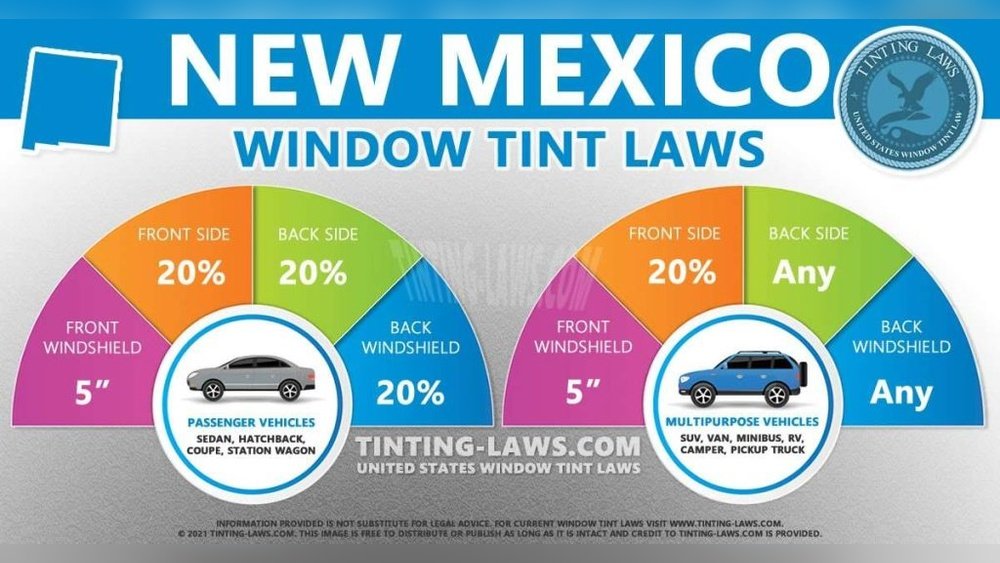
New Mexico allows 20% tint on front side windows legally. Always check local laws for updates before tinting.
Is 15% Or 30% Tint Darker?
A 15% tint lets in 15% of light, making it darker than a 30% tint, which lets in 30% of light.
Conclusion
Understanding Connecticut’s window tint laws helps you stay safe and legal. Keep tint darkness within allowed limits for front and rear windows. Avoid tint on the windshield, as it is not permitted by law. Medical exemptions require proper documentation to qualify.
Police enforce these rules strictly, so follow them carefully. Check official sources often, as laws can change anytime. Clear visibility protects you and other drivers on the road. Drive smart, and choose tinting that meets Connecticut’s legal standards. Safety and compliance go hand in hand with window tinting.