Thinking about tinting your car windows in Georgia? Before you pick the shade, it’s important to know the rules that protect you and keep you legal on the road.
Window tint laws in Georgia can be tricky—they vary by window type, vehicle, and even medical needs. If your tint is too dark, you risk fines or having to remove it. But if you understand the limits, you can enjoy better privacy, less glare, and cooler drives without worry.
In this guide, you’ll discover exactly how dark your tint can be, which colors are allowed, and what exceptions might apply to you. Keep reading to make sure your car stays stylish and street-legal.
Legal Tint Limits
Georgia has clear rules about how dark window tint can be on vehicles. These rules protect drivers and officers by ensuring enough visibility. Knowing the legal tint limits helps avoid fines and keeps you safe on the road. Below are the specific limits for different vehicle types and windows.
Passenger Cars
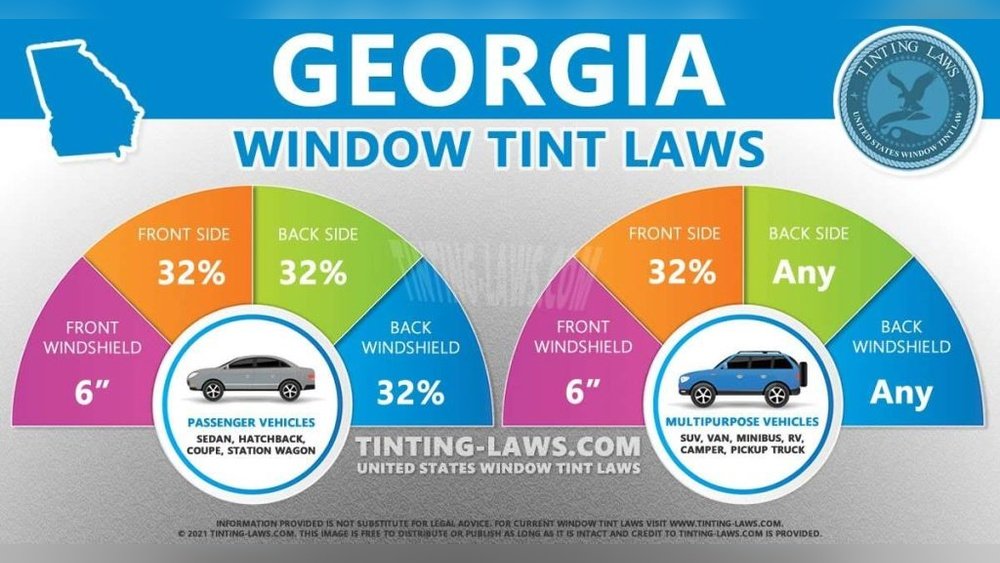
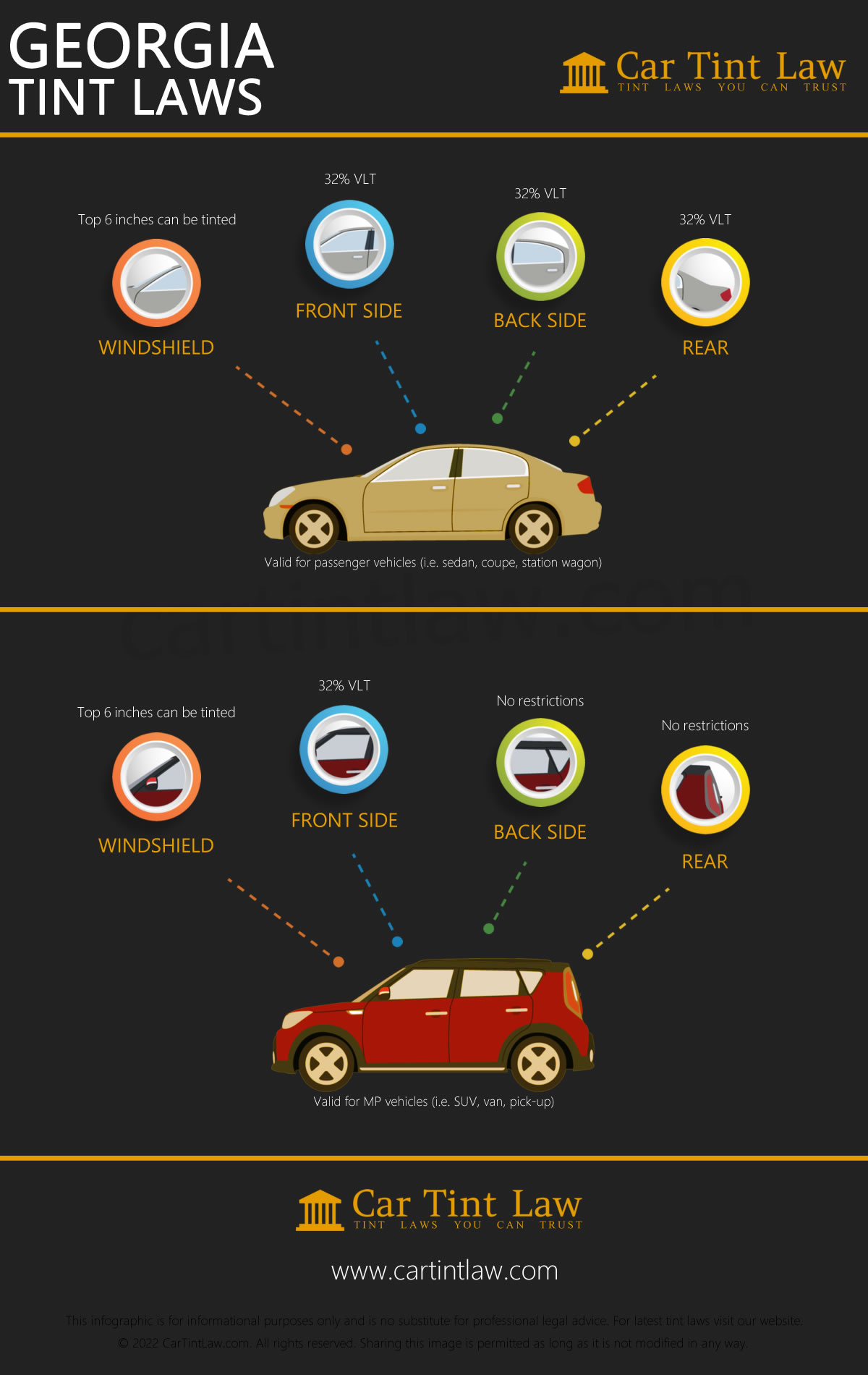
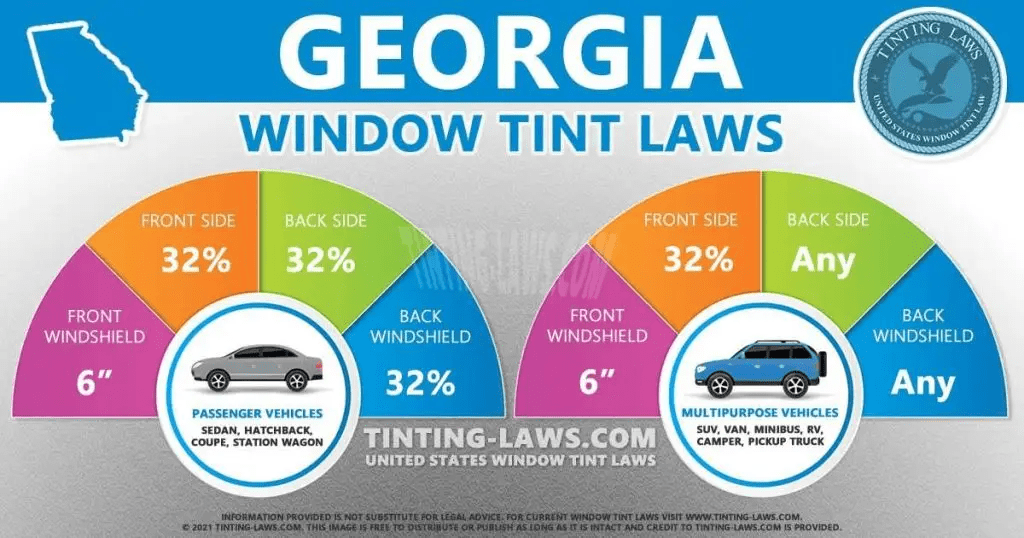
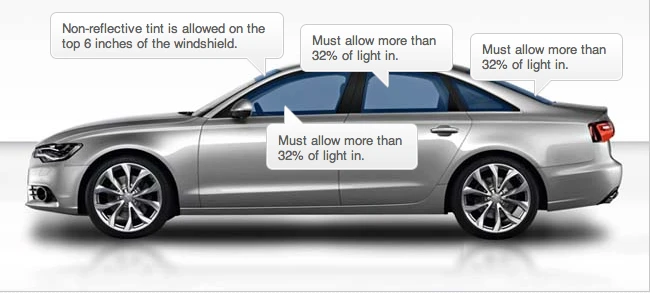
Front side windows must allow more than 32% of light in. This means tint cannot be darker than 32% VLT (Visible Light Transmission). The law requires good visibility for front windows to ensure safety. Darker tint is not allowed here.
Trucks, Vans, And Suvs
These vehicles are treated differently. Front side windows on trucks, vans, and SUVs also must have more than 32% VLT. This rule matches passenger car limits. It applies to the driver and front passenger windows for safety reasons.
Back Side And Rear Windows
Georgia law allows any darkness on back side and rear windows. There is no limit on VLT for these windows. This gives owners flexibility while still following the law. Tinted back windows do not affect driver visibility as much.
Windshield Rules
Only the top six inches of the windshield may have tint. The tint must be non-reflective. This small tinted area helps block sun glare without blocking view. Dark tint on the main windshield area is illegal in Georgia.
Visible Light Transmission (vlt%)
Visible Light Transmission, or VLT%, shows how much light passes through your car’s windows. It measures the percentage of outside light that tint lets in. A lower VLT% means darker tint. Higher VLT% means lighter tint. Georgia law sets specific VLT limits for each type of car window. These limits ensure safety and visibility for drivers and law enforcement. Understanding VLT helps you choose the right tint that follows Georgia’s rules.
Vlt Measurement Explained
VLT is measured using special devices called spectrometers. They check how much light passes through tinted glass. For example, a 35% VLT means 35% of light passes through. The remaining 65% is blocked by the tint. The number shows the tint’s darkness clearly and simply. Law enforcement can test your window tint with these tools. You must have the proper VLT to avoid fines in Georgia.
Vlt Requirements By Window Type
Georgia law has different VLT rules for each car window. The front side windows must allow at least 32% of light through. This means the tint cannot be darker than 32% VLT on these windows. The windshield allows non-reflective tint only on the top 6 inches. Rear side windows and the rear window have no limits on tint darkness. This rule applies to sedans, SUVs, vans, and multi-purpose vehicles. Knowing these details helps you stay legal and safe on the road.
Prohibited Tint Colors
In Georgia, window tint laws not only regulate the darkness of tint but also restrict certain colors. The state prohibits specific tint colors to ensure safety and visibility on the road. Using banned colors can lead to fines and vehicle inspection failures.
These rules aim to prevent colors that may confuse other drivers or block clear vision. Knowing which colors are forbidden helps drivers avoid legal trouble and maintain safe driving conditions.
Prohibited Colors For All Vehicles
Georgia bans red, amber, and blue tint colors on all vehicle windows. These colors mimic emergency vehicle lights and can cause confusion. Using them is illegal and can attract police attention.
Reflective And Mirror-like Tints
Mirror-like or highly reflective tints are not allowed on front side windows or windshields. Such tints reduce visibility for other drivers and law enforcement officers. Georgia law requires tints to be non-reflective to promote safety.
Special Rules For Commercial And Multi-purpose Vehicles
Commercial trucks and multi-purpose vehicles follow similar color restrictions. They must avoid the prohibited colors on all windows. This rule ensures uniformity and clear identification on roads.
Credit: www.cartintlaw.com
Medical Exemptions
In Georgia, medical exemptions allow individuals to have darker window tints than normally permitted. This rule helps protect people with specific health issues from harsh sunlight. The exemption requires proper documentation and approval. Understanding qualifying conditions and the application process is essential for those who need this exception.
Qualifying Conditions
Medical exemptions apply to people with light sensitivity. Conditions like lupus, albinism, or severe sun allergies qualify. Doctors must confirm that sunlight worsens these health problems. The exemption helps reduce glare and UV exposure. It allows darker tints on front and side windows beyond normal limits.
Application Process
To get a medical exemption, a doctor’s letter is necessary. The letter must explain the health condition and need for tint. Submit the letter to the Georgia Department of Revenue. They review the request and issue a medical exemption certificate. Keep the certificate in your vehicle at all times. Law enforcement may ask to see it during traffic stops.
Enforcement And Penalties
Georgia enforces window tint laws strictly to ensure driver safety and clear visibility. Law enforcement officers regularly check vehicle windows for compliance. Violations can lead to fines and other penalties that affect your driving record. Understanding these enforcement rules helps avoid unexpected consequences while driving in Georgia.
Common Violations
Many drivers break tint laws unknowingly. The most frequent violation is tinting front side windows too dark. Georgia requires at least 32% visible light transmission on these windows. Using reflective or mirror-like tint is also illegal on front windows. Another common mistake is tinting the windshield beyond the top six inches. Some drivers apply tint on rear and side windows of sedans beyond legal limits. Not having a medical exemption letter when using darker tint is a violation too.
Fines And Consequences
Penalties for breaking tint laws vary by the severity of the violation. Fines can range from $10 to over $100. Police can issue a citation requiring you to remove illegal tint within a set time. Failure to comply may lead to higher fines or court appearances. Repeat offenders face stricter penalties and possible license suspension. Insurance companies may increase premiums for drivers with tint violations. Always fix tint issues promptly to avoid these problems.
Recent Law Changes
Georgia has updated its window tint laws recently. These changes affect tint darkness limits and exemptions. Drivers need to know the new rules to avoid fines and penalties.
The law changes aim to clarify tint limits for different vehicle types. They also specify rules for medical exemptions more clearly. Staying informed helps keep your vehicle compliant with state laws.
New Tint Darkness Limits For Passenger Vehicles
The law sets the visible light transmission (VLT) limit at 32% for front side windows. This means 32% of outside light must pass through the tint. The windshield allows non-reflective tint only on the top six inches. Rear side and back windows have no tint darkness limits.
Rules For Trucks, Vans, And Suvs
Trucks, vans, and SUVs follow the same tint rules as passenger cars for the front side windows. Rear windows on these vehicles can have any darkness level. The windshield rules remain the same, allowing tint only on the top six inches.
Clarifications On Medical Exemptions
The new law explains medical exemptions more clearly. Drivers with specific health conditions can get darker tints. A doctor’s written permission is required to qualify for this exemption. Carrying this medical document while driving is important for law enforcement checks.
Tips For Compliance
Following Georgia’s window tint laws keeps you safe and avoids fines. Simple steps help you stay within legal limits. Understanding the rules and acting carefully protect your vehicle and your wallet.
Choosing The Right Tint
Select a tint with the correct Visible Light Transmission (VLT) percentage. Georgia law requires at least 32% VLT for front side windows. Rear side and back windows have no darkness limit for cars. SUVs and vans can have any darkness on rear windows. The windshield allows only a non-reflective tint on the top six inches. Check the tint label or ask the seller before buying. Avoid very dark tints on front windows to pass inspections.
Working With Professionals
Hire experienced tint installers familiar with Georgia laws. Professionals use quality materials that meet state rules. They ensure proper application without bubbles or peeling. Ask if they provide a warranty for their work. A good installer can advise on legal tint options. Avoid DIY kits that may not comply with regulations. Proper installation saves time and helps prevent legal troubles.
Credit: walkercountyga.gov
Credit: thetintguy.com
Frequently Asked Questions
What Is The Darkest Legal Tint In Georgia?
The darkest legal tint on Georgia’s front side windows allows 32% visible light transmission (VLT). Rear and back side windows have no darkness limits. The top six inches of the windshield may have non-reflective tint. Medical exemptions permit darker tints with a doctor’s letter.
Can You Get A Ticket For 20% Tint In Georgia?
Georgia law requires front side windows to have at least 27% visible light transmission. A 20% tint on front side windows can result in a ticket. Rear and back side windows have no darkness restrictions. Medical exemptions may allow darker tints legally.
Is 20% Window Tint Darker Than 35%?
Yes, 20% window tint is darker than 35% tint. Lower percentages allow less light through, creating a darker appearance.
In What State Is 20% Tint Legal?
New Mexico allows 20% tint on front side windows legally. Most states have higher minimum Visible Light Transmission (VLT) limits.
Conclusion
Understanding Georgia’s window tint laws helps you stay safe and legal on the road. The state sets clear rules on how dark your tint can be. Different windows have different limits to follow. Medical exemptions allow darker tints when needed.
Avoid colors like red, amber, or yellow for tinting. Always check the latest laws before tinting your vehicle. Staying informed protects you from fines and issues. Drive confidently knowing your window tint meets Georgia’s requirements.