Are you thinking about tinting your car windows in Hawaii? Before you head out, it’s crucial to understand the state’s window tint laws.
Hawaii has specific rules about how dark your tint can be and which windows can be tinted. Getting it wrong could lead to fines or even trouble during traffic stops. But don’t worry—this guide will walk you through everything you need to know to stay legal, protect your privacy, and enjoy the benefits of window tinting without any surprises.
Keep reading to find out what’s allowed, what’s changed recently, and how to avoid costly mistakes on the road.
Tinting Limits By Vehicle Type
Hawaii’s window tint laws vary by vehicle type. Each type has specific limits for tint darkness. These rules help ensure driver safety and clear visibility. Knowing your vehicle’s tint limits avoids fines and legal trouble.
Passenger Cars
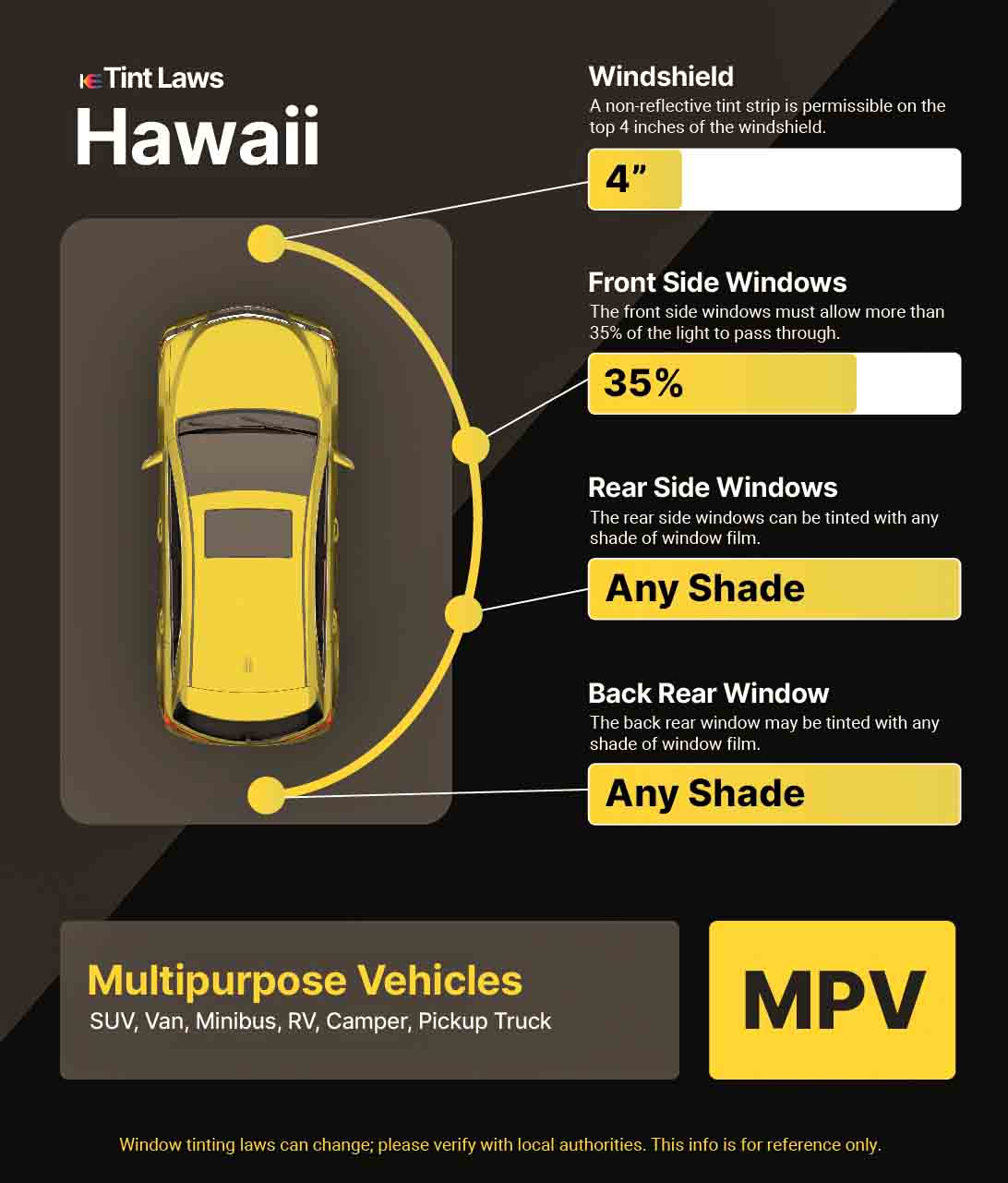
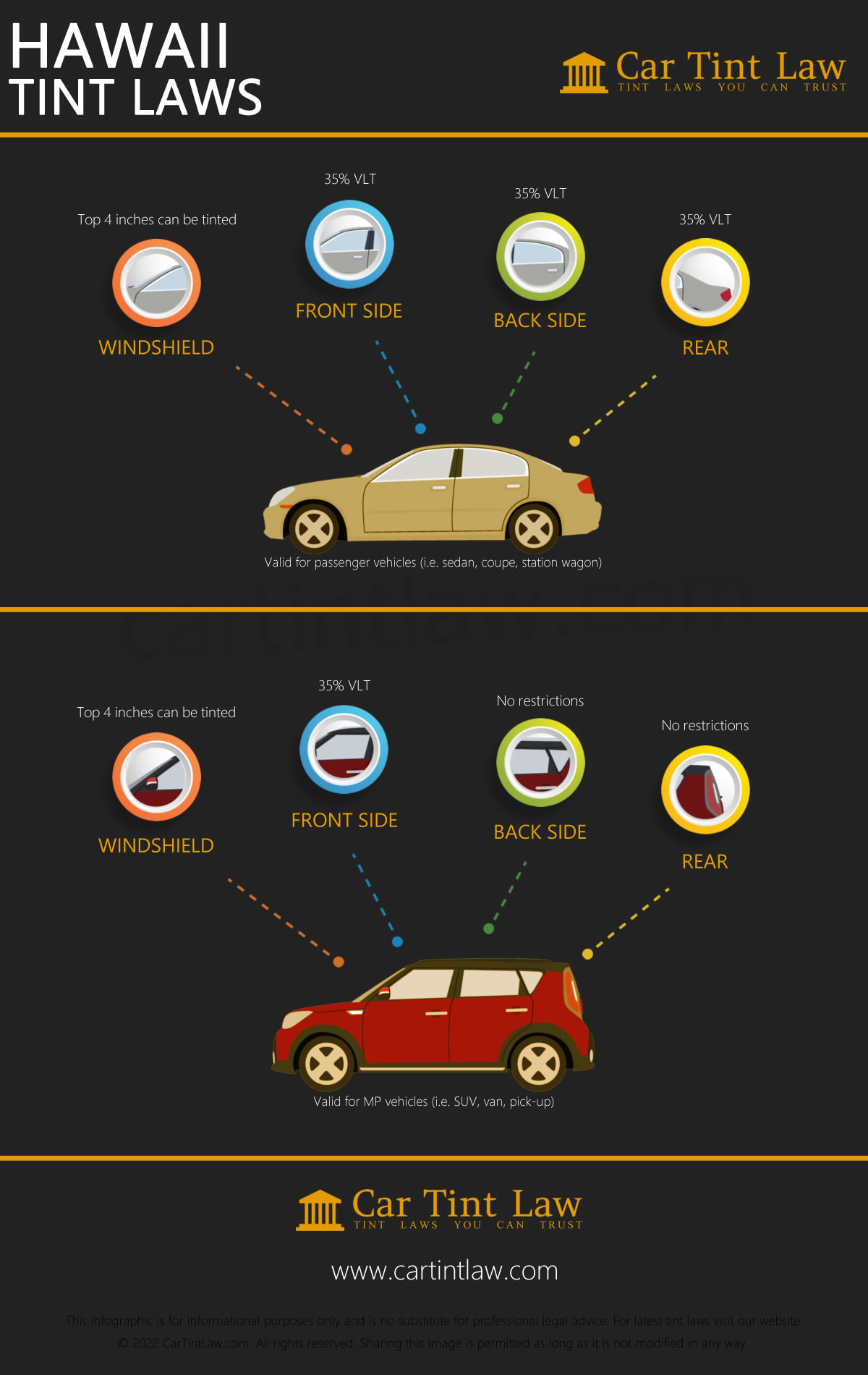
Passenger cars have strict tint rules. The front side windows must allow more than 70% of light in. The back side and rear windows can have any darkness. Windshield tinting is allowed only on the top 6 inches.
Trucks And Suvs
Trucks and SUVs follow similar rules to passenger cars. Front side windows need to let in more than 70% light. Back side and rear windows have no limit on tint darkness. Windshield tinting is limited to the top 6 inches as well.
Motorcycles And Other Vehicles
Motorcycles have no window tint restrictions since they have no windows. Other vehicles may have different rules depending on their design. Always check local laws for special vehicle types before tinting.
Tint Percentage Rules
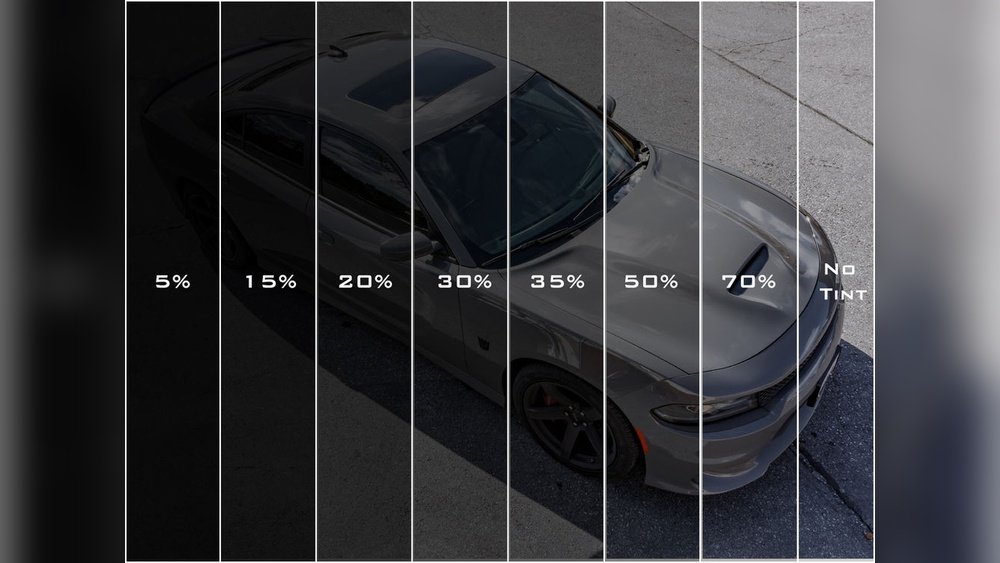
Understanding tint percentage rules is essential for every driver in Hawaii. These rules regulate how dark your car windows can be tinted. The goal is to keep roads safe by allowing enough visibility. Hawaii has clear limits for each window type on your vehicle.
Front Side Windows
Hawaii law requires front side windows to allow more light. The tint must let in at least 70% of outside light. This means very light tinting or no tint at all is allowed here. This rule helps police and other drivers see inside your car clearly.
Rear Side Windows
Rear side windows have more lenient rules. They can be darker than front windows. The law allows tinting that lets in at least 35% of light. This gives privacy to passengers in the back seats. Still, the tint cannot be completely dark or opaque.
Rear Window
The rear window follows the same rule as rear side windows. It must allow at least 35% of light through the tint. Drivers can also use dual side mirrors if the rear window is tinted dark. This helps maintain safety while giving privacy at the back.
Windshield Tint Restrictions
The windshield has the strictest tint rules in Hawaii. Only the top 4 inches of the windshield may have tint. This tinted area is called the “AS-1 line.” The tint here must not block the driver’s clear view of the road. No other parts of the windshield can be tinted.
Medical Exemptions And Restrictions
Medical exemptions and restrictions in Hawaii’s window tint laws address special cases where standard tint limits might not be safe or comfortable for some drivers. These rules allow certain individuals to use darker tints due to health reasons. Understanding these exemptions helps drivers comply with the law while protecting their well-being.
Exemption Availability In Hawaii
Hawaii does not offer medical exemptions for window tinting. All vehicles must follow the same tinting rules regardless of health conditions. This means no special permission exists for darker tints based on medical needs.
Qualifying Medical Conditions
Since Hawaii lacks medical exemptions, no conditions qualify for special tint allowances. States with exemptions often include conditions like lupus, skin cancer, or light sensitivity. Hawaii drivers must use legal tint levels even with these health issues.
Documentation Requirements
No documentation for medical tint exemptions is accepted in Hawaii. Drivers cannot submit doctor’s notes or medical certificates to bypass tint limits. All window tints must meet state safety standards without exception.
Credit: kepler-dealer.com
Traffic Stop Protocol
Understanding the traffic stop protocol related to window tint laws in Hawaii is important for all drivers. It helps avoid confusion and ensures smooth interactions with law enforcement. Both drivers and officers have clear steps to follow during a stop involving tinted windows.
Driver Responsibilities
Drivers must lower their tinted windows completely during a traffic stop. This action allows officers to see inside the vehicle clearly. Drivers should keep their hands visible on the steering wheel. Providing requested documents calmly helps the stop go smoothly. Avoid sudden movements or arguing about the tint during the stop. Being polite and cooperative reduces tension for everyone involved.
Law Enforcement Procedures
Officers will approach the vehicle cautiously and ask the driver to lower the windows. They may use a light meter to measure the tint percentage. If the tint is too dark, the officer may issue a citation. Officers must follow state rules about window tint enforcement. They often explain the violation and what the driver needs to do next. Ensuring safety and clear communication is the priority during these stops.
Penalties For Violations
Violating window tint laws in Hawaii comes with serious penalties. The state enforces strict rules to ensure driver safety and visibility. Understanding the fines and consequences helps avoid costly trouble. Drivers should know the risks before choosing darker tints than allowed.
Fines And Ticket Costs
Hawaii imposes fines for illegal window tinting. Ticket costs vary but usually start around $100. Repeat violations may lead to higher fines. Officers can issue tickets if tint darkness exceeds legal limits. Paying the fine does not fix the tint problem. The vehicle owner must remove or replace the tint to meet standards.
Consequences Of Non-compliance
Ignoring tint laws leads to more than fines. Police may order you to remove illegal tint immediately. Failure to comply can cause your vehicle registration to be suspended. Non-compliance can also hurt your insurance claims in accidents. Persistent violations may result in court appearances. The legal trouble could affect your driving record.
Credit: www.cartintlaw.com
Recent Law Updates
Hawaii has recently updated its window tint laws to improve road safety and fairness. These changes affect the allowed tint darkness and how the rules apply to different vehicles. Drivers should know the new limits to avoid penalties and stay compliant.
Changes To Tint Percentages
The maximum tint darkness allowed on front side windows is now 35% visible light transmission (VLT). Rear side and back windows can have darker tint, but not less than 15% VLT. These updates adjust previous limits to better balance privacy and visibility for drivers.
Equal Treatment For Vehicle Types
Before, some vehicle types had different tint rules. The new law applies the same tint limits to all passenger vehicles. This change removes confusion and ensures fairness for all drivers on Hawaii roads.
Reasons Behind The Updates
Lawmakers updated the tint laws to improve driver visibility and reduce accidents. Uniform rules help police enforce the law more easily. The changes also respond to public feedback for clear and fair tint regulations.
Installation And Certification
Proper installation and certification of window tint in Hawaii ensures legal compliance and safety. Following state rules avoids fines and penalties. This section explains key points about authorized installers, required certification, and maintaining compliance with tint laws.
Authorized Installers
Only licensed professionals may install window tint in Hawaii. Authorized installers understand state tint limits and safety requirements. They use quality materials and tools to ensure proper fitting. Choosing a certified installer reduces the risk of illegal tinting.
Certification And Documentation
After installation, the installer must provide certification documents. These prove the tint meets Hawaii’s legal standards. Keep this paperwork in your vehicle at all times. Law enforcement may ask to see certification during traffic stops.
Maintaining Compliance
Regularly check your window tint for wear or damage. Replace it if it no longer meets legal limits. Always carry your certification documents to avoid fines. Follow Hawaii’s tint laws strictly to stay safe and legal on the road.
Common Questions And Misconceptions
Many people have questions about window tint laws in Hawaii. Some beliefs about tinting are not true. It is important to clear up these misunderstandings. Knowing the facts helps drivers avoid fines and stay safe on the road.
Windshield Tinting Myths
Some think any tint on the windshield is illegal. Actually, only the top strip, called the “AS-1 line,” can have tint. This strip must not block the driver’s view. No tint is allowed below this line. Dark tint on the windshield can cause accidents and is against the law.
Clarifying Legal Limits
Many confuse the allowed tint percentages. The front side windows must allow more light than rear windows. Hawaii requires at least 70% visible light transmission on front windows. Rear windows can have darker tint but must still allow some light. Tints that are too dark can result in penalties. Always check the latest rules before tinting your car.
Enforcement Concerns
People worry about how strictly these laws are enforced. Police officers may stop drivers if tint seems too dark. During traffic stops, drivers must roll down windows fully if requested. This lets officers see inside the vehicle. Failing to comply can lead to fines or warnings. Enforcement helps keep roads safe for everyone.
Credit: lovesautodetail.com
Frequently Asked Questions
Is 35% Or 20% Tint Darker?
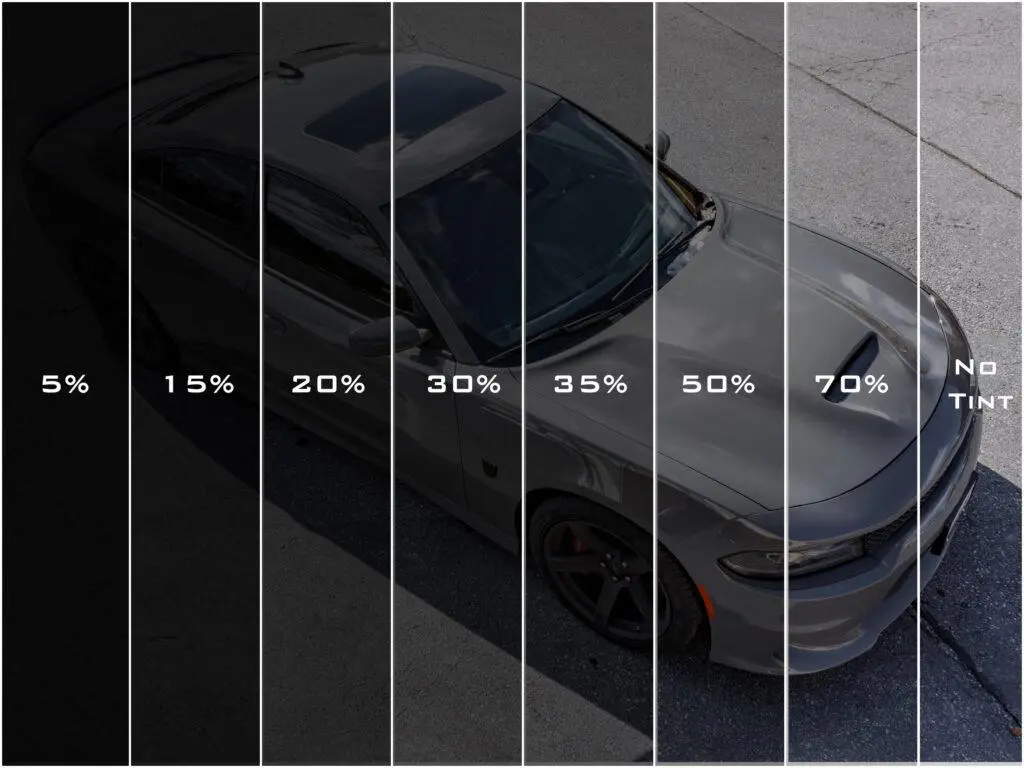
A 20% tint is darker than a 35% tint. Lower percentage means less light passes through, making it darker.
How Much Is A Tint Ticket In Hawaii?
A tint ticket in Hawaii typically costs between $100 and $200. Fines vary by county and violation severity.
Can You Get A Tint Exemption In Hawaii?
Hawaii does not offer any window tint exemptions, including medical or special exceptions. All vehicles must follow standard tint laws.
Can You Still See Through 20% Tint?
Yes, you can see through 20% tint, but visibility is reduced compared to lighter tints. It offers good privacy and sun protection.
Conclusion
Knowing Hawaii’s window tint laws helps you avoid fines and stay safe. Follow the rules about how dark your tint can be. Remember to carry proof that your tint meets state standards. Always roll down your windows fully if stopped by police.
Staying informed protects you and others on the road. Check for updates regularly, as laws may change over time. Safe driving and legal tinting go hand in hand in Hawaii.