Are you thinking about tinting your car windows in Indiana? Before you go ahead, it’s crucial to know the state’s window tint laws.
These rules aren’t just about style—they impact your safety, your legal standing, and even your wallet. If your tint is too dark or doesn’t meet the legal standards, you could face fines or other penalties. But don’t worry—this guide breaks down everything you need to know in simple terms.
By the time you finish reading, you’ll be confident that your window tint meets Indiana’s rules and keeps you on the right side of the law. Let’s dive in and clear up the confusion around Indiana’s window tint laws so you can protect yourself and your vehicle.

Credit: kepler-dealer.com
Indiana Tint Limits
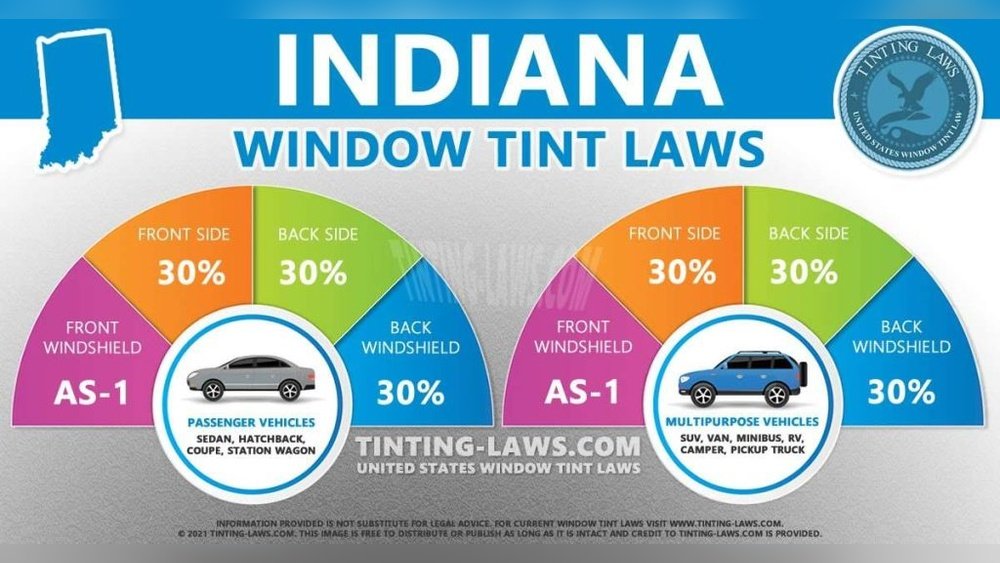
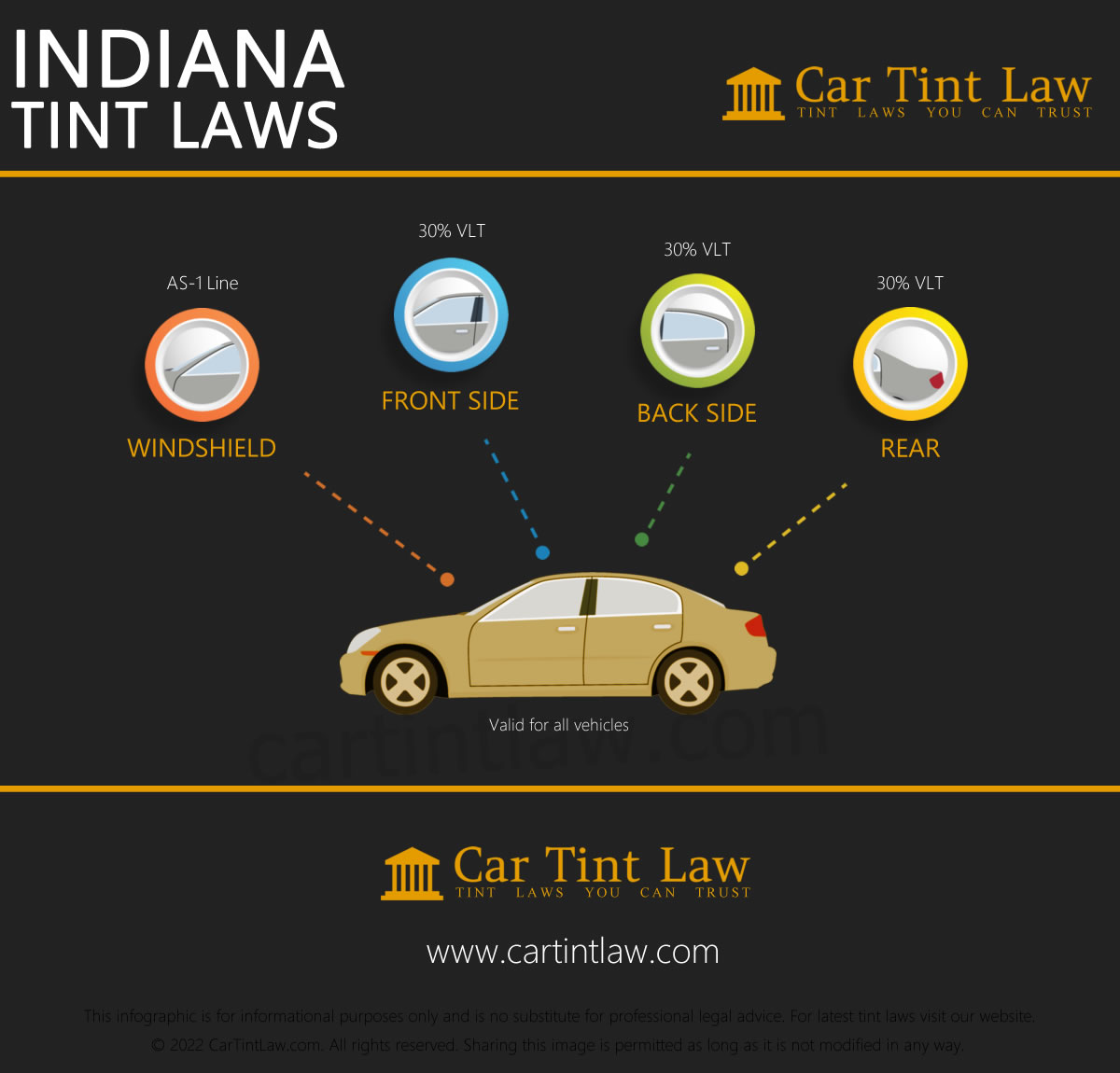
Indiana has clear rules about how dark car window tint can be. These rules help keep drivers safe and allow police to see inside vehicles. Knowing the exact tint limits can prevent fines and other problems.
Each type of window on a car has a specific limit on how much light must pass through. This is called Visible Light Transmission or VLT. The higher the VLT percentage, the lighter the tint. Let’s look at the limits for different windows in Indiana.
Front Side Windows
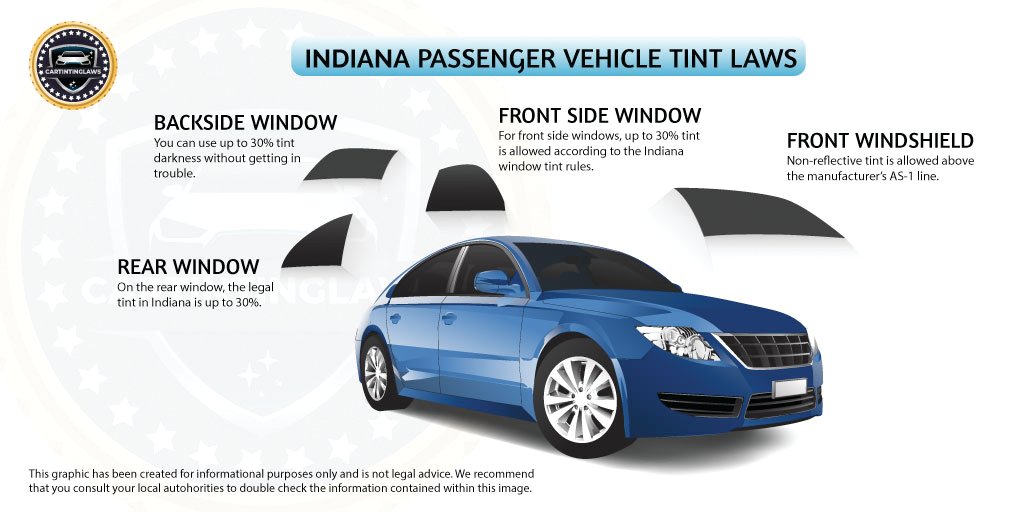
Indiana law requires front side windows to allow more than 50% of light in. This means the tint cannot be darker than 50% VLT. Tints darker than this are not legal on the driver and front passenger windows. This rule helps police officers see inside the car for safety reasons.
Back Side Windows
Back side windows can have a darker tint than the front side. Indiana allows any darkness on these windows, meaning there is no specific VLT limit. Darker tints are legal on rear side windows, giving passengers more privacy.
Rear Window
The rear window also has no limit on how dark the tint can be. Drivers can choose any shade they prefer. This helps protect cargo and passengers from outside view and sun glare.
Windshield Tinting Rules
Only a small strip of tint is allowed at the top of the windshield. This strip, called the AS-1 line, must not extend more than 5 inches down. No other part of the windshield may have tint. This rule keeps the driver’s view clear and safe.
Medical Exemptions
Indiana allows medical exemptions for window tint laws. These exemptions let people use darker tints than normally allowed. The law helps those with certain medical needs protect their eyes and skin. A doctor’s approval is required to qualify.
Qualifying Conditions
Medical exemptions apply to specific health issues. These include light sensitivity, lupus, and other skin disorders. People with eye diseases or recent eye surgery also qualify. The darker tint helps reduce pain and damage from sunlight.
Obtaining A Medical Exemption
A licensed physician must confirm the medical condition. They provide a letter explaining why darker tint is needed. This letter acts as official proof for the exemption. The letter must clearly describe the health problem and the need for tint.
Exemption Application Process
Start by getting a signed letter from your doctor. Submit this letter to the Indiana Bureau of Motor Vehicles (BMV). Complete any required forms they provide for medical exemptions. Once approved, carry the exemption document in your vehicle at all times.
Penalties For Violations
Penalties for violating Indiana’s window tint laws are strict. The state enforces these rules to ensure driver safety and clear visibility. Breaking the tint rules can lead to serious consequences. Indiana law sets specific fines, possible vehicle impoundment, and points added to your driving record. Understanding these penalties helps avoid costly trouble and legal issues.
Fines And Tickets
Indiana issues fines for illegal window tint. Officers can stop vehicles with tint that is too dark. Drivers receive tickets that require payment or court appearance. Fines vary depending on the violation but often start around $100. Repeated offenses can increase the amount. Paying the fine quickly can prevent further penalties.
Vehicle Impoundment
In some cases, Indiana law allows for vehicle impoundment. This happens if the tint violation is severe or if the driver ignores warnings. Authorities can hold the vehicle until the tint is corrected. Impoundment adds towing and storage fees on top of fines. Drivers must fix the tint to get their vehicle back. This penalty aims to enforce compliance strictly.
Points On Driving Record
Indiana may add points to your driving record for tint violations. Points affect insurance rates and can lead to license suspension. The state tracks violations to discourage unsafe window tinting. Accumulating points means higher risk in the eyes of insurers. Keeping tint within legal limits helps maintain a clean driving record.
Tint Rules For Different Vehicles
Indiana enforces specific window tint rules based on vehicle types. These rules help improve safety and visibility on the road. Different vehicles have different limits on how dark the tint can be. Understanding these rules prevents fines and legal issues. Below is a breakdown of tint regulations for passenger cars, trucks and SUVs, and commercial vehicles in Indiana.
Passenger Cars
Passenger cars must have at least 50% visible light transmission (VLT) on front side windows. Rear side windows and the back window can have darker tint. No limit applies to rear windows if the vehicle has side mirrors on both sides. Windshields may only have a non-reflective tint strip at the top.
Trucks And Suvs
Trucks and SUVs follow similar tint rules as passenger cars. Front side windows require at least 50% VLT. Rear side and back windows can have darker tint. Vehicles without dual side mirrors must have rear window tint at 50% VLT or lighter. Windshields allow only a small tint strip at the top.
Commercial Vehicles
Commercial vehicles must keep front side windows at 50% VLT or more. Rear windows also need to allow at least 50% light in. No dark tint is allowed on front windows. Windshield tinting is limited to a small strip at the top only. These rules ensure drivers have clear visibility for safety.
Tint Darkness And Visibility
Tint darkness affects how much light passes through your vehicle’s windows. Indiana has clear rules on how dark your tint can be. These rules help balance privacy with safety and visibility. Understanding tint darkness helps drivers stay legal and safe on the road.
Visible Light Transmission (vlt)
Visible Light Transmission, or VLT, is the percentage of light allowed through the window film. Indiana law requires front side windows to have at least 50% VLT. This means the tint cannot block more than half the light. Rear side and back windows have fewer restrictions. Tints with lower VLT appear darker but may be illegal if too dark.
Impact On Driver Safety
Too dark tint can reduce visibility, especially at night or in bad weather. Clear vision is crucial for safe driving. Indiana’s VLT limits help ensure drivers see the road and other vehicles clearly. Proper tint helps reduce glare without blocking too much light. Unsafe tint increases accident risk and can cause fines.
Enforcement Methods
Law enforcement officers use special tools to measure VLT. These meters check how much light passes through your windows. If tint is too dark, officers may issue tickets or require removal. Police also look for safety hazards caused by poor visibility. Keeping tint within legal limits avoids penalties and keeps roads safer.
Credit: www.cartintlaw.com
Common Myths About Tint Laws
Many drivers in Indiana hold wrong beliefs about window tint laws. These myths cause confusion and sometimes lead to legal trouble. Knowing the facts can help you stay safe and compliant. Below are some common misconceptions about tint rules in Indiana.
Mirror Tint Restrictions
Some think mirror-like tint is allowed on all windows. Indiana law bans reflective or mirror tint on front side windows. The tint cannot reflect too much light. This rule helps officers see inside your vehicle. It also improves road safety by reducing glare for other drivers.
Color Limitations
A popular myth says any tint color is fine. Indiana restricts colors that change window appearance drastically. Bright or unusual colors like red, blue, or green are not allowed. The law requires tints to be neutral or close to black. This keeps windows from distracting other drivers.
Sticker Requirements
Many believe tint films need special stickers on windows. Indiana does not require tint stickers on passenger vehicles. However, medical exemptions must be documented and carried in the vehicle. Police may ask for proof if your tint is darker than usual. Always keep proper paperwork to avoid fines.
How To Check Tint Compliance
Checking window tint compliance in Indiana ensures your vehicle meets state rules. Proper tint levels keep you safe and avoid fines. Learn easy ways to check your tint’s legality. Use simple tools or get professional help. Stay informed and drive without worries.
Using A Tint Meter
A tint meter measures how much light passes through your windows. It gives a clear, exact reading of your tint’s darkness. You can buy a handheld meter online or at an auto store. Hold the meter against the glass and read the percentage. Compare this number to Indiana’s legal limits for your car. This method is fast and reliable.
Self-inspection Tips
Look at your windows in bright sunlight. Dark tints block more light and look almost black. If you can see clearly inside the car, your tint is likely legal. Use a flashlight at night to check how much light shines through. Avoid guessing; small differences can cause fines. Keep the tint meter handy for a quick check at home.
Professional Inspection Services
Auto shops and tint specialists offer professional tint inspections. Experts use calibrated tint meters and know state laws well. They can tell you if your tint passes or fails instantly. Some places provide a certificate of compliance for your records. A professional check helps avoid surprises during police stops. It is a good choice for those unsure about their tint level.
Credit: www.journalreview.com
Benefits Of Legal Window Tint
Legal window tinting offers many advantages for drivers in Indiana. It improves comfort and safety without breaking the law. Understanding these benefits helps drivers make smart choices about tinting their car windows. Below are some key reasons to choose legal window tint.
Uv Protection
Legal window tint blocks harmful ultraviolet rays from the sun. This protects your skin from damage during long drives. It also prevents the car’s interior from fading and cracking. UV protection keeps both passengers and your vehicle safe.
Heat Reduction
Window tint reduces the heat inside your car by reflecting sunlight. This keeps the interior cooler on hot Indiana days. It lowers the need for air conditioning and saves fuel. Heat reduction also improves driving comfort and focus.
Privacy And Security
Tinted windows provide greater privacy by limiting outside views. This helps protect your belongings from prying eyes. Legal tint also reduces glare, making driving safer. It adds a layer of security without attracting unwanted attention.
Choosing The Right Tint
Choosing the right window tint is important for both style and legal compliance in Indiana. The state has specific rules about how dark your tint can be. Picking the correct film and tint level helps you stay within the law while enjoying benefits like heat reduction and privacy.
Types Of Tint Films
There are several types of tint films available. Dyed films are common and affordable. They reduce glare and block some heat. Metalized films contain tiny metal particles. These films reflect heat well and add strength. Ceramic films offer the best heat and UV protection. They do not interfere with electronic signals. Each type has different looks and benefits. Choose one that fits your needs and budget.
Selecting Tint Level
Tint level means how much light passes through the window. Indiana law requires at least 50% visible light transmission on front side windows. Rear side and back windows can have darker tint. Darker tints block more light but may not be legal. Check the exact tint percentage allowed for your vehicle type. Remember, medical exemptions exist for darker tints with proper documentation. Always measure tint level before installation.
Professional Installation
Professional installation ensures the tint is applied correctly. Experts have the right tools and skills to avoid bubbles or peeling. They also know how to meet Indiana’s tint laws. A poor installation can cause legal issues or reduce tint life. Using a professional saves time and gives a clean, smooth finish. Always ask for a warranty on the tint and installation work.
Frequently Asked Questions
What Is The Darkest Legal Tint In Indiana?
Indiana law requires front side windows to have at least 50% visible light transmission (VLT). Rear side and back windows have no VLT limit. Medical exemptions allow darker tints with a physician’s letter. Always check current laws to ensure compliance and avoid penalties.
Is 35% Or 20% Tint Darker?
A 20% tint is darker than a 35% tint because it allows less light to pass through the window.
What Does 35% Legal Tint Look Like?
A 35% legal tint lets 35% of light pass through, appearing moderately dark but still allowing clear visibility inside.
How Dark Is 30% Tint?
A 30% tint blocks 70% of light, making windows moderately dark. It reduces glare and heat but still allows good visibility.
Conclusion
Understanding Indiana’s window tint laws helps you stay safe and legal. Remember, front side windows must let in more light than rear ones. Medical exemptions allow darker tints if you have a doctor’s note. Breaking these rules can lead to fines or other penalties.
Always check current regulations before tinting your car windows. Following the law protects you and others on the road. Tint wisely, and drive confidently in Indiana.