Are you thinking about tinting your car windows in Iowa? Before you head to the shop, it’s crucial to understand the state’s window tint laws.
Knowing these rules can save you from unexpected fines, tickets, or even having to remove your tint later. Iowa has specific regulations about how dark or reflective your window tint can be, especially on the front windows. But what exactly are these limits?
And are there any exceptions you should know about? You’ll get a clear, easy-to-follow guide on Iowa’s window tint laws, what to do if you get pulled over, and tips to stay on the right side of the law. Keep reading to make sure your tint keeps you safe and legal on Iowa roads.
Credit: www.change.org
Iowa Tint Limits
Iowa has specific rules about how dark window tints can be on vehicles. These rules protect drivers and officers by keeping visibility clear. Knowing these limits helps you avoid fines and keep your car legal.
The regulations differ for various windows on your car. Each window type has its own allowed tint darkness. Understanding these rules is important before tinting your vehicle.
Windshield Rules
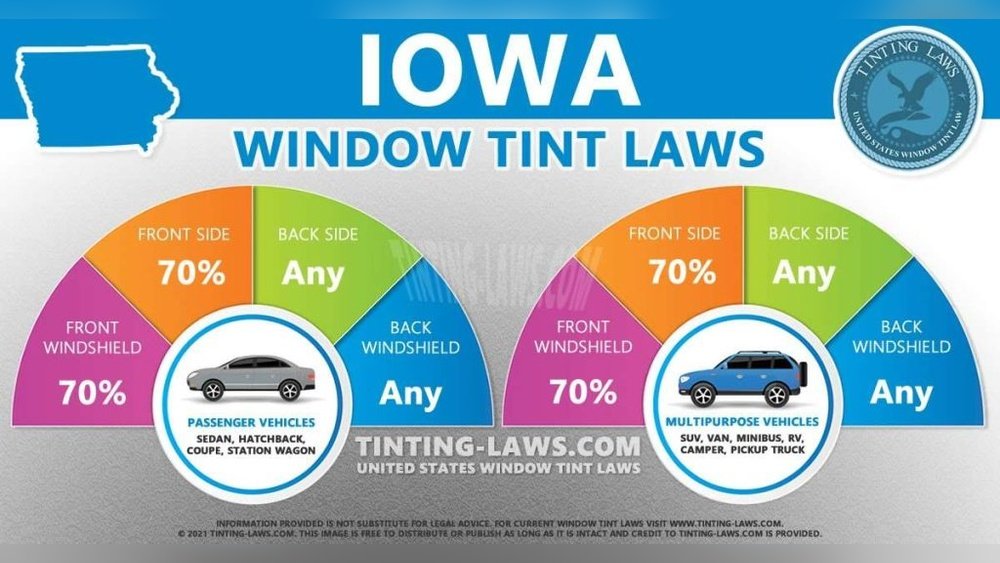
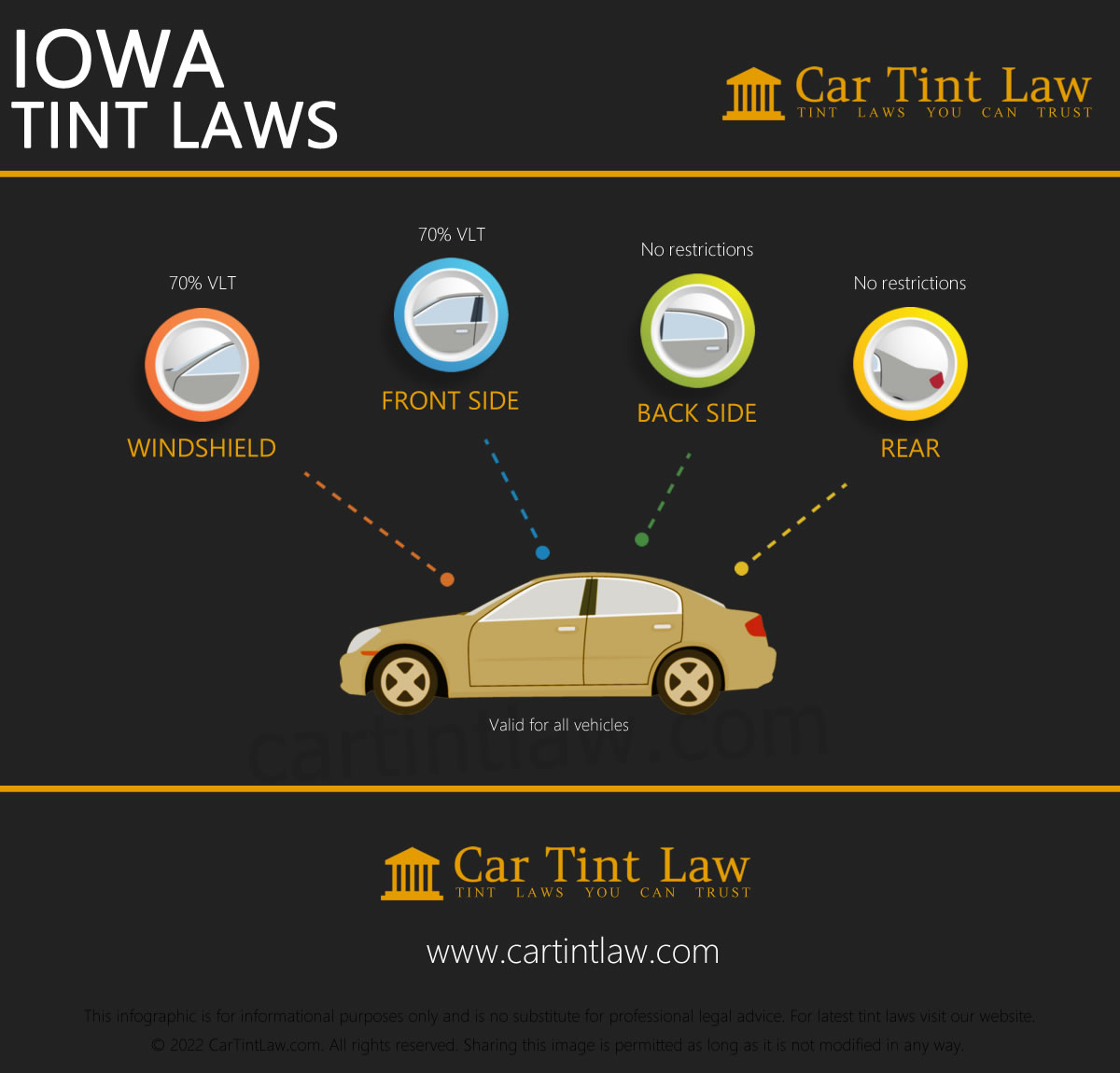
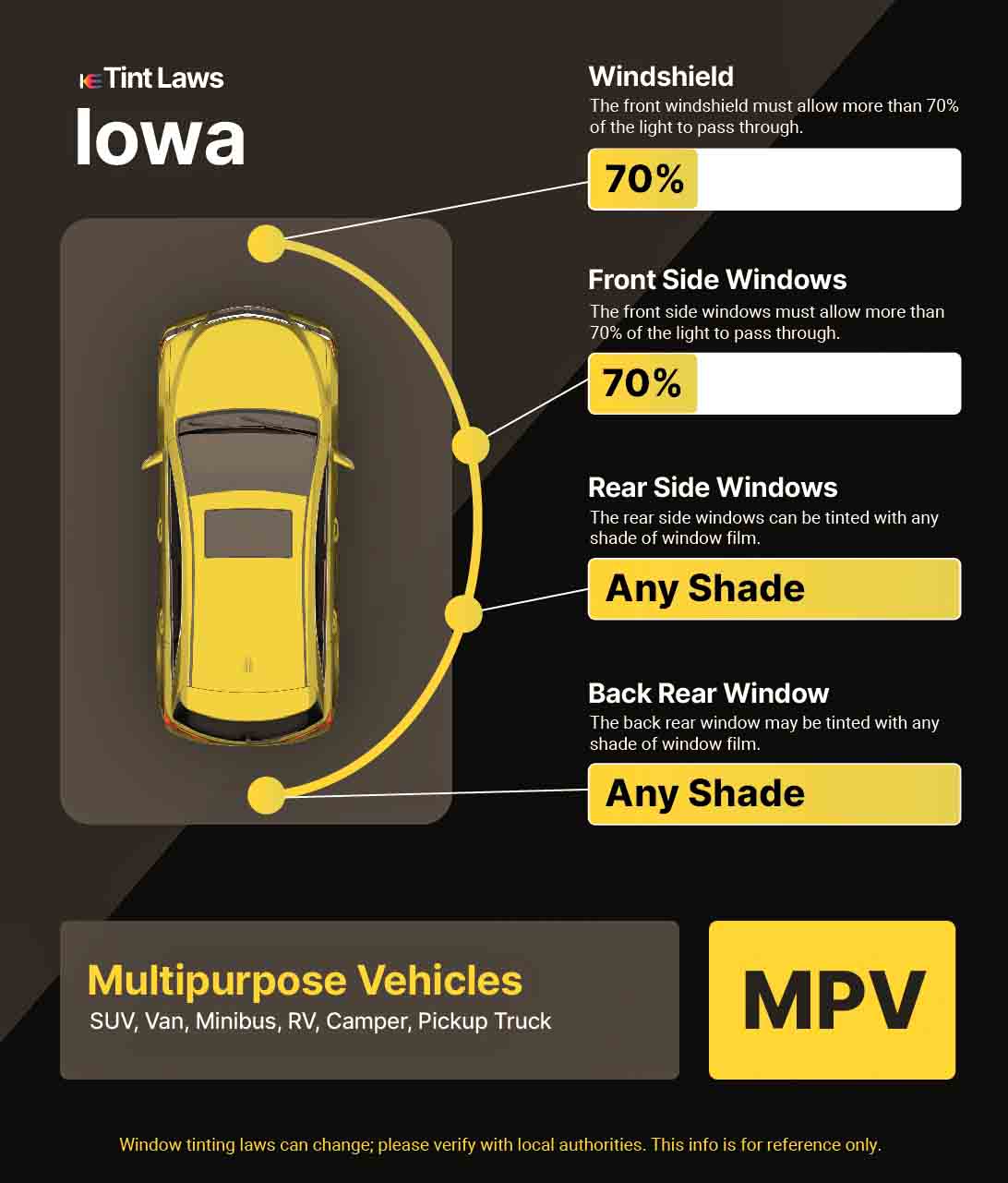
The windshield can only have a non-reflective tint strip. This strip must be on the top few inches. No dark tint is allowed on the rest of the windshield. The purpose is to keep the driver’s view clear.
Front Side Windows
Front side windows must allow more than 70% of light through. This means tint cannot be too dark. The law ensures officers can see inside the vehicle. It also helps drivers see pedestrians and other cars.
Rear Side And Rear Windows
Iowa does not limit tint darkness on rear side and rear windows. You can choose any shade for these windows. This gives more privacy to passengers and cargo. Still, medical exemptions apply for certain window tints elsewhere.
Credit: www.cartintlaw.com
Medical Exemptions
In Iowa, medical exemptions allow certain drivers to have darker window tint than normally allowed. This exemption helps people with specific health conditions who need extra protection from sunlight. The state requires proof and follows strict rules to grant these exemptions.
Eligibility Criteria
Drivers must have a medical condition sensitive to sunlight. Conditions include lupus, skin cancer, or other skin disorders. A doctor must confirm the need for tinting. The tint must protect the driver without risking safety. Only the driver’s windows can have this special tint.
Required Documentation
Drivers must provide a written statement from a licensed physician. This statement should explain the medical condition clearly. It must specify why window tinting is necessary. The document should include the doctor’s contact information. Drivers need to carry this paperwork when driving. Law enforcement may ask to see it during a stop.
Enforcement And Penalties
In Iowa, law enforcement takes window tint regulations seriously. Officers actively check for illegal tint during traffic stops. Violations can lead to penalties that affect your driving record and wallet. Understanding enforcement and penalties helps drivers avoid trouble on the road.
Traffic Stops For Tint
Police can stop a vehicle if the tint looks too dark. They often check tint during routine traffic stops. Tint alone is not always a reason to pull you over. But if officers notice poor visibility or other issues, they may test your windows. Using a tint meter, they measure the light allowed through the glass. If the tint is below legal limits, a citation can follow.
Fines And Tickets
Fines for illegal window tint in Iowa usually start around $70. The exact amount may vary by county or city. Officers can issue tickets on the spot. Repeat offenses might lead to higher fines or court appearances. Some drivers must remove the tint to comply with the law. Ignoring the ticket can result in additional penalties. Paying the fine and fixing the tint keeps the issue simple.
Steps After A Stop
Getting stopped by law enforcement for window tint issues in Iowa can feel stressful. Knowing what to do next helps you stay calm and handle the situation correctly. The steps after a stop focus on clear communication and following legal instructions. Proper conduct can reduce trouble and keep your record clean.
Cooperating With Officers
Stay calm and polite when the officer approaches. Keep your hands visible on the steering wheel. Answer questions clearly and respectfully. Follow all instructions the officer gives without arguing. Lower your windows fully to allow inspection. Cooperation shows respect and may improve the outcome.
Handling Warnings And Tickets
If the officer issues a warning, note the details carefully. A warning means you must fix the tint soon. For tickets, check the fine amount and deadline. Pay the fine promptly to avoid extra fees. You may contest the ticket in court, but often paying is faster. Keep copies of all documents for your records.
Removing Illegal Tint
Illegal tint must be removed quickly to avoid more tickets. Visit a professional tint shop to have it taken off safely. Removing tint yourself can cause damage if done incorrectly. After removal, keep proof of the fix in case of future stops. Follow Iowa’s tint laws strictly to prevent repeat issues.
Upcoming Law Changes
Window tint laws in Iowa are about to change. The state legislature has proposed new rules that could affect how dark your car windows can be. These upcoming changes aim to clarify existing laws and adjust restrictions on certain windows. Vehicle owners should prepare for these updates to avoid fines and legal trouble.
Proposed Tint Restrictions
The new law suggests limits on tint darkness for more windows. Front windshield tint may be allowed only on the top strip. Front side windows could have a minimum visible light transmission (VLT) of 35%. This means tint cannot block more than 65% of light. Current laws are less strict on these windows.
Back seat and rear window tint rules might also change. The proposal suggests adding limits on darkness for these windows. This is a shift from the current no-restriction policy. Medical exemptions may still apply but require proper documentation.
Impact On Rear Windows
Rear windows have no tint limits now. The new law may impose a VLT minimum for these windows. This will affect many drivers who use very dark tints. Law enforcement could issue tickets more often if the changes pass.
Drivers should check their rear window tint levels. Darker tints may need removal or replacement. Staying informed can help avoid fines and keep vehicles compliant.
State Comparisons
Comparing Iowa’s window tint laws with those of nearby states helps drivers understand legal differences. Each state sets its own rules on how dark or reflective tint can be on vehicle windows. These rules affect drivers crossing state lines or moving to a new state.
Knowing these differences can prevent tickets and fines. It also helps people choose the right tint for their vehicles.
Tint Laws In Neighboring States
Illinois allows 35% light transmission on front side windows. Minnesota requires 50% or more light to pass through front windows. Missouri permits 35% light transmission on front side windows. Nebraska demands 50% or more light on front side windows. South Dakota has no restrictions on tint darkness for most windows. Wisconsin requires 70% light transmission on front side windows. These variations show how tint limits change across borders.
Interstate Tint Compliance
Drivers traveling between states must follow the tint laws of the state they are in. A tint legal in Iowa might be illegal in Illinois or Wisconsin. Police officers can issue tickets if tint violates local laws. Medical exemptions in one state may not be accepted in another. It is best to check tint rules before long trips. Adjusting tint or removing it can avoid penalties. Complying with local laws keeps drivers safe and ticket-free.
Resources For Drivers
Understanding window tint laws in Iowa helps drivers stay safe and avoid fines. Several resources guide drivers through the rules and legal requirements. These resources cover official guidelines, professional services, and legal help. They ensure your vehicle meets Iowa’s standards.
Iowa Dot Guidelines
The Iowa Department of Transportation (DOT) provides clear rules on window tinting. They explain which windows can have tint and the allowed darkness levels. Front windshield tint is limited, while rear windows have fewer restrictions. Medical exemptions require a doctor’s note. The DOT website offers detailed information to help drivers comply with the law.
Professional Tint Services
Professional tint shops know Iowa’s window tint laws well. They use proper materials that meet state requirements. These experts help select the right tint shade and apply it correctly. Choosing a licensed service reduces the risk of illegal tinting. Many shops also offer advice on legal limits and medical exemptions.
Legal Assistance Options
Legal help is available if you face fines or disputes over window tinting. Some lawyers specialize in traffic laws and can explain your rights. They assist with contesting tickets or understanding medical exemptions. Consulting a legal expert can save money and reduce stress during legal issues related to window tint.
Credit: kepler-dealer.com
Frequently Asked Questions
Is 30% Tint All Around Legal?
30% tint all around is generally illegal in Iowa. Front side windows must allow more light. Rear windows have no restrictions. Check local laws or consult a professional for updates. Medical exemptions require a physician’s note. Police can issue tickets for illegal tint.
Can A Cop Pull You Over For Tint In Iowa?
Yes, Iowa police can pull you over for illegal window tint on front windshield or front side windows. Rear windows have no restrictions. Medical exemptions require a doctor’s note. Officers may issue tickets during routine stops if tint violates Iowa laws.
What Is The New Iowa Tint Law 2025?
The new Iowa tint law 2025 restricts front windshield and front side window tint darkness. Rear windows have no limits. Medical exemptions require a physician’s note. Officers can issue fines up to $70 for violations. Check Iowa DOT for updates before tinting your vehicle.
What’s Darker, 35 Or 50 Tint?
A 35 tint lets in 35% of light, while a 50 tint allows 50%. Thus, 35 tint is darker than 50 tint.
Conclusion
Understanding Iowa’s window tint laws helps you stay safe and avoid fines. The rules focus mainly on front windshield and front side windows. Rear windows have fewer restrictions, but medical exemptions require proof. Police can stop you if your tint breaks these laws.
Always cooperate politely during stops and follow any instructions. Removing illegal tint quickly avoids more trouble. Staying informed and compliant keeps your driving smooth and legal in Iowa. Remember, simple steps prevent costly tickets and ensure your safety on the road.