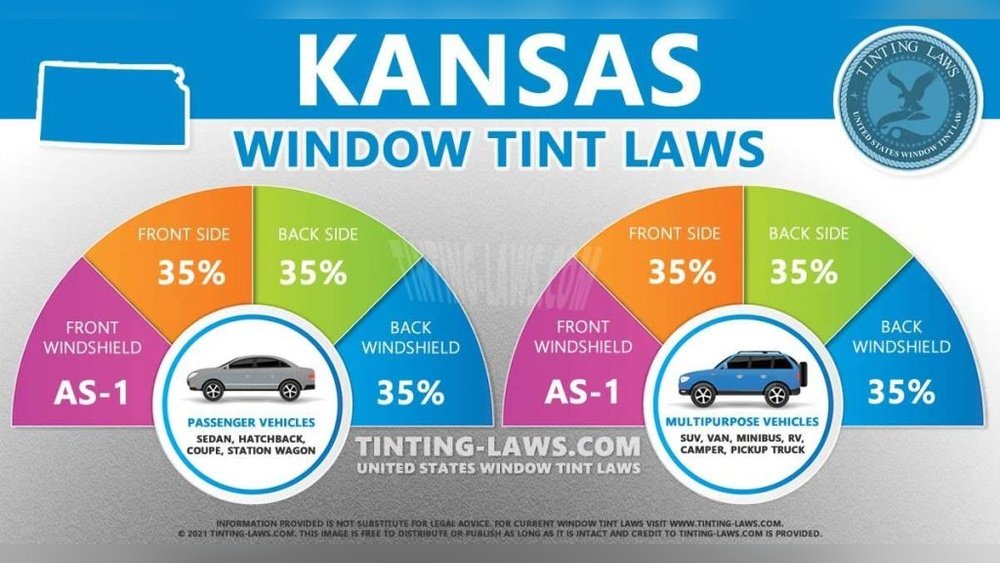
Thinking about tinting your car windows in Kansas? Before you pick the shade, it’s crucial to know the rules that protect you and keep you legal on the road.
Window tint laws in Kansas can be tricky, with specific limits on how dark your tint can be, which colors are allowed, and even special medical exemptions. If you don’t follow these laws, you could face fines or have to remove your tint.
You’ll get a clear, simple breakdown of everything you need to know about window tint laws in Kansas—so you can make the right choice for your vehicle and drive with confidence. Keep reading to avoid surprises and ensure your tint keeps you safe and compliant.
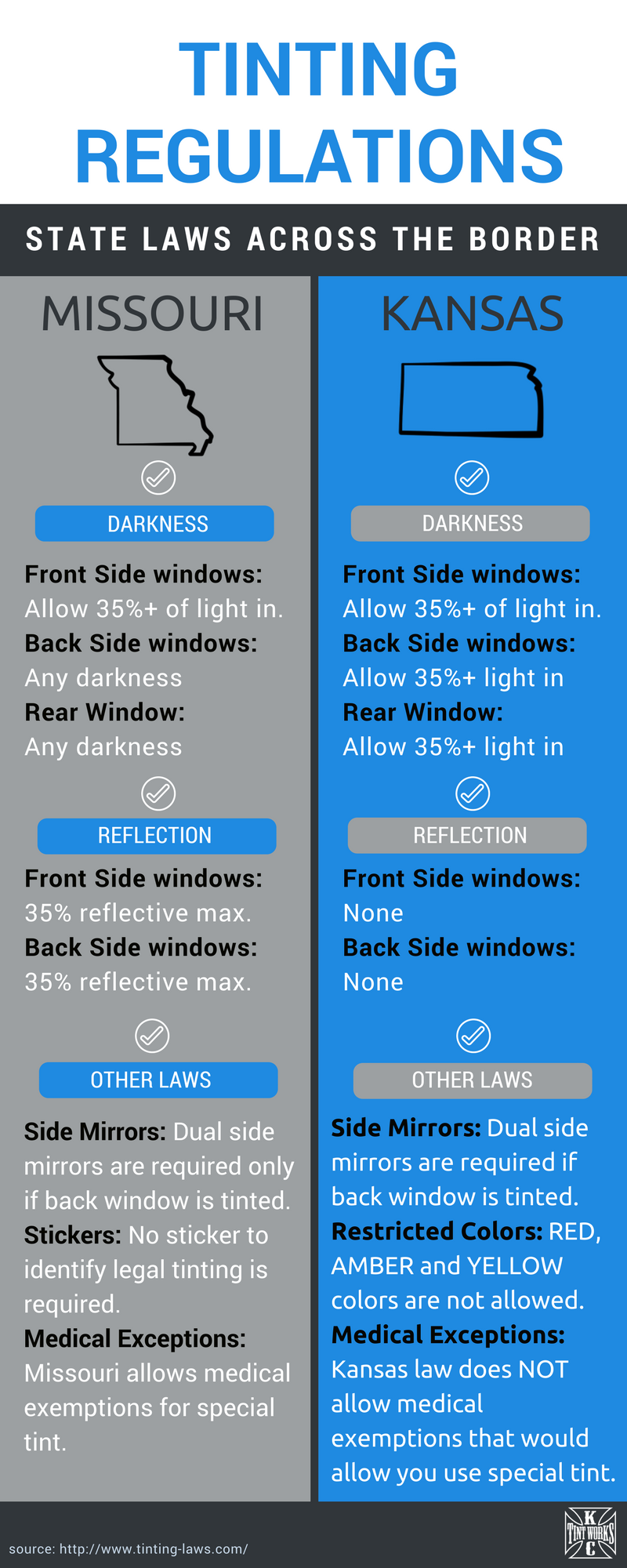
Credit: kctintworks.net
Kansas Tint Limits
Kansas has clear rules about how dark window tint can be on vehicles. These rules protect drivers and passengers while allowing some privacy and heat reduction. Understanding the limits helps avoid fines and ensures your car meets state law.
Front Side Windows
The front side windows must allow at least 35% of light to pass through. This means the tint cannot be too dark. The law aims to keep visibility high for safety. Drivers and passengers should still see clearly through these windows.
Rear Side Windows
The rear side windows have fewer restrictions. They can have any darkness level. This gives car owners more freedom to use darker tint on the back windows. It helps with privacy and blocks sunlight effectively.
Windshield Tint Rules
The windshield can only have tint on the top strip. This strip must be no lower than the top 5 inches of the windshield. The tint here is usually a non-reflective strip. No dark tint is allowed on the main windshield area.

Credit: kepler-dealer.com
Color And Reflectivity Rules
In Kansas, window tint laws include specific rules about color and reflectivity. These rules help keep drivers safe and ensure clear visibility on the roads. Not all tint colors are allowed. Some colors can distract other drivers or reduce visibility too much. Kansas also limits how reflective a tint can be. Reflective or mirrored tints may cause glare and unsafe driving conditions.
Prohibited Tint Colors
Kansas bans certain tint colors on vehicle windows. Red, amber, and yellow tints are not allowed on any windows. These colors can confuse other drivers or mimic emergency vehicle lights. The law requires tints to be neutral in color. Common legal colors include black, gray, and bronze shades. Using prohibited colors can lead to fines and failed vehicle inspections.
Reflective And Mirrored Restrictions
Tints that have a shiny, mirrored, or metallic finish are illegal in Kansas. These reflective tints can blind other drivers by reflecting sunlight or headlights. The law requires tints to have low reflectivity. This means the tint must not reflect more light than the vehicle’s original glass. Non-reflective films maintain safety and reduce glare on the road. Drivers should choose tints that meet these reflectivity rules to avoid penalties.
Medical Exemptions
Kansas allows medical exemptions for window tint laws. These exemptions help people with health issues needing extra protection from sunlight. Medical exemptions permit darker tints than usually allowed. They provide comfort and safety while driving.
Understanding the rules for medical exemptions is important. Knowing who qualifies and what paperwork is needed avoids fines and legal trouble.
Eligibility Criteria
Medical exemptions apply to drivers with specific health conditions. These include lupus, skin cancer, and other light-sensitive illnesses. The condition must make exposure to sunlight harmful.
Only a licensed physician can confirm eligibility. The doctor must state that tinted windows are necessary for health reasons. This helps protect drivers from harmful UV rays.
Documentation Requirements
Drivers must carry official documents to use medical exemptions. A signed note from a licensed physician is required. The note should describe the medical condition clearly.
It must also state that window tinting is essential for treatment. The document should include the doctor’s contact details and signature. Drivers must present this proof during traffic stops.
Commercial Vehicle Tint Laws
Commercial vehicle window tinting in Kansas follows specific rules. These laws differ from those for personal cars. The goal is to ensure safety and visibility for commercial drivers and other road users.
Understanding these rules helps avoid fines and legal trouble. Businesses must follow the legal limits to protect their drivers and comply with state laws.
Permitted Tint Levels For Commercial Vehicles
Kansas allows less dark tint on commercial vehicles than on personal ones. The front side windows must allow at least 35% of light in. The rear side windows can have a darker tint but must not block visibility.
The windshield can have a strip of tint at the top only. This strip must not extend below the manufacturer’s AS-1 line.
Prohibited Tint Colors And Reflectivity
Commercial vehicles cannot use red, yellow, or amber tint colors. These colors may cause confusion on the road. Reflective or mirrored tints are also not allowed on any windows.
These rules keep windows clear and prevent glare that can distract other drivers or law enforcement.
Medical Exemptions For Commercial Drivers
Drivers with specific medical conditions may apply for a tint exemption. A doctor’s note must support the request. The exemption allows darker tint beyond the standard legal limits.
The exemption helps drivers with light sensitivity or other eye conditions. Proper documentation is required to avoid penalties.
Additional Requirements For Commercial Vehicles
If the rear window is tinted, commercial vehicles must have dual side mirrors. This rule ensures the driver maintains full rear visibility. It is a key safety measure for large vehicles on Kansas roads.
Following these rules is important for safe driving and legal compliance. Businesses should check state updates regularly for any changes.
Mirror And Visibility Requirements
Kansas has clear rules about mirrors and visibility for vehicles with tinted windows. These rules help keep drivers safe. They ensure drivers can see well and other drivers can see the vehicle clearly. Following these rules avoids fines and ensures legal compliance.
Dual Side Mirror Rule
Kansas requires vehicles with dark tint on the rear window to have dual side mirrors. Both left and right side mirrors must be present. This rule helps drivers see traffic behind and beside the car. It is especially important when the rear window tint reduces visibility. Cars without a rear window or with insufficient rear visibility must follow this rule.
Visibility Standards
The law sets limits on how dark window tint can be. The tint must allow enough light to pass through. This rule ensures drivers can see outside clearly. It also helps police officers check inside the vehicle. The front side windows must have a minimum visible light transmission (VLT) of 35%. Rear windows can have darker tint if the vehicle has dual side mirrors. Tinted windows cannot have a mirrored or reflective finish. These standards balance privacy and safety on the road.
Enforcement And Penalties
Kansas enforces window tint laws strictly to maintain road safety. Law enforcement officers regularly check vehicle window tints. They ensure that drivers follow the legal limits set by the state. Violations can lead to fines or other penalties. Understanding enforcement helps drivers avoid trouble on the road.
Common Violations
Many drivers break tint laws without knowing it. Using tint darker than the allowed limit is a frequent issue. Another common problem is applying reflective or mirrored films. Tint colors like red, amber, or yellow are also illegal in Kansas. Drivers often miss medical exemption rules and get cited unfairly.
Fines And Fix-it Tickets
Kansas issues fines for window tint violations. The amount depends on the severity of the offense. Officers may give fix-it tickets, requiring correction of the tint. Drivers must remove or replace illegal tints within a specific time. Failure to comply can lead to higher fines or court appearances.
Comparing Kansas To Neighboring States
Understanding window tint laws in Kansas is essential for drivers. Comparing these rules with neighboring states highlights differences and similarities. This helps drivers stay legal and avoid fines while enjoying their tint preferences.
Kansas allows certain levels of tint darkness and restricts colors and reflectivity. Neighboring states have their own laws that can be stricter or more lenient. Exploring Missouri and other Midwestern states gives a clear view of regional tint regulations.
Missouri Tint Laws
Missouri permits slightly darker tints than Kansas on front side windows. The law requires at least 35% visible light transmission (VLT) on front windows. Rear side windows and back glass have no VLT limits if the vehicle has side mirrors.
Missouri bans red, amber, and yellow tint colors similar to Kansas. Reflective or mirrored tints are also not allowed. Medical exemptions exist for those needing darker tints for health reasons.
Other Midwestern States
States like Nebraska, Iowa, and Oklahoma have varied tint laws. Nebraska requires 35% VLT on front side windows, matching Missouri. Iowa allows 35% VLT on front windows but restricts tint on windshields.
Oklahoma permits 25% VLT on front side windows, which is darker than Kansas. Most of these states ban colored and reflective tints as well. Medical exemptions are common across the Midwest for special cases.
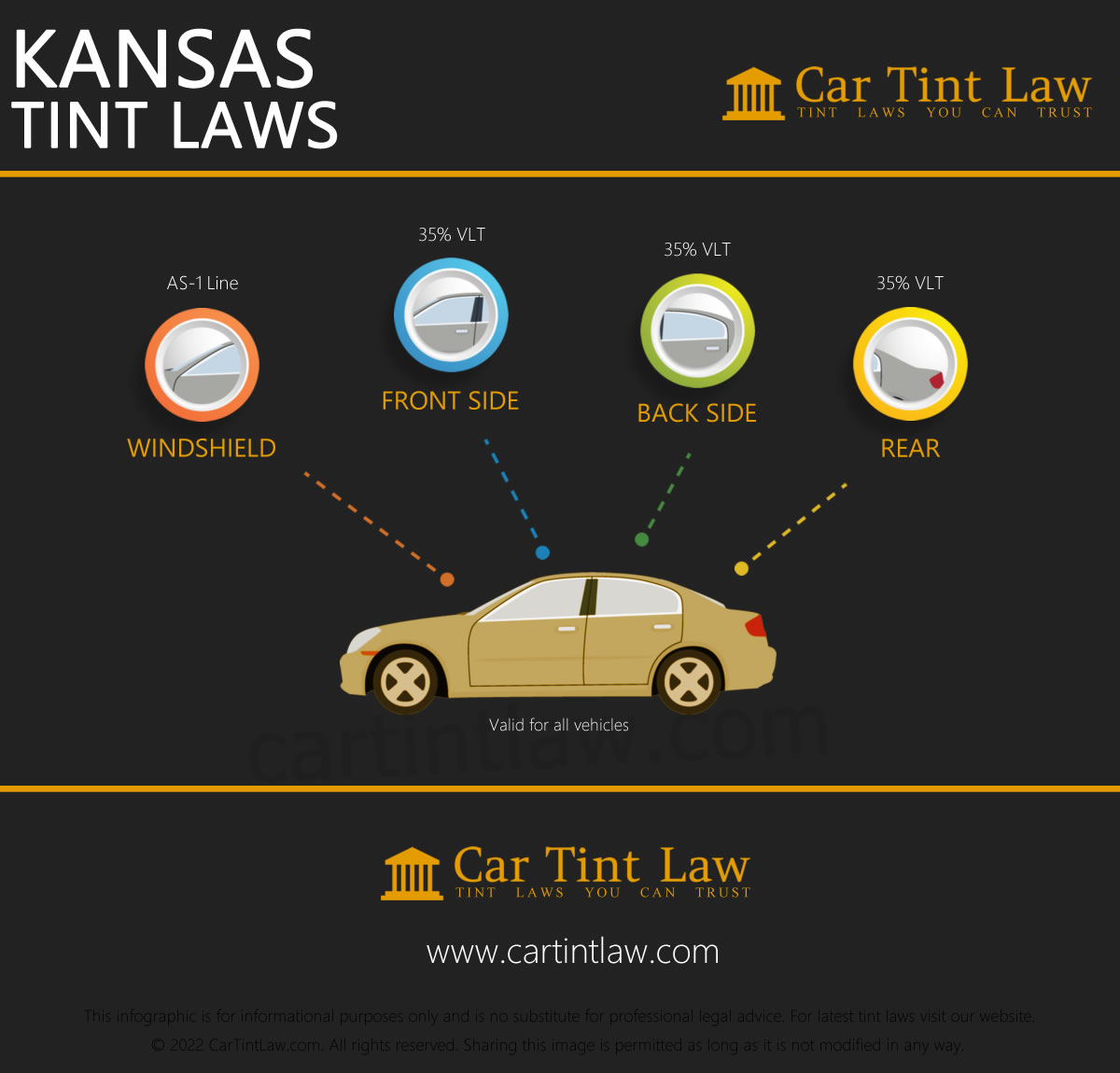
Credit: www.cartintlaw.com
Tips For Choosing Tint
Choosing the right window tint for your vehicle in Kansas requires careful thought. The tint must comply with state laws while meeting your privacy and comfort needs. This guide helps you pick the best tint safely and legally.
Legal Tint Levels
Kansas has specific rules on how dark your window tint can be. The front side windows must allow at least 35% of light to pass through. Rear side windows and back windows have no strict limits but should not be reflective or mirrored. The windshield can have a non-reflective tint strip along the top only.
Colors like red, amber, or yellow are not allowed. Reflective or mirrored finishes are also illegal. Medical exemptions may apply if you have a doctor’s note, but you must carry it while driving. Always check the latest local laws before tinting your car windows.
Working With Professional Installers
Hiring a professional installer helps ensure your tint meets Kansas laws. Experts use quality materials and precise techniques for a smooth finish. They also know which films comply with legal standards.
Professional installation reduces the risk of bubbles or peeling that can damage your tint. Many installers offer warranties, giving you peace of mind. Choose a trusted company with good reviews and proper licensing. This step protects your investment and keeps your vehicle legal on the road.
Staying Updated On Laws
Window tint laws in Kansas can change. Staying updated helps you avoid fines and legal trouble. Laws vary by city and county, so check regularly. Being informed keeps your vehicle compliant and safe.
Checking Local Enforcement
Local police enforce window tint laws differently across Kansas. Some areas have strict officers, others are more lenient. Contact your local police department or sheriff’s office. Ask about current enforcement practices and any recent changes. This helps you understand how rules apply near you.
Consulting Official Sources
Official state websites provide accurate tint law details. Visit the Kansas Highway Patrol or state government pages. They update tint regulations and exceptions regularly. Official sources reduce confusion from outdated or incorrect info. Bookmark these sites for easy access and review before tinting your windows.
Frequently Asked Questions
What Is The Darkest Tint Legal In Kansas?
Kansas law allows front side windows to have at least 35% visible light transmission (VLT). Rear side and back windows have no VLT limit but must not be reflective or mirrored. Windshield tinting is allowed only on the top 5 inches.
Medical exemptions may apply.
In What State Is 20% Tint Legal?
20% tint is legal in New Mexico for front side windows. Most states require higher Visible Light Transmission (VLT) percentages. Always verify local laws before tinting.
Is Kansas Strict On Tint?
Kansas enforces moderate window tint laws. Front side windows must allow over 35% light. No red, amber, yellow, reflective, or mirrored tint is allowed. Medical exemptions may permit darker tints with a doctor’s note. Violations can result in fines or fix-it tickets.
Is 20% Window Tint Darker Than 35%?
Yes, 20% window tint is darker than 35% tint. Lower percentages allow less light through, making windows appear darker.
Conclusion
Kansas window tint laws protect drivers and ensure road safety. Tints must follow rules on darkness and color. Reflective or mirrored films are not allowed. Medical exemptions can apply with proper documentation. Dual side mirrors are required if tinting the rear window.
Knowing these rules helps avoid fines and penalties. Always check local updates before tinting your vehicle. Stay informed and drive safely on Kansas roads.