If you’re thinking about tinting your car windows in Louisiana, it’s crucial to know the rules before you get started. Window tint laws can be tricky, and breaking them might lead to fines or even legal trouble.
You want to enjoy the benefits of tint—like privacy, heat reduction, and UV protection—without risking a ticket. This guide will walk you through everything you need to know about Louisiana’s window tint laws, including what’s allowed, what’s not, and special exemptions.
Stay with us to make sure your tint is both stylish and legal.

Credit: www.redriverradio.org
Tint Limits For Vehicles
Louisiana has clear rules about how dark vehicle window tints can be. These rules help drivers stay safe and avoid fines. Understanding the tint limits for different vehicle windows is important for all drivers in the state.
Front Side Window Restrictions
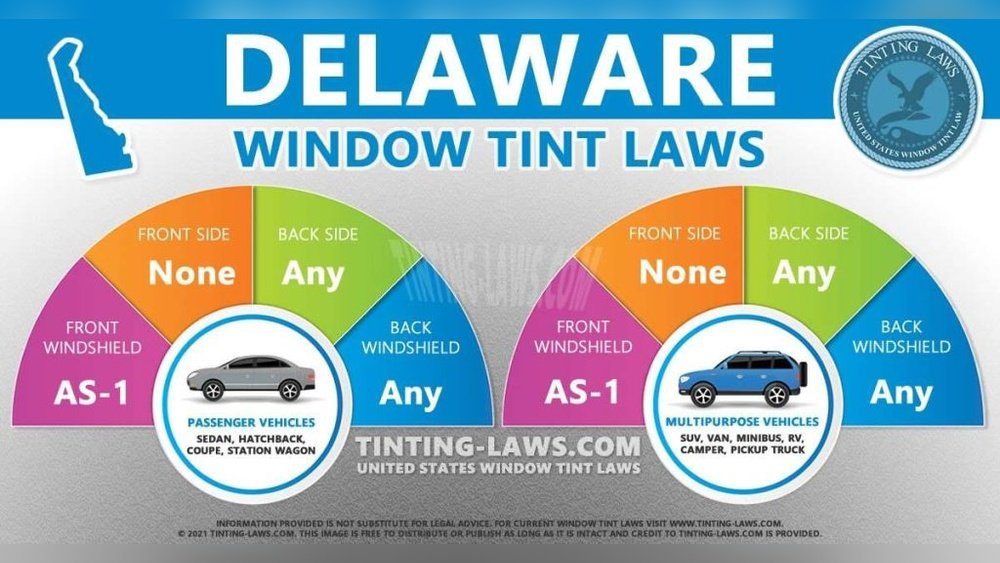
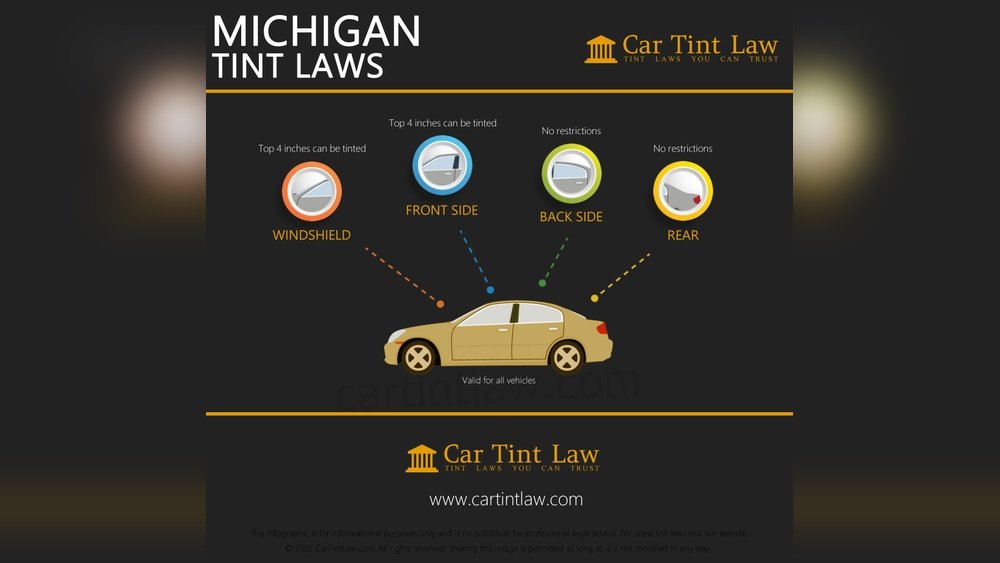
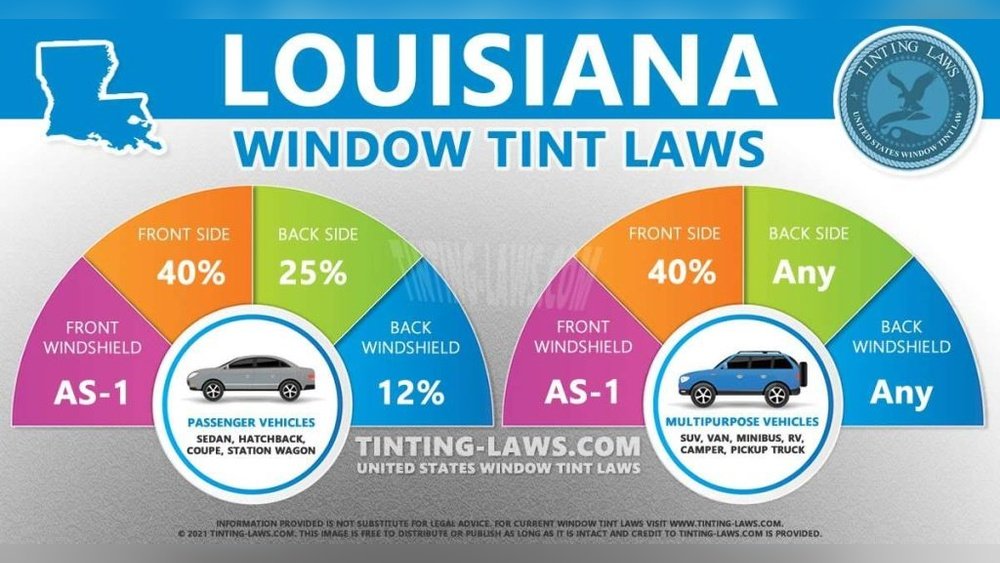
In Louisiana, front side windows must allow more light in. The tint must let in at least 28% of outside light. Darker tints on these windows are not allowed. This helps police officers see inside the vehicle for safety.
Windshield Tint Rules
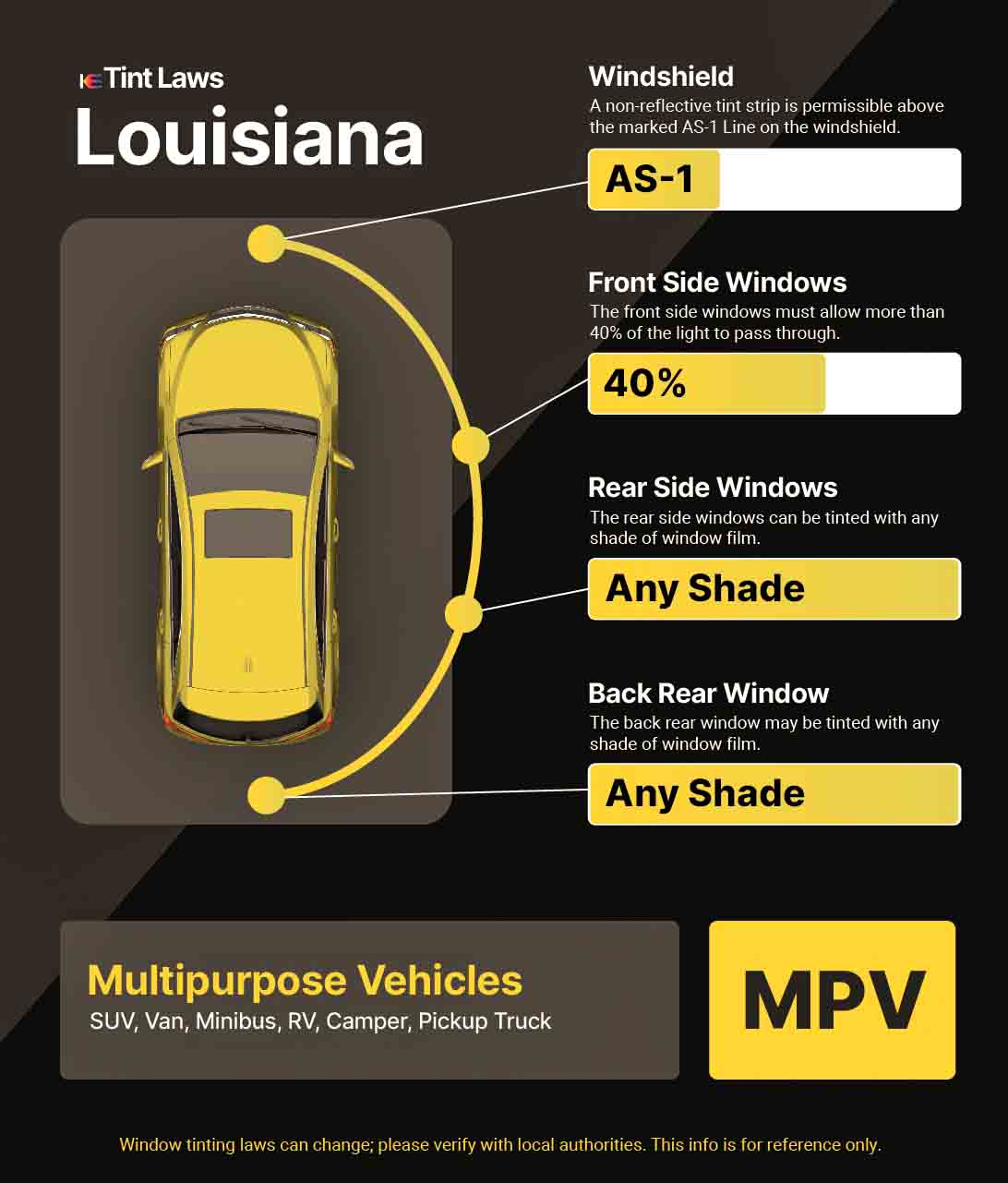
The windshield cannot have any tint except at the top. A non-reflective strip is allowed along the top, but it must not extend below the manufacturer’s AS-1 line. This rule keeps the driver’s view clear and safe.
Rear And Backside Window Standards
Rear and back side windows can have darker tints. Louisiana law does not set a specific light transmission level for these windows. However, the tint must not be reflective or mirror-like. This provides privacy while keeping safety in mind.
Recent Changes In Tint Laws
Louisiana has updated its window tint laws recently. These changes affect how dark your car windows can be tinted. The new rules aim to balance driver comfort and road safety. Both drivers and tinting businesses should understand these updates.
New Allowed Darkness Levels
The state now permits darker tints on front side windows. The allowed visible light transmission (VLT) percentage has decreased, letting less light through. Rear side windows and back windows still have different limits. Windshields remain mostly untinted, except a small strip at the top. These changes help reduce glare and heat inside vehicles.
Impact On Tint Businesses
Tint shops in Louisiana see new opportunities due to relaxed rules. Customers want darker tints that were previously illegal. Businesses must stay updated on the legal limits to avoid fines. They also help educate drivers about safe and legal tint levels. This leads to more trust and repeat customers.
Enforcement Adjustments
Law enforcement uses electronic tint meters to check window shades. Police officers focus more on safety and legal compliance. Fines have increased for repeat offenders to discourage illegal tinting. Drivers should carry any medical exemptions if applicable. These enforcement changes aim to keep roads safer for everyone.
Medical Exemptions
Louisiana law offers medical exemptions for window tinting rules. This helps drivers with special health needs. It allows darker tints than normally permitted. The exemption protects people sensitive to light or with other medical issues.
Medical exemptions require official approval. Drivers must follow a clear process to get this benefit. The state monitors and renews these exemptions regularly. Understanding the details helps drivers stay legal and safe.
Qualifying Conditions
Certain medical conditions qualify for tint exemptions. Light sensitivity, such as photophobia, is common. Other eye problems or skin conditions may also qualify. A licensed doctor or optometrist must confirm the condition. The condition must make normal tinting harmful or uncomfortable.
Application Process
Start by getting a signed affidavit from a doctor. The affidavit explains the medical need for tint. Submit the affidavit to the Louisiana Department of Motor Vehicles. Include your vehicle information and personal ID. Keep a copy of the exemption in your car. Law enforcement may ask for proof during stops.
Exemption Validity And Renewal
Medical tint exemptions do not last forever. They have an expiration date set by the state. Drivers must renew the exemption before it expires. Renewal requires another doctor’s statement confirming the condition. Timely renewal prevents fines and legal issues. Keep track of your exemption’s expiration date carefully.
Enforcement And Penalties
Louisiana enforces window tint laws strictly to ensure driver safety and visibility. Authorities use various methods to check compliance. Penalties apply to those who break the rules. Understanding enforcement helps avoid fines and legal trouble.
Use Of Electronic Tint Meters
Law enforcement officers use electronic tint meters. These devices measure how much light passes through the window film. The meter gives a precise reading of tint darkness. It helps officers confirm whether a vehicle meets legal limits. This tool reduces guesswork and makes enforcement fair.
Fines And Repeat Offense Consequences
Drivers caught with illegal tint face fines. The amount varies but starts with a basic penalty. Repeat offenders pay higher fines and may face more serious consequences. Some cases may lead to court appearances or vehicle inspections. Fines aim to encourage compliance and safer roads.
Police Procedures For Tint Checks
Police can stop vehicles suspected of having illegal tint. They perform tint checks during traffic stops or safety inspections. Officers use tint meters or visual assessment to inspect windows. If tint is too dark, they issue citations or warnings. Drivers must fix illegal tint to avoid further penalties.
Tint Laws For Different Vehicle Types
Louisiana sets different window tint rules based on vehicle types. These rules help ensure safety and visibility for drivers and law enforcement. It is important to know the tint limits for your specific vehicle. The laws vary for passenger cars, trucks, commercial vehicles, and specialty vehicles.
Passenger Cars
Passenger cars have strict tint limits on front and rear windows. The front side windows must allow at least 25% of light to pass through. Rear side windows and back windows can have darker tints. The windshield cannot have tint except a small non-reflective strip at the top. These rules keep drivers visible to police and other road users.
Trucks And Commercial Vehicles
Trucks and commercial vehicles follow similar tint rules as passenger cars. Front side windows must also allow 25% light transmission or more. Rear windows can have darker tints for privacy and security. Commercial vehicles may have some additional regulations due to their size and usage. Check local laws to ensure compliance with commercial vehicle tinting.
Specialty And Recreational Vehicles
Specialty and recreational vehicles include RVs, campers, and custom vehicles. Tint limits can be more flexible in these vehicles. The front windshield still cannot have tint except for the top strip. Side and rear windows often allow darker tints for privacy and sun protection. It is important to confirm specific tint rules for specialty vehicles before tinting.
How Tint Laws Affect Drivers
Window tint laws in Louisiana have a direct impact on every driver. These rules control how dark or reflective your car windows can be. Understanding them helps avoid trouble on the road. Drivers must follow the laws to keep safe and legal while driving. Tint laws also affect visibility and comfort inside the vehicle. Knowing these details helps you make better choices for your car.
Legal Risks Of Non-compliance
Breaking Louisiana tint laws can lead to fines. Police can stop your vehicle for illegal tint. You may face a ticket or even vehicle impoundment. Repeat offenses bring higher penalties. Non-compliant tint can cause your car to fail inspections. Legal issues can delay or block vehicle registration. It is important to check your tint before driving.
Tips For Choosing Legal Tint
Know the allowed tint levels for each window type. Front windshield tint is mostly banned except for a small strip. Front side windows require lighter tint than rear windows. Use a tint meter or consult a professional before installation. Choose films that meet Louisiana’s legal standards. Keep documentation of your tint film for police checks. Consider medical exemptions if you have eye conditions.
Benefits Of Proper Tinting
Legal tint improves driver comfort by reducing glare and heat. It protects skin and car interiors from harmful UV rays. Proper tinting enhances privacy without risking fines. It keeps your vehicle safe from prying eyes. Legal tint maintains good visibility, especially at night. It adds a stylish look while following the law. Proper tinting ensures peace of mind on every trip.
Resources And Compliance Tips
Understanding and following Louisiana’s window tint laws helps avoid fines and legal trouble. This section offers resources and tips to stay compliant. Use these to ensure your vehicle meets state requirements.
Where To Get Tint Inspections
Find authorized inspection stations across Louisiana for tint checks. These include many auto shops and state vehicle offices. Getting your tint inspected ensures it meets state rules before you drive.
Some shops specialize in tint services and inspections. Visit them to test your windows and get official approval. Keep inspection certificates in your vehicle to show law enforcement if needed.
Understanding State Police Guidelines
Louisiana State Police enforce tint laws strictly with electronic tint meters. They measure how much light passes through your windows. Officers can stop you if your tint is darker than allowed.
Police also check for medical exemptions. If you have one, carry the official affidavit from your doctor. This document protects you from fines related to tint darkness.
Keeping Up With Law Updates
Window tint laws can change. Stay informed by checking official Louisiana government websites. News outlets and local law enforcement also share updates.
Regularly review your tint’s compliance, especially after new laws are passed. This helps avoid unexpected tickets and penalties.
Credit: kepler-dealer.com
Credit: kepler-dealer.com
Frequently Asked Questions
What’s The Darkest Legal Tint In Louisiana?
Louisiana allows front side window tint at a minimum of 28% visible light transmission (VLT). No tint is permitted on the front windshield, except a non-reflective strip at the top. Medical exemptions allow darker tints with proper documentation.
In What State Is 20% Tint Legal?
New Mexico allows 20% tint on front side windows legally. Most other states require lighter tints or have different limits.
Can A Cop Pull You Over For Tint In Louisiana?
Yes, police can pull you over for illegal window tint in Louisiana. The law regulates tint darkness on front side windows and windshield. Officers use tint meters to check compliance. Medical exemptions apply with proper documentation. Violations may result in fines and penalties.
Is 35% Or 20% Tint Darker?
A 20% tint is darker than a 35% tint. Lower percentages mean less light passes through, resulting in a darker shade.
Conclusion
Understanding Louisiana’s window tint laws helps you stay safe and legal. Darker tints are allowed on front side windows but must follow limits. No tint is permitted on the front windshield except a small strip at the top. Medical exemptions exist for those with light sensitivity, requiring proper documentation.
Police use tint meters to enforce these rules strictly. Following these laws avoids fines and keeps your vehicle compliant. Stay informed to enjoy your tint without trouble on Louisiana roads.