Are you thinking about tinting your car windows in Maine? Before you head out to get that sleek, shaded look, it’s important to know the rules that keep you on the right side of the law.
Window tint laws in Maine can be tricky, and getting it wrong might lead to fines or even failed vehicle inspections. But don’t worry—this guide will break down exactly what you need to know about how dark your tint can be, which colors are allowed, and how medical exemptions work.
By understanding these rules, you can protect your privacy, stay safe on the road, and avoid any legal headaches. Keep reading to make sure your window tint is fully legal in Maine!
Maine Tint Limits
Maine sets clear rules for window tinting on vehicles. These rules protect drivers and law enforcement by ensuring enough light passes through car windows. Understanding Maine tint limits helps avoid fines and keeps your tint legal. Below, learn key details about visible light transmission, tint darkness for each window, and banned colors or reflective materials.
Visible Light Transmission Rules
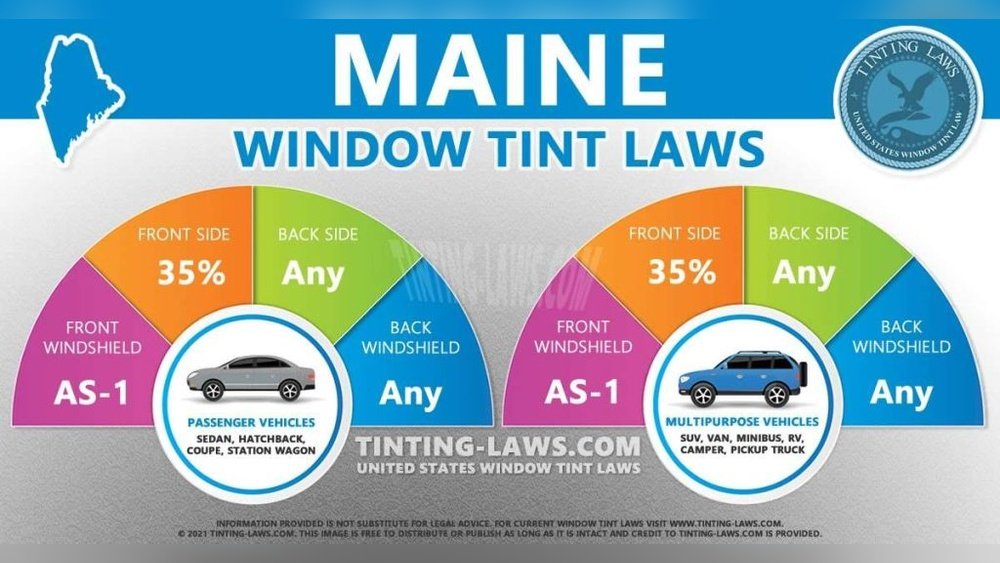
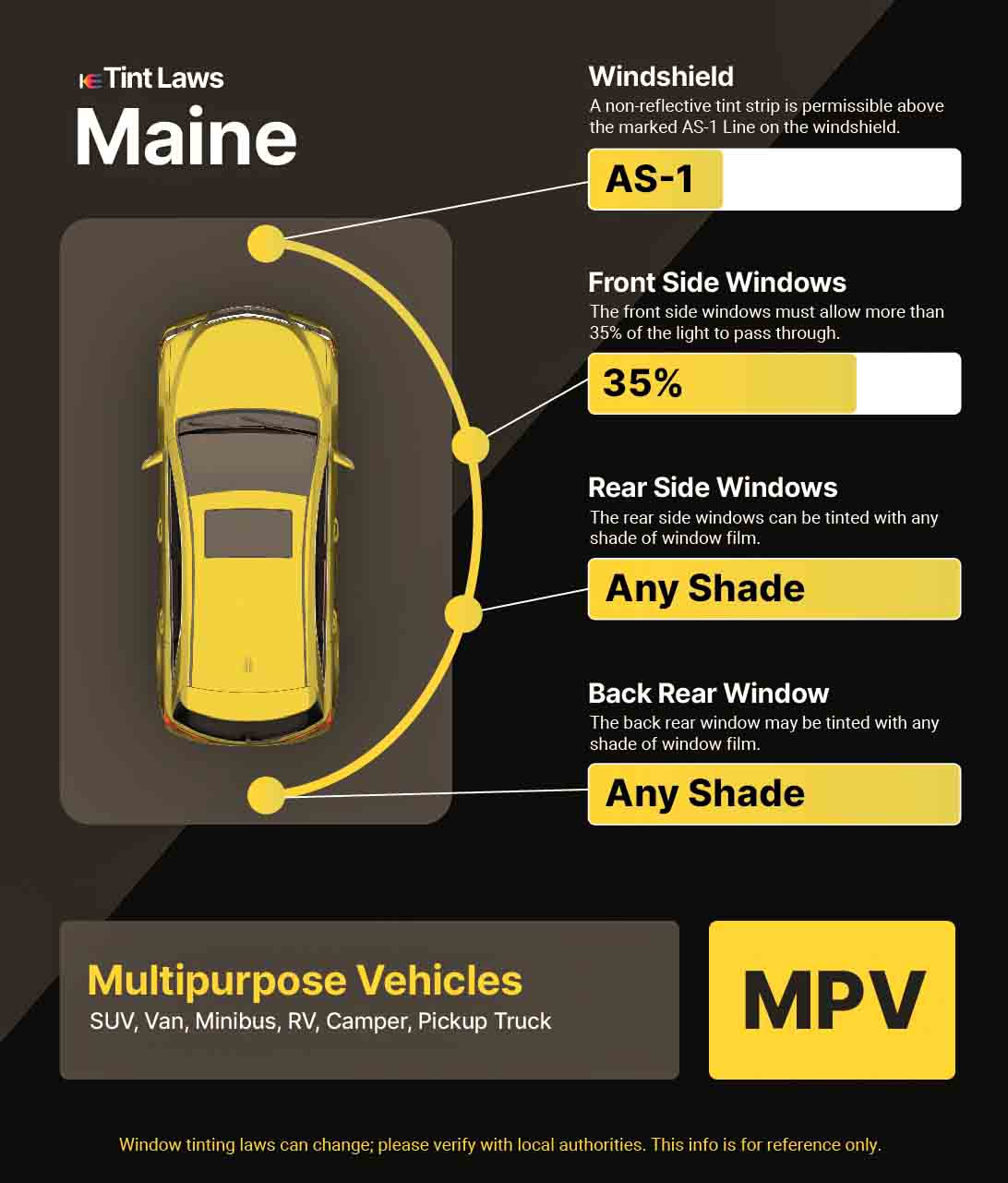
Visible Light Transmission (VLT) means how much light passes through tinted glass. In Maine, front side windows must allow more than 50% of light. Rear side windows and the back window can have darker tints with less light allowed. Proper VLT ensures drivers see clearly and police can see inside if needed.
Tint Darkness By Window
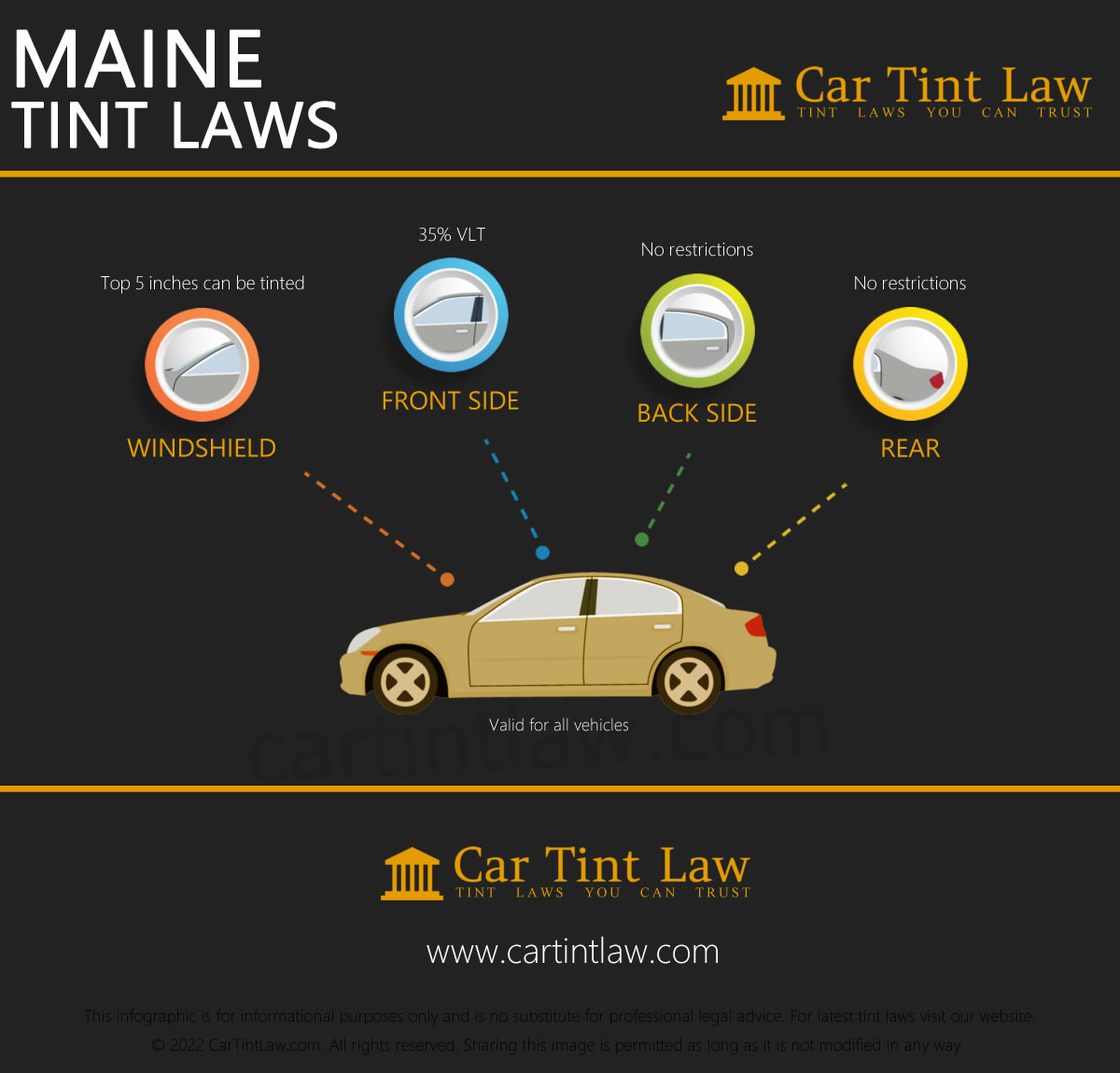
The law sets different darkness levels for each window on your car. Front windshield can only have a non-reflective strip on the top. Front side windows need at least 50% VLT. Rear side windows and the back window can be darker, with no specific limit. Always check your car’s windows to match these rules.
Prohibited Colors And Reflectivity
Maine bans reflective or mirrored tint on all windows. This stops glare that can blind other drivers. The state allows red, yellow, and amber tints, unlike many others. These colors must still follow VLT rules. Avoid using colors or materials that increase reflectivity to stay legal.
Medical Tint Exemptions
Maine allows medical tint exemptions for people with specific health needs. These exemptions permit darker window tints than normally allowed by law. The goal is to protect individuals sensitive to sunlight or glare. The state police handle exemption approvals and paperwork. Drivers must follow the proper steps to apply and use these exemptions legally.
Qualifying Conditions
Medical tint exemptions apply to people with certain eye or skin conditions. Examples include lupus, albinism, and photosensitivity. These conditions make sunlight harmful or painful. A doctor must confirm the diagnosis. Only verified medical needs qualify for exemption from tint limits.
Application Process
To get a medical tint exemption, apply through the Maine State Police. Submit a doctor’s letter explaining your condition and need for darker tint. The police review your application and may ask for more information. Once approved, you receive official paperwork. Keep this document in your vehicle at all times.
Exemption Documentation
The exemption paperwork shows you are legally allowed darker window tint. Law enforcement officers may request this document during inspections or stops. Without it, your tint may be considered illegal. Always carry the exemption form when driving with medical tint. Renew the exemption as required by state rules.
Inspection And Compliance
Understanding inspection and compliance is crucial for following window tint laws in Maine. The state has specific rules to ensure that all window tints meet legal standards. Regular inspections help keep drivers safe and enforce these regulations.
Authorities verify tint levels and check if proper documentation is available. Compliance helps avoid fines and penalties. Below are the key aspects of inspection and compliance in Maine.
Required Tint Certificates
Drivers must carry a tint certificate if their vehicle has tinted windows. This certificate proves that the tint meets Maine’s legal limits. It must show the percentage of visible light transmission allowed.
Without this certificate, drivers risk being stopped and fined. The certificate should be available during any vehicle inspection or traffic stop.
Role Of State Police
The Maine State Police have the authority to check window tints for compliance. They can stop vehicles and examine the tint material. Their job is to ensure all drivers follow the tint laws.
The Chief of State Police can authorize officers to inspect window glazing. This helps enforce safety and legal standards across the state. State Police also handle medical exemption approvals related to tint.
Inspection Procedures
During an inspection, officers use special tools to measure tint darkness. They check the visible light transmission of each tinted window. Officers compare the results to Maine’s legal limits.
Inspectors also verify the presence of a valid tint certificate. If windows are too dark or certificates are missing, violations are issued. Regular inspections keep roads safer for everyone.
Credit: q1065.fm
Mirror And Rear Window Rules
The rules for mirror and rear window tinting in Maine ensure safety and visibility on the road. These rules balance the desire for privacy with the need for clear sightlines. Understanding these regulations helps drivers stay within legal limits.
Dual Side Mirror Requirement
Maine law requires vehicles with tinted rear windows to have dual side mirrors. These mirrors must provide a clear view of traffic behind the vehicle. The rule helps drivers see other cars despite the dark tint on the rear window. Without these mirrors, driving can become unsafe. This requirement applies to most passenger vehicles.
Rear Window Tint Regulations
The rear window in Maine can be tinted, but only to a certain level. The law does not specify a minimum visible light transmission (VLT) percentage for rear windows. However, the tint cannot be reflective or mirror-like. The tint must not block the driver’s clear view through the rear window. This rule supports safe driving and helps law enforcement see inside the vehicle when necessary.
Penalties For Violations
Violating Maine’s window tint laws can lead to serious penalties. The state has strict rules to ensure safety and visibility on the road. Drivers must follow these rules to avoid fines and other legal trouble.
Penalties for breaking tint laws include fines and possible vehicle inspection. Law enforcement officers actively check vehicles to enforce these rules. Understanding the consequences helps drivers stay compliant and safe.
Fines And Consequences
Maine issues fines for illegal window tinting. The fine amount varies depending on the violation. Fines can range from $50 to over $200.
Repeated offenses may lead to higher fines and court appearances. The state may also require drivers to remove illegal tint. Failure to comply can result in additional penalties.
Enforcement Practices
Police officers in Maine regularly inspect vehicle window tints. They use special tools to measure light transmission through the glass. If tint levels do not meet state standards, citations are issued.
Officers may stop vehicles during traffic stops or checkpoints. Maine law allows officers to demand tint removal if necessary. This strict enforcement helps maintain road safety for everyone.
Special Cases
Maine’s window tint laws include special rules for different types of vehicles and window areas. These rules help keep drivers safe and ensure clear visibility on the roads. Some vehicles and windows have unique restrictions or allowances.
Tint Laws For Trucks And Larger Vehicles
Trucks and larger vehicles in Maine follow similar tint rules as passenger cars. The front side windows must allow more light to pass through. This means the tint cannot be too dark. Rear side and back windows can have darker tints. Reflective or colored tints are not allowed on any windows. If the truck has tinted rear windows, it must have side mirrors on both sides for safety.
Windshield Tint Restrictions
The windshield has strict tint limits in Maine. Only a small strip of tint is allowed at the top of the windshield. This strip cannot extend more than six inches down from the top edge. Dark or reflective tinting on the windshield is not permitted. Clear glass is required for the majority of the windshield to ensure good visibility. Medical exemptions may allow darker tints in some cases, but only with official approval.
Allowed Tint Colors
Understanding the allowed tint colors in Maine is important for drivers. The state has specific rules about which colors can be used on vehicle windows. These rules help ensure safety and visibility on the road. Some colors are allowed, while others are not. Knowing these details helps avoid fines and keeps your car legal.
Permitted Tints In Maine
Maine allows red, yellow, and amber tint colors on vehicle windows. These colors are uncommon in many other states. Reflective or mirrored tints are banned on all windows. The state focuses on clear tints that do not block too much light. Medical exemptions can allow darker or different tints with proper documentation. Drivers must carry a tint certificate when their windows are tinted.
Comparison To Other States
Many states restrict window tint colors to black or gray shades only. Some states forbid colored tints like red or yellow entirely. Maine’s allowance of amber and red tints is unique. Reflective tints are banned in most states, similar to Maine’s rules. Medical exemptions for darker tints exist in several states but vary widely. Knowing these differences is key for drivers traveling across state lines.
Credit: kepler-dealer.com
Credit: www.cartintlaw.com
Frequently Asked Questions
Is 35% Or 20% Tint Darker?
20% tint is darker than 35% tint because it allows only 20% of light to pass through, reducing more visibility.
What Does 35% Legal Tint Look Like?
A 35% legal tint allows 35% of light through, appearing moderately dark but still lets in noticeable daylight. It offers privacy without overly darkening windows.
How To Get A Tint Exemption In Maine?
To get a tint exemption in Maine, obtain a doctor’s letter for medical reasons. Apply to the Chief of State Police for approval and exemption paperwork.
How Dark Is 30% Tint?
A 30% tint allows 30% of light to pass through, making windows noticeably darker but still visible from outside. It reduces glare and heat effectively.
Conclusion
Understanding Maine’s window tint laws helps keep you safe and legal. Stick to allowed tint levels on each window. Remember, red, yellow, and amber tints are permitted. Medical exemptions apply for darker tints with proper paperwork. Always carry your tint certificate during inspections.
Dual side mirrors are required if the rear window is tinted. Avoid reflective tints, as they are banned on all windows. Following these simple rules avoids fines and ensures smooth travel. Stay informed and check updates regularly to comply with Maine’s tint laws.