Are you thinking about tinting your car windows in Maryland? Before you get started, it’s crucial to understand the state’s window tint laws.
Knowing how dark your tint can legally be and what rules you must follow can save you from unexpected fines or tickets. You’ll discover the exact tint limits for passenger vehicles, what types of tint are allowed, and how to stay on the right side of the law.
Whether you want privacy, protection from the sun, or just a sleek look, learning Maryland’s window tint laws will help you make the best choice without risking penalties. Keep reading to find out everything you need to know to keep your ride both stylish and legal.
Credit: www.aplusautostyling.com
Legal Tint Limits
Maryland sets clear rules on how dark window tint can be on vehicles. These laws help keep drivers and passengers safe by ensuring enough light enters the car. Understanding legal tint limits can prevent fines and legal trouble. The rules differ based on vehicle type and window location.
Tint Levels For Passenger Cars
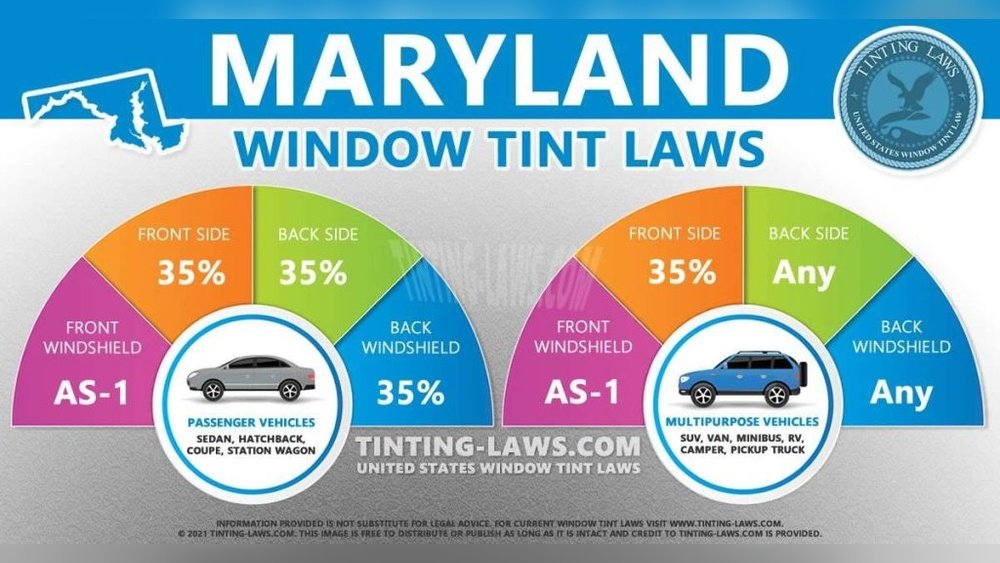
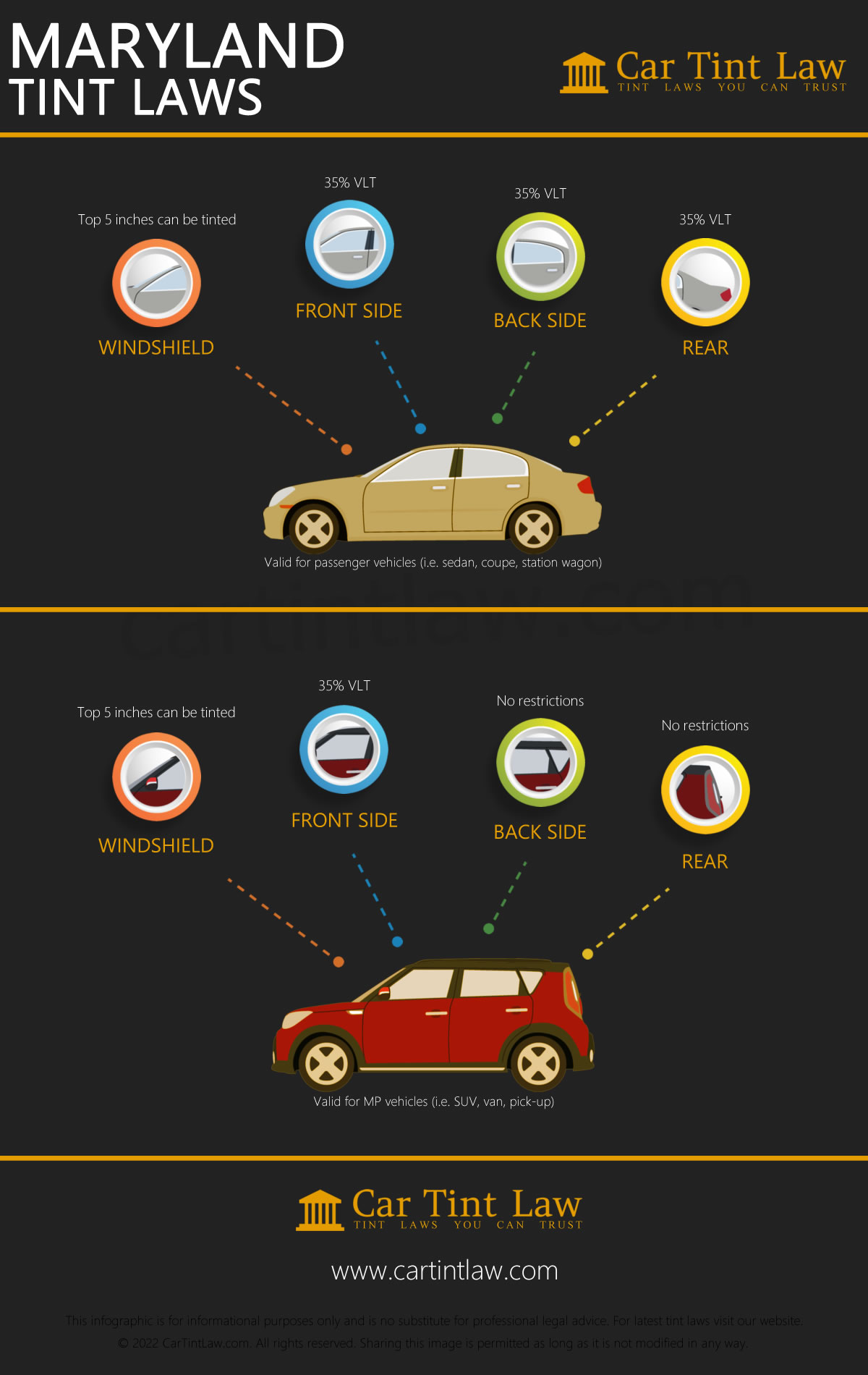
Passenger cars in Maryland have specific limits on tint darkness. The front side windows must allow more than 35% of light through. This means the tint can block up to 65% of visible light. The rear side and back windows have no restriction on tint darkness. Windshields can only have a non-reflective tint strip on the top few inches. The tint level is measured as Visible Light Transmission (VLT). Lower VLT means darker tint, which is not allowed beyond the set limits.
Restrictions On Reflective Films
Maryland bans reflective or mirrored window films. These films can create glare that distracts other drivers. The law does not allow metallic or shiny finishes on any car windows. This rule applies to all passenger vehicles. Reflective films can cause safety issues by blocking clear views. Officers may issue tickets if they spot illegal reflective tint. Choosing non-reflective films helps drivers stay within the law.
Medical Exemptions
Drivers with certain medical conditions can apply for tint exemptions. These exemptions allow darker tint than usual on front side windows. A doctor’s note or medical certificate is required. The exemption helps protect eyes from sunlight or glare. Maryland requires proper paperwork to avoid penalties. Police officers will check for valid medical exemption documentation during stops.
Enforcement Details
Understanding enforcement details of Maryland’s window tint laws helps drivers avoid penalties. Police focus on safety and visibility when checking tints. They use tools and rules to ensure compliance and public safety.
When Police Can Pull You Over
Police may stop a vehicle if the tint looks too dark. They watch for signs of illegal tint blocking visibility. If tint reduces light below allowed limits, it can prompt a traffic stop. Officers have the right to check tints anytime on public roads. Suspicion of non-compliance or related safety issues often triggers a stop.
Use Of Tint Meters
Officers use tint meters to measure visible light transmission (VLT). The meter shows the exact percentage of light passing through the window. Maryland law requires at least 70% VLT on front side windows. If the meter reads below this, the tint is illegal. This device helps remove guesswork and enforces the law fairly.
Fix-it Tickets And Fines
Drivers caught with illegal tint usually receive a fix-it ticket. This ticket, called a SERO, demands correction within a set time. The driver must remove or adjust the tint to meet legal standards. After correction, they must pass an inspection to close the ticket. Fines may apply if the violation is not fixed promptly. Repeated offenses can lead to higher fines and penalties.
Compliance Tips
Following Maryland’s window tint laws keeps you safe and legal. Simple steps help you avoid fines and hassle. Understand the rules clearly before you tint your vehicle. Use these tips to stay in compliance with state regulations.
Checking Tint Labels
Always check for a tint label on your windows. The label shows the VLT percentage, which must meet Maryland’s limits. Without a proper label, your tint may be illegal. Keep the label visible for law enforcement inspection. This small step prevents unnecessary tickets and stops.
Obtaining Medical Exemptions
Maryland allows medical exemptions for window tinting. People with certain health conditions can apply for special permits. A doctor’s note is required to prove the need. Submit your medical documents to the state authorities. Carry the exemption certificate in your vehicle at all times.
Working With Professional Installers
Choose a licensed and experienced tint installer in Maryland. Professionals know the legal tint limits and rules. They use quality films that comply with state laws. Installation by experts reduces the risk of uneven or peeling tint. Ask the installer for a compliance certificate after service.
Penalties And Consequences
Understanding the penalties and consequences of violating Maryland’s window tint laws is crucial. The state enforces strict rules to ensure driver safety and visibility. Violators face several types of penalties that can affect finances, vehicle compliance, and inspections.
Fines And Fees
Maryland imposes fines on drivers with illegal window tint. The amount varies depending on the violation. Fines can range from $50 to over $100 per offense. Repeat violations may lead to higher fees. Paying fines promptly helps avoid additional penalties.
Safety Equipment Repair Orders
Officers may issue a Safety Equipment Repair Order (SERO) for illegal tint. A SERO requires the driver to fix the tint issue. The driver must then pass a vehicle inspection to clear the order. Failure to comply can lead to further legal action. SEROs keep vehicles safe and roadworthy.
Impact On Vehicle Inspections
Illegal tint can cause a vehicle to fail state inspections. Maryland requires vehicles to meet safety and visibility standards. Tinted windows that block too much light will not pass. Drivers must remove or adjust the tint before reinspection. Passing inspections is necessary to keep the vehicle registered.
Common Myths
Many drivers in Maryland have questions about window tint laws. Myths often cloud the facts. These misunderstandings can lead to fines or unsafe choices. Clear information helps you follow the law and protect your vehicle.
Misconceptions About Tint Darkness
Some believe all dark tints are illegal in Maryland. The law sets specific limits on how dark tint can be. For passenger cars, the front side windows must allow over 35% of light in. Rear windows can be darker. Not every dark tint breaks the law.
Clarifying Reflectivity Rules
Many think reflective or mirrored tints are always allowed. Maryland prohibits metallic or mirrored finishes on any window. Reflective tints that act like mirrors are illegal. The law aims to reduce glare for other drivers. Simple, non-reflective tints are the safest choice.
Legal Risks Of Non-compliance
Ignoring Maryland’s tint laws can lead to serious problems. Police can stop drivers for illegal tint levels. You may receive a fix-it ticket, called a SERO. This requires removing or changing the tint. Fines and legal fees can add up quickly. Staying within the law avoids these risks and keeps you safe.

Credit: kepler-dealer.com
Resources And Updates
Keeping up with Maryland’s window tint laws can be tricky. Rules change, and you need accurate info. Use trusted resources to stay updated and avoid penalties. Reliable guidance helps you comply and drive safely. Below are key resources to help you stay informed about tint regulations.
Maryland State Police Guidelines
The Maryland State Police provide official rules on window tint. Their website lists allowed tint levels and inspection details. They explain how law enforcement checks tint and issues tickets. Reviewing these guidelines helps you understand legal limits. The information is clear and easy to follow.
Consulting Legal Experts
Lawyers who know Maryland traffic rules can answer your questions. They clarify complex legal language about tint restrictions. Consulting an expert is helpful if you face fines or disputes. They offer advice on medical exemptions and appeal processes. Getting professional help saves time and reduces stress.
Staying Informed On Law Changes
Tint laws may change due to new state regulations. Follow local news and official announcements regularly. Signing up for newsletters from Maryland’s transportation department keeps you updated. Social media channels from police and legal groups share alerts. Staying informed prevents unintentional violations and penalties.
Credit: www.cartintlaw.com
Frequently Asked Questions
What Is The Darkest Legal Tint In Maryland?
Maryland allows a minimum of 35% Visible Light Transmission (VLT) on front side windows. No mirrored or reflective tint is legal. Rear and back windows have fewer restrictions. Medical exemptions may permit darker tints with proper documentation. Always check local rules to avoid fines.
Can You Still See Through 20% Tint?
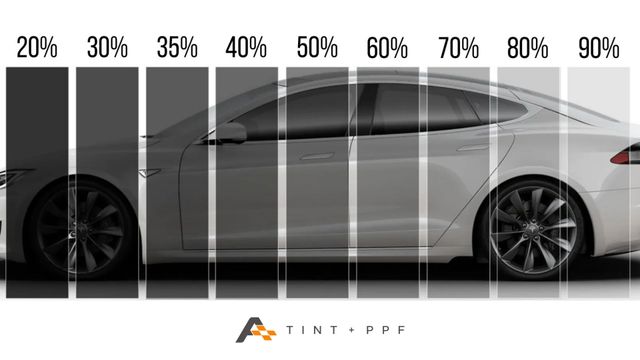
Yes, 20% tint allows some visibility but reduces light by 80%. It’s dark yet you can see through it, especially at night.
Can Maryland Police Pull You Over For Window Tint?
Yes, Maryland police can pull you over for illegal window tint. They use meters to check light transmission levels. Non-compliance may result in fines or fix-it tickets. Ensure your tint meets Maryland’s legal limits to avoid stops. Medical exemptions may apply with proper documentation.
Is 25 Percent Tint Legal?
25 percent tint is generally illegal in Maryland for passenger cars. Maryland requires at least 70% visible light transmission on front side windows. Always check local laws to ensure compliance and avoid fines or fix-it tickets. Medical exemptions may apply with proper documentation.
Conclusion
Understanding Maryland’s window tint laws helps you avoid fines and tickets. Keep your tint within legal limits for safety and compliance. Always check the visible light transmission (VLT) percentage before installation. Remember, police can stop you for illegal tint anytime.
Some medical conditions may allow exceptions, so carry proper documentation. Follow these rules to protect yourself and your vehicle. Drive safely and stay informed about any law updates. Compliance keeps your ride both stylish and legal on Maryland roads.