Thinking about tinting your car windows in Missouri? Before you make a move, it’s important to know the state’s window tint laws.
These rules affect how dark your tint can be, where it can be applied, and what you need to avoid getting pulled over. Understanding the laws not only helps you stay legal but also ensures your safety and comfort on the road.
You’ll discover exactly what Missouri allows, what could get you in trouble, and how medical exemptions work. Keep reading to protect yourself and enjoy your tinted windows without worries.
Missouri Tint Rules
Missouri has clear rules about window tinting for vehicles. These rules protect drivers and officers by ensuring visibility. Following these laws helps avoid fines and keeps roads safe. Below is a simple guide to Missouri tint rules for different car windows.
Front Side Windows
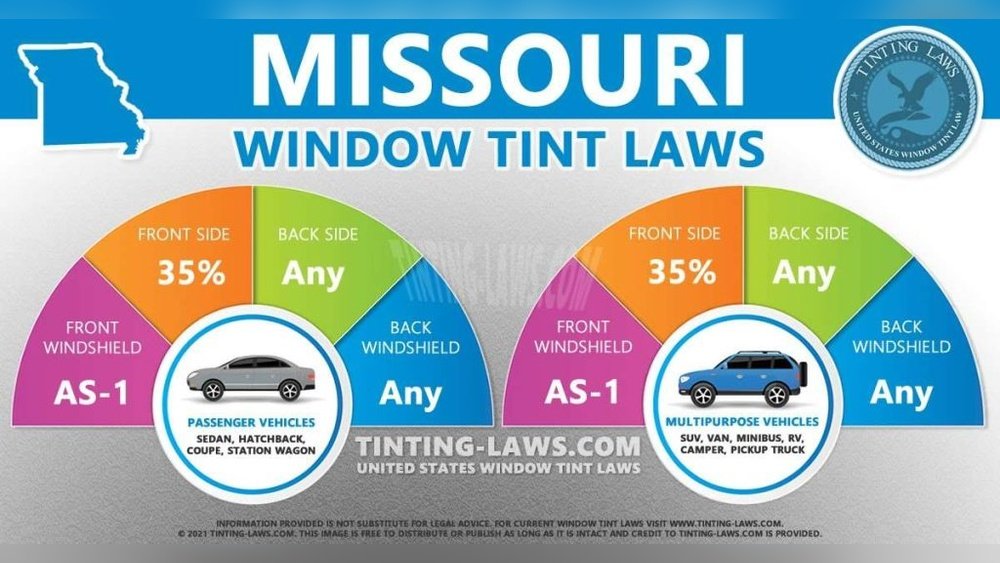
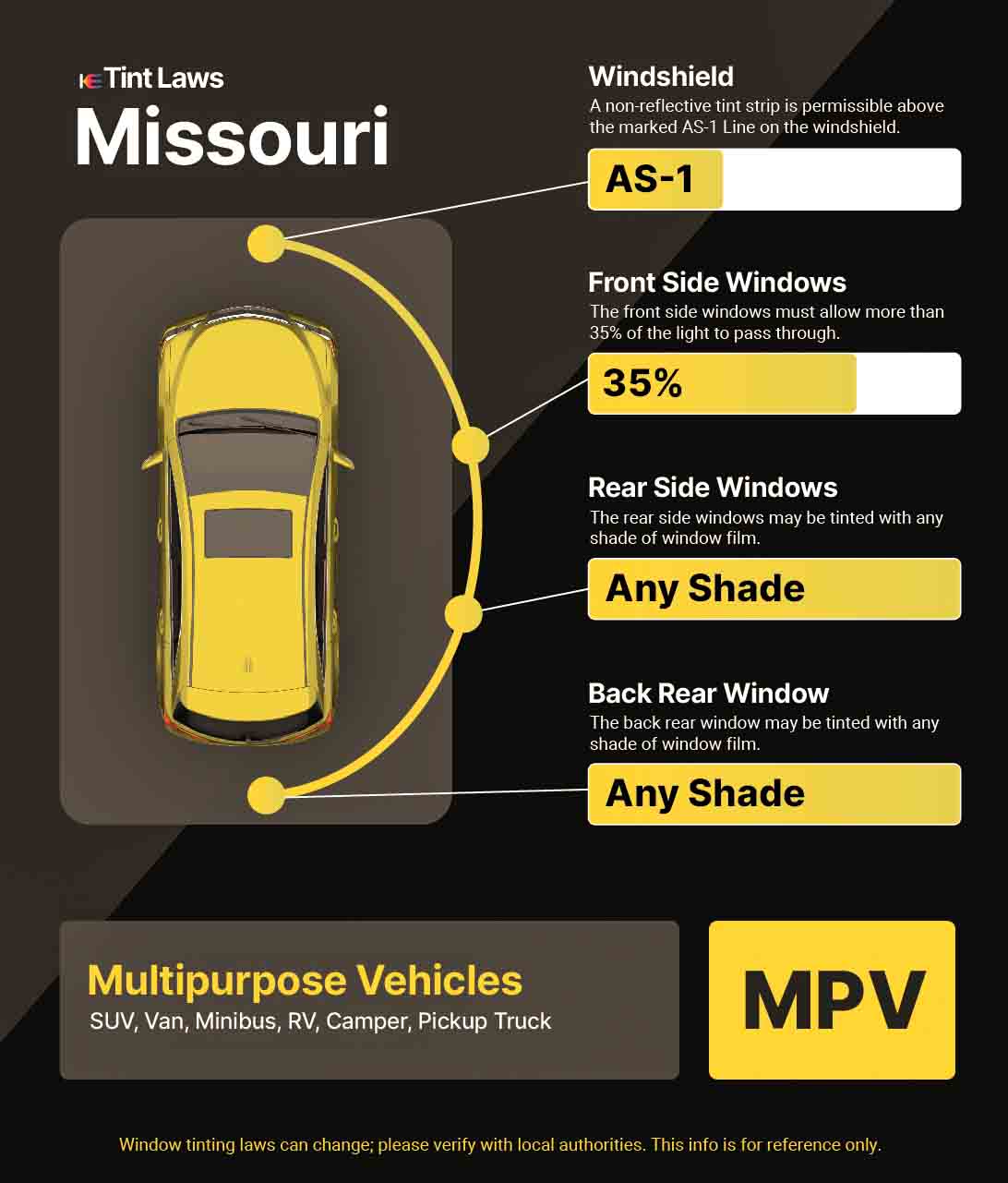
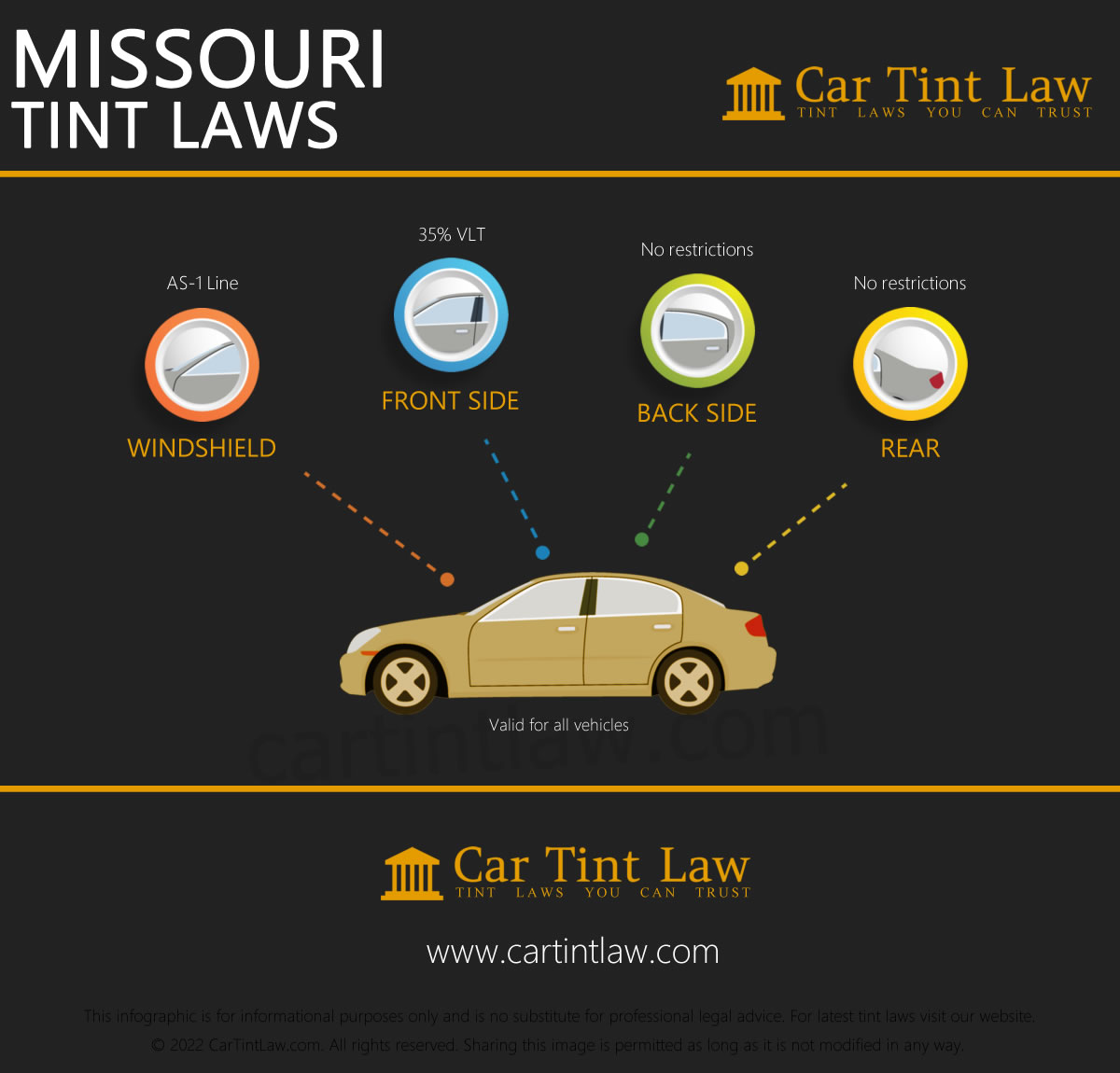
Missouri requires front side windows to allow more than 35% of light in. This means the tint can block up to 65% of light. The law helps police see inside the vehicle during stops. Dark tints on front side windows are not allowed.
Rear Windows
Rear windows can have darker tint in Missouri. There is no limit on how dark the rear window tint can be. This gives drivers privacy and reduces glare from the sun. Still, the tint must not block visibility of license plates or lights.
Windshield Restrictions
The windshield tint rules are strict in Missouri. Tinting is only allowed on the top 5 inches of the windshield. This area is called the “AS-1 line” or the upper edge. The rest of the windshield must remain clear for safety.
Visible Light Transmission Limits
Visible Light Transmission (VLT) limits define how much light must pass through your car windows. Missouri sets clear rules on how dark window tint can be. Understanding these limits helps drivers stay legal and avoid fines. VLT affects visibility, safety, and privacy while driving.
Permitted Darkness Levels
Missouri allows 35% VLT on front side windows. This means 35% of outside light must pass through the tint. The rear side and back windows have no specific VLT limits. Drivers can use darker tints on these windows. The windshield must allow at least 50% VLT, except for the top 6 inches. This area can have a tint strip to reduce glare.
The 35% rule ensures enough light enters for safe driving. It also prevents the driver’s vision from becoming too dark at night. Darker tints on rear windows help with privacy and heat reduction. Drivers should always check the exact VLT values on tint film before installation.
Measurement Methods
Missouri law requires using a light meter to measure VLT. The device shines light through the window and measures the amount of light passing through. Police officers use these meters during traffic stops. The meter reading must meet or exceed the legal VLT percentage.
Measurement occurs on clean, dry windows without obstructions. Tinted windows with defective or peeling film may cause false readings. It is best to have tint installed by professionals who understand Missouri’s rules. Knowing the measurement process helps drivers stay compliant and avoid penalties.
Pull Over Conditions
Missouri has specific rules about when police can pull over a vehicle because of window tint. These rules help officers check if your tint breaks the law. Understanding these pull over conditions will keep you safe and avoid fines.
When Police Can Stop You
In Missouri, police can stop your car if your window tint looks too dark. Officers usually notice tint that blocks too much light or makes it hard to see inside. They can also pull you over if your tint does not meet state brightness rules.
Besides tint darkness, police may stop you for other reasons linked to your windows. For example, if your windshield has illegal stickers or cracks, this can be a reason to pull you over. Police have the right to check if your tint follows Missouri’s laws.
Tint Meter Usage
Police use a tint meter to measure how much light passes through your windows. This device gives a number called Visible Light Transmission (VLT). Missouri law requires front side windows to allow at least 35% light through.
If the tint meter shows less than 35% VLT on front side windows, the tint is illegal. Police can ask you to remove the tint or face a fine. Rear windows have fewer restrictions but must still allow enough light for safety.
Using a tint meter ensures fair checks and helps officers enforce window tint laws correctly. It also protects drivers from unfair stops based on guesswork or personal opinion.
Credit: kepler-dealer.com
Medical Exemptions
Missouri law allows medical exemptions for window tinting rules. These exemptions help people with certain health problems that make them sensitive to sunlight. The state permits darker tints on car windows if a medical condition is proven. This provides comfort and protection for those who need it most.
Qualifying Conditions
Several health issues qualify for medical tint exemptions in Missouri. Skin diseases like lupus and melanoma are common examples. Eye conditions such as photophobia also qualify. These illnesses cause pain or damage from direct sunlight. Darker window tint reduces glare and UV exposure for patients.
Application Process
To get a medical tint exemption, you must follow Missouri’s application steps. First, a doctor must certify your condition in writing. The note should state why darker tint is necessary. Next, submit the form to the Missouri Department of Revenue. After approval, you receive a permit allowing darker tint on your vehicle. Carry this permit when driving to avoid fines.
Consequences Of Illegal Tint
Illegal window tint in Missouri leads to serious consequences for drivers. Law enforcement strictly enforces tint limits to ensure road safety. Dark or reflective tints beyond legal levels can cause tickets and fines. These penalties protect visibility for drivers and officers alike.
Missouri sets specific rules for window tint darkness. Violating these rules impacts your driving record and vehicle status. Understanding the consequences helps drivers avoid costly troubles and keep their vehicles compliant.
Fines And Penalties
Driving with illegal tint can result in fines starting around $100. Repeated offenses may increase fines and add court fees. Police officers can also issue citations requiring you to remove or fix the tint. Failure to correct the problem might lead to further legal action or impoundment.
Penalties may include points on your driver’s license. This could raise insurance rates and affect your driving privileges. Keeping window tint within Missouri’s legal limits prevents these costly penalties.
Vehicle Inspection Rules
Missouri requires vehicle inspections that include checking window tint. Vehicles with illegal tint may fail inspection and not pass state requirements. This can delay vehicle registration renewal and cause inconvenience.
Inspections ensure all vehicles comply with safety and visibility standards. Drivers must remove or replace illegal tint before passing inspection. Maintaining legal tint avoids inspection failures and keeps your vehicle roadworthy.
Credit: www.cartintlaw.com
Privacy And Visibility Effects
Window tinting affects both privacy and visibility for drivers and passengers in Missouri. The right tint level can enhance comfort while keeping you safe on the road. It changes how your car looks during the day and how well you can see at night. Understanding these effects helps you choose the best legal tint for your vehicle.
Daytime Appearance
During the day, window tint gives your car a darker, sleeker look. The tint reduces glare from the sun, making driving easier on bright days. People outside find it harder to see inside your vehicle. This adds a level of privacy without blocking your own view. The tint is noticeable but not completely opaque, so shapes and movements can still be seen if someone is close.
Nighttime Visibility
At night, window tint slightly lowers how much light passes through your windows. Streetlights and headlights remain visible, so you can still see the road clearly. However, darker tints might make it harder to see through your windows in very dark areas. This can sometimes require lowering your window during turns or stops to improve visibility. The tint balances privacy with safety, ensuring you can drive safely after dark.
Tinting Tips For Missouri Drivers
Missouri drivers must understand the rules for window tinting to stay legal. Proper tinting protects you from sun glare and heat. It also keeps your car looking good and safe. Knowing how to choose the right film and maintain compliance helps avoid fines and penalties. Follow these simple tips to enjoy your tint within the law.
Choosing Legal Films
Select films that meet Missouri’s visible light transmission (VLT) requirements. The front side windows must allow more than 35% of light through. Rear windows can have darker tints. Windshields may only have a non-reflective strip at the top. Look for films labeled with their VLT percentage. Avoid films that are too dark or reflective. Clear or lightly tinted films are safest for front windows.
Maintaining Compliance
Keep your tint film in good condition to stay within the law. Replace peeling or bubbling films promptly. Clean windows gently to avoid damage. Regularly check your tint’s visibility, especially at night. Make sure the film does not interfere with your view. Carry your tint certificate or receipt in the car. This helps if you get stopped by police. Staying informed on updates to Missouri laws can prevent trouble.

Credit: www.atrstl.com
Frequently Asked Questions
What Is The Darkest Tint Legal In Missouri?
The darkest legal tint in Missouri allows 35% Visible Light Transmission (VLT) on front side windows. Rear windows have no VLT limit. Windshields may have tint only on the top 6 inches. Medical exemptions permit darker tints with proper documentation.
How Dark Does 35% Tint Look?
A 35% tint blocks 65% of light, giving windows a moderately dark, sleek look. It reduces glare but still allows some visibility inside. At night, visibility out decreases slightly, while outside, the tint appears noticeably dark but not completely opaque.
In What State Is 20% Tint Legal?
20% tint is legal on rear and back side windows in New Mexico. Missouri allows medical exemptions but generally restricts tint darkness on front windows. Always check specific state laws before tinting.
Can Cops Pull You Over For Tint In Missouri?
Yes, Missouri police can pull you over for illegal window tint. They check if tint violates state VLT limits. Medical exemptions require permits.
Conclusion
Missouri’s window tint laws protect drivers and keep roads safe. Follow the rules for front and rear windows carefully. Remember, tint darkness limits vary by window type. Police can stop vehicles with illegal tinting. Staying informed helps you avoid fines and penalties.
Choose tint levels that meet Missouri’s legal standards. Clear visibility ensures safety for you and others. Check updated laws regularly as rules may change. Proper tinting adds comfort without breaking the law. Drive smart and keep your windows within legal limits.