Thinking about tinting your car windows in Nebraska? Before you head to the tint shop, it’s important to know the state’s window tint laws.
These rules aren’t just about style—they’re designed to keep you safe and avoid costly tickets. If your tint is too dark or reflective, you could get pulled over or face fines. But don’t worry, this guide breaks down exactly what’s allowed for each window on your vehicle, explains medical exemptions, and shows you how to stay within the legal limits.
Keep reading to protect yourself, your car, and your wallet with clear, simple information on Nebraska’s window tint laws.

Credit: kepler-dealer.com
Nebraska Tint Limits
Nebraska has specific rules about how dark window tint can be on different vehicle windows. These rules protect drivers and officers by ensuring clear visibility. Knowing the limits helps avoid fines and keeps you safe on the road.
The state sets different restrictions for windshields, front side windows, rear side windows, and back windows. SUVs and trucks also have unique tint rules. Understanding each category is important before tinting your windows.
Windshield Restrictions
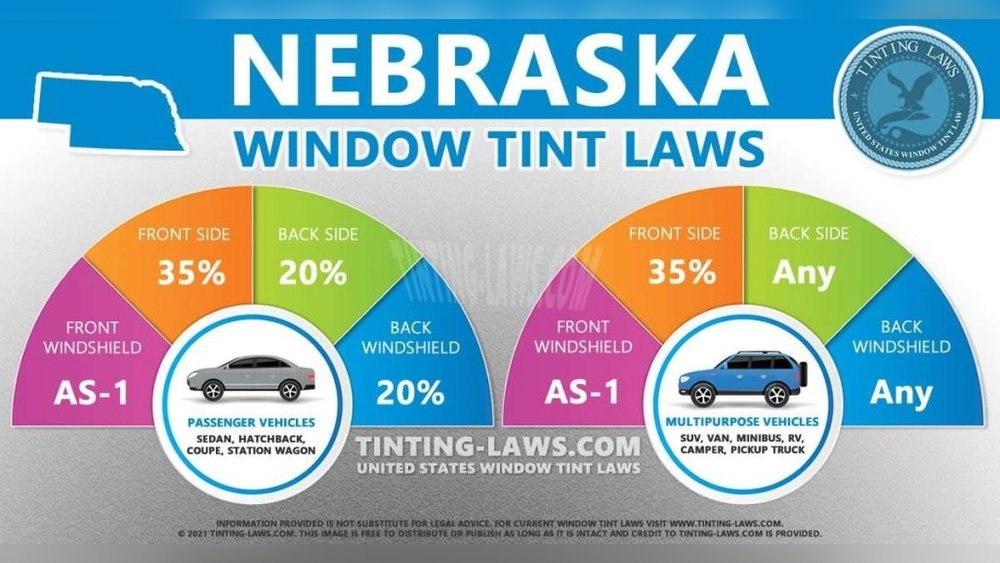
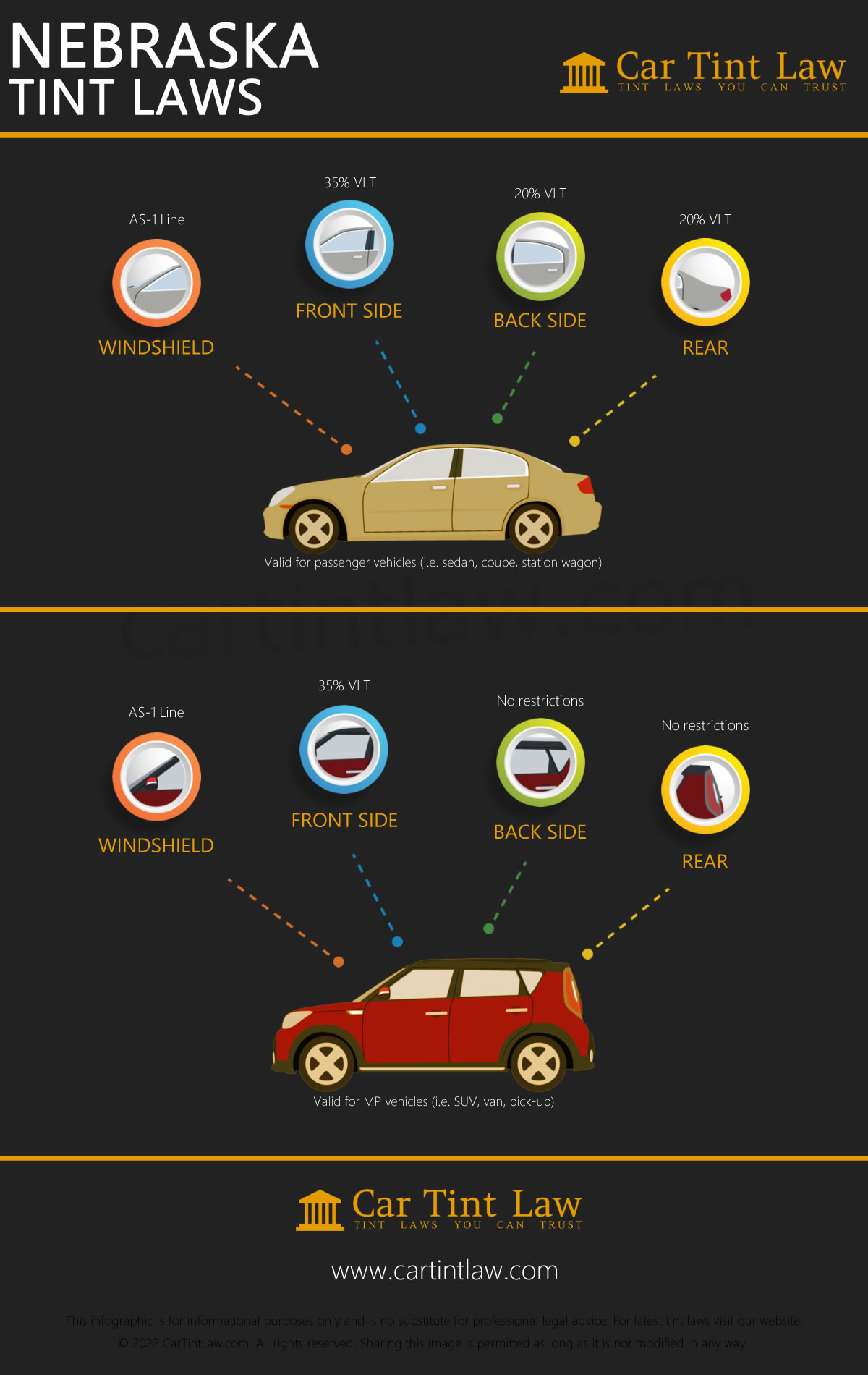
Nebraska allows tint only on the top 5 inches of the windshield. This strip must not block the driver’s view. The rest of the windshield must remain clear.
Reflective or mirrored tint on the windshield is not allowed. This rule helps maintain good visibility for all drivers.
Front Side Window Rules
Front side windows must allow at least 28% of light to pass through. This means the tint cannot be too dark. The driver and front passenger windows must meet this rule.
The goal is to keep clear vision for safe driving and law enforcement checks.
Rear Side Window Standards
Rear side windows can have darker tint than front windows. Nebraska requires at least 25% visible light transmission (VLT) on these windows. This means they can be slightly darker.
Dark tint on rear windows helps with privacy but still keeps safety in mind.
Back Window Guidelines
The back window can have the same tint level as rear side windows. It must allow at least 25% of light through. This lets drivers see clearly behind their vehicle.
Vehicles with rearview mirrors on both sides may have more flexibility with tint darkness.
Tint Rules For Suvs And Trucks
SUVs and trucks follow the same tint limits as cars for front side windows. Their rear side and back windows can have darker tint, allowing 25% VLT.
This rule balances privacy and visibility for larger vehicles. Always check your vehicle type before tinting.
Legal Tint Measurements
Understanding legal tint measurements is important for Nebraska drivers. The state has specific rules about how dark and reflective window tint can be. These rules help keep drivers safe and ensure law enforcement can see inside vehicles when needed.
Legal tint measurements focus on two main factors: the amount of light that passes through the window and how reflective the tint is. These factors are checked using clear standards that all car owners must follow. Below, we explain how Nebraska measures tint darkness and reflectivity.
Visible Light Transmission (vlt)
Visible Light Transmission, or VLT, shows how much light passes through your window tint. It is a percentage. A higher VLT means more light passes through, so the tint is lighter. A lower VLT means less light passes through, so the tint is darker.
Nebraska law sets minimum VLT levels for different windows. Front side windows must allow at least 28% of light in. Rear side windows and the back window can have darker tints, but reflectivity limits still apply. The windshield can only have a non-reflective tint on the top few inches.
Reflectivity Limits
Reflectivity refers to how much the tint reflects light like a mirror. Nebraska limits how reflective your tint can be. This stops windows from acting like mirrors, which can blind other drivers or hide what is inside the vehicle.
For all windows, the tint cannot reflect more than 25% of light. This rule applies to front and rear windows. Reflective tints are tested with special tools to ensure they meet these limits.
How Tint Darkness Is Measured
Authorities measure tint darkness using a device called a photometer. This tool shines light through the window and measures the VLT. It also checks reflectivity with a reflectometer.
When your car is stopped, officers can use these devices to check if your tint follows Nebraska law. If your tint is too dark or too reflective, you may get a ticket. Some medical exemptions exist but require proper paperwork.
Medical Exemptions
In Nebraska, medical exemptions allow certain drivers to use darker window tints than normally permitted. These exemptions help individuals with specific health conditions. The law provides a way to protect their privacy and comfort while driving. To benefit from this, drivers must follow state rules carefully.
Qualifying Conditions
Some medical conditions qualify for window tint exemptions. These include light sensitivity, lupus, skin allergies, and eye diseases. Patients needing protection from harsh sunlight may get approval. Doctors must confirm the condition to make the exemption valid.
Required Documentation
Drivers must carry official documents to prove their need for an exemption. A signed letter from a licensed physician is necessary. This letter should explain the medical condition and why darker tint is needed. Keep this documentation in the vehicle at all times.
How To Apply For Exemptions
To apply, visit the Nebraska Department of Motor Vehicles or their website. Submit the doctor’s letter along with a completed application form. The state reviews the request and issues a medical exemption card. Display this card when driving to avoid fines or tickets.
Credit: www.cartintlaw.com
Enforcement And Penalties
Law enforcement in Nebraska strictly monitors window tinting. Police officers check tint levels during traffic stops or vehicle inspections. Violations can lead to fines and other penalties. Understanding enforcement and penalties helps drivers stay compliant and avoid trouble.
Reasons For Being Pulled Over
Officers may stop a vehicle for dark window tint. Tint that blocks visibility is a safety hazard. Police need to see inside the vehicle clearly. Dark tint can hide illegal activities or impair officer safety. A simple traffic stop can turn into a tint check.
Secondary Offense Details
In Nebraska, tint violations are often treated as secondary offenses. This means police cannot stop a car solely for tint issues. They can only cite tint problems if the driver was stopped for another reason. Examples include speeding or broken lights. This rule limits stops based only on tint.
Fines And Consequences
Fines for illegal tint vary by severity and county. Usually, first-time offenders face fines starting around $25 to $100. Repeat violations can bring higher fines or court appearances. In some cases, drivers must remove the illegal tint. Failure to comply may lead to vehicle impoundment. Penalties aim to ensure safe driving visibility for all road users.
Tinting Tips For Drivers
Applying window tint can enhance your driving experience by reducing glare and heat. It also adds privacy and protects your car’s interior. Knowing the rules in Nebraska helps avoid fines and keeps you safe on the road. Follow these simple tips to stay within the law and enjoy the benefits of tinting.
Checking Tint Compliance
Always measure your tint’s Visible Light Transmission (VLT) before driving. Nebraska law sets clear VLT limits for each window. Use a tint meter at a local shop for an accurate check. Keep the measurement report in your vehicle. Police officers may stop you if your tint is too dark. Regular checks prevent surprises and fines.
Choosing Legal Tint Levels
Know the legal tint percentages for your vehicle type. Front side windows must allow at least 28% light through. Rear side and back windows can be darker but check exact limits. Windshield tinting is limited to the top few inches only. Avoid tints that reflect light too much. Selecting the right tint keeps you within Nebraska’s laws and ensures safe driving.
Working With Professional Installers
Find an experienced tint installer familiar with Nebraska laws. Professionals use quality films and tools for a clean finish. They also help pick legal tint shades. Proper installation reduces bubbles and peeling. Ask for a warranty to protect your investment. Trusting experts saves time and ensures compliance with local rules.

Credit: kepler-dealer.com
Interstate Tint Law Differences
Window tint laws vary across states, making it important to understand differences. Nebraska has specific rules, but other states may have stricter or looser regulations. Drivers who cross state lines need to be aware of these variations to avoid penalties.
Variations Among States
Each state sets its own limits on how dark window tint can be. Some allow darker tints on rear windows but restrict front side windows. Others have rules about reflectivity or colors that Nebraska does not. These differences can confuse drivers traveling between states.
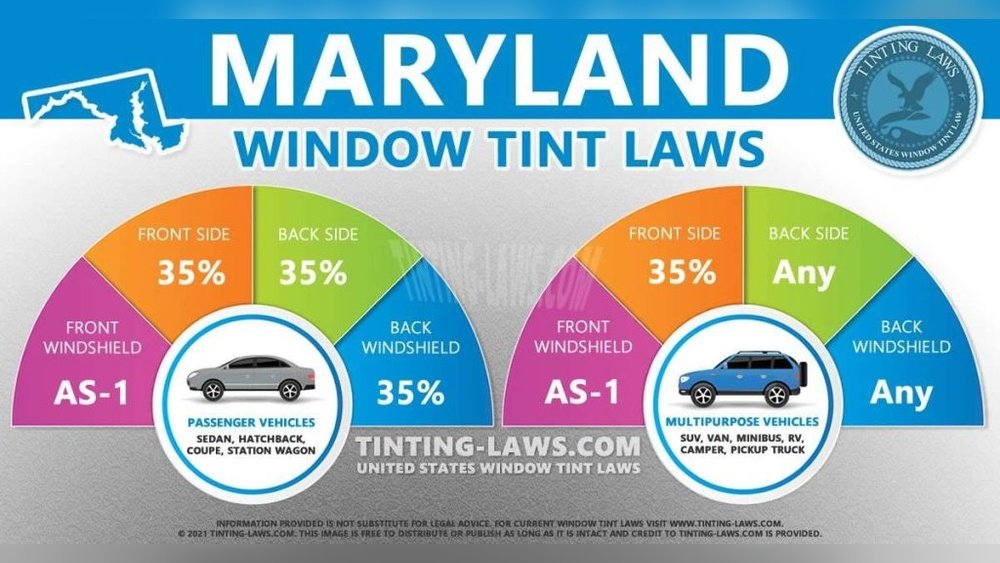
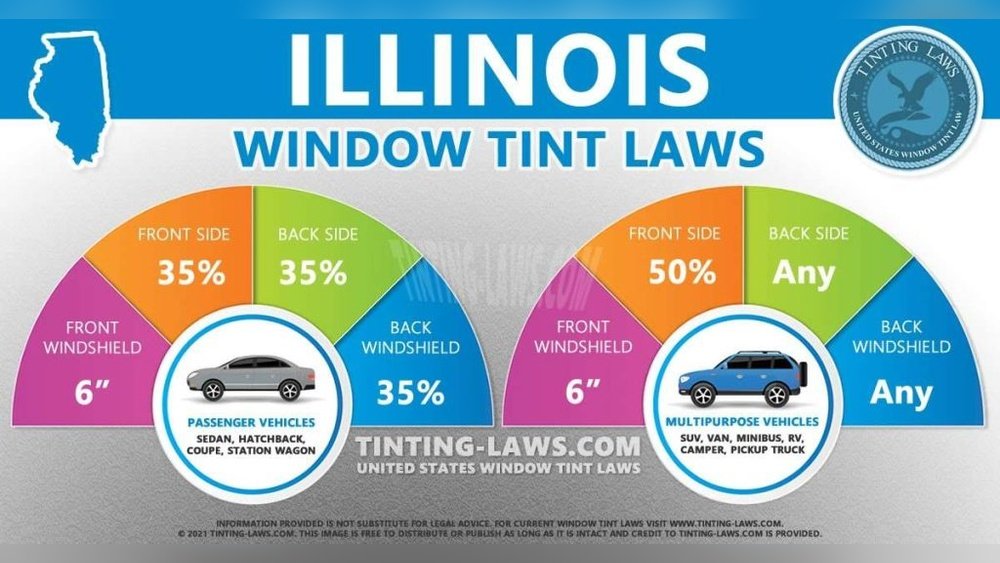
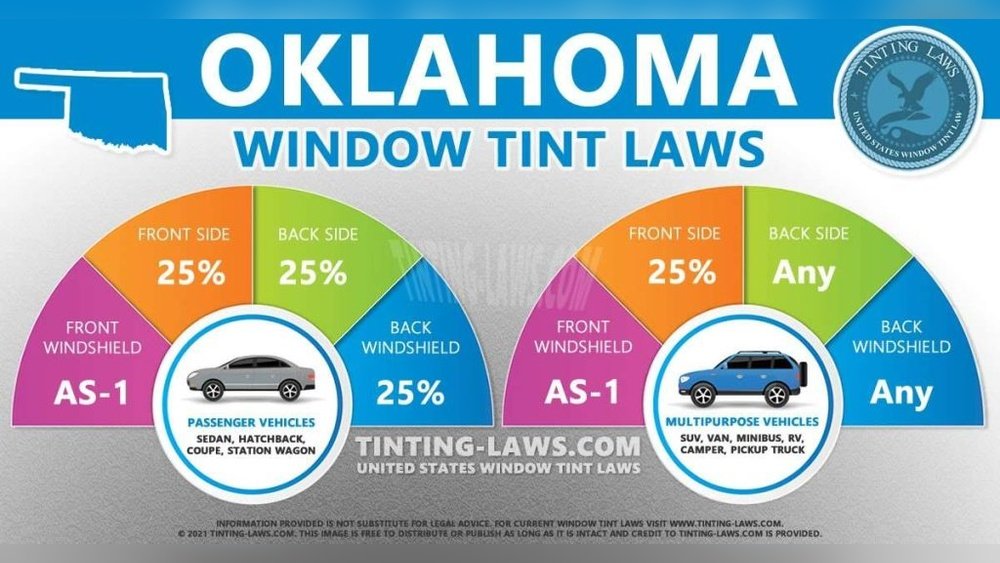
Nebraska allows a visible light transmission (VLT) of 28% or more on front side windows. Other states may require 35% or higher. Rear windows often have fewer restrictions outside Nebraska. Knowing these details helps keep your tint legal everywhere.
What To Know When Traveling
When driving out of Nebraska, check the tint laws of your destination state. Rules may change for different vehicle types or window locations. Carry documentation if you have a medical exemption for darker tint. This proof can help avoid fines or stops.
Some states enforce tint laws strictly at checkpoints. Others may only stop vehicles with very dark or reflective tints. Adjust your driving habits and be prepared for varying enforcement levels on your route.
Avoiding Cross-state Violations
Keep your tint within Nebraska’s limits to stay safe across state lines. Avoid extremely dark or reflective films that may break other states’ laws. If you plan long trips, consider tint films that meet the strictest state standards you will enter.
Regularly measure your tint’s VLT percentage with a trusted professional. Carry proof of compliance and any medical exemptions. Staying informed reduces the risk of fines and keeps your driving hassle-free in multiple states.
Common Tinting Terms
Understanding common tinting terms helps you follow Nebraska’s window tint laws. These terms describe how much light your car windows allow through. Knowing them makes it easier to choose legal and safe tint options. Below are key definitions that clarify the basics of window tinting.
Vlt Explained
VLT stands for Visible Light Transmission. It measures the percentage of light that passes through your window tint. A higher VLT means more light can get through. For example, 70% VLT lets 70% of light inside your car. Nebraska law sets minimum VLT levels for different windows. This ensures drivers have enough visibility while staying protected from glare and heat.
Reflectance Meaning
Reflectance shows how much light bounces off your tinted windows. It is a percentage that tells you how shiny or mirror-like the tint looks. Higher reflectance means more light reflects away, which can reduce glare. Nebraska limits reflectance to avoid overly bright or reflective windows. This rule helps prevent distractions for other drivers and keeps your car looking safe and legal.
Other Key Definitions
Besides VLT and reflectance, several terms matter in tinting laws. “Tint shade” refers to how dark the tint looks. “Medical exemption” allows some drivers to use darker tint for health reasons, but they must have official papers. “Aftermarket tint” means tint film added after buying the car. Nebraska law controls all these aspects to keep roads safe and drivers informed.
Frequently Asked Questions
What Is The Darkest Tint You Can Have In Nebraska?
Nebraska allows a maximum 35% visible light transmission (VLT) on front side windows. Rear and back windows can have any darkness. Windshield tinting is limited to the top 6 inches only. Medical exemptions permit darker tints with proper documentation.
Can You Be Pulled Over For Window Tint In Nebraska?
Yes, police can pull you over for illegal window tint in Nebraska. Tint must meet state visibility and reflectivity standards.
Is 35 Or 20 Tint Darker?
A 20% tint is darker than a 35% tint. Lower percentages mean less light passes through.
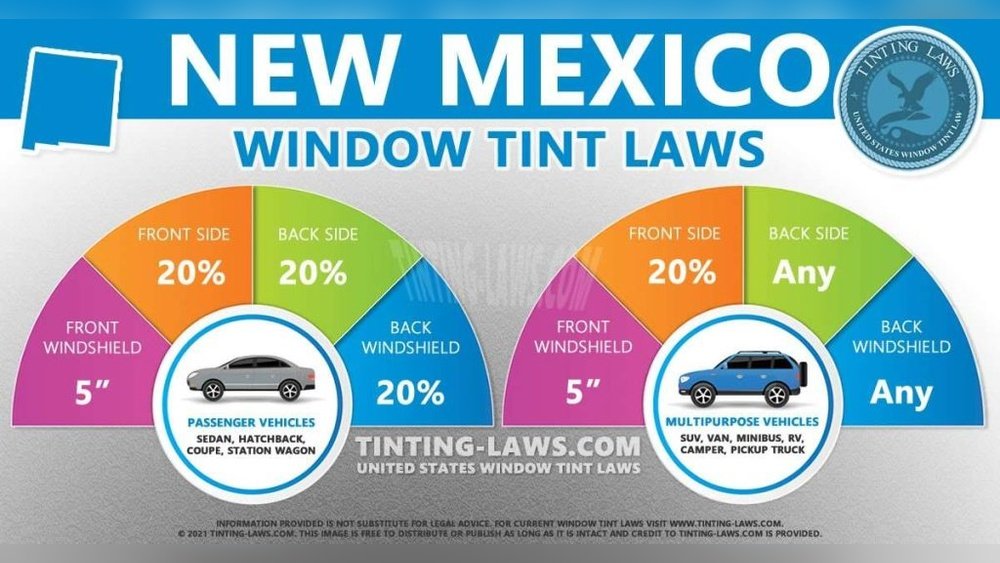
In What State Is 20% Tint Legal?
New Mexico allows 20% tint on front side windows legally. Most states have higher minimum visible light transmission limits.
Conclusion
Knowing Nebraska’s window tint laws helps you stay safe and legal. Keep your tint within allowed limits for each window. Remember, police may stop you if your tint blocks visibility. Medical exemptions exist but require proper paperwork. Always measure your tint before driving.
Following these rules protects you and others on the road. Stay informed to avoid fines and trouble. Tint wisely and drive safely in Nebraska.