Thinking about tinting your car windows in Nevada? Before you make that decision, it’s crucial to understand the state’s window tint laws.
These rules aren’t just about style—they affect your safety, legal standing, and even your chances of getting pulled over. If your tint is too dark or the wrong color, you could face fines or be forced to remove it. You’ll discover exactly what Nevada allows, what’s off-limits, and how to stay compliant while enjoying the benefits of window tinting.
Keep reading to protect yourself and your vehicle from unexpected trouble on the road.
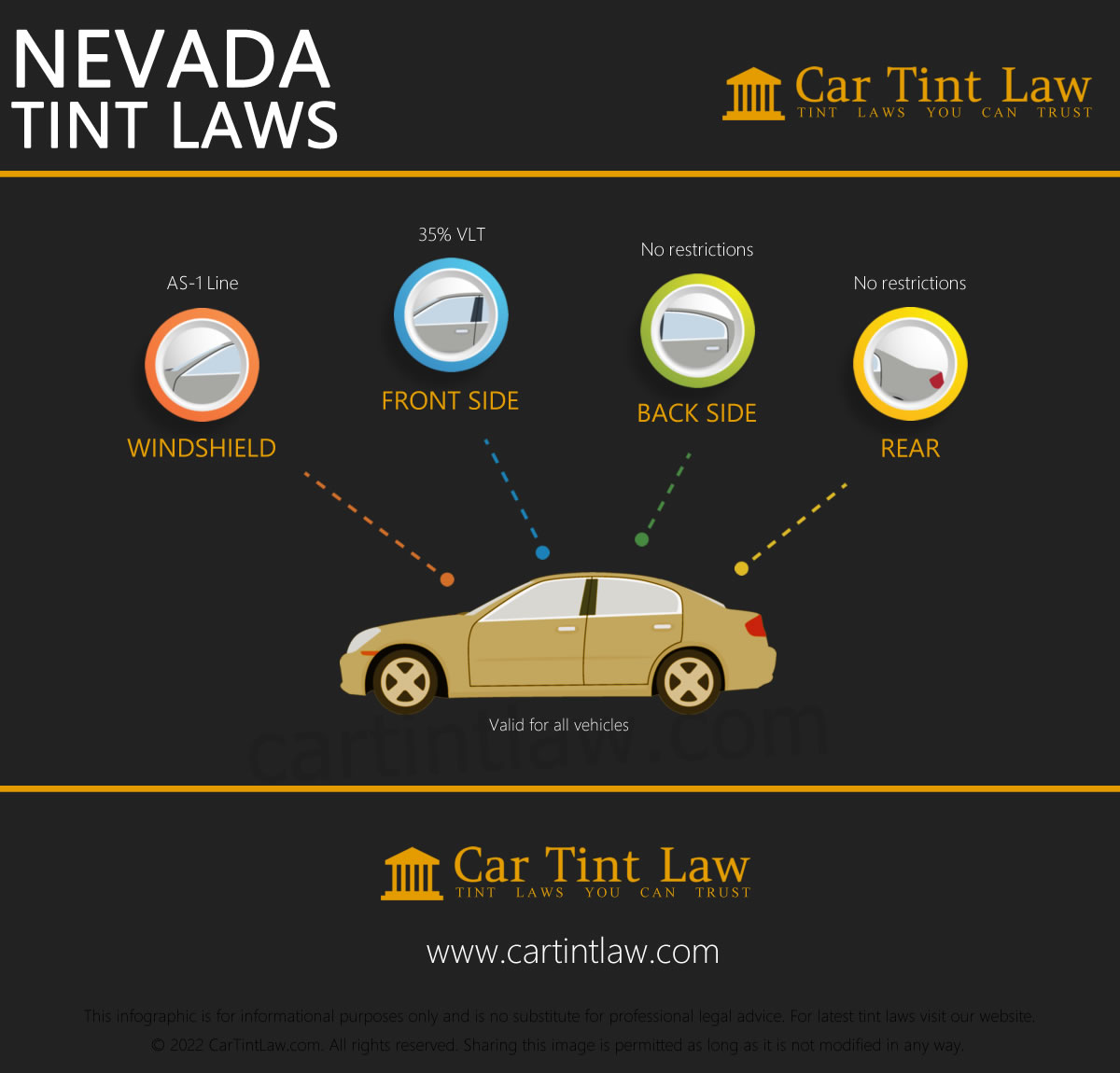
Credit: www.cartintlaw.com
Nevada Tint Limits
Nevada has specific rules about how dark window tints can be. These rules help keep drivers safe by making sure windows are not too dark. The state also controls the colors and reflectivity of tints. Knowing these limits is important before tinting your car windows in Nevada.
Tint Darkness By Window
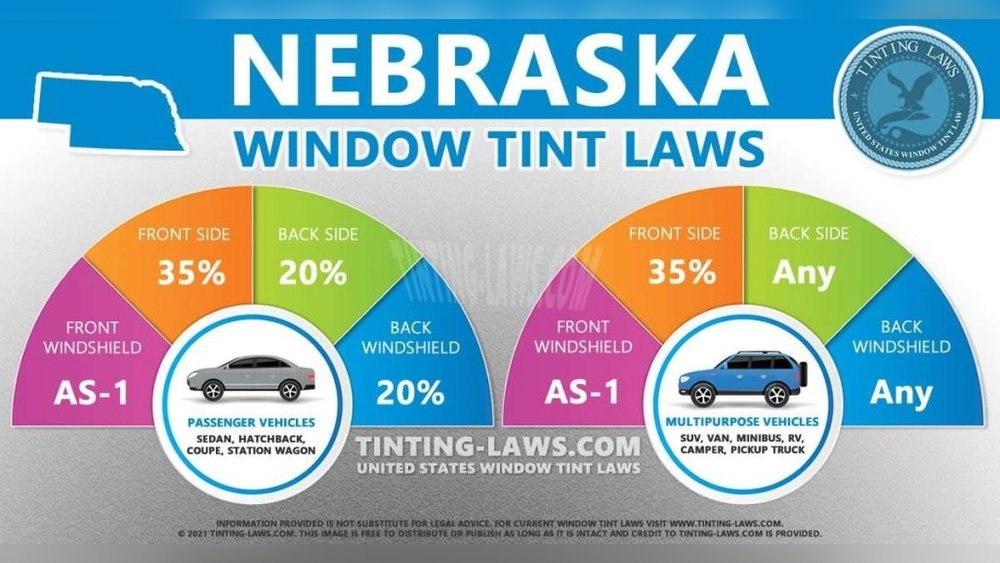
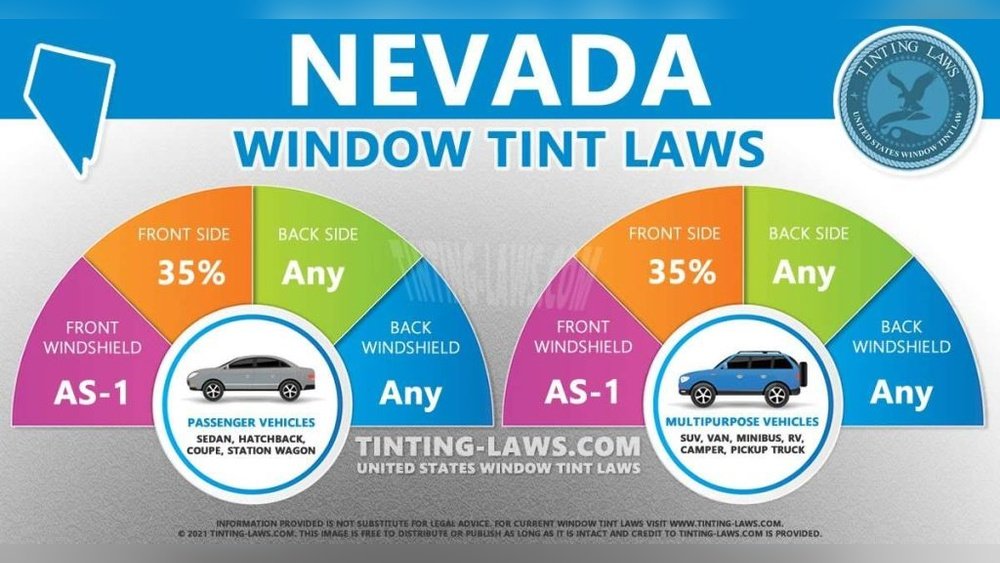
Each car window has a different limit for tint darkness. The front side windows must allow more light in. They need at least 35% visible light transmission (VLT). This means the tint can block up to 65% of light.
The rear side windows and rear window can have any darkness. There is no limit for how dark these windows can be tinted. This allows more privacy for passengers and cargo in the back.
Allowed Colors
Nevada only allows certain colors for window tinting. The tint must not be red or amber. Other colors like black, gray, or bronze are allowed. Using forbidden colors can lead to fines or having to remove the tint.
Reflectivity Rules
The law also limits how reflective the tint can be. Reflective tints that act like mirrors are not allowed. The tint should not reflect more than 25% of light. This helps other drivers see inside your vehicle and reduces glare on the road.
Visible Light Transmission
Visible Light Transmission (VLT) is a key factor in window tint laws. It measures how much light passes through your car windows. The higher the VLT percentage, the more light gets through. This affects visibility and safety on the road.
Understanding VLT helps drivers follow Nevada’s tint rules. It also ensures your car stays legal and safe. Below, learn what VLT means and the specific limits set by Nevada law.
What Is Vlt?
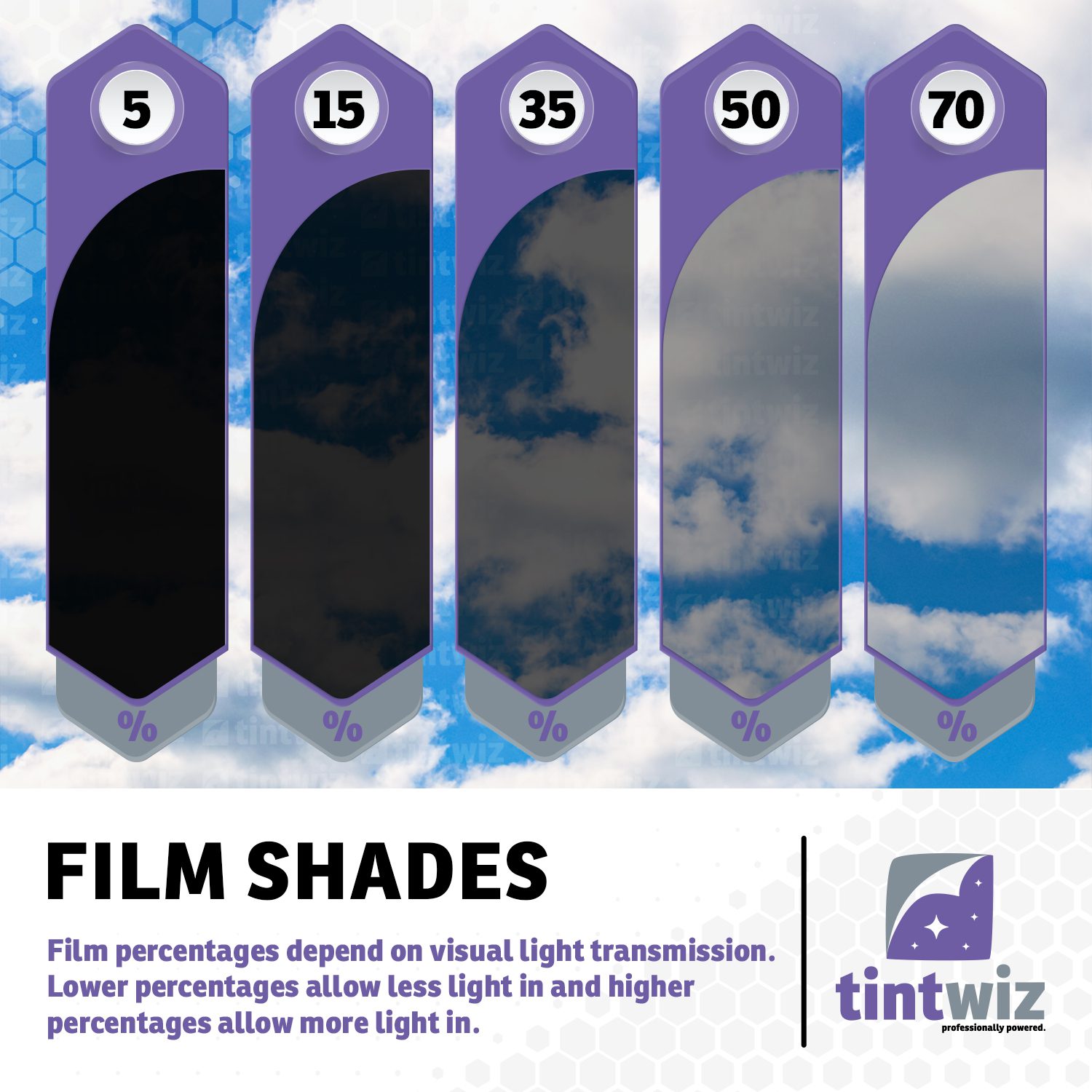
VLT stands for Visible Light Transmission. It shows the amount of light a window tint lets through. A VLT of 50% means half the light passes in. Lower VLT numbers mean darker tints that block more light.
VLT affects how well you see outside your car. It also impacts how well others see inside. Laws use VLT to balance privacy, heat control, and safety.
Vlt Requirements In Nevada
Nevada sets clear VLT limits for vehicle windows. Front side windows must allow at least 35% of light in. This means the tint cannot be darker than 35% VLT.
For rear side windows and the back window, there is no limit. You can have any darkness on these windows. This rule gives more privacy for passengers and cargo.
Windshields can only have a non-reflective tint strip at the top. The rest of the windshield must allow most light through. The goal is to keep the driver’s vision clear.
Colors like red or amber are not allowed on any window tint. Reflectivity must also be low to avoid glare or distraction.
Exemptions To Tint Rules
In Nevada, certain vehicles and drivers qualify for exemptions from standard window tint laws. These exceptions help accommodate special needs and official duties. Understanding who qualifies for these exemptions is important for legal compliance and safety on the road.
Medical Exemptions
Drivers with specific medical conditions may apply for a tint exemption. Conditions like lupus or skin cancer require protection from sunlight. A doctor must provide a written recommendation. The driver then submits this to the Nevada Department of Public Safety. Approved medical exemptions allow darker tints than normally permitted. This helps protect sensitive skin from harmful UV rays. The exemption must be renewed as required by law.
Government And Law Enforcement
Vehicles used by government agencies and law enforcement have special tint privileges. Official cars can have darker window tints for security reasons. This includes police vehicles and certain state department cars. The exemptions help protect officers and sensitive equipment. These vehicles are clearly marked or registered to avoid legal issues. Unauthorized use of these exemptions by civilians is illegal and subject to fines.
Legal Risks And Enforcement
Understanding the legal risks and enforcement of window tint laws in Nevada helps drivers avoid trouble. The state sets clear rules on how dark your window tint can be. Law enforcement actively checks for compliance to keep roads safe.
Ignoring these laws can lead to legal consequences. Officers have the authority to stop vehicles with illegal tint. Knowing the risks helps you make smart decisions about tinting your windows.
Can You Get Pulled Over?
Yes, police officers in Nevada can pull you over for window tint violations. They may stop you if your tint is too dark or reflective. Officers use special tools to measure tint darkness on site. Even if your tint looks legal, it must meet state standards.
Stops often happen during routine traffic checks or if the officer suspects a safety issue. Being stopped does not always mean a ticket, but it leads to an inspection of your tint.
Penalties For Violations
Penalties for breaking Nevada’s tint laws vary depending on the offense. Fines usually start around $50 but can increase for repeat violations. You may also be required to remove the illegal tint within a set time.
Failure to fix the tint can lead to more fines or even court appearances. In some cases, officers may issue warnings for minor infractions. Serious violations could impact your driving record or insurance rates.
Applying For Exemptions
Applying for exemptions to Nevada’s window tint laws allows certain drivers to use darker or specialized tints legally. These exemptions mainly serve people with medical needs or government officials. The process requires careful attention to rules and proper paperwork. Understanding how to apply helps avoid fines and legal issues.
Application Process
Start the application by contacting the Nevada Department of Public Safety (DPS). They provide the official forms needed for exemption requests. Fill out the forms clearly and accurately. Submit the application either online, by mail, or in person at a DPS office.
Once received, the DPS reviews your request. They may contact you for more information or medical verification. Approval times vary, so apply well before tint installation. After approval, carry the exemption certificate in your vehicle.
Required Documentation
You must include a letter from a licensed doctor explaining the medical need for darker tint. The letter should state the condition and why standard tint is insufficient. Government or law enforcement employees must provide official identification or a work order.
Attach a completed application form and a copy of your vehicle registration. Keep copies of all documents for your records. Missing or incomplete paperwork can delay or deny your exemption.
Choosing Tint Options
Choosing the right tint for your car windows in Nevada involves more than style. It requires understanding state laws and personal needs. Proper tinting improves comfort, privacy, and reduces glare. Picking the correct options ensures safety and legal compliance. This section covers popular tint colors and the use of non-reflective tint on windshields.
Popular Tint Colors
Gray and black are common tint colors in Nevada. They offer a sleek look without drawing attention. These colors reduce sunlight and heat effectively. Darker tints provide better privacy but must follow legal limits. Avoid red or amber tints as Nevada law prohibits them. Neutral colors maintain visibility while enhancing your vehicle’s appearance.
Non-reflective Tint For Windshields
Nevada allows non-reflective tint on windshields above the manufacturer’s AS-1 line. This tint reduces glare without blocking too much light. It improves driver comfort and safety during bright days. Reflective tint on windshields is not permitted by law. Always choose non-reflective tint to stay within Nevada’s regulations.
Comparing Neighboring States
Understanding window tint laws in Nevada requires a look at rules in nearby states. Neighboring states have different tint limits and regulations. Comparing these laws helps drivers stay legal and avoid fines. Cross-border travelers must know key differences to keep their vehicles compliant.
Nevada Vs California
Nevada allows any darkness on rear windows and rear windshield. Front side windows must let in more than 35% of light. No red or amber tint is allowed on any window.
California has stricter rules for front side windows. The tint must allow over 70% of visible light. Rear windows and rear windshield can have any darkness. Reflective tint is limited in both states.
California also forbids red or amber tints, similar to Nevada. Medical exemptions exist in both states but require proper approval. Reflectivity rules vary slightly but aim to reduce glare and maintain visibility.
Tips For Cross-state Drivers
Check tint levels before crossing state lines. Use a tint meter to measure your film’s visible light transmission (VLT). Adjust or remove illegal tints to avoid tickets and fines.
Keep documents handy for any medical exemptions. Know state-specific rules for reflectivity and color restrictions. Stay updated on law changes to ensure compliance at all times.
When parking or stopped, officers may inspect your tint. Being informed helps you explain your tint’s legality clearly. Safe driving includes respecting each state’s tint laws.
Installation Tips
Installing window tint in Nevada requires attention to legal details and quality workmanship. Proper installation ensures the tint lasts longer and meets state laws. Following key tips helps avoid fines and keeps your vehicle looking great.
Finding Certified Installers
Choose installers with certification and good reviews. Certified professionals understand Nevada’s tint laws and use quality materials. They apply tint films correctly, avoiding bubbles and peeling. Ask about their experience and warranty on the work. Hiring a skilled installer saves time and money in the long run.
Ensuring Compliance
Check the tint’s Visible Light Transmission (VLT) percentage before installation. Nevada law requires specific VLT levels for different windows. Ensure the tint color and reflectivity meet state rules. Request documentation or a certificate proving compliance. Proper compliance avoids stops by law enforcement and costly fines.
Recent Updates For 2025
The window tint laws in Nevada have seen important updates for 2025. These changes affect how dark and reflective your car windows can be. Understanding these new rules helps you avoid fines and stay safe on the road.
The recent updates focus on balancing driver privacy with law enforcement safety. Nevada continues to allow flexibility for rear windows but tightens rules on front and windshield tints. Knowing the details is key for all drivers.
New Regulations
For 2025, Nevada sets stricter limits on tint darkness for front side windows. The Visible Light Transmission (VLT) must be 35% or higher. This means at least 35% of light must pass through these windows.
The windshield can only have non-reflective tint above the manufacturer’s AS-1 line. Reflective or colored tints like red or amber remain prohibited. Rear side and rear windows have no changes and can have any darkness.
Reflectivity rules also tighten slightly. The tint’s reflectivity cannot exceed 20% on front side windows. This reduces glare and helps police officers see inside the vehicle if needed.
Impact On Drivers
Drivers must check their tint levels carefully to meet new standards. Tints darker than 35% VLT on front side windows can lead to fines or ticketing. Police have the right to stop vehicles with illegal tint.
Medical exemptions remain available but require proper documentation and approval. Drivers with approved exemptions can keep darker tints on front windows. Keeping tint legal avoids costly penalties and ensures safer driving.
These updates protect all road users by improving visibility. Staying informed about the latest tint laws keeps your car compliant and avoids trouble with law enforcement.
Credit: tintwiz.com

Credit: tintinghub.com
Frequently Asked Questions
What Is The Darkest Legal Tint In Nevada?
Nevada allows any darkness on rear side and rear windows. Front side windows must have at least 35% visible light transmission (VLT). Windshield tint is permitted above the manufacturer’s AS-1 line. Red and amber tints are illegal. Medical exemptions may allow darker tints.
Is 20% Tint Darker Than 35?
Yes, 20% tint is darker than 35% tint. Lower percentages allow less light to pass through, making windows darker.
Can You Get Pulled Over For Window Tint In Nevada?
Yes, Nevada police can pull you over for illegal window tint. Tints must meet state Visible Light Transmission (VLT) rules and color restrictions. Rear windows allow any darkness, but red or amber tints are prohibited on all windows. Medical exemptions apply with approval.
Is 30% Tint All Around Legal?
30% tint all around is generally illegal in Nevada. Front side windows must allow over 35% light. Rear windows have no limit on darkness.
Conclusion
Understanding Nevada’s window tint laws helps you stay safe and legal. Keep tint darkness within allowed limits to avoid fines. Remember, some windows can be darker than others. Avoid colors like red or amber on your tint. Medical exemptions exist but require proper paperwork.
Always check local rules before tinting your car windows. Following these rules protects you and other drivers on the road. Stay informed and drive with confidence in Nevada.