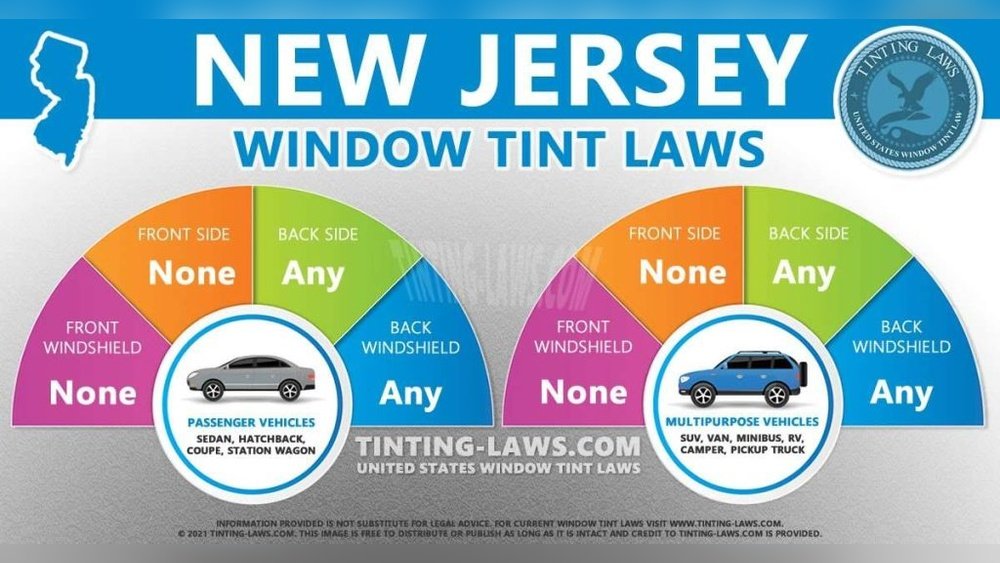
Are you thinking about tinting your car windows in New Jersey? Before you do, it’s crucial to understand the state’s window tint laws to avoid fines or even getting pulled over.
New Jersey has strict rules, especially for front side windows and windshields, where tinting is mostly prohibited. But what about the rear windows? And is there any way to get an exception? You’ll discover exactly what tint levels are legal, how medical exemptions work, and why law enforcement pays close attention to your window tint.
Keep reading to make sure your ride stays stylish—and legal—on New Jersey roads.
Nj Tint Limits
New Jersey has strict rules on how dark your car window tint can be. These rules keep drivers and passengers safe. They also help police officers see inside vehicles during stops. Understanding NJ tint limits is important before tinting your car windows.
Front Side Windows
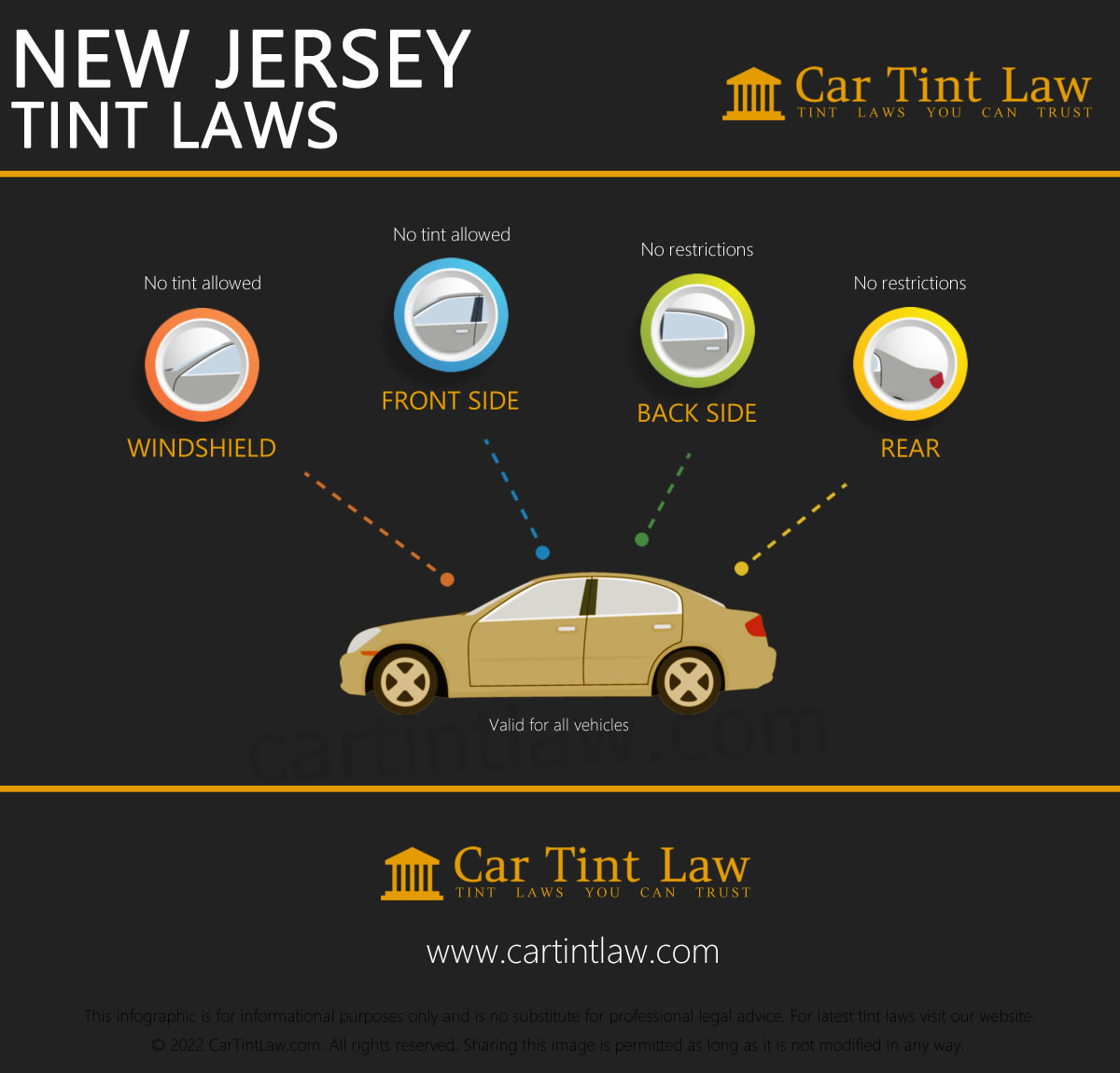
New Jersey does not allow any tint on front side windows. The law requires these windows to be clear. No shade or film can reduce visibility. This helps officers see inside and protects drivers from accidents.
Rear Side Windows
Rear side windows have no tint limits in New Jersey. Drivers can choose any darkness level for these windows. This gives privacy and reduces glare from the sun or headlights. It also helps keep the car cooler during summer.
Rear Windshield
The rear windshield can also have any level of tint. There is no restriction on how dark it can be. However, vehicles must have side mirrors on both sides. This ensures the driver has a clear view behind the car.
Medical Exemptions
New Jersey allows medical exemptions for window tinting laws. This means some drivers can have darker tints on front windows. These exemptions help people with certain health problems. The state recognizes that sunlight can worsen some medical conditions. The rules protect both safety and health needs.
Qualifying Conditions
Medical exemptions apply to specific health issues. These include lupus, skin cancer, and other light-sensitive diseases. Patients with severe migraines or eye conditions may also qualify. A doctor must confirm that sunlight worsens the condition. The tint helps reduce glare and UV rays. It makes driving safer and more comfortable.
Application Process
To get a medical exemption, drivers must follow steps. First, they need a written statement from a licensed doctor. This letter should explain the health problem and need for tint. Next, the driver applies to the New Jersey Motor Vehicle Commission. The application includes the doctor’s note and a special form. Once approved, the driver gets a permit to tint the windows. This permit must be kept in the vehicle at all times.
Enforcement Rules
Enforcement of window tint laws in New Jersey follows strict procedures to ensure safety and compliance. Authorities focus on key rules and use specific tools during traffic stops. Drivers should understand how enforcement works to avoid fines or legal trouble.
Secondary Offense Policy
Window tint violations in New Jersey are treated as secondary offenses. Police cannot stop a vehicle solely for illegal tint. Officers must first observe another violation, such as speeding or a broken taillight. Only then can they issue a ticket for tint violations. This rule helps limit unnecessary traffic stops.
Police Procedures
During a traffic stop, officers check window tint carefully. They look for visible signs of illegal darkness, especially on front side windows and windshield. Police ask drivers to roll down windows if needed. They may inspect the vehicle’s tint in detail to confirm compliance. Officers follow clear steps to ensure fair enforcement.
Use Of Tint Meters
Police use tint meters to measure visible light transmission (VLT) through windows. These devices provide exact readings of how dark the tint is. The meter must be calibrated correctly for accurate results. If the tint is below legal limits, officers issue citations. Tint meters add objectivity and reduce disputes over tint legality.
Visible Light Transmission
Visible Light Transmission, or VLT, plays a key role in New Jersey’s window tint laws. It measures how much light passes through your car windows. Understanding VLT helps drivers stay within legal limits. This section explains what VLT means and clears up common misconceptions about window tint darkness.
What Vlt Means
VLT shows the percentage of light that passes through tinted windows. A higher VLT means more light gets through. For example, a 70% VLT lets 70% of light inside the car. A lower VLT means darker tint and less light. New Jersey requires front side windows to have a high VLT, usually near 70%. Rear windows can have darker tints with lower VLT. Police use VLT meters to check if your tint follows the law.
Misconceptions About Darkness
Many people think a lower VLT always means illegal tint. This is not true for all windows in New Jersey. Rear side windows and the back windshield can have very dark tints legally. Some drivers believe any tint on front side windows is illegal. But New Jersey allows some tint if it meets the VLT limit or if you have a medical exemption. Remember, darker tints can block visibility and cause safety issues. Always check your VLT before tinting your car windows.
Penalties And Fines
New Jersey enforces strict penalties and fines for illegal window tinting. These rules ensure driver safety and clear visibility. Violating tint laws can lead to costly consequences.
Penalties vary based on the type and severity of the violation. Enforcement focuses mainly on front side windows and windshields. Rear windows have more lenient rules but still must meet state standards.
Fines For Illegal Tint On Front Windows
Applying tint darker than allowed on front side windows results in fines. The base fine usually starts around $100. Repeat offenders can face higher fines and court fees. Police may require removal of illegal tint to pass inspection.
Consequences For Medical Exemption Abuse
New Jersey allows medical exemptions for front window tint. Abuse or false claims of exemption lead to penalties. Fines can match those for regular tint violations. Verification of medical conditions is strict to prevent misuse.
Impact Of Secondary Offense Status
Tint violations in New Jersey are often secondary offenses. Police cannot stop a vehicle solely for illegal tint. Officers must observe another violation like speeding first. If stopped, tint violations add to the total penalty and fines.
Additional Enforcement Actions
Besides fines, law enforcement can order tint removal. Non-compliance may lead to vehicle inspection failure. Persistent violations could result in court summons. Staying informed about tint laws avoids these legal troubles.

Credit: kepler-dealer.com
Safety Concerns
Window tinting in New Jersey raises important safety concerns. The state has strict rules to keep drivers and law enforcement safe. These laws focus on visibility and officer safety.
Visibility Issues
Dark window tint can reduce visibility for drivers. It becomes hard to see pedestrians, cyclists, and other vehicles. This can lead to accidents, especially at night or in bad weather. Clear vision is crucial for safe driving. New Jersey restricts tint on front side windows to maintain good visibility. This helps drivers react quickly to road hazards.
Officer Safety
Law enforcement officers need to see inside vehicles clearly. Tinted windows can hide weapons or suspicious items. This creates risks during traffic stops. Officers use this visibility to assess potential dangers. New Jersey’s tint laws limit how dark front windows can be. This protection helps officers stay safe while performing their duties.
Legal Challenges
The window tint laws in New Jersey face several legal challenges that affect drivers and law enforcement. These challenges focus on how the laws are written and applied. Some court cases have questioned the clarity and fairness of these rules. Understanding these issues helps drivers know their rights and responsibilities.
Court Rulings
New Jersey courts have ruled that police cannot stop a car just for having tinted windows. Tint violations are considered a secondary offense. This means officers must have another reason, like speeding, to pull a driver over first. This ruling helps protect drivers from unnecessary stops.
Some court decisions have also addressed how strictly the tint laws should be enforced. Judges weigh safety concerns against drivers’ rights. These rulings shape how officers apply the law on the road. Drivers should stay updated on court decisions to avoid fines or legal trouble.
Statute Vagueness
The wording of New Jersey’s tint laws is sometimes unclear. Vague language leads to confusion about what is legal. For example, the exact light transmission levels allowed can be hard to interpret. This lack of clarity causes inconsistent enforcement by police.
Because of vague statutes, some drivers may face penalties unfairly. The New Jersey Supreme Court found parts of the tint law unconstitutionally vague. This decision pushes lawmakers to revise the rules for better clarity. Clear laws help both drivers and officers understand the limits.
Credit: www.cartintlaw.com
Practical Tips
Understanding practical tips about New Jersey window tint laws can save you from fines and hassles. Following the rules helps keep your vehicle safe and legal. This section offers simple advice for choosing the right tint and avoiding traffic stops. These tips help you enjoy your tinted windows without breaking the law.
Choosing Legal Tint
New Jersey law allows no tint on front side windows. Rear side windows and rear windshield can have any darkness. The visible light transmission (VLT) percentage must be 70% or higher for front windows. This means at least 70% of outside light must pass through.
Check the tint before buying or installing it. Use a tint meter or ask the installer for proof. If you have a medical condition, apply for a medical exemption. This lets you tint front windows darker legally. Keep the exemption card in your vehicle.
Avoiding Traffic Stops
Police cannot stop you only for tint in New Jersey. Tint violations are a secondary offense. You must be stopped for another reason first, such as speeding. Still, illegal tint on front windows can cause issues during stops.
Keep your windows within legal limits to avoid problems. Remove or replace illegal tint quickly. Carry your medical exemption card if applicable. Clear windows let officers see inside, improving safety for everyone.
Credit: nj1015.com
Frequently Asked Questions
What Is The Darkest Legal Tint In New Jersey?
The darkest legal tint in New Jersey allows no tint on front side windows. Rear windows and rear windshield can have any darkness. Medical exemptions permit front window tinting with proper documentation.
Is 20% Window Tint Darker Than 35%?
Yes, 20% window tint is darker than 35%. Lower percentages allow less light, making the tint appear darker.
Can You Be Pulled Over For Window Tint In Nj?
Yes, New Jersey allows police to pull you over for illegal window tint on front windows. Rear tints have no limits. Medical exemptions apply.
What Is The Darkest Legal Tint In New Jersey?
New Jersey prohibits any tint on the windshield and front side windows. Rear side and rear windows can have any darkness. Medical exemptions allow front window tinting with proper documentation. Always check your tint’s Visible Light Transmission (VLT) to ensure compliance.
Conclusion
Understanding New Jersey’s window tint laws helps you stay safe and legal. Front side windows and windshields have strict rules with no tint allowed. Rear windows can have any darkness you prefer. Medical exemptions are available for certain conditions. Police cannot stop you only for tint but may do so if you break other laws.
Always check tint levels before installing to avoid fines. Following these laws protects you and others on the road. Stay informed and drive responsibly with the right window tint choices in New Jersey.