Are you thinking about tinting your car windows in New York? Before you do, it’s crucial to understand the state’s window tint laws.
Knowing these rules can save you from fines, failed inspections, and even legal trouble. But what exactly are the limits on how dark your tint can be? Can you get a medical exemption if you need extra protection? And what should you do if a police officer pulls you over for your window tint?
This article breaks down everything you need to know about New York’s window tint laws in simple, clear terms—so you can keep your ride stylish and legal. Keep reading to protect yourself and your vehicle today.
Ny Tint Limits
New York has specific rules about how dark car window tints can be. These rules protect drivers and pedestrians by ensuring enough light passes through the windows. Understanding NY tint limits helps avoid fines and keeps your vehicle legal.
The law sets different limits for each window type. It uses Visible Light Transmission (VLT) percentages to measure how much light passes through the tint. A higher VLT means lighter tint; a lower VLT means darker tint.
Front Windshield Rules
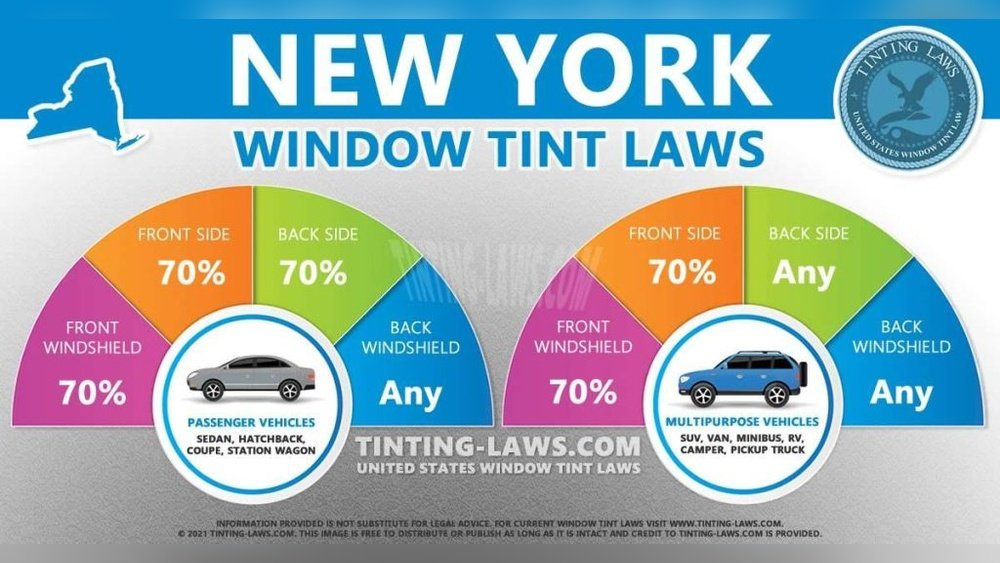
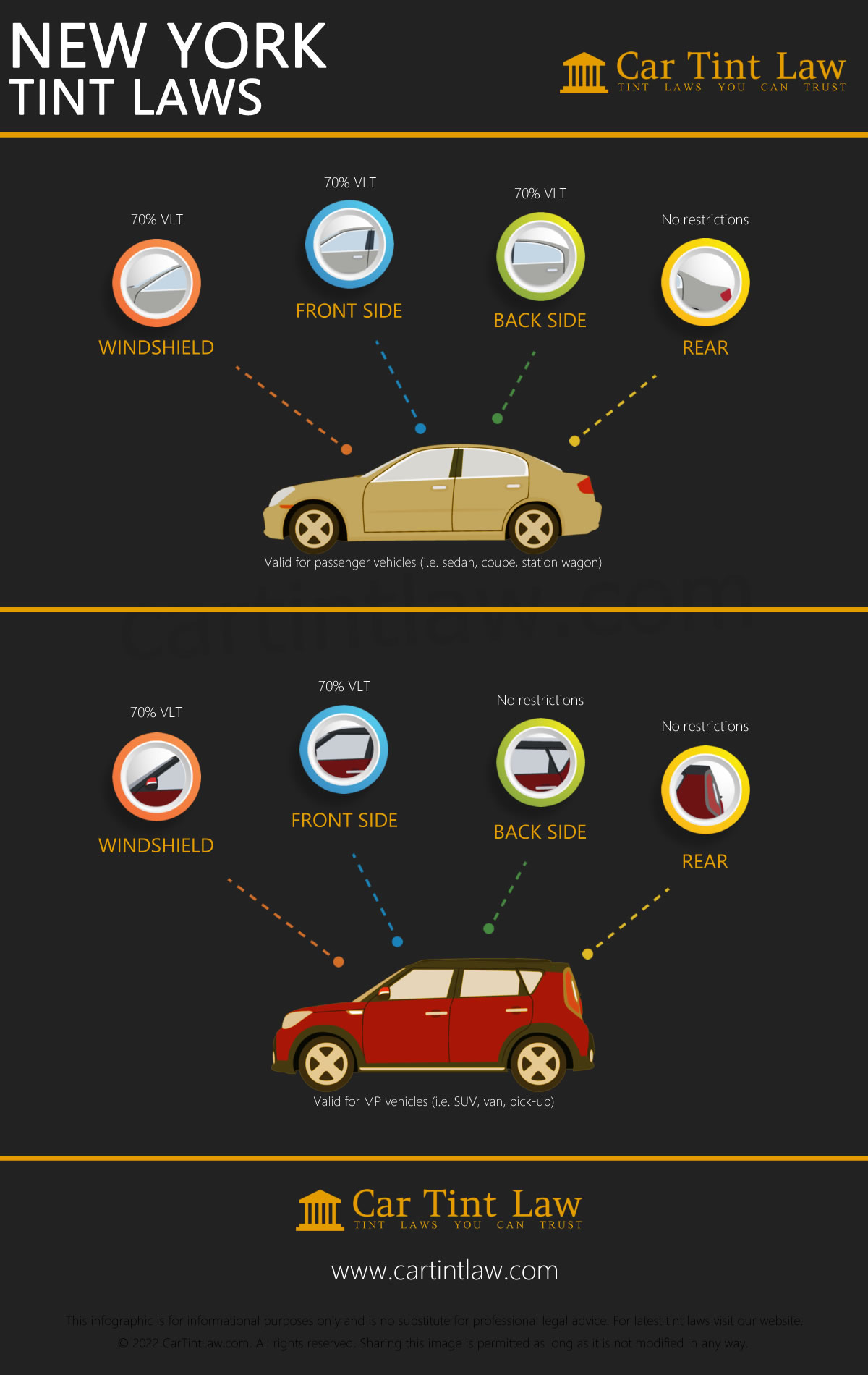
The front windshield allows only a small tinted strip at the top. This strip must not extend more than six inches from the top. The rest of the windshield must remain clear with no tint. This rule ensures the driver has a clear view of the road.
Front Side Windows Limits
Front side windows must allow at least 70% of light to pass through. This means the tint can be no darker than 30% VLT. The limit helps police and emergency workers see inside the vehicle. It also improves driver visibility during night driving.
Rear Windows Regulations
Rear side windows and the back window have fewer restrictions. There is no specific VLT limit on these windows. Drivers may use darker tint on rear windows for privacy or sun protection. Still, the tint must not block the driver’s clear view from mirrors or through the rear window.
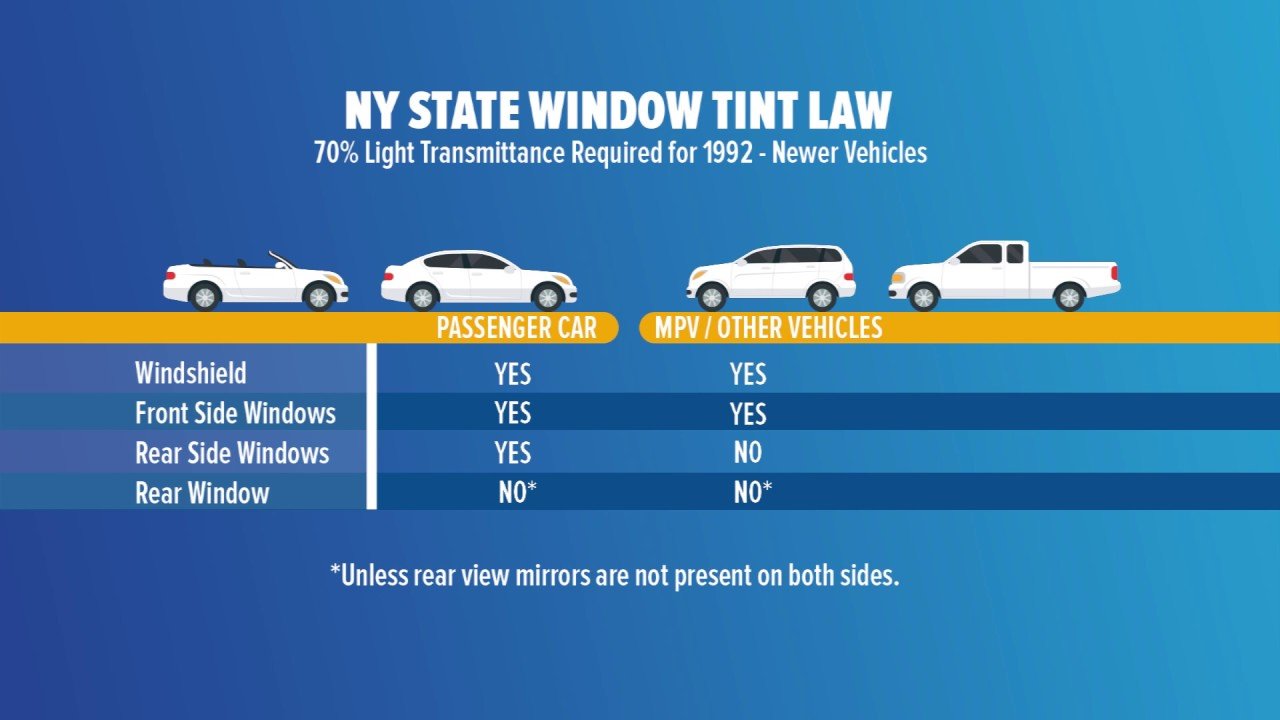
Credit: www.youtube.com
Tint Percentages
Understanding tint percentages is key to following New York’s window tint laws. Tint percentage refers to how much light passes through your car windows. This affects visibility and legality. Knowing the right numbers helps you avoid fines and keep your car safe.
What Vlt Means
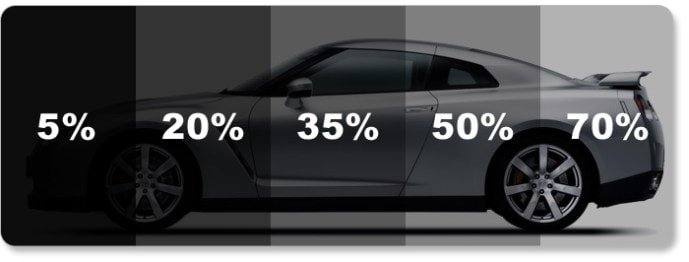
VLT stands for Visible Light Transmission. It measures the amount of light that passes through your tinted window. A higher VLT means more light gets through. A lower VLT means the tint is darker and blocks more light.
For example, a 70% VLT lets 70% of light in. A 30% VLT lets only 30% of light in, making it darker.
Darkest Legal Tint
New York law allows 70% VLT on front side windows. This means the tint can block up to 30% of light. Rear windows and back side windows can have any darkness.
The front windshield must allow more light in. Only a strip of tint on the top six inches is allowed.
Common Misconceptions
Many think a higher tint percentage means darker tint. It is the opposite. Higher VLT means lighter tint. Lower VLT means darker tint.
Some believe all windows can be equally dark. New York law limits darkness on front windows only. Rear windows have fewer rules.
Medical Exemptions
New York State allows medical exemptions for darker window tint. This helps people with certain health issues protect their eyes and skin. These exemptions let drivers tint front side windows beyond normal limits.
Medical exemptions require proof and follow strict rules. It is important to understand these rules before applying. Below are details on qualifying conditions, the application process, and carrying certification.
Qualifying Conditions
Only specific health problems qualify for tint exemptions. Conditions like lupus, porphyria, and severe photosensitivity are common reasons. A licensed doctor must confirm the condition in writing.
Doctors will assess if tinted windows ease symptoms or prevent harm. The exemption applies only if regular tinting limits cause issues.
Application Process
Apply for a medical exemption through the New York Department of Motor Vehicles (DMV). Submit a completed medical form signed by your doctor. Include details about your condition and need for tint.
The DMV reviews the application and may approve or deny it. Approval allows you to legally tint your windows darker than the usual 70% visible light transmission.
Carrying Certification
Always carry your medical exemption certificate in the vehicle. Police officers may ask to see it during traffic stops or inspections. Without it, you risk fines for illegal tint.
Keep the certificate up to date and renew it as required by the DMV. This helps avoid any legal trouble while using darker window tint.
Penalties And Enforcement
New York has strict rules on window tinting. Breaking these rules leads to penalties and enforcement actions. The state aims to keep roads safe by controlling how dark tints can be. Authorities check window tint levels during vehicle inspections and traffic stops. Drivers with illegal tints face fines and other consequences. Understanding these penalties helps avoid trouble on the road.
Fines And Consequences
New York issues fines for illegal window tinting. The amount varies by the violation’s severity. Fines can start at $100 and increase for repeat offenses. Drivers may need to remove the illegal tint. Failure to comply may lead to more fines or vehicle impoundment. The state enforces these rules strictly to ensure compliance.
Inspection Failures
Vehicle inspections include checking window tint levels. Cars with illegal tints fail the inspection. Failed inspections prevent vehicle registration renewal. Drivers must fix tint issues before passing inspection. This process ensures all vehicles meet New York tint laws. Inspections keep roads safer for everyone.
Police Enforcement
Police officers can stop vehicles for illegal tint. Officers use special tools to measure tint darkness. If tint is too dark, officers issue a ticket. Law enforcement takes tint violations seriously. Tickets may require court appearances or fines. Police play a key role in enforcing tint laws statewide.
Reflective And Mirrored Tints
Reflective and mirrored tints add a shiny, mirror-like finish to car windows. They can improve privacy and reduce glare from the sun. Many drivers like these tints for their stylish look and ability to block heat. Still, New York has strict rules about using reflective and mirrored tints on vehicles.
Legal Restrictions
New York law prohibits reflective and mirrored window tints on most vehicle windows. The law aims to keep windows clear enough for police and emergency responders to see inside. These tints are not allowed on front side windows or the windshield. Rear side windows and back windows may have darker tints, but reflective types remain banned. Violating these rules can lead to fines and tickets.
Why They Are Banned
Reflective and mirrored tints block too much light and visibility. This creates safety risks for drivers and others on the road. Police officers need to see inside vehicles during stops. Emergency workers must check inside quickly during accidents. These tints can hide people or objects, making these tasks harder. The ban helps keep all drivers safer and law enforcement more effective.
Credit: www.cartintlaw.com
Inspection Process
The inspection process for window tint in New York ensures compliance with state laws. Authorities check vehicle windows to confirm the tint level meets legal standards. This process helps keep roads safe by maintaining driver visibility. Regular inspections also protect drivers from fines due to illegal tinting.
Annual Testing
Vehicle window tint undergoes annual testing during state inspections. The test measures the Visible Light Transmission (VLT) percentage. New York law requires front side windows to allow at least 70% of light. Rear windows can have darker tints but must follow specific rules. Passing this test is necessary to avoid penalties.
Tools Used
Inspectors use a light meter to measure tint darkness. This handheld device shines light through the window film. It calculates how much light passes through the tint. The reading shows if the tint is within legal limits. This tool provides a quick and accurate assessment.
Impact Of Illegal Tint
Illegal window tint can lead to fines and warnings. Police may stop drivers for tint that blocks too much light. Poor visibility increases the risk of accidents. Illegal tint may also cause vehicle inspection failure. Removing or correcting the tint is required to pass future tests.
Handling Traffic Stops
Handling traffic stops in New York requires understanding the rules about window tint. Police officers may stop you if your tint seems too dark. Knowing how to act can help keep the stop smooth and safe.
Stay calm and follow the law. Your behavior during the stop matters as much as the tint on your windows.
Lowering Windows
Always lower your windows when an officer asks. This lets the officer see inside your vehicle clearly. New York law requires enough visibility through front side windows. Lowering your windows shows respect and cooperation.
Cooperating With Officers
Answer questions politely and clearly. Keep your hands visible, usually on the steering wheel. Avoid sudden moves that can cause concern. Provide your license and registration quickly. Cooperation helps the stop go faster and avoids issues.
What To Expect
The officer may check your window tint with a light meter. They will measure the Visible Light Transmission (VLT) percentage. New York requires at least 70% VLT on front side windows. If your tint is darker, you might get a ticket.
You may be asked to remove the tint or fix it before driving again. Medical exemptions exist but need proper documentation. Understanding these steps helps you prepare for a traffic stop involving tint laws.
Tint Laws For Larger Vehicles
New York has specific window tint rules for larger vehicles. SUVs and trucks face different regulations than smaller cars. These laws aim to balance safety and privacy. Knowing the rules helps avoid fines and ensures legal compliance.
Suvs And Trucks Rules
For SUVs and trucks, New York allows darker tint than regular cars. The front side windows must let in at least 70% of light. Rear side windows and back windows have fewer restrictions. This means they can have darker tint or even be fully tinted.
The law recognizes that larger vehicles have bigger windows. Darker tint on these vehicles improves comfort and privacy. Still, drivers must ensure they meet the minimum light transmission levels. Police officers use light meters to check tint darkness during traffic stops.
Rear Window Flexibility
Rear windows of larger vehicles have more lenient tint laws. New York permits any darkness level on rear windows of SUVs and trucks. This rule applies only if the vehicle has side mirrors on both sides. These mirrors help maintain visibility and safety on the road.
Because of this flexibility, many SUV and truck owners prefer tinting rear windows darker. It helps reduce glare and heat inside the vehicle. Drivers should remember to keep side mirrors clear and functional. This ensures they stay within the legal tint limits.
Cross-state Tint Law Differences
Window tint laws vary widely across the United States. Each state sets its own rules on how dark and reflective tinting can be. These differences can confuse drivers who travel between states. Understanding the contrast between New York’s regulations and others helps avoid fines and legal trouble.
New York has relatively strict tint laws. The state requires a high Visible Light Transmission (VLT) percentage. This means windows must allow more light inside compared to many states.
Comparing Ny To Other States
New York demands a minimum of 70% VLT on front side windows. This lets in most light, making tinting lighter than in many states. For example, New Mexico allows only 20% VLT, which is much darker. North Carolina requires 35%, and North Dakota 50%. These states permit more shade for privacy and heat reduction.
New York also restricts tint on the front windshield, allowing tint only in the top six inches. Other states may allow darker or full windshield tinting. Rear windows in New York can be tinted darker, but rules vary elsewhere. Drivers must check local laws to know what is legal.
Traveling With Tinted Windows
Traveling between states can cause problems if tint laws differ. A tint that is legal in one state may be illegal in another. Police officers may stop drivers for noncompliant tint. This can lead to fines or orders to remove the tint.
Before traveling, check the tint laws of the destination state. Carry documentation if you have a medical exemption for darker tint. This helps prove compliance and avoid penalties. Being aware of these differences keeps your journey smooth and legal.
Credit: www.windowtintingbuffalo.com
Frequently Asked Questions
What Is The Darkest Legal Tint In Ny?
The darkest legal tint on front side windows in New York allows 70% visible light transmission (VLT). Rear windows have no specific limit. Medical exemptions permit darker front tints with a valid certificate. Reflective or mirrored tints are illegal statewide.
In What State Is 20% Tint Legal?
New Mexico allows 20% tint legally on front side windows. Most states, like New York, require lighter tints. Check local laws before tinting.
Will 30 Tint Pass Inspection In Ny?
No, 30% tint does not pass inspection in New York. The legal minimum visible light transmission (VLT) for front side windows is 70%. Tints darker than 70% VLT on front windows will fail inspection and may lead to fines or penalties.
Can Cops Pull You Over For Tint In Ny?
Yes, New York police can pull you over for illegal window tint. Front side windows must allow at least 70% light through. Darker tints or reflective films are not allowed without medical exemption. Officers check tint levels during traffic stops and inspections.
Conclusion
New York’s window tint laws protect driver safety and visibility. Dark tints are only allowed on rear windows. Front side windows must let in at least 70% of light. Always check your tint before inspections to avoid penalties. Medical exemptions exist but require proper documents.
Police can stop you if your tint is too dark. Staying informed helps you avoid fines and legal trouble. Follow these rules to keep your vehicle compliant and safe on the road.