Thinking about tinting your car windows in Ohio? Before you head to the shop, it’s important to know the state’s window tint laws.
These rules aren’t just about style—they affect your safety, legal standing, and even whether you can avoid costly fines. You might wonder, “How dark can my tint be? Can I get pulled over just for tint? ” This guide breaks down everything you need to know about Ohio’s window tint regulations, including limits for each window, medical exemptions, and tips to stay on the right side of the law.
Keep reading to protect yourself, your vehicle, and your wallet.
Ohio Tint Limits
Ohio sets specific limits on how dark vehicle window tint can be. These rules help keep drivers safe and ensure good visibility on the roads. Knowing the limits for each window type is important. Below is a clear guide to Ohio tint limits for different car windows.
Front Side Windows
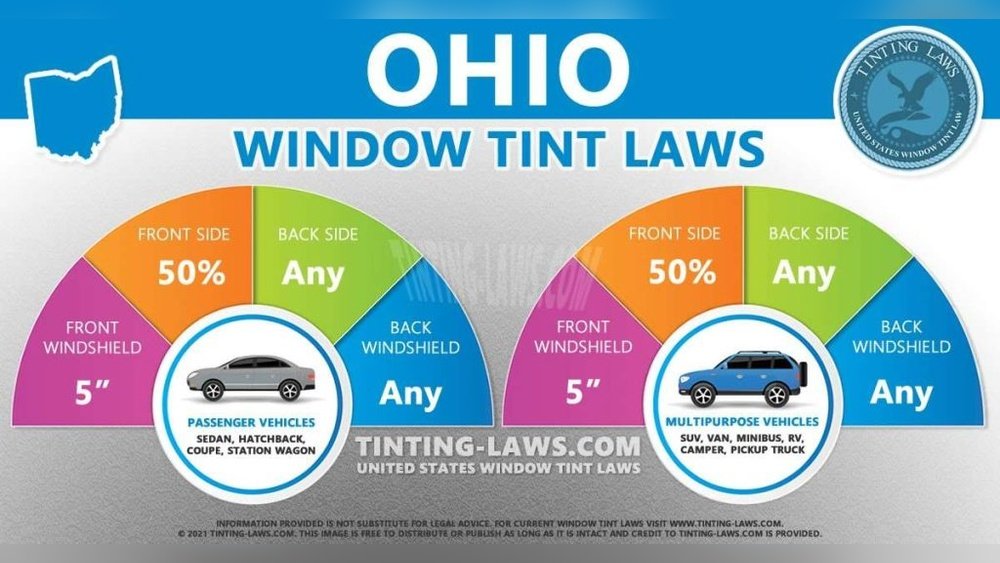
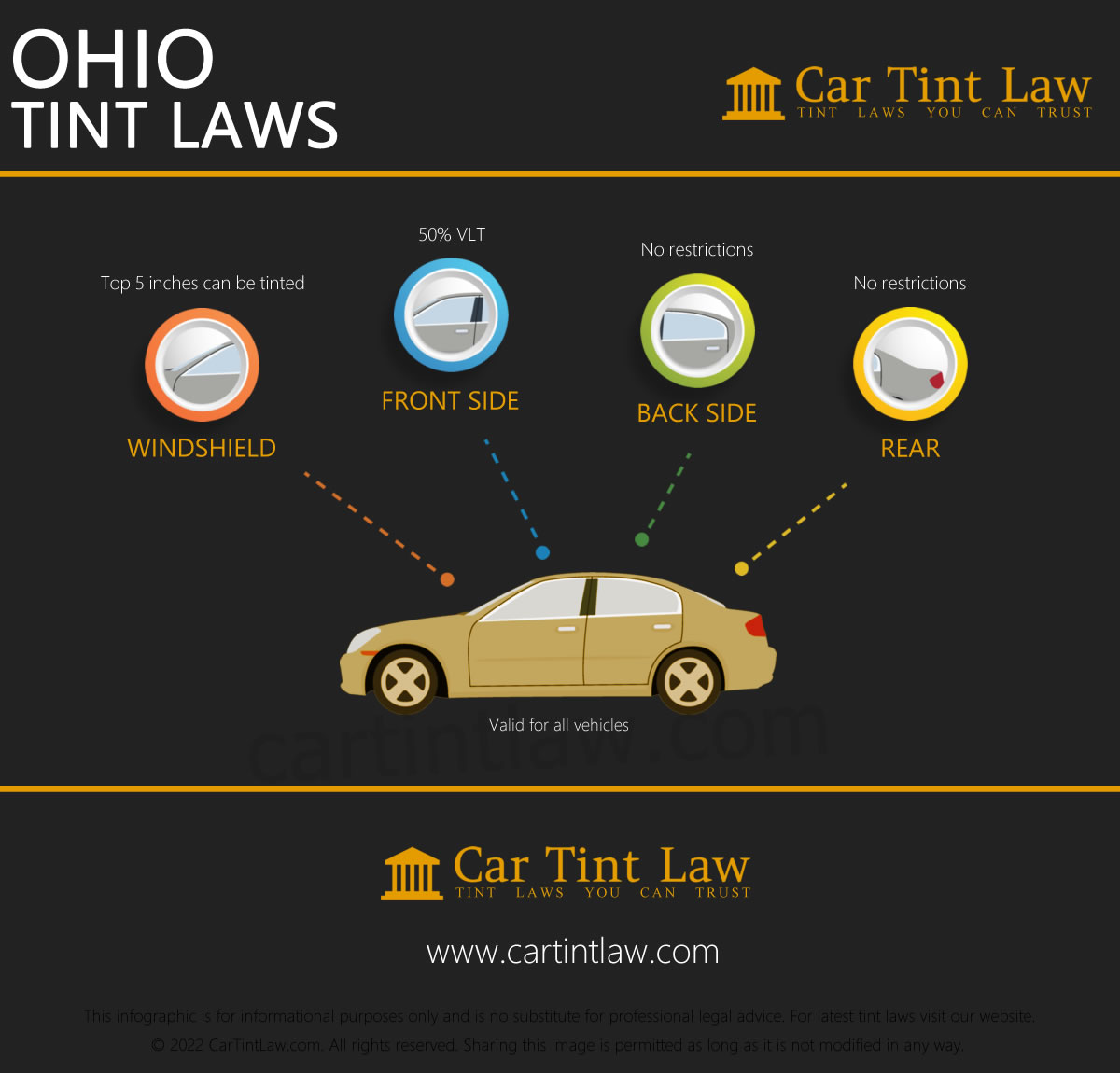
Ohio requires front side windows to let in at least 50% of light. This means the tint cannot block more than half of the sunlight. The law aims to keep drivers able to see clearly through these windows. Any tint darker than 50% is illegal without a medical exemption.
Rear Side Windows
There is no limit on the darkness of tint for rear side windows. Drivers can use any shade they prefer here. However, Ohio bans reflective materials on these windows. The tint must not reflect light like a mirror. A valid tint sticker is required to prove the film is legal.
Rear Window
Similar to rear side windows, Ohio has no darkness limit for the rear window. Dark tint is allowed to provide privacy and block sunlight. Reflective tints are not permitted on the rear window either. A legal tint sticker is also required here.
Windshield Restrictions
Ohio allows tint only on the top 5 inches of the windshield. The tint here must not be reflective or mirror-like. The rest of the windshield must remain clear to keep good road visibility. Reflectorized materials are banned on the windshield entirely.
Credit: www.cartintlaw.com
Medical Exemptions
Ohio allows medical exemptions for window tint laws to protect certain individuals. People with specific health conditions may need darker tints. These exemptions help reduce pain and protect sensitive skin or eyes. The state requires proper documentation to approve these exceptions.
Eligibility Criteria
To qualify, a person must have a medical condition that sunlight worsens. Conditions like lupus, skin cancer risk, or severe eye sensitivity qualify. The tint on front side windows can be darker than usual. The exemption only applies to the driver and front passenger windows.
Application Process
Applicants must submit a form to the Ohio Bureau of Motor Vehicles. The form includes personal details and medical proof. After approval, a special sticker is issued for the tinted windows. This sticker must be displayed to avoid fines during traffic stops.
Physician’s Statement
A doctor must provide a written statement explaining the medical need. This statement should describe the condition and why tinting helps. The physician’s letter must be on official letterhead and signed. It serves as key evidence during the application review.
Reflectivity Rules
Ohio has clear rules about how shiny or reflective window tints can be. These rules help keep roads safe by making sure drivers can see each other clearly. Reflective tints can cause glare. Glare can distract other drivers and cause accidents. Ohio’s laws stop drivers from using tints that reflect too much light.
Prohibited Reflectorized Materials
Ohio does not allow any window tint that uses mirror-like or metallic finishes. These materials reflect too much light and can blind other drivers. Films with chrome, silver, or shiny coatings are banned on all car windows. This rule applies to all windows, including the rear and side windows. Using reflectorized tint can lead to fines and having the tint removed.
Reflectivity On Different Windows
The front side windows must have low reflectivity. They should not look shiny or mirror-like. Ohio allows darker tints on rear side windows and the back window, but they still cannot be reflective. All windows with tint must follow these reflectivity rules to avoid penalties. The law requires a sticker on each tinted window to prove it meets Ohio’s standards.
Tint Sticker Requirements
Ohio law requires a tint sticker for every tinted window on your vehicle. This sticker proves your tint complies with state rules. The tint sticker helps officers quickly check legality without removing the film. It is important to follow these rules to avoid fines or vehicle inspection issues.
Sticker Placement
Place the tint sticker on the inside of each tinted window. It should be visible to law enforcement during a traffic stop. Usually, the sticker goes near the bottom corner of the driver’s side window. For rear windows, place the sticker in a similar visible spot. Do not cover the sticker with any objects or dirt. The sticker must remain clear and readable.
Sticker Validity
The tint sticker stays valid as long as the tint film remains on the window. If you remove or replace the tint, you need a new sticker. Expired or damaged stickers can lead to fines. Always keep the sticker in good condition. Keep a copy of your tint certificate as proof of legal compliance.
Enforcement And Penalties
Ohio enforces window tint laws strictly to ensure road safety. Officers have the authority to stop vehicles solely for tint violations. Penalties vary depending on the offense severity and repeat violations. Knowing enforcement details helps drivers avoid fines and legal trouble.
Primary Offense Details
Illegal window tint in Ohio is a primary offense. Police can pull over a vehicle just for this reason. This means no other traffic violation is needed for a stop. The law applies mainly to front side windows and windshields. Rear windows have fewer restrictions but must still follow rules on reflectivity.
Possible Fines
Fines for illegal tint in Ohio start around $150. Repeat offenses may lead to higher fines or court appearances. In some cases, officers may order tint removal on site. Failure to comply can result in additional penalties. Medical exemptions require official documentation and can prevent fines.
Traffic Stop Scenarios
During a traffic stop, officers check window tint with a light meter. If tint is too dark or reflective, they will issue a citation. Drivers should cooperate and provide requested documents. Police may inspect tint stickers proving legal installation. Clear communication can reduce tension and speed up the process.
Credit: www.tintguy.com
Uv Protection Options
UV protection is a key factor in choosing window tint for your vehicle in Ohio. Proper UV protection blocks harmful rays that can damage your skin and fade your car’s interior. Ohio law sets specific limits on tint darkness but allows different options to protect against UV rays without breaking the rules.
Legal Tint Alternatives
Ohio law permits certain tint levels on different windows. For front side windows, tint must allow more than 50% of light through. Rear side and back windows have no darkness limit. Legal tint alternatives focus on clear films that block UV rays without reducing visibility. These films protect your skin and car while keeping you within the law.
Non-reflective Films
Non-reflective films reduce UV rays without creating glare or mirror-like surfaces. Ohio law bans reflective and mirror-like films on all windows. Non-reflective films keep your car looking natural and avoid attracting police attention. They also help keep the interior cooler by blocking heat from the sun. This type of film is a smart choice for UV protection while following Ohio tint laws.
Buying Tinted Used Cars
Buying a used car with tinted windows requires careful attention. Ohio has specific window tint laws that every driver must follow. Tinted windows can affect visibility and safety, so understanding the law helps avoid fines and issues on the road.
Before purchasing, verify that the tint on the car meets Ohio’s legal standards. Some tints may be too dark or reflective, which can lead to legal troubles. Knowing the rules ensures your car stays compliant and safe to drive.
Checking Tint Legality
Ohio allows no tint limit on rear side and rear windows. Front side windows must let in at least 50% of light. Windshields can only have a non-reflective strip at the top.
Reflective or mirrored tints are not allowed on any window. Each tinted window must have a sticker proving its legality. Illegal tinting is a primary offense. Police can stop a vehicle just for illegal tint.
What To Look For
Inspect the tint darkness using a light meter if possible. Check for stickers showing the tint complies with Ohio law. Avoid cars with very dark or mirror-like tint on front windows.
Ask the seller for any medical exemption documentation if the tint is darker than allowed on front windows. Make sure the tint is evenly applied without bubbles or damage. Proper tint protects against UV rays and heat without breaking the law.
Credit: columbusohiotint.com
Frequently Asked Questions
What Is The Darkest Legal Tint In Ohio?
Ohio allows unlimited darkness on rear side and rear windows. Front side windows require at least 50% visible light transmission. Reflective materials are prohibited on all windows. Medical exemptions permit darker tint on front windows with proper documentation.
Is 35% Or 20% Tint Darker?
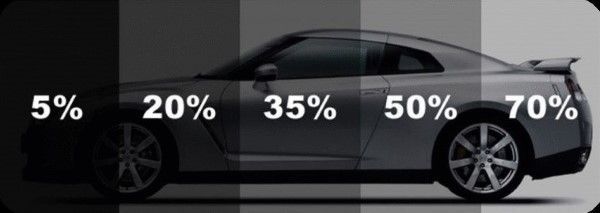
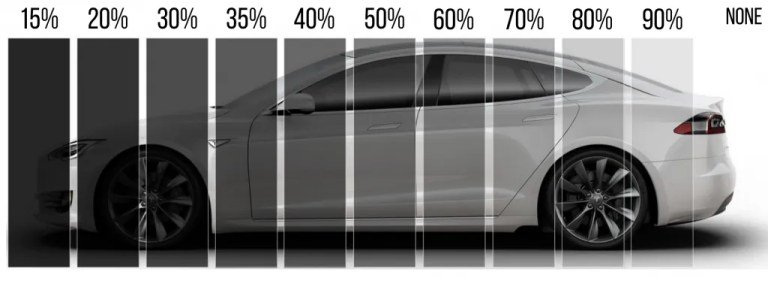
A 20% tint is darker than a 35% tint. Lower percentages allow less light, making windows appear darker.
Can I Be Pulled Over For Window Tint In Ohio?
Yes, Ohio law allows police to pull you over for illegal window tint. Front side windows must allow at least 50% light. Rear windows have no tint limit. Reflective materials are banned on all windows. Medical exemptions apply for darker front tints with proper documentation.
What Does 35% Legal Tint Look Like?
A 35% legal tint lets 35% of light through, appearing moderately dark while maintaining good visibility and complying with most state laws.
Conclusion
Ohio’s window tint laws protect drivers and ensure clear visibility. Front side windows must meet specific tint limits. Rear windows allow darker tint without restrictions. Reflective materials are not allowed on any window. Medical exemptions offer relief for certain health conditions.
Police can stop you for illegal tinting. Always check local rules before tinting your car. Following these rules helps avoid fines and keeps roads safe. Stay informed and tint your windows responsibly in Ohio.