Thinking about tinting your car windows in Oregon? Before you head to the shop, it’s crucial to know the state’s window tint laws.
These rules aren’t just about style—they affect your safety and whether you could get a ticket. You might wonder, “How dark can my tint be? Are there exceptions for medical reasons? What happens if I don’t follow the law? ” This guide will answer all those questions and more.
Keep reading to protect yourself, avoid fines, and enjoy your ride with the perfect tint that’s fully legal in Oregon.
Credit: www.cartintlaw.com
Oregon Tint Limits
Oregon has clear rules about how dark your car window tint can be. These rules help keep drivers safe by ensuring enough light enters the vehicle. Knowing the Oregon tint limits prevents fines and legal trouble. Below, find the details for each window type.
Front Side Windows
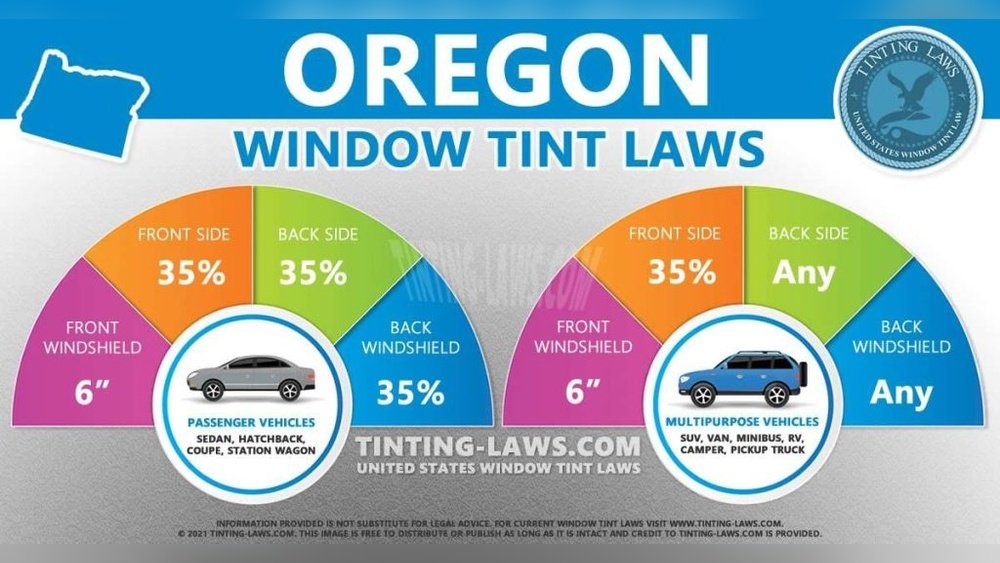
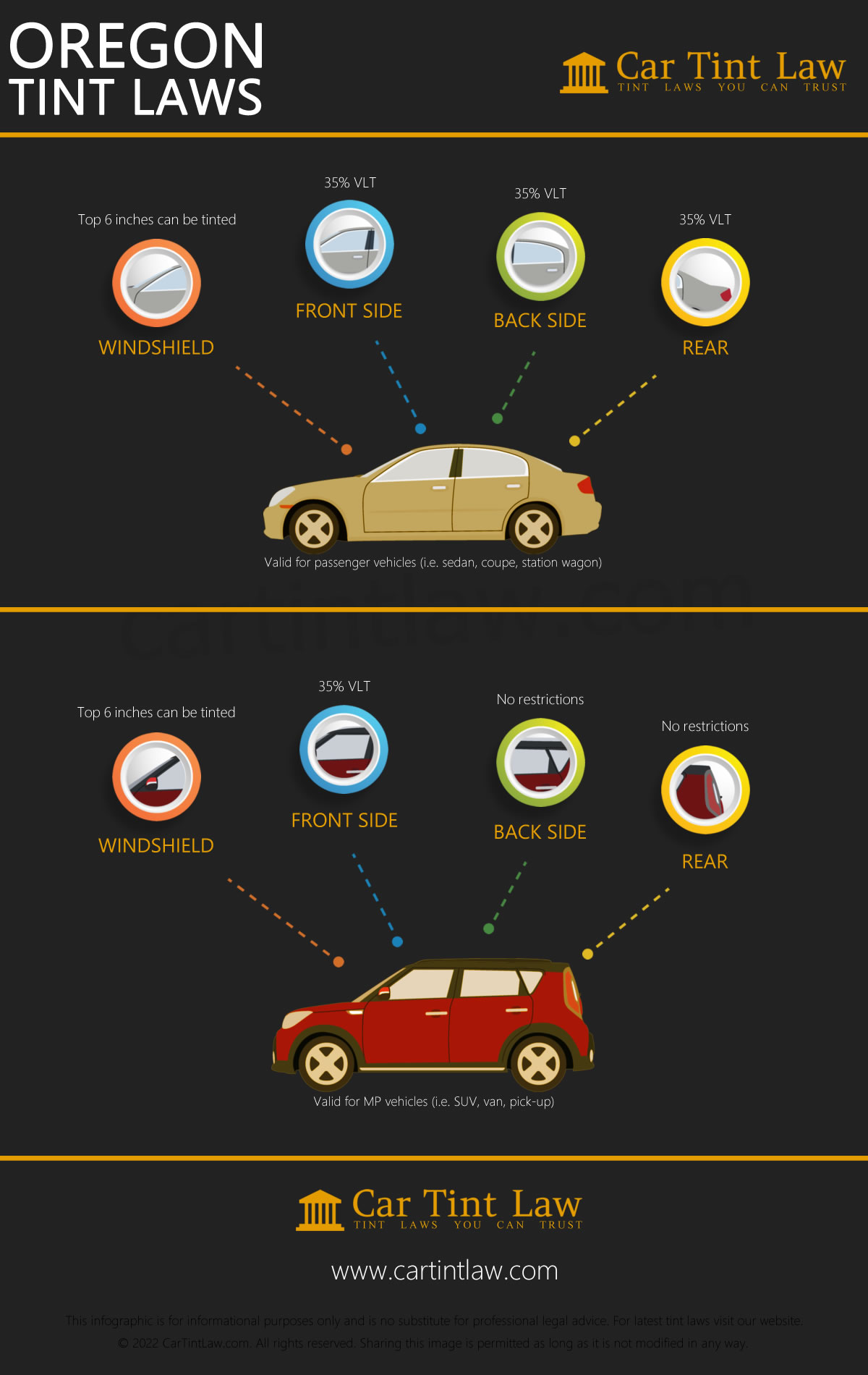
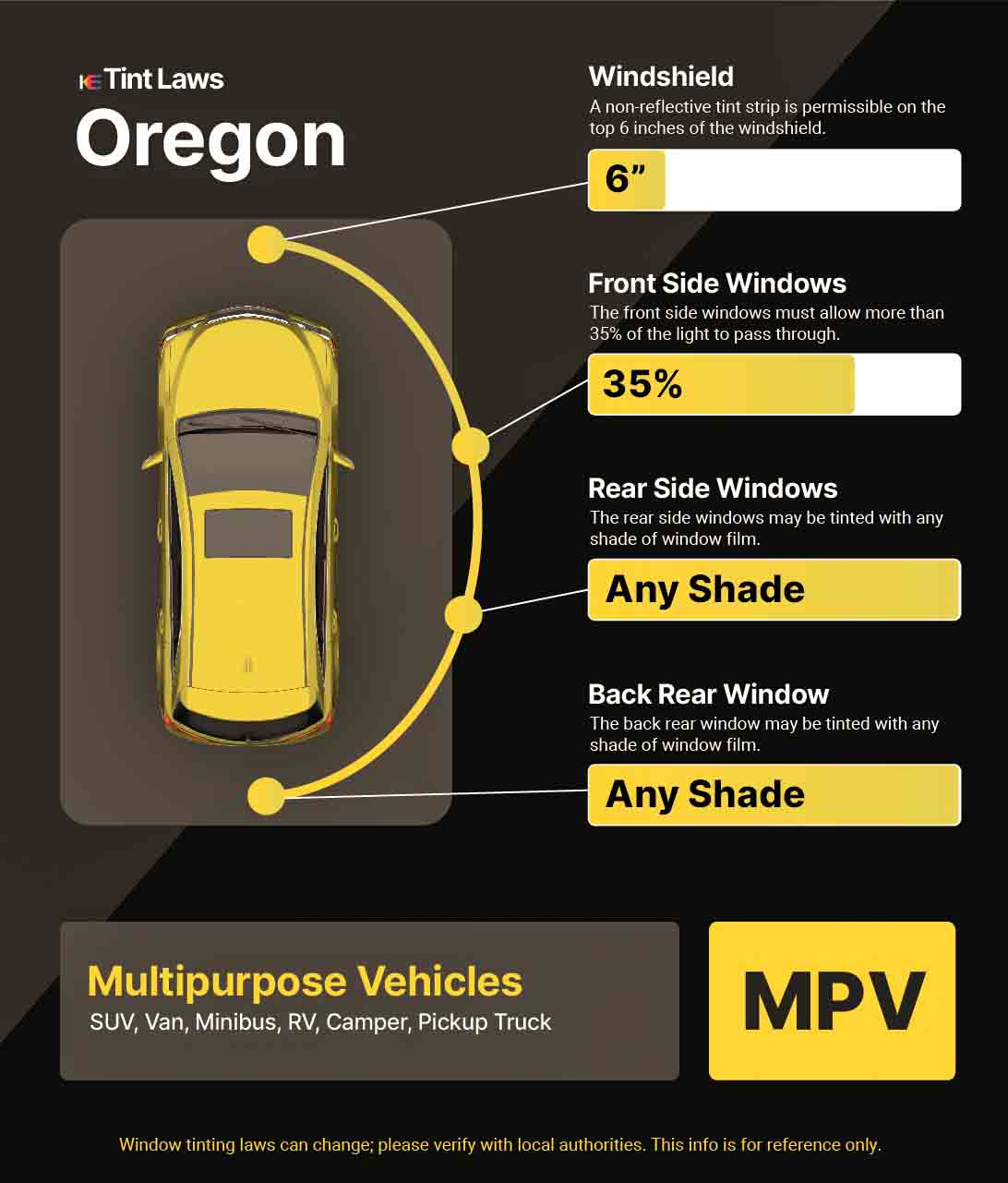
The front side windows in Oregon must allow more than 35% of light through. This means the tint can block up to 65% of light. Darker tints on these windows are not allowed for safety reasons. Police use light meters to check tint levels during stops.
Back Side Windows
Oregon allows darker tints on the back side windows. There is no strict limit on visible light transmission for these windows. Drivers often choose darker tints here for privacy and heat reduction. Still, the tint must not be reflective or mirror-like.
Rear Window
The rear window can have any darkness level in Oregon. Darker tint is common for privacy and sun protection. If your vehicle has side mirrors on both sides, you may tint the rear window darker. Reflective tint is not allowed.
Windshield Tinting Rules
Oregon only permits tinting on the top 6 inches of the windshield. This strip is usually called the “AS-1 line.” Tint below this line is illegal. The tint on the windshield must not reduce visibility for the driver. Clear or very light tint is required here.
Light Transmission And Reflectivity
Understanding light transmission and reflectivity is key to following Oregon’s window tint laws. These rules protect drivers and passengers by ensuring enough light passes through car windows. They also limit how shiny or reflective the tint can be. This helps maintain clear visibility for everyone on the road. Below, we explain the important standards for visible light transmission and reflectivity in Oregon.
Visible Light Transmission (vlt) Requirements
Visible Light Transmission, or VLT, measures how much light passes through tinted windows. Oregon law sets specific VLT limits for different windows on a vehicle. Front side windows must allow more light through than rear windows. This means front windows can have less tint than back ones. The law requires at least 35% VLT on front side windows. Rear side windows and back windows have no strict VLT limit. However, these rules help police officers see inside the vehicle for safety reasons.
Reflectivity Restrictions
Oregon limits how reflective window tints can be. The tint cannot act like a mirror. Reflective tints can cause glare and distract other drivers. The law allows only a slight reflection on any window. This keeps the road safe by reducing glare and improving driver visibility. Installers must use non-mirrored films that follow these reflectivity rules. Reflective tints that look like a mirror are illegal in Oregon.
Medical Exemptions
Oregon allows medical exemptions for window tint laws. These exemptions help people with specific health issues. Tinted windows can protect sensitive skin and eyes from harsh sunlight. The state provides a clear process to apply and qualify for these exemptions. Understanding the rules can ensure compliance and safety.
Eligibility Criteria
Medical exemptions apply to those with light-sensitive conditions. Examples include lupus, albinism, and certain skin diseases. The condition must be confirmed by a licensed doctor. The tint must not exceed limits set by Oregon law. Exemptions only cover necessary medical needs.
Application Process
To get an exemption, you must submit an application. The form is available from the Oregon DMV website. A doctor’s statement supporting the need for tint must accompany it. After approval, you will receive an exemption certificate. Carry this certificate in your vehicle at all times.
Required Documentation
You need a doctor’s written diagnosis explaining your condition. The statement should describe why tinting is essential. Include your completed application form from the DMV. Keep the exemption certificate inside your car. Police may ask for these documents during traffic stops.
Credit: kepler-dealer.com
Enforcement And Penalties
Oregon strictly enforces window tint laws to ensure driver safety and visibility. Police officers actively check vehicles for illegal tint levels. Violations lead to penalties designed to encourage compliance. Understanding enforcement and penalties helps drivers avoid legal trouble.
Police Testing Methods
Officers use special devices called tint meters. These meters measure the amount of light passing through the window. The meter tests the combined visible light transmission (VLT) of glass and tint. Police may stop a vehicle if the tint appears too dark. Testing is quick and accurate.
Fines And Ticket Costs
Fines for illegal tinting in Oregon vary by violation. The cost usually starts around $110 for a first offense. Repeat offenses can lead to higher fines. Tickets may also include court fees. Paying the fine promptly avoids additional penalties.
Consequences Of Non-compliance
Ignoring tint laws can cause serious issues. Police may require removal of the illegal tint. Failure to comply can lead to more fines or court orders. In some cases, drivers face vehicle impoundment. Keeping legal tint levels avoids these consequences.
Certification And Proof
Understanding certification and proof requirements is crucial for Oregon vehicle owners with tinted windows. The state has strict rules on how dark tint can be and requires documentation to verify compliance. Proper certification helps avoid fines and legal trouble.
Oregon law mandates specific proof of the tint’s light transmission level. This proof must be available to law enforcement during traffic stops. Vehicle owners should keep all relevant documents handy inside their cars.
Installer Certificate Of Light Transmission
Licensed tint installers in Oregon must provide a certificate. This document states the exact percentage of visible light that passes through the tint. It confirms that the tint complies with state laws.
The certificate includes the vehicle details, tint type, and light transmission value. This helps officers quickly verify that the tint is legal.
Carrying Proof In Vehicle
Oregon drivers must carry the installer’s certificate in their vehicles at all times. It acts as official proof during inspections or police stops. Without it, drivers may face fines or be required to remove the tint.
Keep the certificate in a safe, accessible place inside the car. This ensures easy presentation when needed.
Importance Of Documentation
Documentation protects vehicle owners from unnecessary penalties. It proves the tint meets Oregon’s legal standards. Proper records also support medical exemptions if applicable.
Always request and keep all tint-related paperwork from your installer. This simple step prevents issues and confirms legal compliance.

Credit: windowtintking.com
Tinting For Out-of-state Vehicles
Window tinting rules vary by state, and Oregon has specific laws. These laws also apply to vehicles from other states. Understanding tinting for out-of-state vehicles helps avoid fines. Oregon expects all cars on its roads to meet its tint standards. This section explains what owners of out-of-state vehicles should know.
Bringing Vehicles Into Oregon
Vehicles entering Oregon must follow local tint laws. Tints allowed in other states may not be legal here. Oregon checks window tint on all vehicles. Law enforcement uses special tools to measure tint darkness. Drivers should ensure their vehicle’s tint complies before arrival. Non-compliant tints can lead to citations or fines. It is best to review Oregon’s tint rules ahead of time.
Compliance With Oregon Laws
Oregon limits tint darkness on front side windows to 35% visible light transmission. Rear windows have fewer restrictions but cannot be mirrored. Windshield tinting is only allowed on the top 6 inches. Medical exemptions exist but require proper documentation. Carry proof of exemption or tint certification in the vehicle. Meeting these rules keeps drivers safe and legal in Oregon.
Night Driving And Tinting
Night driving with tinted windows raises important questions about visibility and safety. Oregon’s tint laws balance style and protection with clear sight on the road. Understanding how tint affects night vision helps drivers make smart choices. This section explains the impact of window tinting on night visibility and the safety considerations drivers must keep in mind.
Impact On Visibility
Window tint reduces the amount of light that enters the vehicle. At night, less light can mean darker interiors and harder visibility. Oregon limits tint darkness to ensure drivers still see clearly after dark. Too dark a tint can block important details, like road signs and pedestrians. Clear vision is critical for safe driving in low-light conditions.
Safety Considerations
Dark tints may increase risks during night driving. Reduced visibility can delay reaction times to hazards. Police and emergency vehicles might also struggle to see inside your car. Oregon’s laws help keep tint levels safe for all road users. Drivers should choose tints that comply with state rules and still allow good night vision.
Recent Updates And Enforcement Notices
Oregon has updated its window tint laws to improve road safety and compliance. These changes clarify allowed tint levels and enforcement procedures. Drivers must understand the new rules to avoid penalties.
Enforcement notices remind vehicle owners about legal tint limits. Police now use advanced tools to measure tint darkness accurately. These updates aim to reduce illegal tinting and ensure visibility for all drivers.
Law Enforcement Guidelines
Oregon law enforcement officers follow strict guidelines to check window tint. They use light meters to measure visible light transmission (VLT). The combined VLT of the glass and tint must meet legal limits.
Officers inspect all vehicle windows, focusing on the windshield and front side windows. The law allows only minimal tint on these areas. Tints that block too much light can cause a traffic stop.
Officers also verify medical exemptions for darker tints. Drivers must carry proper documentation to prove eligibility. Police officers are trained to recognize valid exemption certificates during stops.
Disciplinary Actions For Violations
Drivers caught with illegal window tint face fines and possible citations. The amount depends on the severity of the violation and repeat offenses. Police may require removing the illegal tint as part of the penalty.
Repeat offenders risk higher fines and more severe consequences. In some cases, vehicle registration may be affected until compliance is confirmed. Courts may also impose additional sanctions based on local laws.
Maintaining legal window tint helps avoid costly penalties and ensures safer driving. Always keep tint certificates and exemption papers in your vehicle. This documentation speeds up inspections and reduces legal risks.
Tips For Choosing Legal Tint
Choosing the right window tint in Oregon requires attention to state laws. Following legal limits helps avoid fines and ensures safety. Here are some useful tips for selecting a tint that meets Oregon rules.
Understanding the legal tint percentage and working with trusted professionals can make the process smooth. These steps protect you and keep your vehicle compliant.
Selecting The Right Tint Percentage
Oregon law sets clear limits on how dark your tint can be. The front side windows must allow at least 35% of light through. Rear side and back windows have no specific limit but should not be reflective or mirrored.
Choosing a tint with the correct visible light transmission (VLT) is key. A higher VLT means lighter tint and better visibility. Always check the tint’s specifications before purchase. Avoid very dark tints on front windows to stay legal.
Working With Certified Installers
Certified installers understand Oregon’s tint laws well. They can recommend the right tint percentage for your vehicle. Professional installation ensures the tint is applied properly and lasts longer.
Installers provide a certificate of compliance, which you should keep in your car. This document proves your tint meets legal standards. Choosing experienced installers reduces the risk of errors or fines.
Frequently Asked Questions
Is 20% Or 35% Tint Darker?
A 20% tint is darker than a 35% tint. Lower percentages allow less light, resulting in a darker appearance.
In What State Is 20% Tint Legal?
New Mexico allows 20% window tint on front side windows legally. Other states have different limits. Check local laws.
How Much Is A Tint Ticket In Oregon?
A tint ticket in Oregon typically costs around $110 to $250, depending on the violation and court fees. Fines vary by county and circumstances.
Can You Drive At Night With 20% Tint?
Yes, you can drive at night with 20% tint in Oregon. It meets legal limits and allows sufficient visibility.
Conclusion
Understanding Oregon’s window tint laws keeps you safe and legal on the road. Follow the rules about light transmittance and reflectivity carefully. Always carry your tint certificate and any medical exemption documents. Police use special tools to check tint levels.
Staying informed helps avoid fines and keeps your vehicle compliant. Drive with confidence by respecting these regulations. Simple steps make a big difference in safety and legality.