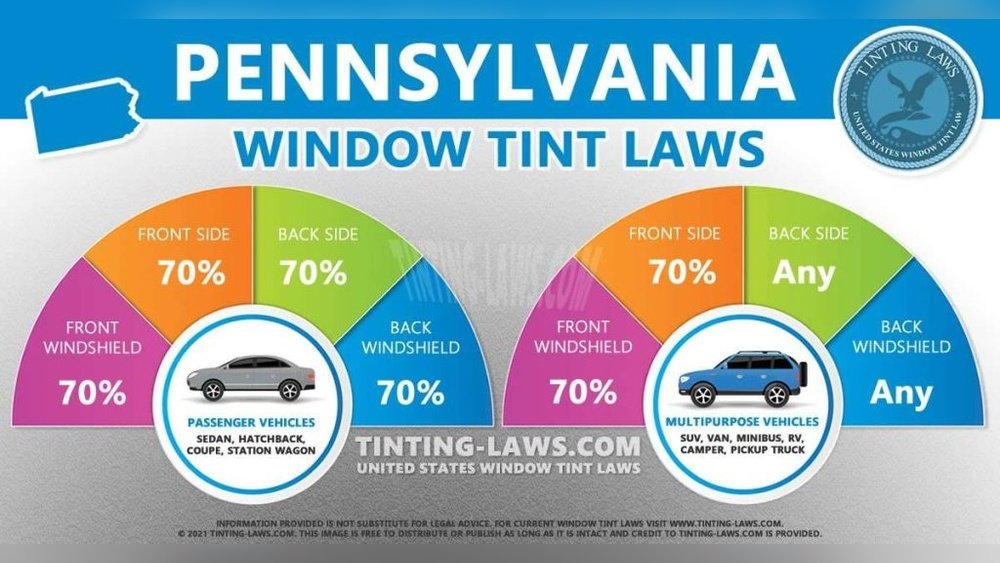
Are you thinking about tinting your car windows in Pennsylvania? Before you head to the shop, it’s crucial to know the state’s window tint laws.
Pennsylvania has specific rules about how dark your tint can be and which windows you can tint. If you don’t follow these rules, you could face fines or get pulled over by the police. But don’t worry—this guide will help you understand what’s allowed, what’s not, and how to stay on the right side of the law.
Keep reading to protect yourself, your car, and your wallet!
Credit: www.blackdiamondtint.com
Pa Tint Law Breakdown
Pennsylvania’s window tint laws set clear rules for vehicle windows. They focus on how dark the tint can be. The laws aim to keep drivers safe and ensure visibility.
Each window type has specific limits. Knowing these helps avoid fines and legal trouble. Below is a simple breakdown of the rules.
Rear Side Windows
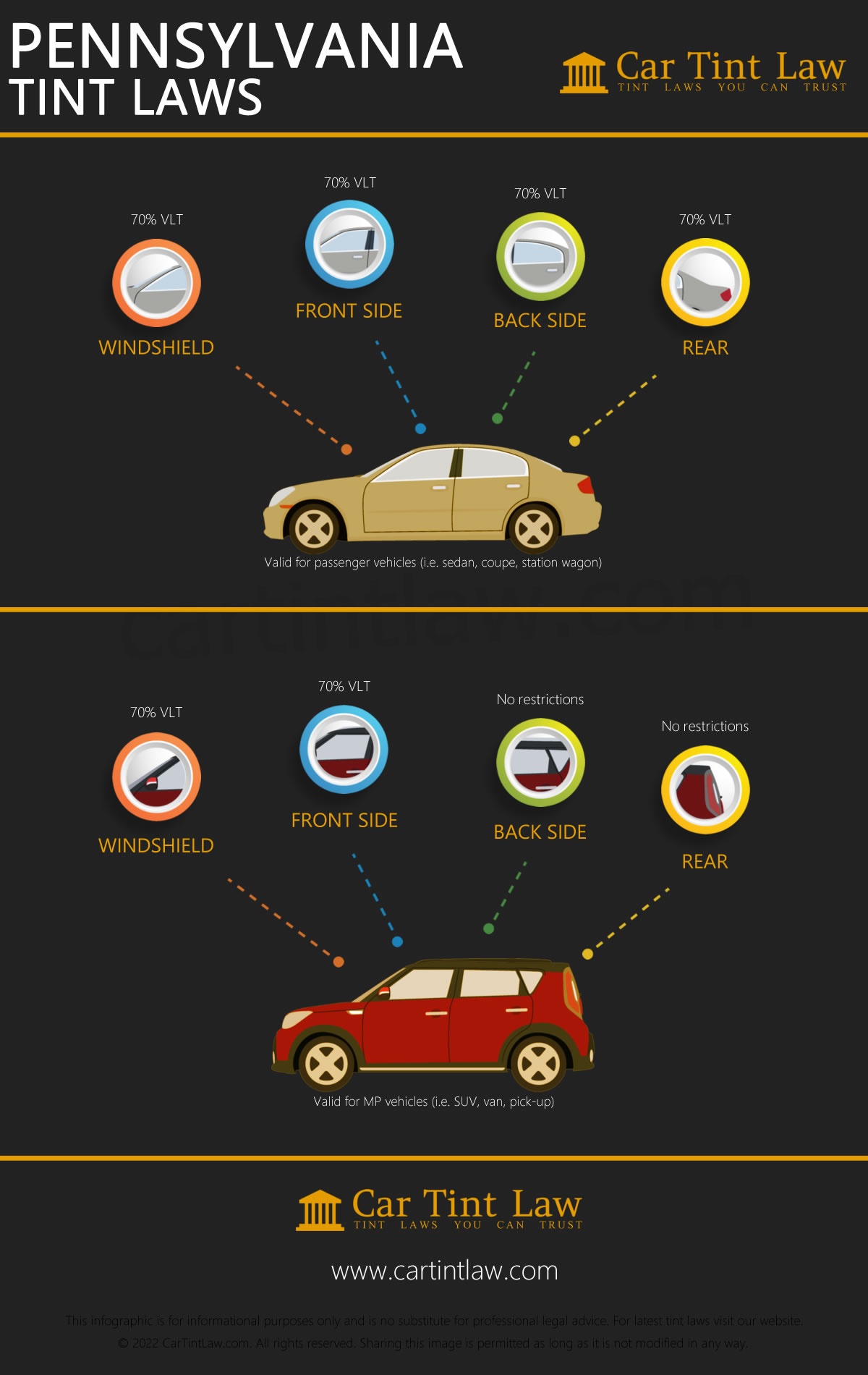
Tints on rear side windows can be any darkness. Pennsylvania does not limit the darkness here. But, if these windows are tinted, your car must have side mirrors on both sides. This ensures the driver can see behind the vehicle clearly.
Rear Window
The rear window also allows any tint darkness. Like the rear side windows, side mirrors are required if the rear window is tinted. This rule helps keep rear visibility safe for driving and parking.
Side Mirrors Requirement
Side mirrors are mandatory if rear side or rear windows have tint. Both mirrors must be clear and functional. This rule helps drivers see vehicles approaching from behind or the side. It also supports safer lane changes and turns.
Credit: www.cartintlaw.com
Visibility And Vlt Rules
Understanding Pennsylvania’s window tint laws is important for vehicle owners. Visibility and Visible Light Transmission (VLT) rules help ensure safety. These rules regulate how dark your car’s window tint can be. They balance privacy with the need for clear vision on the road. Knowing these rules can help you avoid fines and keep your vehicle legal.
Visible Light Transmission Explained
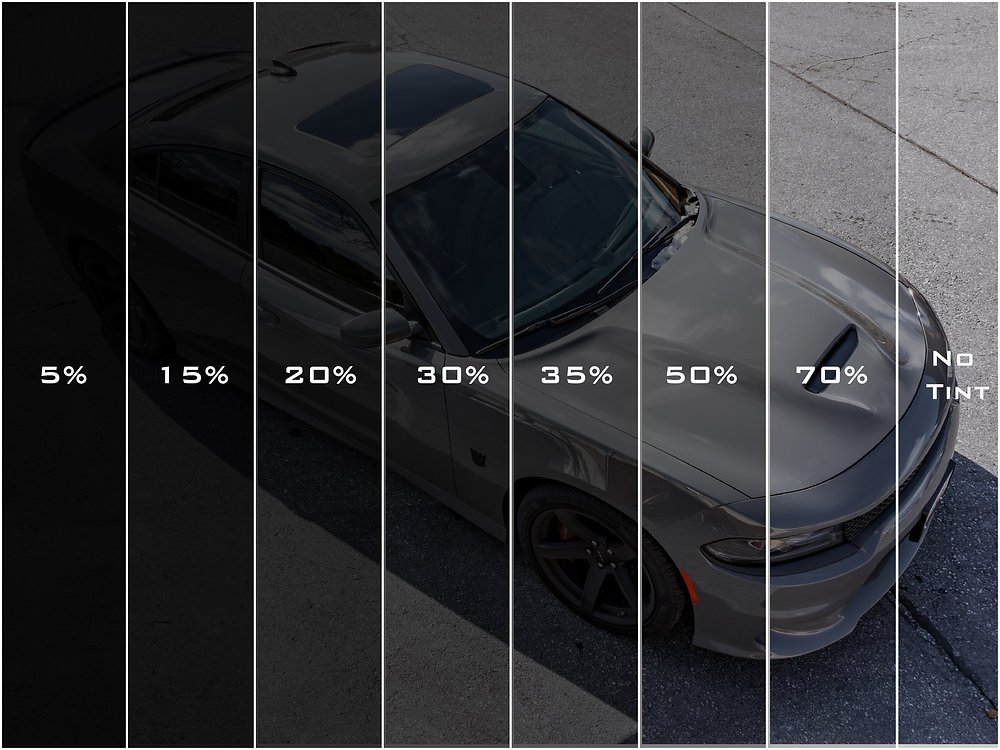
Visible Light Transmission, or VLT, measures how much light passes through tinted windows. It is shown as a percentage. A higher percentage means more light gets through. Pennsylvania law requires a minimum VLT level on certain windows. For example, front side windows must allow at least 70% of light to pass. This keeps the driver’s view clear and safe. Rear side windows and the back window can have any darkness. But side mirrors are needed if these windows are tinted.
Factory Tint Regulations
Many cars come with factory-installed tints. Pennsylvania law allows factory tints even if they are darker than 70% VLT. These tints are considered safe and meet vehicle manufacturing standards. You do not need to remove factory tint to comply with the law. Still, if you add extra tint to factory windows, it must meet the state’s VLT rules. Police officers can check your tint during traffic stops. Having factory tint usually prevents problems.
Non-reflective Tint Requirements
Pennsylvania law also controls the reflectiveness of window tint. Non-reflective tint means the tint should not act like a mirror. Reflective tints can blind other drivers or cause distractions. The law limits how shiny or reflective your tint can be. This rule applies to all windows on your vehicle. Using non-reflective tint helps keep roads safer for everyone. Make sure your tint does not reflect too much sunlight or headlights.
Medical Exemptions
Pennsylvania law recognizes that some medical conditions require special window tint allowances. The state offers medical exemptions for drivers who need darker tints due to health reasons. These exemptions protect individuals from harmful sunlight while keeping vehicle safety in mind. Understanding the rules about medical exemptions helps drivers comply with the law and stay safe on the road.
Eligible Medical Conditions
Certain medical issues qualify for window tint exemptions in Pennsylvania. Conditions like lupus, skin cancer, or photosensitivity allow drivers to apply for special tint permissions. These illnesses make exposure to sunlight dangerous. The tint helps block UV rays and reduces glare. Only specific health problems are accepted for this exemption.
Documentation Needed
A doctor’s note is required to get a medical tint exemption. The note must clearly state the medical condition and the need for tint. It should come from a licensed medical professional. The document must be presented during any police stop. Keep the note inside the vehicle at all times. Without proper paperwork, the exemption is not valid.
Tint Limits With Exemptions
Even with a medical exemption, tint darkness must follow certain limits. Pennsylvania allows darker tints on front and side windows for approved medical cases. The tint must still allow enough visibility for safety checks. Rear windows have more flexible tint rules. The law balances medical needs and public safety. Drivers should confirm exact tint percentages before applying them.
Vehicle Type Regulations
Vehicle type influences Pennsylvania’s window tint regulations significantly. Different rules apply based on the kind of vehicle. Understanding these distinctions helps drivers stay within legal limits and avoid penalties.
Passenger Cars
Passenger cars have strict tint limits on front side windows. The visible light transmission (VLT) must be at least 70%. This means windows must allow 70% of light to pass through. Rear side windows and the rear windshield can have any darkness. However, tinting rear windows requires side mirrors on both sides of the vehicle.
Multi-purpose Vehicles
Multi-purpose vehicles (MPVs) include SUVs and vans. Front side windows on MPVs must also have a minimum 70% VLT. Rear side windows and rear windows can be tinted to any darkness level. Like passenger cars, MPVs need side mirrors if the rear windows are tinted. The goal is to maintain driver visibility and safety on the road.
Rear Window Tint Rules For Mpvs
MPVs can have darker rear window tints than passenger cars. Pennsylvania law allows any darkness on the rear window for these vehicles. Side mirrors on both sides must be present to meet legal requirements. This rule ensures drivers can see clearly behind the vehicle despite the dark tint.
Enforcement And Police Stops
Understanding how Pennsylvania enforces window tint laws helps drivers stay compliant. Police officers have clear guidelines on when and why they can stop vehicles for tint violations. Knowing these rules reduces stress during traffic stops.
When Police Can Pull You Over
Officers can stop a vehicle if the tint blocks their view inside. The law requires enough visibility through the windshield and side windows. Police may also stop drivers if the tint appears darker than allowed. A vehicle with no side mirrors while having tinted rear windows can be pulled over too.
Officer Discretion And Cooperation
Police use their judgment when deciding to stop a car for tint issues. Cooperation during the stop can affect the outcome. Being polite and providing requested documents helps. Medical exemptions must be shown if applicable. Officers might still inspect tint even with exemptions.
Possible Fines And Penalties
Violating tint laws in Pennsylvania can lead to fines. Tickets vary depending on the severity of the violation. Repeated offenses might result in higher penalties. In some cases, officers can require drivers to remove illegal tint. Following the rules avoids costly penalties and hassle.

Credit: kepler-dealer.com
Tips For Compliance
Following Pennsylvania’s window tint laws helps avoid fines and keeps you safe. Knowing how to comply with these rules is important for every driver. Here are some key tips to stay within the law and drive confidently.
Choosing Legal Tint Levels
Check the Pennsylvania tint law for each window type. Front side windows must allow more light than rear side windows. Rear windows can have any darkness but require side mirrors. The windshield can have a non-reflective tint on the top few inches. Always measure the Visible Light Transmission (VLT) percentage before applying tint. Choose tints that match or exceed the legal minimum light allowed. This prevents tickets and keeps your vehicle legal on the road.
Maintaining Visibility
Ensure your tint does not block your view while driving. Good visibility is critical for safety in all weather conditions. Clean your windows regularly to keep the tint clear and effective. Avoid applying tints that create glare or reflect too much light. Keep your side mirrors in good condition if your rear windows are tinted dark. Safe driving depends on clear sight lines inside and outside your vehicle.
Handling Traffic Stops
Stay calm and polite if stopped by police for tint checks. Have your driver’s license and registration ready. Explain that your tint meets Pennsylvania’s legal limits. If you have a medical exemption, show the doctor’s note when asked. Cooperate fully with the officer’s requests during the stop. Being respectful can reduce stress and help the process go smoothly.
Frequently Asked Questions
What Is The Darkest Legal Tint In Pa?
Pennsylvania allows any darkness on rear side and rear windows if side mirrors are present. Front side windows must have at least 70% visible light transmission (VLT). Medical exemptions permit darker tints with a doctor’s note but must still meet VLT rules.
In What State Is 20% Tint Legal?
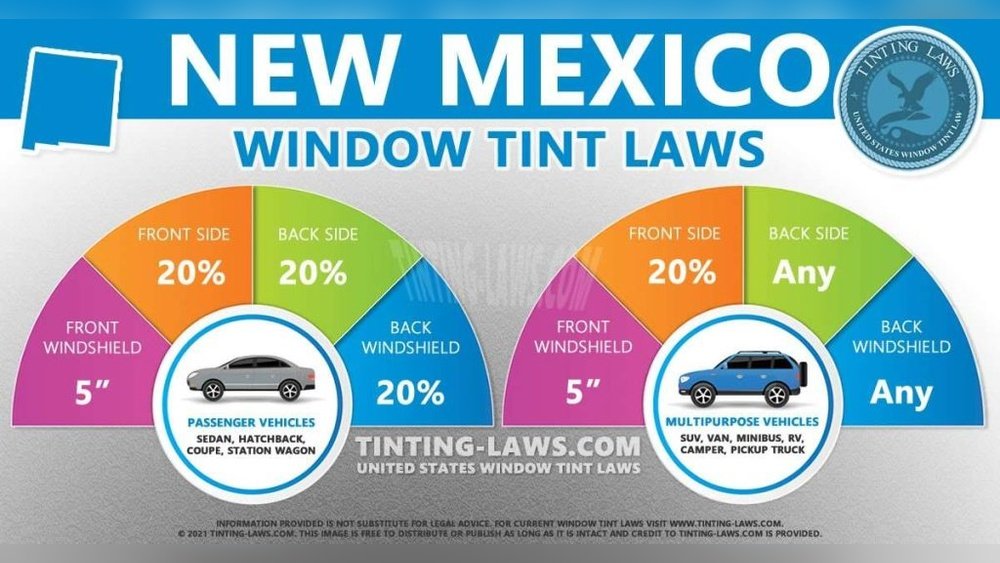
New Mexico allows 20% tint legally on front side windows. Other states have higher minimum Visible Light Transmission limits. Always check local laws before tinting.
Can Pa Cops Pull You Over For Tint?
Yes, PA cops can pull you over for illegal window tint. The law requires clear visibility into the vehicle. Dark tints that block view may result in a ticket. Medical exemptions allow darker tints but officers may still stop you to verify compliance.
Is 15% Or 30% Tint Darker?
A 15% tint is darker than a 30% tint. Lower percentage means less light passes through, creating a darker shade.
Conclusion
Understanding Pennsylvania’s window tint laws helps keep you safe and legal. Always check your tint’s visible light transmission (VLT) percentage before installation. Remember, side and rear windows have more lenient rules, but front side windows must allow more light. Medical exemptions exist but require proper documentation.
Police can stop you if tint blocks clear visibility inside your vehicle. Stay informed to avoid fines and ensure your tint follows state rules. Drive confidently knowing your vehicle meets Pennsylvania’s window tint regulations. Stay safe on the road with legal tinting.