If you drive in South Carolina and want to tint your car windows, you need to know the state’s window tint laws. These rules can be confusing, but they are important to follow to avoid fines, legal trouble, or even insurance problems.
Do you know how dark your tint can be? Are certain colors banned? What about stickers or medical exemptions? This guide will help you understand exactly what is allowed and what is not, so you can keep your ride looking cool while staying within the law.
Keep reading to learn everything you need to know about window tint laws in South Carolina—and protect yourself from costly mistakes.
Legal Tint Limits
South Carolina has clear rules on how dark car window tints can be. These rules help police see inside cars for safety reasons. Knowing the legal tint limits avoids fines and legal trouble. The law treats different windows on the car differently.
Front Side Windows
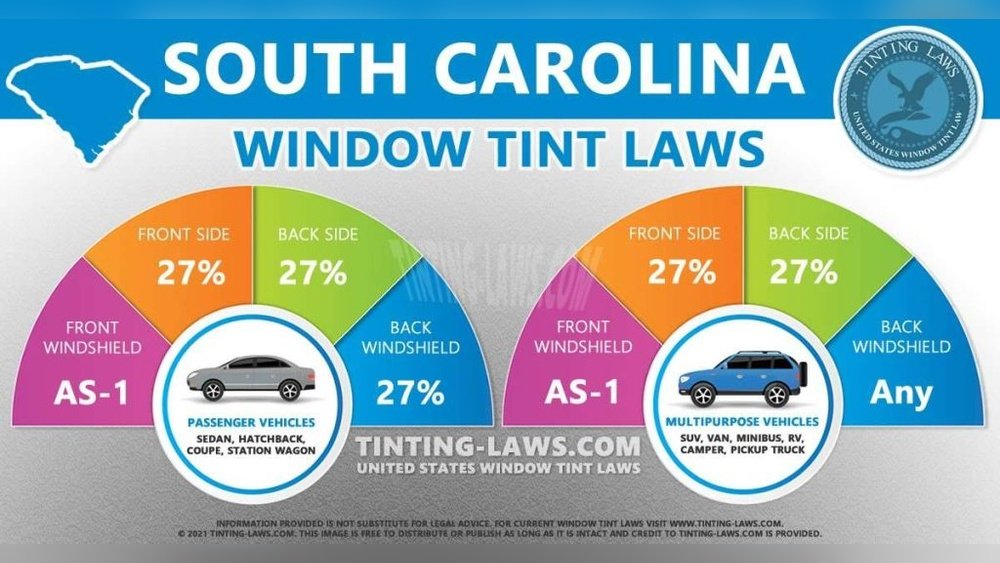
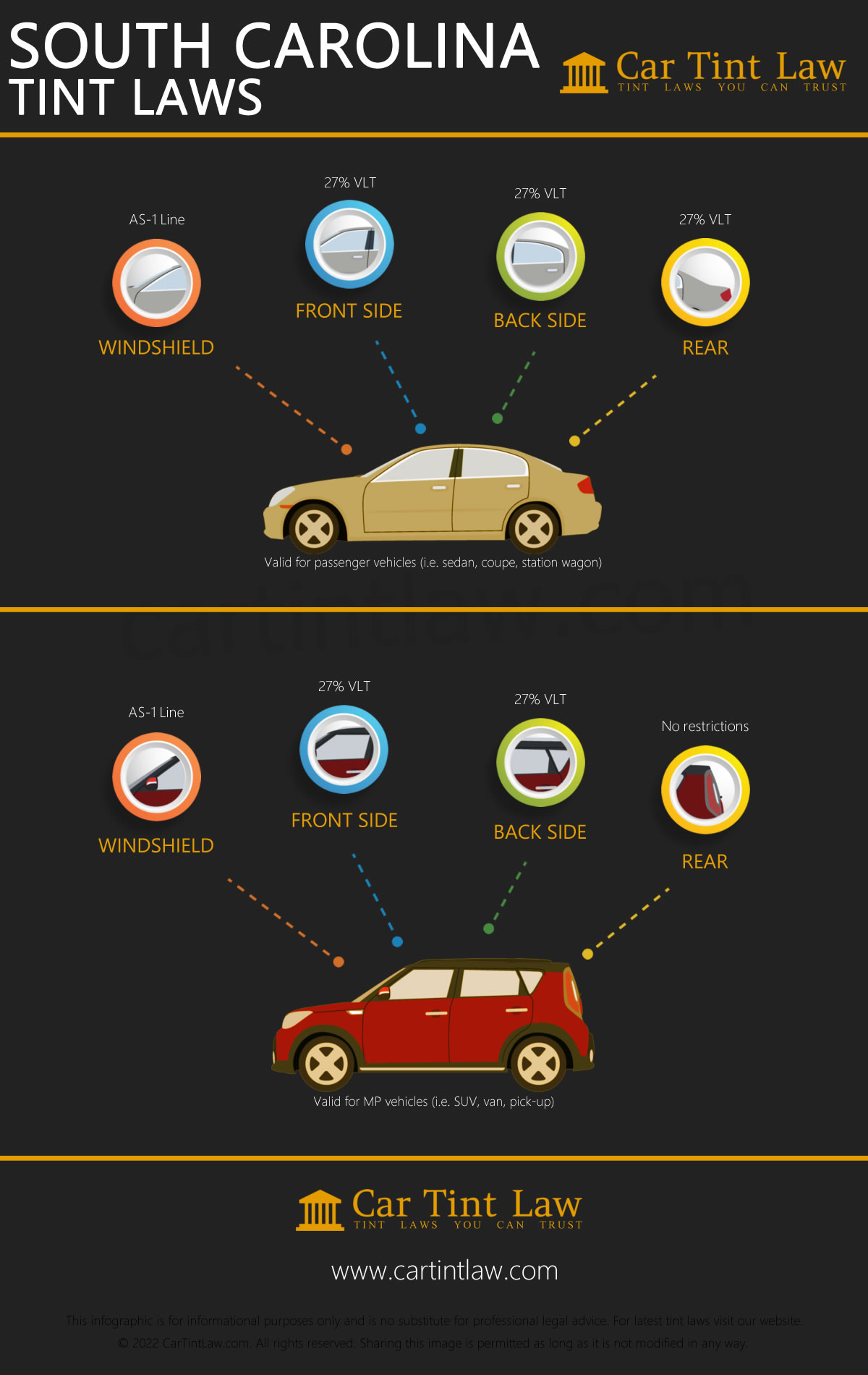
Front side windows must allow more light than other windows. The law requires at least 28% of light to pass through these windows. This means the tint cannot be too dark on front side windows. Police need to see the driver clearly at all times.
Rear Side And Rear Windows
Rear side and rear windows have fewer restrictions on darkness. Any darkness level is allowed on these windows. The tint cannot be red, amber, or yellow in color. Reflective tints on rear windows are also illegal. Cars with tinted rear windows must have two side mirrors.
Windshield Restrictions
The windshield has the strictest tint rules. Only the top 5 inches of the windshield may have tint. This tinted strip is called the “AS-1 line.” The tint on this strip must not be reflective or colored. Clear visibility through the windshield is critical for safety.
Credit: www.tinting-laws.com
Prohibited Colors And Reflectivity
South Carolina has clear rules about window tint colors and reflectivity. These rules help keep drivers safe and ensure law enforcement can see inside vehicles when needed. Some colors and reflective tints are not allowed on car windows. Knowing these rules can help you avoid fines and legal trouble.
Banned Tint Colors
South Carolina bans red, amber, and yellow tint colors on all windows. These colors can confuse other drivers and cause safety risks. Any tint film with these colors is illegal. Stick to neutral colors like black or gray to stay within the law. This rule applies to all vehicle windows, including rear and side windows.
Reflective Tint Rules
Reflective tints that create a mirror-like finish are not allowed on back side windows. These tints can blind other drivers by reflecting sunlight. Front side windows also have strict limits on reflectivity. The goal is to keep windows clear enough for police to see inside. Reflective tints that look like mirrors are illegal and can lead to fines.
Certification And Stickers
Certification and stickers play a vital role in South Carolina’s window tint laws. They ensure that all tinted windows meet legal standards. Without proper certification, your tint may be considered illegal. Stickers prove that your tint complies with state rules. These requirements help law enforcement quickly identify legal tint films.
Required Certification
All tint films used in South Carolina must have certification from the manufacturer. This certification confirms the tint meets state regulations. The film must pass tests for light transmission and color. Only certified films can be legally installed on vehicles. Tint shops usually provide this certification with every installation. Drivers should keep proof of certification in their vehicle. It helps avoid fines during traffic stops.
Placement Of Stickers
South Carolina law requires a sticker on each tinted window. These stickers show the film is certified and legal. The sticker must be visible from outside the vehicle. Usually, it is placed in the lower corner of the tinted window. Removing or hiding the sticker can lead to penalties. The sticker must remain intact as long as the tint is on the window. This rule applies to all passenger vehicles with tinted windows.
Mirror Requirements
South Carolina has specific mirror requirements for vehicles with tinted windows. These rules help maintain driver visibility and safety. Understanding these laws is important for anyone applying window tint in the state.
Dual Mirrors For Rear Tinting
If your vehicle’s rear window has tint, South Carolina law requires dual side mirrors. This means you must have a mirror on both the driver and passenger sides.
These mirrors help drivers see behind the vehicle despite the tinted rear window. They reduce blind spots and improve road safety. Without dual mirrors, tinted rear windows are not legal in South Carolina.
Medical Exemptions
South Carolina allows medical exemptions for window tint laws. These exemptions help people with certain health conditions. The law lets them use darker tints than usually allowed. This protection reduces glare and sun exposure, improving comfort and safety.
Eligibility And Documentation
To qualify for a medical exemption, a doctor must certify your condition. Conditions may include lupus, skin cancer, or severe light sensitivity. The doctor provides a written note or form. This document states the medical need for darker tint.
You must submit this certification to local authorities. They review and approve your exemption. Only approved medical exemptions allow you to legally tint windows darker than the limit.
Renewal Process
Medical exemptions do not last forever. They require periodic renewal to stay valid. Renewals involve submitting updated medical documentation. Your doctor must confirm the ongoing need for the exemption.
Check with your local DMV for renewal timelines and procedures. Keep your exemption paperwork in your vehicle. Law enforcement may ask to see proof during traffic stops.
Credit: www.cartintlaw.com
Enforcement And Compliance
Enforcing window tint laws in South Carolina is strict to ensure road safety. Authorities check tint levels regularly. Compliance helps drivers avoid fines and legal issues. Understanding enforcement methods clarifies how police uphold these rules. Drivers must know what to expect during inspections.
Tint Measurement Tools
Police use special tools to measure window tint darkness. These devices shine light through the glass. They calculate how much light passes through the tint. The result shows if the tint meets legal limits. These tools provide accurate, quick readings on the spot. They help officers enforce tint laws fairly.
Police Checks
Officers conduct random or routine tint checks during traffic stops. They may use a tint meter on the front side and windshield. If the tint is too dark or illegal in color, they issue a ticket. Repeat offenders face higher fines and possible court appearances. Drivers should keep tint stickers visible to prove compliance. Police also check for required dual mirrors if rear windows are tinted.
Penalties And Fines
South Carolina enforces strict penalties and fines for violating window tint laws. These rules help ensure driver safety and clear visibility on the roads. Penalties vary depending on whether the offense is a first-time violation or a repeat occurrence. Understanding the consequences can help drivers avoid costly fines and legal trouble.
First-time Offenses
For first-time violations, drivers usually face a monetary fine. The amount can range from $25 to $100. Officers may also require removal of the illegal tint. Some cases could lead to a court appearance. The goal is to correct the violation promptly.
Repeat Violations
Repeat offenders face higher fines and stricter penalties. Fines can increase to several hundred dollars. Courts may impose additional sanctions or community service. Repeat violations could also lead to suspension of vehicle registration. The state treats ongoing non-compliance seriously.
Legal Consequences
Illegal window tinting can affect insurance rates negatively. Some insurers may refuse coverage or raise premiums. Persistent violations might result in court summons and legal fees. In extreme cases, jail time could be a possibility. Compliance with tint laws is crucial to avoid these outcomes.

Credit: kepler-dealer.com
Impact On Insurance
Window tint laws in South Carolina do more than regulate vehicle appearance. They can directly affect your insurance. Insurance companies consider any traffic violations when setting your rates. Tinted window tickets are no exception.
Understanding how these laws impact your insurance helps you avoid unexpected costs. It also shows the importance of following tint regulations closely.
Effect Of Tickets On Rates
Getting a ticket for illegal window tint can raise your insurance premium. Insurers see tickets as signs of higher risk. Even minor violations may lead to higher rates. Repeat offenses cause bigger increases. The more tickets you get, the more your insurance can cost. Insurance companies track your driving record for these violations. The ticket stays on your record for several years. This means increased premiums may last a long time.
Insurance companies often treat window tint tickets like other moving violations. Your premium can rise even if the ticket is not for speeding or reckless driving. This makes following tint laws essential to keep insurance costs low.
Insurance Company Policies
Each insurance company has its own policy about tint tickets. Some companies may be stricter and increase rates more than others. Others might give warnings for a first offense. Many companies require you to fix the tint issue quickly. Failure to comply could lead to policy cancellation. Insurers may also require proof that the tint meets South Carolina law. This could mean showing a certificate or sticker from a licensed installer.
Some insurers offer discounts for drivers who follow all tint laws. They see these drivers as safer. Always check your insurance policy details about tint violations. Knowing your company’s rules helps you avoid surprises. It also helps you maintain good insurance standing.
Frequently Asked Questions
What Is The Darkest Legal Tint In Sc?
South Carolina allows any darkness on rear side and rear windows except red, amber, or yellow tints. Front side windows require at least 28% visible light transmission. A certification sticker must be displayed on all tinted windows. Dual side mirrors are needed if the rear window is tinted.
In What State Is 20% Tint Legal?
New Mexico allows 20% tint on front side windows legally. South Carolina does not permit 20% tint on front windows. Always check local laws before tinting.
Is 35% Or 20% Tint Darker?
A 20% tint is darker than a 35% tint. Lower percentage means less visible light passes through, creating a darker shade.
How Much Is A Tint Ticket In South Carolina?
A tint ticket in South Carolina typically costs between $50 and $200. Fines increase for repeat offenses. Tickets can affect insurance rates and carry legal consequences.
Conclusion
Understanding South Carolina’s window tint laws keeps you safe and legal. Dark tints are allowed on rear windows, but colors like red, amber, and yellow are banned. Stickers must show tint certification. Dual mirrors are needed if the rear window is tinted.
Violating these rules can lead to fines and affect insurance rates. Follow the laws to avoid trouble and drive with confidence. Stay informed and protect yourself on the road.