Are you thinking about tinting your car windows in South Dakota? Before you get started, it’s important to know the state’s window tint laws.
Tinting your windows can boost privacy, reduce glare, and keep your vehicle cooler. But if your tint is too dark or reflective, you could face fines or even be forced to remove it. This guide will help you understand exactly what’s allowed so you can enjoy your tinted windows without any trouble.
Keep reading to find out the darkest legal tint, which windows you can tint, and what penalties to avoid. Your next tint job starts with knowing the rules!
Legal Tint Limits
South Dakota sets clear rules on how dark window tints can be. These rules protect drivers and ensure safety on the road. Knowing the legal tint limits helps avoid fines and keeps your car compliant. Each type of window has specific limits on how much light must pass through.
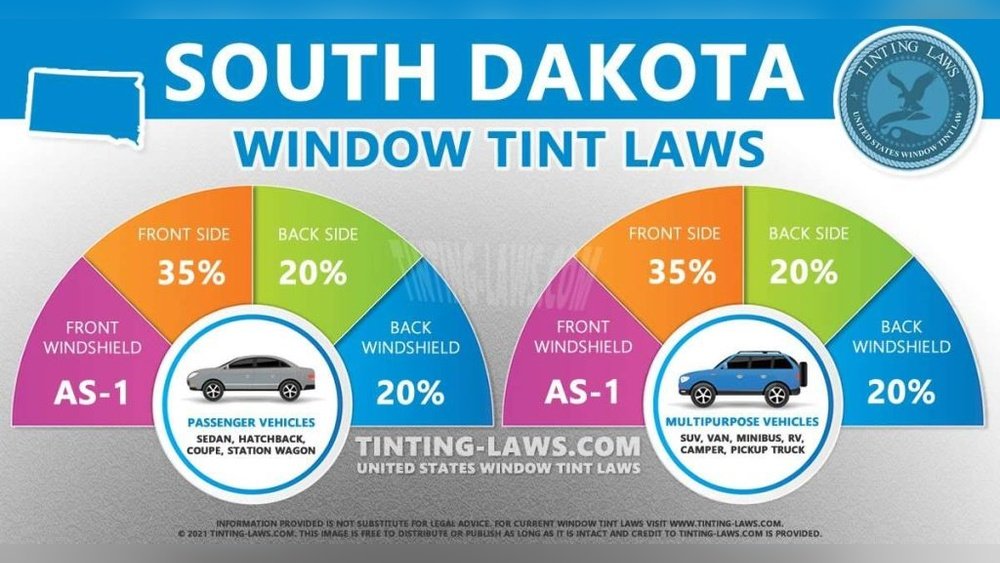
Front Side Windows
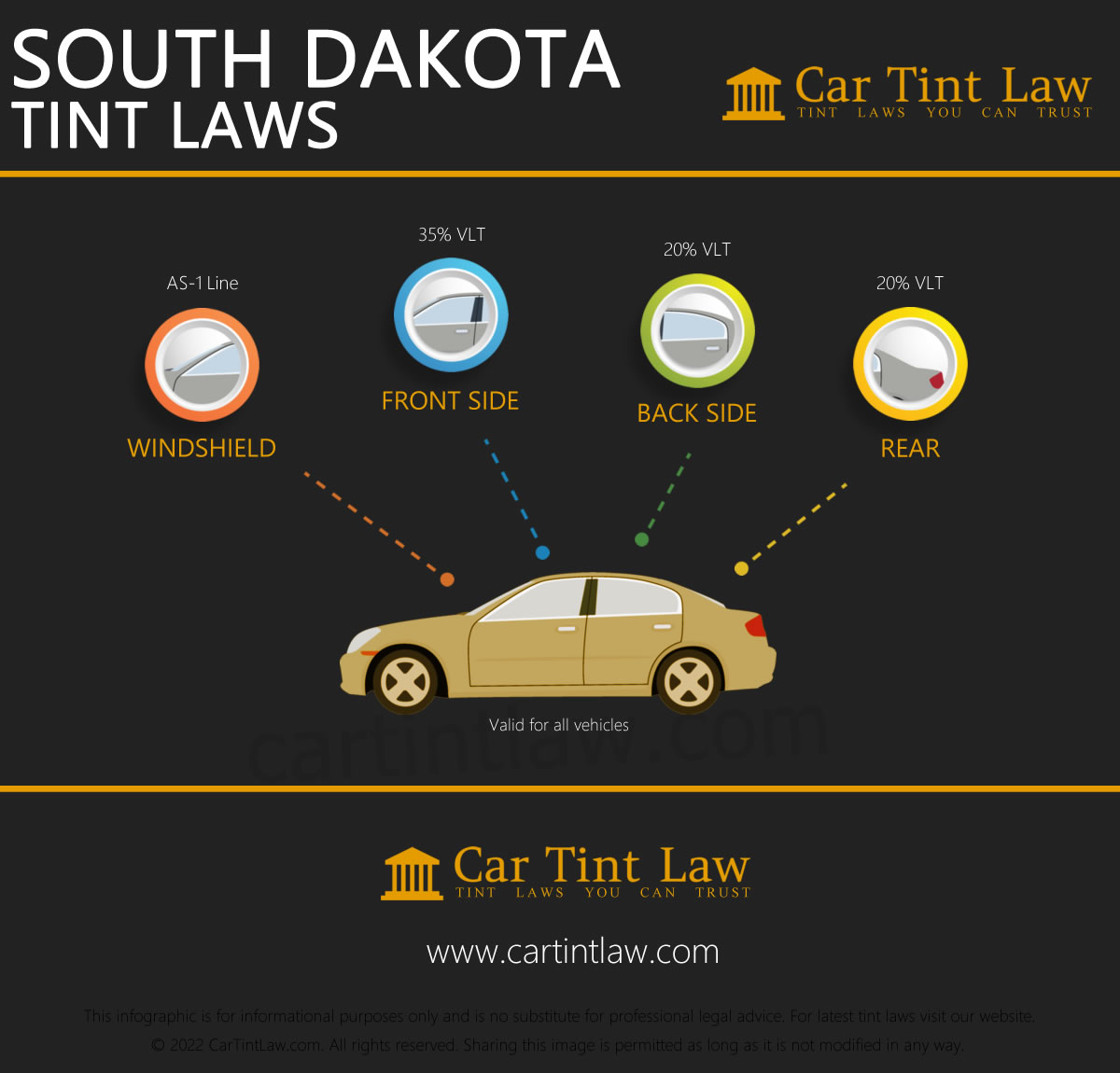
Front side windows must allow at least 35% of light in. This means the tint cannot be too dark. The rule ensures drivers have good visibility. It also helps law enforcement see inside the vehicle if needed.
Rear Side Windows
Rear side windows have a stricter limit. They must allow at least 20% of visible light. This darker tint helps with privacy and reduces glare. Still, it is important to follow this limit to stay legal.
Windshield Regulations
The windshield has the tightest rules. Only the top few inches of the windshield may have tint. This strip is usually called the sun strip or visor strip. It cannot block the driver’s view of the road.

Credit: kepler-dealer.com
Visible Light Transmission (vlt)
Understanding Visible Light Transmission (VLT) is important for anyone considering window tinting in South Dakota. VLT measures how much light passes through a vehicle’s window film. This affects visibility for drivers and law enforcement. Knowing the allowed VLT percentages helps keep your tint legal and safe.
What Vlt Means
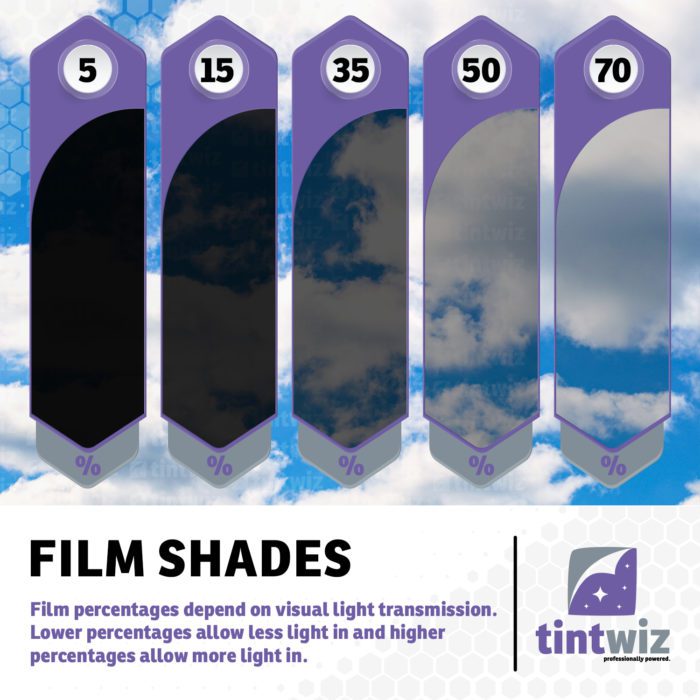
VLT is the percentage of visible light that passes through your car windows. A lower VLT means darker tint and less light gets through. Higher VLT means lighter tint and more light passes in. Lawmakers use VLT to set rules that balance privacy and safety. Clear windows have 100% VLT, meaning all light passes through. Tint films with 35% VLT let only 35% of light enter the vehicle.
Vlt Percentages Allowed
South Dakota has specific VLT limits for vehicle windows. The front side windows must allow at least 35% of light through. This means the tint can block up to 65% of light. Rear side windows can be darker, with only 20% VLT required. This allows more privacy for passengers. The windshield must allow more light than side windows, but tint is usually only allowed above the top few inches. Following these limits helps avoid fines and keeps your car road legal.
Reflectivity And Color Rules
South Dakota has specific rules about the reflectivity and color of window tints. These rules help keep drivers safe and ensure law enforcement can see inside vehicles. Understanding these rules is important before tinting your windows.
Reflective Tint Restrictions
South Dakota limits how reflective window tints can be. Tints cannot be mirror-like or highly shiny. This prevents glare that can distract other drivers. The law says tint reflectivity must not exceed the reflectivity of standard glass. Reflective tints that create a mirror effect are not allowed. This rule applies to all vehicle windows.
Color Tint Guidelines
South Dakota does not ban any specific tint colors. Drivers can choose from many colors for their window tint. However, very dark or unusual colors may attract police attention. The main concern is that the color does not reduce visibility too much. The law focuses more on how dark the tint is rather than its color. Stickers or labels may be required to show that tints meet state rules.
Credit: www.cartintlaw.com
Mirror And Sticker Requirements
South Dakota has specific rules about mirrors and stickers for vehicles with tinted windows. These rules help drivers stay safe and avoid fines. Understanding these requirements is key for anyone applying window tint in this state.
Dual Side Mirrors
South Dakota requires dual side mirrors if the rear window is tinted. This means your vehicle must have a mirror on both the driver and passenger sides. These mirrors improve visibility and help prevent accidents. If your rear window is darkly tinted, make sure your vehicle has these mirrors installed.
Legal Tint Stickers
After tinting your windows, you must display a legal tint sticker on each tinted window. The sticker proves that your tint meets state laws. It should be placed where it is easily visible to law enforcement. These stickers help avoid confusion during traffic stops and show that your tint is approved.
Enforcement And Penalties
South Dakota enforces window tint laws to ensure road safety and clear visibility. Authorities regularly check vehicles for compliance. Violations lead to fines and other penalties. Understanding enforcement helps drivers avoid trouble.
Common Violations
Many drivers exceed the allowed Visible Light Transmission (VLT) limits. Front side windows must allow at least 35% light in. Rear side windows must allow 20% or more. Tint that is too dark causes common violations. Reflective or mirror-like tints also break the rules. Lack of required stickers proving legal tint is another issue.
Fines And Consequences
Fines for illegal window tinting vary but can reach several hundred dollars. Officers may require drivers to remove illegal tint. Repeat offenders face higher fines and possible court appearances. Some may risk vehicle inspection failures or registration problems. Keeping tint within legal limits avoids these penalties and keeps roads safer.
Comparisons To Other States
South Dakota’s window tint laws differ from many other states across the U.S. The rules control how dark and reflective your car’s windows can be. Comparing these laws to those of other states helps drivers understand limits and avoid fines. Some states have stricter rules, while others offer more freedom. This section highlights how South Dakota’s laws stack up against neighboring states and what makes them unique.
Neighboring State Laws
South Dakota borders North Dakota, Nebraska, Iowa, and Minnesota. Each state has its own tint limits. North Dakota allows darker tints on front side windows, up to 50% Visible Light Transmission (VLT). Nebraska sets a 35% VLT limit on front side windows, similar to South Dakota’s 35% limit. Iowa’s rules are stricter, allowing 35% VLT on front side windows but requiring more light on rear windows. Minnesota permits 50% VLT on front side windows, which is lighter than South Dakota’s limit.
Reflectivity rules also vary. Some neighbors ban reflective tints, while South Dakota discourages them but does not ban outright. Knowing neighboring states’ laws helps travelers avoid legal trouble when crossing borders.
Unique South Dakota Rules
South Dakota allows 35% VLT on front side windows and 20% on rear side windows. This difference between front and rear is stricter than some states. The state does not ban any tint colors, unlike others that restrict red or amber tints.
South Dakota does not require dual side mirrors if the rear window is tinted. This rule contrasts with states that demand extra mirrors for safety. The state encourages drivers to use stickers proving legal tint, easing law enforcement stops.
Unlike many states, South Dakota does not have strict reflectivity rules. Reflective or mirror-like tints are generally discouraged, but not illegal. This leniency offers more choices for drivers who want style without breaking laws.
Tips For Choosing Tint
Choosing the right window tint in South Dakota requires careful thought. You want a look that fits your style. At the same time, you must follow state laws. These tips help you pick tint that looks good and stays legal.
Balancing Style And Legality
Pick a tint shade that matches South Dakota’s rules. The front side windows need at least 35% visible light transmission. Rear side windows can be darker, with 20% VLT allowed. Too dark a tint can lead to fines or forced removal. Choose a tint that enhances your vehicle’s look but stays within legal limits. Consider how the tint affects your visibility, especially at night. Balance style with safety and the law.
Consulting Professionals
Find a trusted tinting expert in South Dakota. They know local laws and the best tint options. Experts can recommend films that meet legal standards. They also install the tint correctly to avoid bubbles or peeling. Professionals offer advice on maintenance and care. Their experience ensures a smooth, legal tinting process. Always ask questions before the installation begins.
Credit: tintwiz.com
Frequently Asked Questions
What Is The Darkest Legal Window Tint In South Dakota?
The darkest legal window tint in South Dakota is 35% Visible Light Transmission (VLT) on front side windows. Rear side windows can have up to 20% VLT tint. Windshield tinting is restricted, allowing only the top few inches to be tinted.
In What State Is 20% Tint Legal?
New Mexico allows 20% tint on front side windows legally. Most other states restrict front tint to higher VLT percentages.
Is 35% Or 20% Tint Darker?
A 20% tint is darker than a 35% tint. Lower percentages allow less light, creating a darker shade.
What Is The Darkest Legal Tint In Sa?
The darkest legal window tint in South Australia (SA) allows 35% visible light transmission (VLT) on front side windows. Rear windows can have darker tints but must comply with specific regulations.
Conclusion
Understanding South Dakota’s window tint laws helps you stay safe and legal. The state allows up to 35% tint on front side windows and 20% on rear side windows. Avoid very dark or reflective tints to prevent fines. Follow these rules to protect your vehicle and avoid trouble with law enforcement.
Always check the latest regulations before tinting your windows. Clear knowledge keeps your driving smooth and worry-free.