If you drive in Texas, understanding the window tint laws is crucial to avoid fines and keep your vehicle compliant. You might be wondering, “How dark can my car windows be?” or “Are there any exceptions for medical reasons?” Knowing the rules about tint darkness, which windows you can tint, and what paperwork you need can save you from unexpected tickets.
You’ll get a clear, straightforward breakdown of Texas window tint laws—explained window by window—so you can protect your privacy, stay cool, and stay legal on the road. Keep reading to make sure your tint is perfectly legal in the Lone Star State.
Credit: www.sneedmitchell.com
Tint Limits By Window
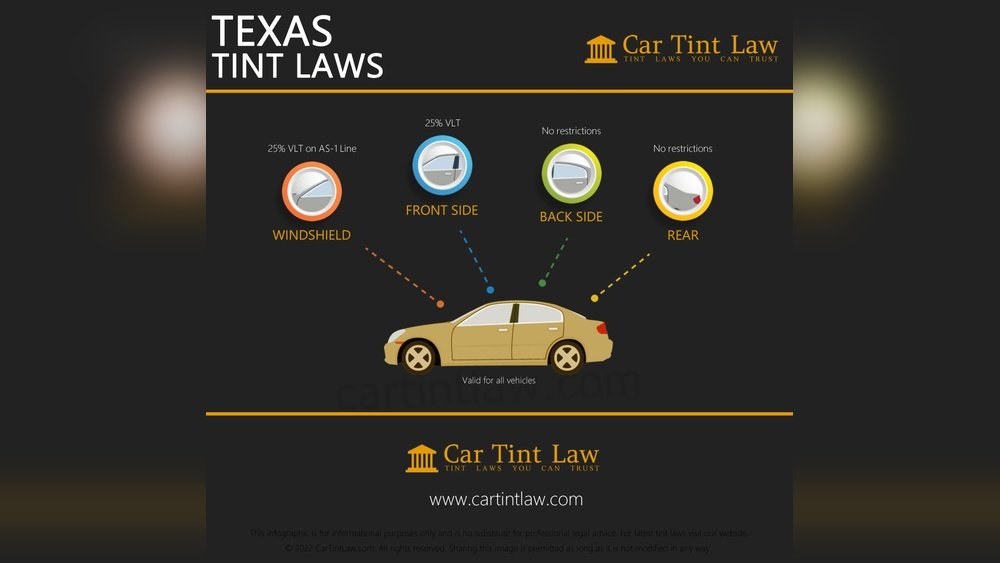
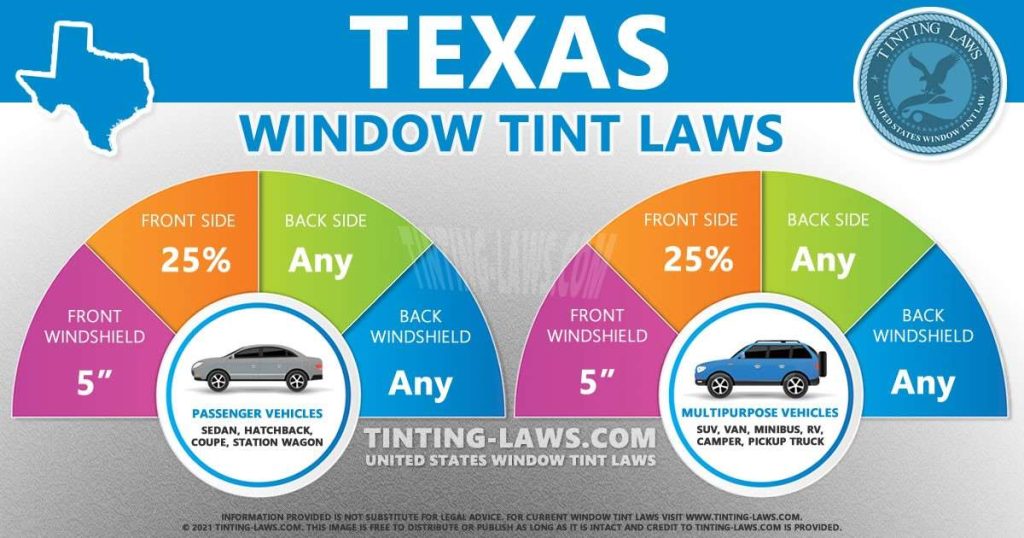
Understanding tint limits by window is crucial for Texas drivers. The state law sets specific rules for each car window. These rules ensure safety while allowing some privacy and sun protection. Knowing the exact limits helps avoid fines and legal trouble.
Windshield Tint Rules
Texas allows tint only along the top of the windshield. This tinted strip must be above the AS-1 line. The AS-1 line is a mark on the windshield. Tinting below this line is not legal in Texas. This rule helps keep the driver’s view clear.
Front Side Windows
Front side windows must allow more light than other windows. Texas law requires at least 25% visible light transmission (VLT). This means the tint cannot block more than 75% of light. This limit keeps the driver’s side windows fairly clear.
Back Side Windows
The back side windows have fewer restrictions. Texas law allows any darkness on these windows. Drivers can choose very dark tints here. This gives more privacy to passengers in the back seats.
Rear Window Regulations
Rear window tint in Texas has no darkness limit. Any shade can be applied. The only rule is that the vehicle must have two side mirrors. This ensures the driver can see behind the vehicle safely. Without two mirrors, the tint must allow more light.
Key Terminology
Understanding Texas window tint laws starts with knowing key terms. These terms explain how tint levels and regulations work. Clear knowledge helps you follow the law and avoid fines.
Below are important terms used in Texas tinting rules. Each term affects your choice of window tint.
Visible Light Transmission (vlt)
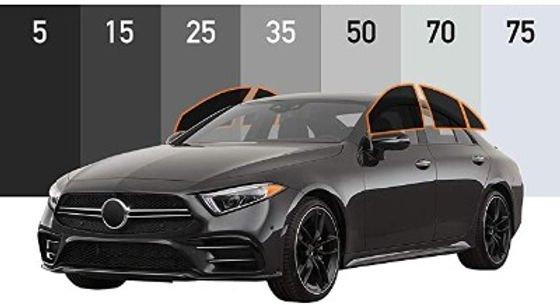
Visible Light Transmission, or VLT, measures light passing through tinted glass. It is shown as a percentage. A lower VLT means darker tint. Texas law sets minimum VLT limits for different windows. The front side windows must allow at least 25% of light in. This ensures drivers can see clearly and others can see inside.
As-1 Line
The AS-1 line is a mark on your windshield. It shows the highest point where tint can be applied legally. Tinting above this line is not allowed in Texas. This line helps drivers keep clear vision through the windshield. It is usually near the top of the glass.
Tint Shades And Colors
Tint shades refer to how dark the tint appears. Texas law restricts how dark your tint can be on each window. Some colors or reflective films are also regulated. Reflective or mirrored tints may be limited or banned. Only certain shades and colors comply with Texas rules. Choosing the right shade avoids legal trouble.
Legal Requirements
Texas has specific legal rules for window tinting on vehicles. These rules protect drivers and officers by ensuring visibility and safety. Understanding these laws helps you avoid fines and keep your car street legal. The state sets limits on how dark your tint can be and what colors are allowed. Special rules apply to stickers and labels on tinted windows. Medical exemptions offer relief for people needing extra protection from sunlight.
Sticker And Label Rules
Texas requires a manufacturer’s label on all window tint films. This label must be visible through the window. It shows the tint’s compliance with state laws. Removing or covering this sticker can cause a ticket. Law enforcement uses this label to check if your tint is legal. The label usually sits on the lower corner of the driver’s side window.
Color Restrictions
Texas bans certain colors for window tinting. Red, amber, and blue tints are not allowed. These colors can confuse other drivers or emergency responders. Only neutral colors like black or gray are legal. The tint must not change the car’s original glass color too much. Following these rules keeps your vehicle safe on the road.
Medical Exemptions
Some people qualify for medical exemptions in Texas. A doctor’s note can allow darker tints for health reasons. Conditions like lupus or skin cancer require protection from sunlight. The exemption must be approved by the Texas Department of Public Safety. Drivers must carry the medical certificate when using darker tint. This rule helps protect vulnerable people without breaking the law.
Applying For Medical Exemptions
Applying for medical exemptions in Texas allows certain drivers to legally use darker window tints. This exemption helps people with specific health issues that make them sensitive to sunlight. The process is straightforward but requires meeting clear rules and submitting proper documents.
Eligibility Criteria
Not everyone qualifies for a medical tint exemption. The law focuses on medical conditions that require protection from bright light. Examples include lupus, skin cancer, or other light-sensitive diseases. A licensed physician must confirm the condition. The vehicle owner must be the person with the medical need. The exemption only applies to the windows that need extra protection.
Required Documentation
To apply, you need a written statement from your doctor. The letter must describe your condition and explain the need for darker tint. It should include the doctor’s contact information and license number. The statement must be on official medical letterhead. Submit this document to the Texas Department of Public Safety. Keep a copy in your vehicle at all times.
How To Keep Your Exemption Valid
Renew your medical exemption before it expires. Check the expiration date on your paperwork. Update your doctor’s statement if your condition changes. Always carry the exemption document when driving. Follow Texas tint laws for any windows not covered by the exemption. Regularly review state rules to stay compliant.
Common Penalties
Violating window tint laws in Texas can lead to several penalties. These penalties aim to ensure drivers follow state regulations for safety and visibility. Understanding common penalties helps avoid unexpected costs and legal issues. Below are key penalties drivers may face for non-compliance with Texas window tint rules.
Fines And Tickets
Officers can issue fines for illegal window tint. The fine amount varies depending on the violation severity. Tickets may carry fees from $100 to $500 or more. Fines increase if the driver repeats the offense within a certain time. Tickets also add points to the driver’s record, impacting insurance rates.
Vehicle Inspection Failures
Vehicles with illegal tint may fail state inspections. Failing inspection means the vehicle cannot be legally driven until fixed. Drivers must remove or adjust the tint to meet legal standards. Passing inspection is required for vehicle registration renewal. Inspections help maintain road safety by enforcing tint limits.
Fix-it Tickets
Texas law allows officers to issue fix-it tickets for tint violations. These tickets require correcting the tint problem within a set time. Drivers must show proof of correction to the court or police. Fix-it tickets usually carry lower fines than regular tickets. They offer a chance to avoid harsh penalties by fixing the issue quickly.

Credit: kepler-dealer.com
Tips For Compliance
Following Texas window tint laws helps avoid fines and legal trouble. Knowing simple tips makes tinting easier and safer. These tips focus on choosing the right tint, working with experts, and avoiding common errors.
Choosing Legal Tint
Check the Visible Light Transmission (VLT) percentage. Texas requires front side windows to allow over 25% light. Rear side and back windows can be darker if your vehicle has two side mirrors. Avoid tints that block too much light or reflect heavily. Always buy tint film that meets Texas standards.
Working With Professionals
Hire licensed tinting shops with good reviews. Professionals know Texas laws and apply the correct tint. They use quality materials that last longer and stay clear. A proper installation reduces bubbles and peeling. Professionals also provide warranties for their work.
Avoiding Common Mistakes
Do not tint your windshield except for the top strip above the AS-1 line. Avoid using illegal reflective films or colors not allowed by law. Don’t forget to keep your side mirrors if you choose darker rear tints. Always keep your tint certificates or receipts in the car for proof if stopped.
Recent Updates In Texas Tint Laws
Texas recently updated its window tint laws to improve clarity and enforcement. These changes affect how dark your car’s window tint can be and how authorities handle violations. Staying informed on these updates helps drivers avoid fines and stay legal on Texas roads.
Changes To Vlt Limits
The new rules adjust the Visible Light Transmission (VLT) limits. VLT measures how much light passes through your window tint. The front side windows now require a minimum of 25% VLT. This means the tint cannot block more than 75% of light.
The rear side and back windows have no VLT restrictions if your car has two side mirrors. This change offers more flexibility for privacy. Drivers should check their tint percentage to ensure compliance with the updated limits.
New Enforcement Policies
Law enforcement now uses stricter methods to check tint levels. Officers may carry specialized devices to measure VLT accurately. This helps reduce disputes over tint violations during traffic stops.
Penalties for breaking tint laws have become more consistent. Fines can vary based on the severity of the tint violation. Repeat offenders may face higher fines or additional consequences. Knowing the enforcement rules helps you avoid unexpected penalties.
Credit: www.tinting-laws.com
Frequently Asked Questions
What Is The Darkest Tint Legal In Texas?
The darkest legal tint in Texas allows 25% Visible Light Transmission (VLT) on front side windows. Rear windows and back windshield have no VLT limit but require side mirrors. Medical exemptions permit darker tints with a doctor’s note.
Will I Get Pulled Over For 20% Tint In Texas?
Texas law allows 25% tint on front side windows. A 20% tint is darker and may lead to a traffic stop. Medical exemptions can permit darker tints with proper documentation. Ensure compliance to avoid fines or “fix-it” tickets.
Is 20% Window Tint Darker Than 35%?
Yes, 20% window tint is darker than 35% tint. Lower percentages mean less light passes through, creating a darker shade.
Can You Have 5 Tint On Back Windows In Texas?
Texas allows any darkness tint on back windows if the vehicle has two side mirrors. A tint percentage of 5% is legal on back windows. Ensure compliance with state laws and carry required stickers to avoid fines.
Conclusion
Texas window tint laws protect drivers and ensure road safety. Follow the rules for legal tint darkness on each window. Remember, medical exemptions allow darker tints with proper paperwork. Avoid colors like red, amber, and blue to stay compliant. Keep side mirrors functional if your back window is tinted dark.
Staying informed helps you avoid fines and legal trouble. Check local updates regularly, as laws may change. Drive safely and enjoy the benefits of legal window tinting in Texas.