Thinking about tinting your car windows in Vermont? Before you pick a shade, it’s important to know the rules that keep you on the right side of the law.
Window tint laws in Vermont can be a bit tricky, especially since they vary depending on which windows you want to darken. You might wonder, “How dark is too dark? ” or “Are there any exceptions for medical reasons? ” This guide will answer those questions clearly and simply, so you can protect your privacy, reduce glare, and stay legal all at once.
Keep reading to discover exactly what Vermont’s window tint laws mean for you and your vehicle.

Credit: kepler-dealer.com
Vermont Tint Limits
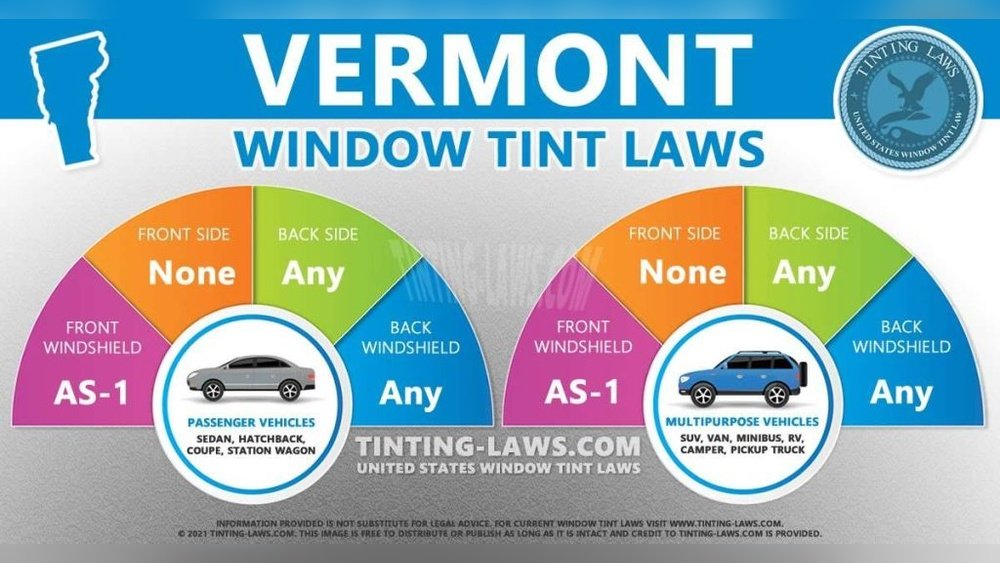
Vermont has clear rules about how dark window tint can be. These rules protect drivers and officers while allowing some flexibility. The law focuses on the amount of light that can pass through the tinted glass. This is called Visible Light Transmission (VLT). Understanding these limits helps you stay legal and safe on the road.
Front Side Windows
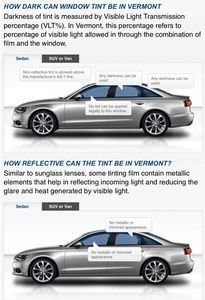
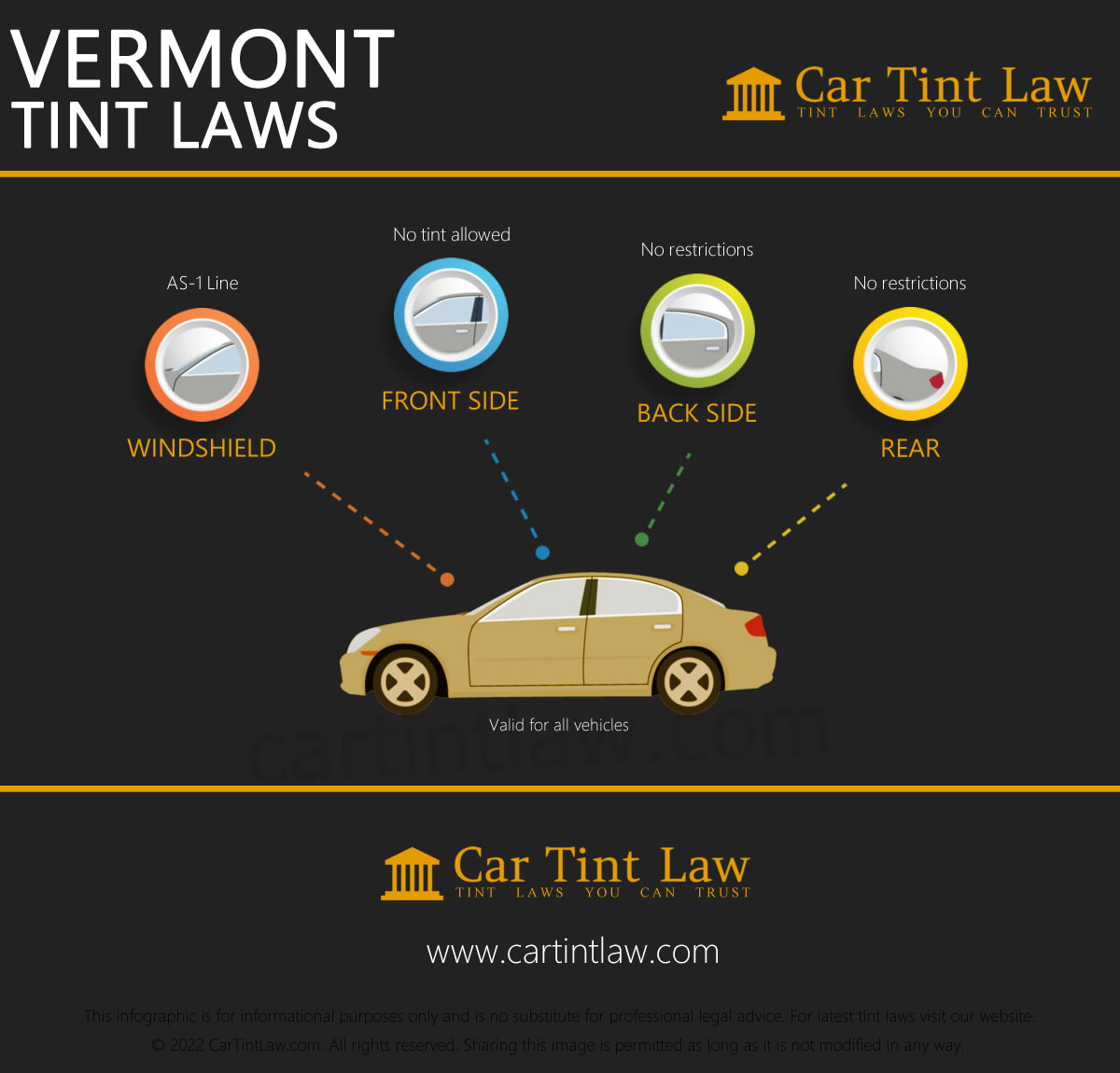
Vermont does not allow any tint on the front side windows. This means the driver and front passenger windows must let in 100% of the light. No dark or reflective films can be applied here. This rule helps police see inside the vehicle clearly.
Rear Side Windows
There are no limits on tint darkness for the rear side windows. You can choose any level of tint you want on these windows. This gives drivers more privacy and sun protection in the back seats. Just remember, the front windows still must remain clear.
Windshield Rules
The windshield may only have a non-reflective tint strip at the top. This strip cannot cover more than the top 4 inches. No tint is allowed on the rest of the windshield. This ensures the driver has a clear, wide view of the road ahead.
Credit: fivestartintvt.com
Medical Exemptions
Vermont allows medical exemptions for window tinting to help drivers with specific health needs. These exemptions let people use darker tints than usually allowed by law. The state requires proper documentation to approve these exceptions. This section explains how to get a medical letter and the tint levels allowed under medical exemptions.
Obtaining A Medical Letter
A medical letter must come from a licensed doctor or optometrist. The letter should explain the medical reason for darker tint. It must clearly state why the tint is necessary for the patient’s health. The letter should include the doctor’s contact information and date. This document must be kept in the vehicle at all times. Law enforcement officers may ask to see it during stops. Without this letter, standard tint laws apply.
Allowed Tint Levels
With a medical exemption, drivers can apply darker tints on front side windows. Vermont law normally forbids any tint on front side windows. The medical letter allows a lower Visible Light Transmission (VLT) percentage. This means less light passes through the window. Rear side windows and the rear windshield can have any darkness without a letter. No reflective or mirrored tint is allowed on any window. Always check that the tint matches the medical letter limits.
Government And Emergency Exemptions
Government and emergency vehicles in Vermont have special rules for window tinting. These vehicles often require different tint levels for safety and operational reasons. The state allows exemptions to regular tint laws for these vehicles to perform their duties effectively.
Government Vehicle Tint Exemptions
Government vehicles may have darker tints than private cars. This helps protect sensitive information inside the vehicle. It also improves privacy for officials while traveling. Vermont permits these vehicles to use tint that would be illegal for regular drivers.
Emergency Vehicle Tint Exemptions
Emergency vehicles such as police cars, ambulances, and fire trucks have special tint rules. Darker tints reduce glare and protect occupants during emergencies. Vermont law allows these vehicles to have window tints that meet their specific needs. This exemption ensures emergency responders can work safely and efficiently.
Conditions For Exemptions
Exempt vehicles must be clearly marked or identified. The tint levels must comply with standards set by Vermont authorities. These vehicles often need approval from the state or local government. The exemptions apply only while the vehicle is used for official duties.
Measurement And Compliance
Understanding measurement and compliance of window tints is vital in Vermont. The state sets clear rules to control how dark your window tint can be. These rules ensure safety and visibility on the road. Authorities measure tint darkness using specific tools and standards. Following these rules helps avoid fines and vehicle inspection failures.
Visible Light Transmission (vlt%)
VLT% shows how much light passes through your window tint. A lower VLT% means a darker tint. Vermont requires front side windows to have zero tint, meaning 100% light must pass through. Rear side windows and the rear window can have any tint darkness. No reflective or mirrored tints are allowed on any windows. Measuring VLT% helps police officers check if your tint meets the law.
Inspection And Penalties
Vermont inspects window tints during vehicle safety checks. If your tint is too dark on the front windows, your vehicle will fail inspection. Law enforcement can stop and fine drivers with illegal tints. Penalties may include fines or orders to remove illegal tint films. Staying within the legal VLT% keeps your vehicle compliant and avoids trouble.
Prohibited Tint Types
In Vermont, certain types of window tints are not allowed. These restrictions protect drivers and law enforcement by maintaining clear visibility. Understanding prohibited tint types helps you avoid fines and inspection failures. Below are the main tint types banned in Vermont.
Reflective And Metallic Tints
Reflective tints create a mirror-like effect on windows. They reflect light and reduce visibility inside the vehicle. Vermont law forbids any reflective tint on car windows. Metallic tints include metal particles that block heat and UV rays. These tints can interfere with radios and signals. The state prohibits metallic tints on all vehicle windows.
Mirrored Tints
Mirrored tints are similar to reflective ones but are more intense. They give a shiny, mirror finish on the glass surface. Vermont does not allow mirrored tints on any windows. This rule applies to all cars registered in Vermont. Mirrored tints can distract other drivers and reduce safety on the road.
Credit: www.cartintlaw.com
Visitor And Non-resident Rules
Visitors and non-residents driving in Vermont must follow the state’s window tint laws. These rules protect safety and ensure clear visibility for all drivers. Non-residents should be aware of these laws to avoid fines or vehicle inspection failures.
Vermont enforces strict tint limits on front windows and windshields. Non-residents must comply with these limits even if their home state allows darker tints. The laws apply to all vehicles operating on Vermont roads, regardless of registration.
Window Tint Limits For Visitors
Visitors must follow Vermont’s visible light transmission (VLT) percentages. The front side windows cannot have any tint, meaning 100% light must pass through. The windshield can only have a non-reflective tint on the top 6 inches.
Rear side windows and the rear windshield can have any darkness level. This gives visitors some flexibility for rear window tinting. Still, the front windows must remain clear to meet Vermont standards.
Consequences For Non-compliance
Drivers who break Vermont’s tint laws may face fines. Law enforcement can issue citations for illegal tint levels. Vehicles may also fail required safety inspections.
Non-residents should check their tint before traveling to Vermont. Removing or adjusting tint may be necessary to avoid penalties. Staying within the limits ensures a smooth visit without legal trouble.
Medical Exemptions For Visitors
Non-residents with medical needs can apply for a tint exemption. A licensed doctor or optometrist must provide a written letter. This letter must explain the medical reason for darker tinting.
Visitors should carry the exemption letter while driving in Vermont. This helps avoid citations during traffic stops or inspections. Medical exemptions are strictly regulated and require proper documentation.
Enforcement And Fines
Vermont enforces strict rules on window tinting to ensure driver safety and visibility. Police officers regularly check vehicle windows during traffic stops or inspections. Violating tint laws can lead to fines and other penalties. Understanding enforcement helps drivers avoid legal trouble.
How Enforcement Works In Vermont
Law enforcement uses light meters to measure tint darkness. Officers check the front side windows and windshield closely. Dark tints on these windows are not allowed in Vermont. Rear windows have more lenient rules but still face checks. Vehicles with illegal tint may be stopped for inspection.
Fines For Illegal Window Tint
Fines for breaking tint laws vary by the severity of the violation. The first offense can result in a warning or a small fine. Repeat offenses usually carry higher fines and stricter consequences. Some drivers may be ordered to remove illegal tint at their own cost. Ignoring fines can lead to additional penalties.
Consequences Beyond Fines
Illegal window tint can cause a vehicle to fail inspection. This failure blocks registration renewal until corrected. Police may also issue citations that affect your driving record. In some cases, insurance claims may be affected if tint breaks visibility rules. Staying within the law keeps drivers safe and legal on the road.
Tips For Choosing Tint
Choosing the right window tint in Vermont requires careful thought. The state has clear laws about how dark your tint can be. It is important to pick a tint that keeps you within legal limits and offers the privacy you want. Here are tips to help you select the best tint for your vehicle.
Balancing Privacy And Legality
Vermont allows any darkness on rear windows but no tint on front side windows. The windshield must remain clear except for a small strip at the top. You must find a tint that protects your privacy without breaking these rules. Consider how much light you want to block and how much visibility you need. Dark tints on rear windows work well for privacy without legal issues. Avoid tints on front windows that reduce visibility below the allowed limit.
Consulting Professionals
Experts know Vermont’s tint laws well. They can help you pick a tint that fits your needs and stays legal. Professional installers use tools to measure Visible Light Transmission (VLT) accurately. They ensure your tint meets state standards. A good installer also offers advice on tint types and durability. Trusting professionals reduces the risk of fines or inspection failures. Always ask questions before installation to understand your options clearly.
Frequently Asked Questions
What Is The Darkest Legal Tint In Vermont?
The darkest legal tint in Vermont allows any darkness on rear and rear side windows. Front side windows must have zero tint. Windshields also prohibit tinting, except a non-reflective strip on the top. Medical exemptions permit darker tints on front windows.
Is 35% Or 20% Tint Darker?
A 20% tint is darker than a 35% tint. Lower percentages mean less light passes through.
What Does 35% Legal Tint Look Like?
A 35% legal tint allows 35% of light through, offering moderate darkness. It reduces glare but keeps visibility clear and safe.
In What State Is 20% Tint Legal?
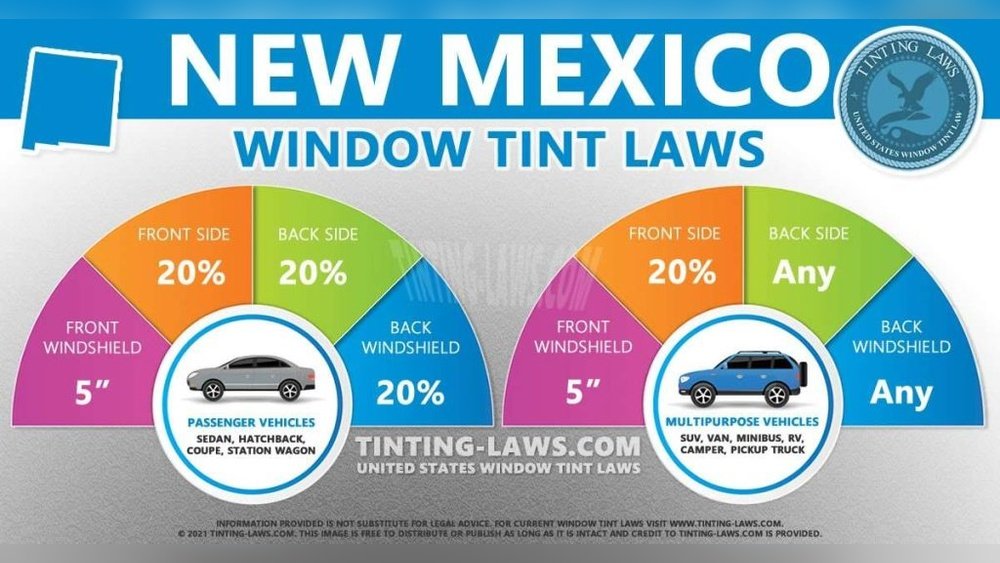
New Mexico allows 20% tint on front side windows legally. Most other states require higher Visible Light Transmission (VLT) percentages. Always check local laws before tinting.
Conclusion
Understanding Vermont’s window tint laws helps you stay legal and safe. Front side windows must have no tint at all. Rear windows can be tinted as dark as you want. Medical exemptions allow darker tints with proper documentation. Avoid reflective or metallic tints to comply with the law.
Illegal tints may cause inspection failure or fines. Always check the latest rules before tinting your vehicle. Stay informed to protect yourself and others on Vermont roads.