Are you thinking about tinting your car windows in Virginia? Before you do, it’s crucial to understand the state’s window tint laws.
These rules aren’t just about style—they’re about safety and legality. If your tint is too dark or doesn’t meet Virginia’s standards, you could face fines, tickets, or even jail time. Plus, officers can check your tint during a traffic stop, so you want to be prepared.
This guide breaks down exactly what’s allowed, what’s not, and how medical exemptions might help you get darker tint legally. Keep reading to make sure your ride stays both cool and compliant on Virginia’s roads.
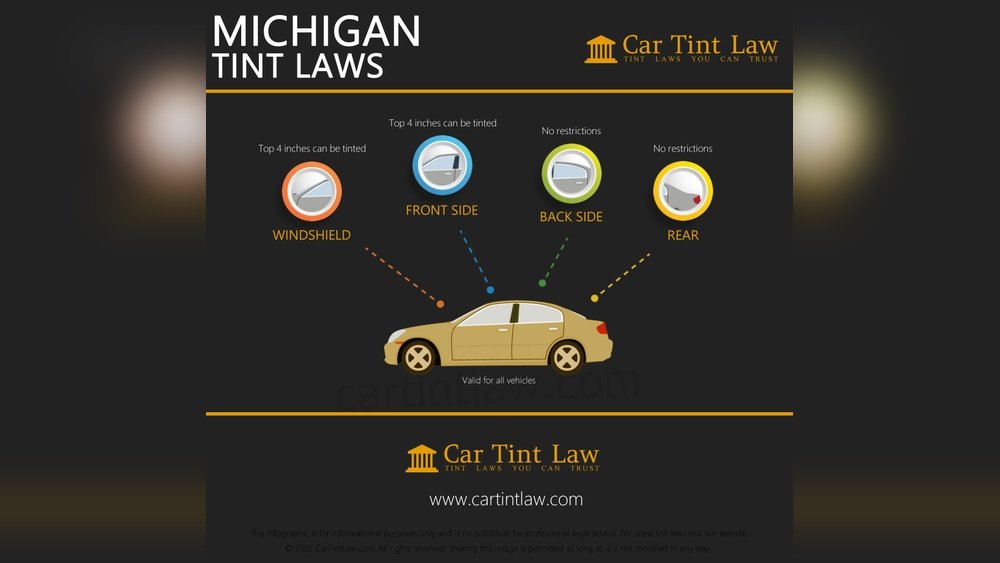
Virginia Tint Limits
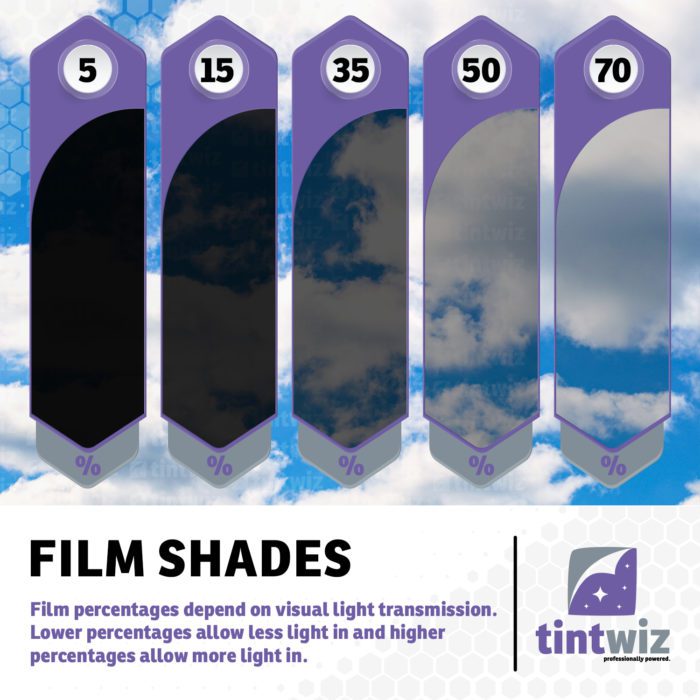
Virginia has specific rules for window tint darkness and reflectiveness. These rules protect drivers’ safety and help law enforcement see inside vehicles clearly. Understanding Virginia tint limits avoids fines and legal trouble. The law uses Visual Light Transmission (VLT) to measure tint. VLT shows how much light passes through the window tint film. A lower VLT means darker tint. Each window type has its own VLT limit.
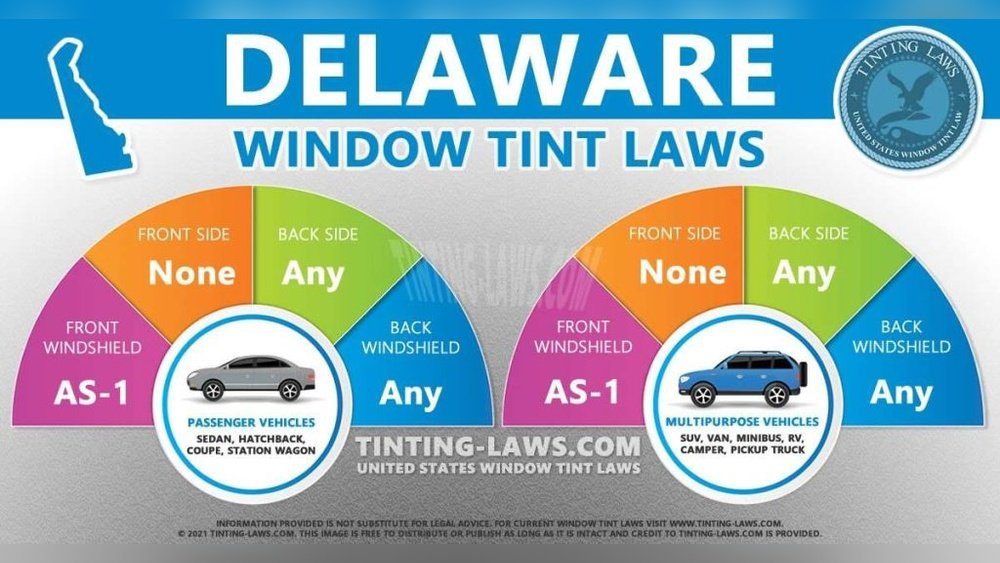
Front Side Windows
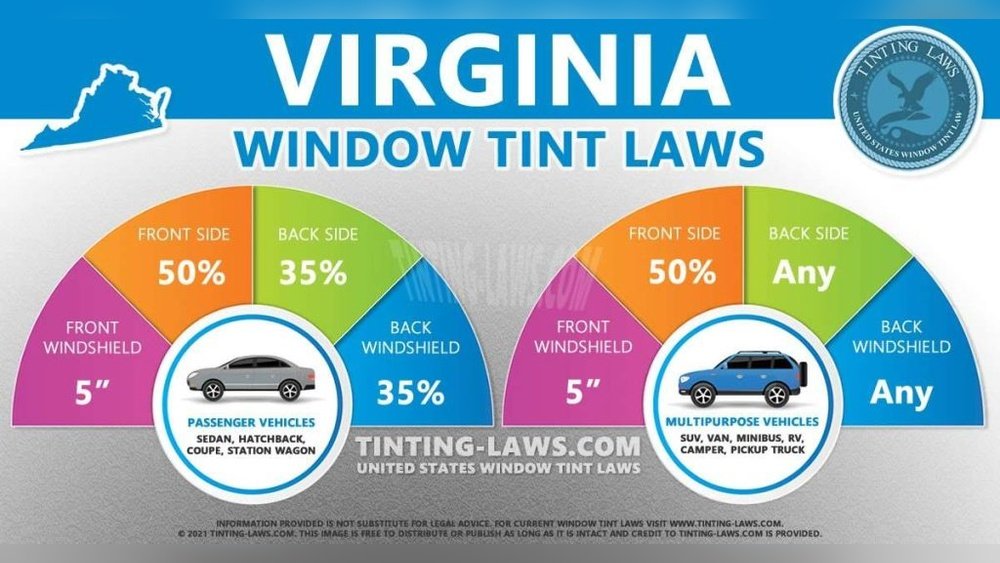
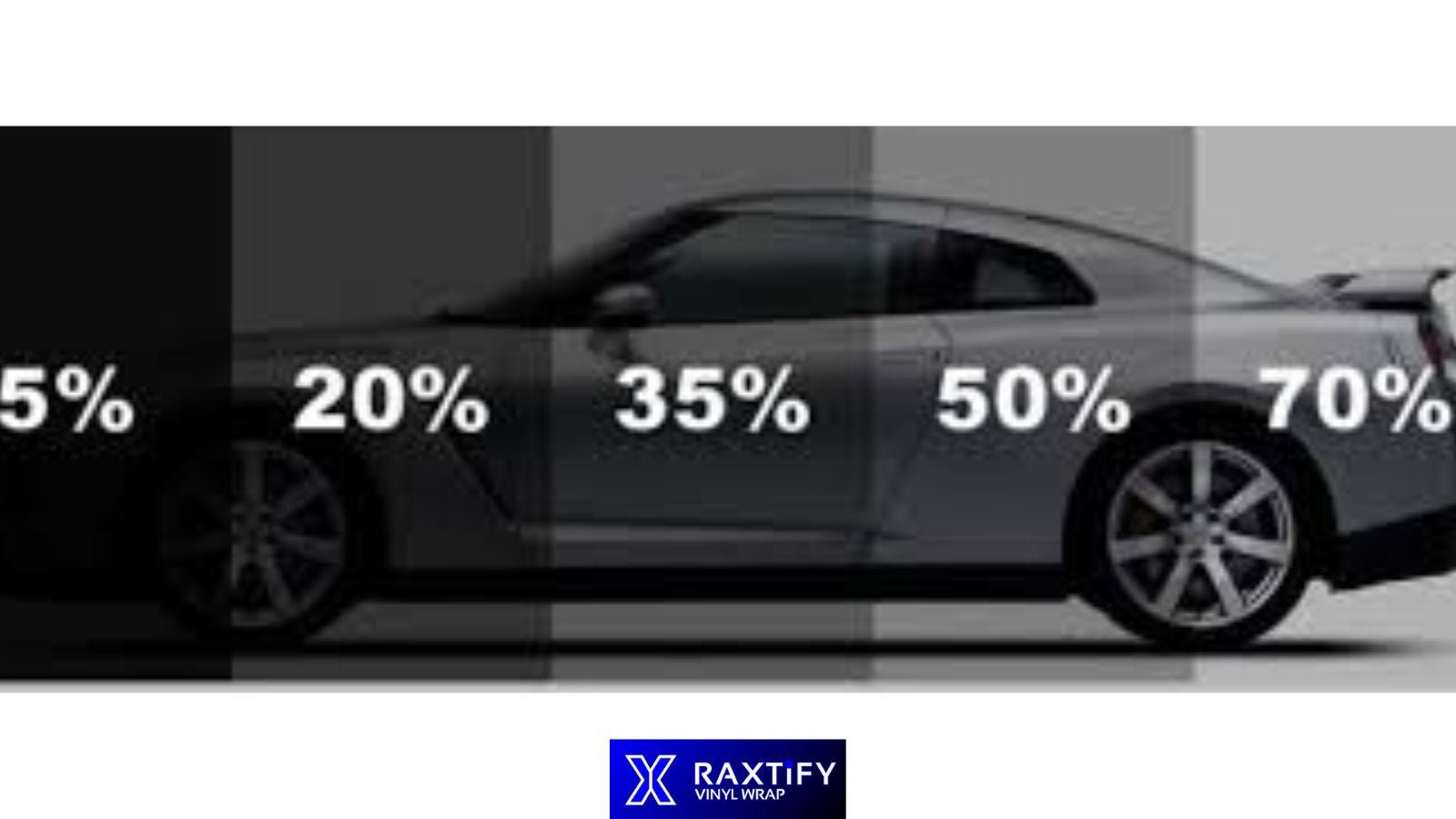
Virginia requires at least 50% VLT on front side windows. This means tint must allow half of the outside light to pass through. Darker tint on these windows is not legal. Officers can test tint with a device during traffic stops. Front windows need enough light to see inside the car clearly.
Rear Side Windows
Rear side windows can have darker tint than the front. Virginia allows any darkness on rear side windows. This gives drivers more privacy in the back seat area. Vans, trucks, and SUVs follow the same rules for rear side windows. No specific VLT percentage is set for these windows.
Windshield Tinting
Only the top 5 inches of the windshield can have tint. This strip is called the AS-1 line. The tint on this area must allow more than 70% of light through. Tinting below this line is illegal in Virginia. The windshield tint protects from sun glare but must not block the driver’s view.
Tint Levels For Suvs And Vans
SUVs and vans have similar rules to cars for front side windows and windshields. Rear side windows on these vehicles can have darker tint without limit. Medical exemptions can allow darker tints on all windows. Drivers must carry medical papers to avoid tickets. Always check the latest Virginia laws before tinting your vehicle.
Medical Exemptions
Virginia allows medical exemptions for window tint laws. These exemptions help people with certain health issues use darker tints. They provide relief from sunlight and UV rays. Drivers with these conditions can apply for special permission. This section explains the qualifying conditions, paperwork needed, and how to apply.
Qualifying Conditions
Virginia permits medical tint exemptions for specific health problems. These include lupus, skin cancer, and other light-sensitive disorders. People with eye diseases or photosensitivity may qualify too. A doctor must confirm the condition. Only those with verified medical needs can get an exemption.
Required Paperwork
To get a medical exemption, you need official documents. A signed statement from a licensed doctor is essential. This statement must explain the medical condition and why tint is needed. The form should include the doctor’s contact and license number. Carry this paperwork in the vehicle at all times.
How To Apply
Start by getting a medical statement from your doctor. Then, submit the form to the Virginia Department of Motor Vehicles (DMV). You may also need to provide your vehicle details. After approval, keep the exemption card in your car. This card proves your window tint is legal under medical rules.
Enforcement Rules
Enforcement rules for window tint laws in Virginia define how police handle tint violations. These rules clarify when officers can act and what steps they follow. Understanding enforcement helps drivers avoid penalties and keep their vehicles compliant.
Secondary Offense Status
Window tint violations in Virginia are treated as secondary offenses. Police cannot stop a vehicle only for tint issues. They must first observe another traffic violation. After stopping a vehicle, officers may check the tint. This rule limits stops solely based on tint darkness.
Testing Procedures
Officers use a special device to measure tint darkness. This tool checks the amount of visible light passing through the window. Testing usually happens on the roadside during a traffic stop. If tint is too dark, the officer issues a citation. The device ensures accurate and fair tint enforcement.
Police Stop Scenarios
Police can check tint during stops for speeding or other violations. If tint breaks Virginia’s limits, officers cite the driver. The citation may require fixing the tint or paying a fine. Medical exemptions must be shown if applicable. Always carry your medical exemption form in the vehicle.
Credit: raxtify.com
Penalties And Fines
Virginia enforces strict penalties and fines for illegal window tinting. These rules protect driver safety and visibility on the road. Violating tint laws can lead to costly tickets and other consequences. Understanding these penalties helps drivers avoid trouble and stay compliant.
Ticket Costs
Tint tickets in Virginia usually cost between $25 and $250. The exact fine depends on the severity of the violation. Repeat offenders may face higher fines. Tickets can increase if illegal tint affects driver visibility or causes safety risks.
Possible Jail Time
Most tint law violations do not lead to jail time. However, serious or repeated violations might result in brief jail sentences. Jail time is rare but possible, especially if a driver ignores correction orders. Courts use jail as a last resort to enforce compliance.
Correction Deadlines
After receiving a tint ticket, drivers must fix the issue quickly. Virginia law usually gives 30 days to correct illegal tint. Drivers must remove or replace tint to meet legal standards. Proof of correction must be shown to avoid further penalties.
Mirror Requirements
Virginia has specific mirror requirements for vehicles with tinted windows. These rules ensure drivers maintain proper visibility on the road. Understanding when and what type of mirrors are needed helps keep you safe and legal. Below are key details about mirror rules in Virginia.
Dual Side Mirrors
Virginia requires vehicles with tinted front side windows to have dual side mirrors. Both the driver’s and passenger’s side mirrors must be present. These mirrors help compensate for reduced visibility caused by the tint. Dual side mirrors improve safety by allowing better views of the surrounding traffic.
When Mirrors Are Needed
Mirrors are mandatory if window tint blocks the driver’s clear view. If the tint prevents seeing clearly through the front side windows, dual side mirrors become necessary. Some vehicles come with only one side mirror. In such cases, adding the second mirror is required by law. This rule applies mainly to passenger cars and light trucks in Virginia.
Common Issues And Faqs
Understanding common issues and frequently asked questions about window tint laws in Virginia helps drivers stay informed. Knowing the rules avoids fines and legal trouble. Below are key points many drivers ask about.
Can You Get Pulled Over?
Yes, police can pull you over if your tint is too dark. Tint darkness may not be the primary reason for the stop. Officers often check tint during other traffic stops. They use special tools to measure the light allowed through your windows. Virginia law limits how dark tint can be on front and side windows.
Handling Tickets
If you get a ticket for illegal tint, do not ignore it. You may need to remove or replace the tint. The ticket will explain the deadline to fix the issue. Keep the receipt as proof of correction. Failing to comply can lead to higher fines or court appearances. Always carry medical exemption papers if you qualify for darker tint.
Advice From Tinting Experts
Choose a reputable tinting shop familiar with Virginia laws. Ask about the legal limits before installation. Experts suggest testing tint before final application. Use tint films that meet Virginia’s light transmission standards. Keep documentation of your tint for law enforcement checks. Experts recommend regular tint checks to avoid surprises during traffic stops.
Choosing Legal Tint Films
Choosing legal tint films in Virginia means following the state’s rules carefully. Tint films must meet specific standards for light transmission. Using illegal tint can lead to fines and other penalties. Picking the right film helps avoid legal trouble and keeps your car looking good. Understanding the rules makes the selection process easier and safer.
Certified Products
Always choose tint films certified for Virginia use. Certified products meet the Visual Light Transmission (VLT) limits set by law. These films allow enough light to pass through, keeping you visible to law enforcement. Look for films with clear certification labels or documentation. Using non-certified films risks getting pulled over and fined. Certified films also often come with warranties for quality assurance.
Professional Installation Tips
Professional installation ensures your tint complies with Virginia’s laws. Experts know how to apply films without bubbles or peeling. They use tools that measure tint darkness and adjust accordingly. Proper installation prevents damage to your windows. Avoid DIY tinting to reduce mistakes that cause legal issues. Ask your installer to confirm the film’s VLT meets state requirements before finalizing.
Credit: tintwiz.com
Credit: raxtify.com
Frequently Asked Questions
What Is The Darkest Legal Tint In Virginia?
The darkest legal tint in Virginia allows 50% visible light transmission (VLT) on front side windows. Rear windows have no VLT limit. Medical exemptions permit darker tints with proper documentation. Always carry exemption paperwork if applicable.
Can You Get Pulled Over For Tint In Virginia?
Yes, Virginia law treats illegal window tint as a secondary offense. Officers cannot pull you over solely for tint but can ticket during other stops. They test tint darkness roadside. Medical exemptions apply with proper paperwork. Ensure your tint meets Virginia’s Visual Light Transmission limits to avoid fines.
Is 20% Or 35% Tint Darker?
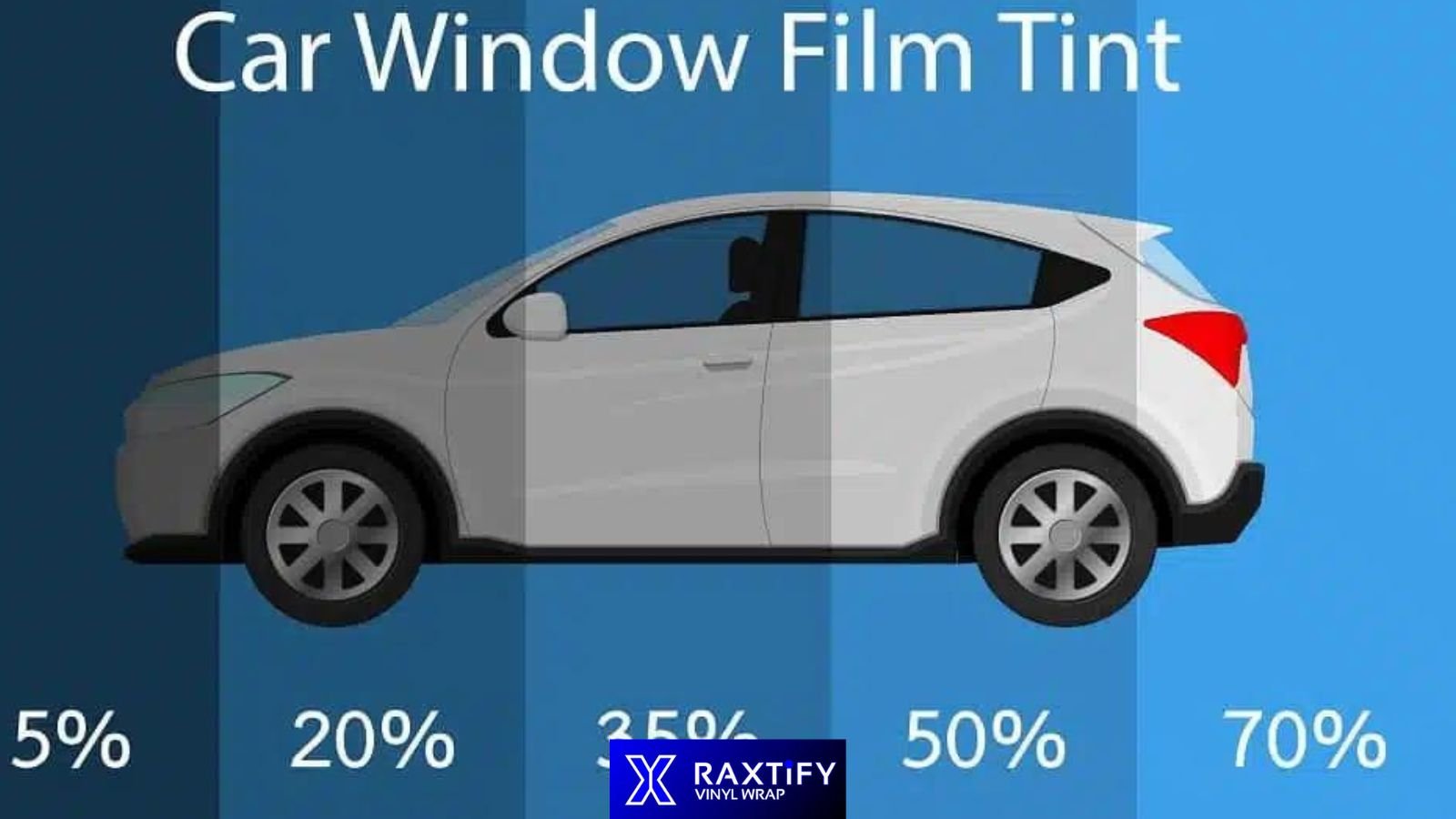
A 20% tint is darker than a 35% tint because it allows less light to pass through the window.
In What State Is 20% Tint Legal?
20% tint is legal on front side windows in New Mexico. Most states require higher VLT percentages. Check local laws before tinting.
Conclusion
Understanding Virginia’s window tint laws helps you avoid fines and trouble. Keep your tint within the legal limits for all windows. Remember, front side windows must allow more light than back ones. Medical exemptions require proper paperwork and must be kept in your vehicle.
Police cannot stop you just for tint but can ticket if it breaks the rules during a stop. Stay informed and drive safely with compliant window tint in Virginia.