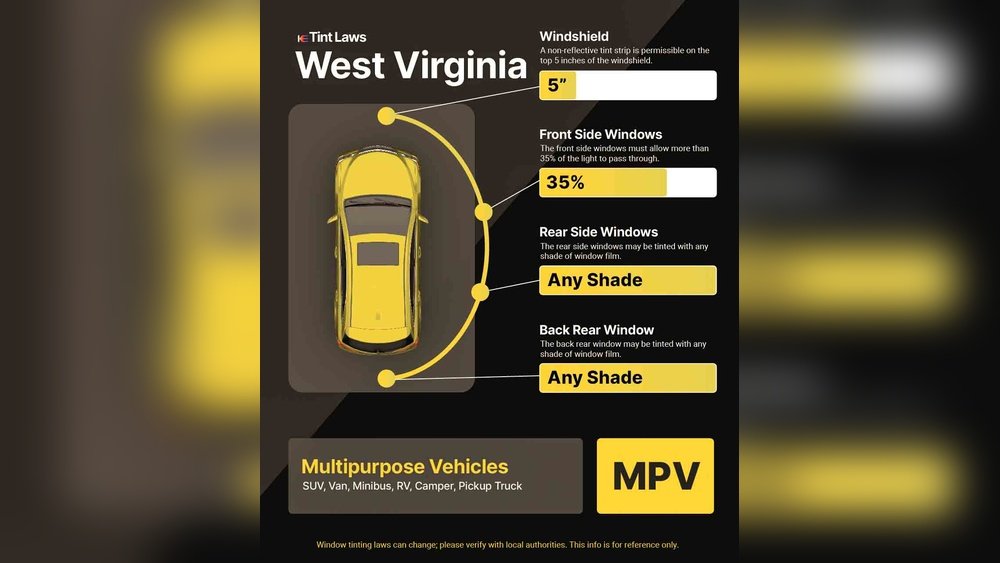
Are you thinking about tinting your car windows in West Virginia? Before you pick the shade, it’s important to know the state’s window tint laws.
These rules affect how dark your tint can be, which windows you can tint, and even what exceptions exist if you have special medical needs. Understanding these laws helps you avoid costly fines and keeps you safe on the road.
Keep reading to discover the key regulations, important notes, and tips that will make sure your car’s window tint is both stylish and legal in West Virginia.
Tint Limits By Window
West Virginia sets clear rules about how dark your car window tints can be. These rules differ by each window type. Understanding these limits helps you avoid fines and stay safe on the road.
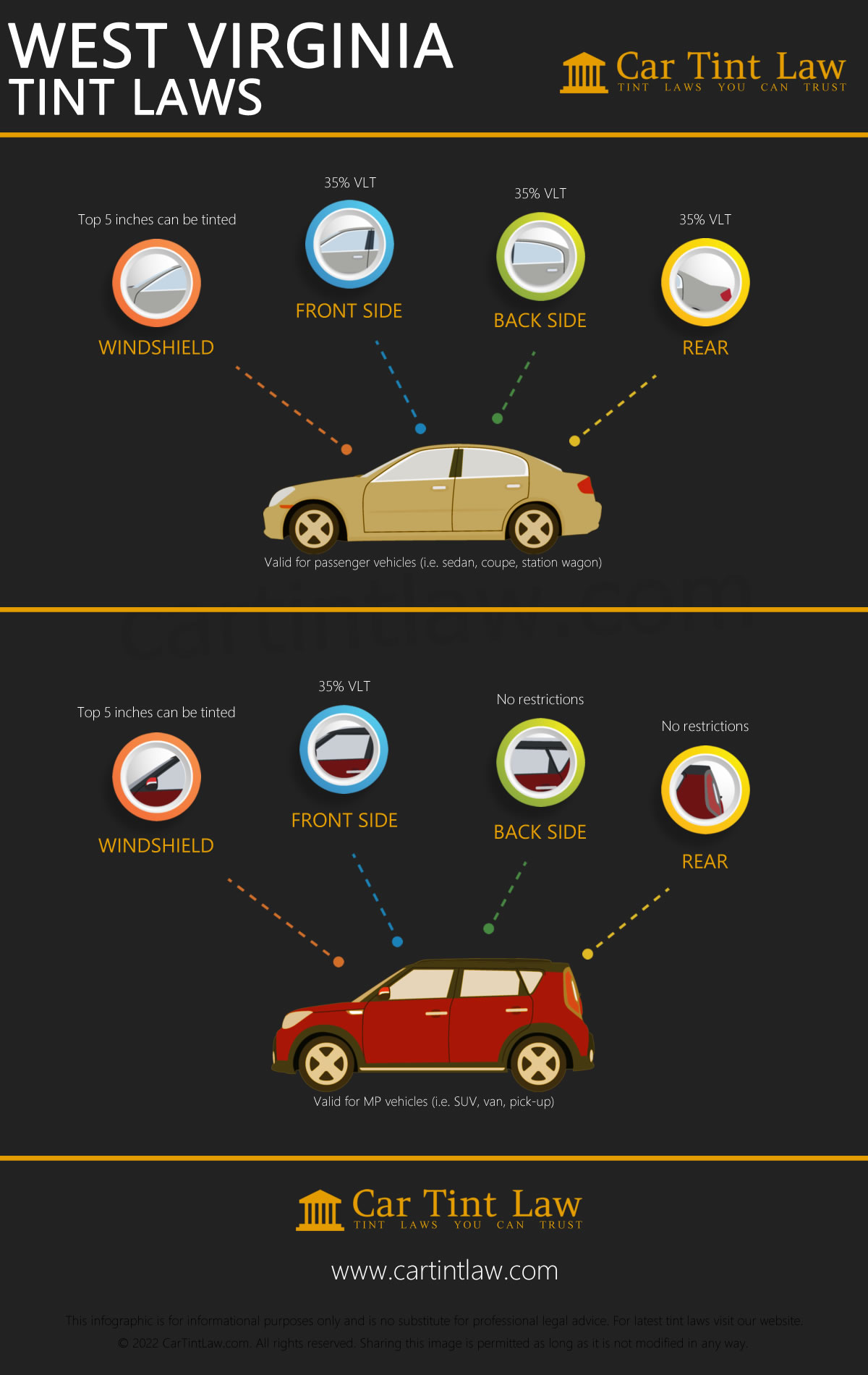
Windshield Tint Rules
The windshield may only have a non-reflective tint strip at the top. This strip cannot extend more than six inches down from the top. The rest of the windshield must remain clear to ensure visibility.
Front Side Windows
Front side windows must allow more than 50% of light to pass through. This means the tint cannot be too dark. Officers need to see clearly inside for safety checks and communication.
Rear Side Windows
Rear side windows can have darker tints compared to the front. They must allow at least 35% of light to pass through. This provides privacy while meeting legal standards.
Rear Window Regulations
The rear window also requires a minimum of 35% light transmission. If you tint the rear window, your vehicle must have dual side mirrors. These mirrors help maintain visibility behind the car.
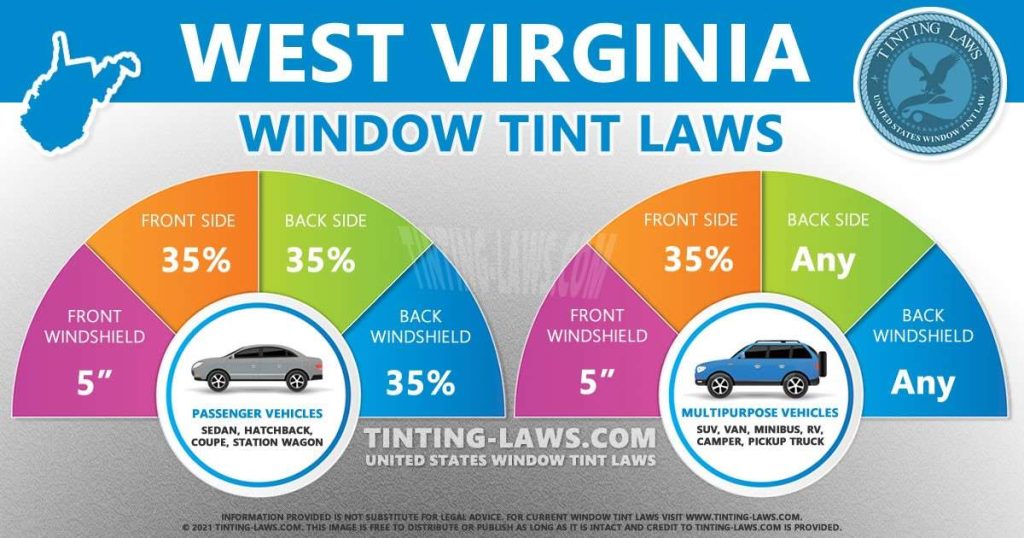
Credit: www.tinting-laws.com
Medical Tint Exemptions
West Virginia law permits medical tint exemptions for drivers with certain health issues. These exemptions allow darker window tints than normally allowed. The goal is to protect individuals who need extra shielding from sunlight. Understanding the rules helps in applying for and using medical tint exemptions properly.
Qualifying Conditions
Medical tint exemptions apply to specific health conditions. These include skin diseases that worsen with sunlight. Eye disorders sensitive to UV rays also qualify. Conditions like lupus or albinism may be accepted. The list is defined by state law and medical guidelines.
Physician Certification
A licensed physician must confirm the need for medical tint. They provide a written statement or affidavit. This document explains the medical reason for the exemption. The certification must be clear and up-to-date. It serves as proof during law enforcement checks.
Exemption Application Process
Apply for a medical tint exemption through the West Virginia DMV. Submit the physician’s certification with the application form. The DMV reviews the documents and approves or denies the request. Approved exemptions allow use of darker tint films legally. Keep the exemption proof in the vehicle at all times.
Factory Tint Guidelines
Factory tint on vehicle windows comes from the manufacturer. This tint is applied during production. It is often different from aftermarket tint installed later. West Virginia has specific guidelines for factory tint. These rules help drivers understand what is legal on the road. Knowing these guidelines prevents fines and ensures safe driving.
Distinction From Aftermarket Tint
Factory tint is built into the glass. It usually allows more light than aftermarket tint. Aftermarket tint is a film added by a shop. It can be darker or lighter than factory tint. West Virginia treats factory and aftermarket tint differently. Factory tint may have fewer restrictions. Aftermarket tint must meet stricter light transmission rules.
Legal Considerations
West Virginia law allows factory tint on most windows. The tint must meet minimum light transmission levels. The front side windows must allow at least 50% of light. Rear windows can have darker tint if factory applied. Drivers must follow the state’s tint percentage rules. Medical exemptions may allow darker tint for some drivers. Always carry proof if using a medical exemption.
Verification Methods
Law enforcement checks tint darkness using a light meter. Factory tint is verified by vehicle specifications or documents. Officers may compare tint to manufacturer standards. Some cars have a sticker showing factory tint details. This helps confirm legal tint levels. Keeping vehicle papers handy can avoid unnecessary tickets. Regular checks ensure tint stays within legal limits.
Additional Tinting Requirements
West Virginia enforces specific rules beyond basic tint darkness limits. These additional tinting requirements ensure safety and legal compliance for all drivers. Understanding these rules helps avoid fines and ensures your vehicle meets state standards.
Dual Mirrors Necessity
West Virginia law requires dual side mirrors if your rear window has tint. This means your vehicle must have both driver and passenger side mirrors. These mirrors help maintain clear visibility behind the car. The rule applies to all vehicles with rear window tinting.
Certification Of Film Manufacturers
All window tint films used in West Virginia must come from certified manufacturers. Manufacturers must provide proof that their film meets state safety standards. This certification helps law enforcement verify legal tint products. Using uncertified film may result in fines or tint removal orders.
Tint Identification Stickers
Vehicles with window tinting must display tint identification stickers on the windows. These stickers show the tint’s level and certification information. They assist police officers in quickly checking compliance during traffic stops. Drivers must keep these stickers visible and intact on the vehicle.
Vehicle Types Covered
Window tint laws in West Virginia apply differently depending on the type of vehicle. Understanding which vehicles are covered helps drivers stay legal. The rules vary for cars, SUVs, trucks, vans, and special vehicles. Knowing these details prevents fines and ensures safety on the road.
Cars And Suvs
Cars and SUVs follow similar tint rules. The front side windows must allow more light through. Usually, the tint must let in at least 35% of light. Rear side windows and the back window can be darker. This helps with privacy and heat control while staying within the law.
Trucks And Vans
Trucks and vans have slightly different tint limits. The front side windows also need to let in 35% or more light. Rear windows can have darker tint than cars. Pickup trucks with separate rear windows have specific rules for each window. Vans designed for passengers follow the same rules as cars.
Special Vehicle Rules
Some vehicles have unique tint laws. For example, medical exemptions allow darker tint with proper doctor approval. Factory tinting may also differ from aftermarket tint rules. Vehicles like limousines and official state vehicles follow special regulations. Always check if your vehicle type has exceptions before tinting.

Credit: kepler-dealer.com
Penalties And Enforcement
West Virginia enforces strict rules on window tinting. Penalties apply to those who break the law. Law enforcement officers regularly check vehicle tints. Violators face fines and other consequences. Understanding these penalties helps drivers avoid trouble and keep their vehicles compliant.
Common Violations
Many drivers get cited for tint that is too dark. Using illegal tint on front side windows is a frequent issue. Another common problem is not having the required certification sticker. Some drivers forget dual mirrors if rear window tint is applied. Each violation can lead to a ticket and fine.
Ticket Costs
Fines in West Virginia vary by the type of violation. A typical window tint ticket costs between $100 and $250. The exact amount depends on how serious the offense is. Repeat offenders may face higher fines or other penalties. Paying tickets promptly can avoid additional fees or legal problems.
Citation Codes
Law enforcement uses specific codes to identify tint violations. For example, WV Code 17C-17-6 covers unsecure loads, but tint violations have their own codes. Citation codes help courts process tickets quickly. Knowing the code on a ticket helps drivers understand their offense. Always check your citation for the correct code and details.
Color And Reflectivity Restrictions
West Virginia has specific rules about the colors and reflectivity of window tints. These rules help ensure driver safety and allow law enforcement to see inside vehicles when necessary. Understanding these color and reflectivity restrictions is important before applying any tint film to your car windows.
Prohibited Colors
West Virginia bans certain tint colors on vehicle windows. Bright or flashy colors like red, blue, or green are not allowed. These colors can distract other drivers and reduce visibility. Only neutral colors such as black, gray, or bronze are permitted. Avoid any tint that changes the original color of your windows too much.
Reflective Tint Limitations
The state also limits how reflective your window tint can be. Highly reflective or mirror-like films are prohibited. These tints can cause glare and reduce the visibility of your vehicle to others on the road. The reflectivity must not exceed 25% on any window. This means your tint should not reflect more light than a standard window glass.
Applying For Legal Tint
Applying for legal window tint in West Virginia requires careful attention to state rules. Proper application ensures your vehicle meets the law. This avoids fines and keeps you safe on the road.
West Virginia has specific limits for tint darkness and reflectivity. Knowing these limits helps you pick the right film and install it correctly. Follow the steps to stay compliant and enjoy the benefits of tinting.
Selecting Compliant Films
Choose window tint films that meet West Virginia’s legal standards. Films must allow enough light to pass through. The front side windows need at least 50% visible light transmission. Rear side and back windows can have darker tints.
Look for films certified for use in West Virginia. Certified films have labels proving they meet state rules. Avoid very dark or reflective films to prevent legal issues.
Installation Best Practices
Have your tint installed by a professional or carefully follow instructions. Clean windows thoroughly before applying tint. Air bubbles and wrinkles can cause problems and fail inspections.
Apply tint only to allowed windows. Do not tint the windshield except for the top strip if allowed. Use tools that prevent damage to the glass and film. Proper installation extends the life of your tint.
Maintaining Compliance
Keep your tint in good condition to stay within legal limits. Replace damaged or peeling tint quickly. Avoid adding extra layers that change light transmission.
Carry any required certification stickers or documents in your vehicle. Know your rights if stopped by law enforcement. Stay updated on any changes to West Virginia tint laws.
Credit: www.cartintlaw.com
Frequently Asked Questions
What Is The Darkest Legal Tint In Wv?
The darkest legal tint in West Virginia allows 35% visible light transmission on front side windows. Rear windows have no tint limit. Medical exemptions permit darker tints with proper documentation. Dual mirrors are required if rear window tint is applied.
Always check updated state laws.
What Does 35% Legal Tint Look Like?
A 35% legal tint lets 35% of light through, offering moderate shading. It appears slightly dark but still allows clear visibility from outside.
How Much Is A Window Tint Ticket In West Virginia?
A window tint ticket in West Virginia typically costs around $197. Fines may vary based on the violation and location.
Is 15% Or 30% Tint Darker?
A 15% tint is darker than a 30% tint. Lower percentage means less light passes through, creating a darker shade.
Conclusion
Understanding West Virginia’s window tint laws helps you stay legal and safe. The state sets clear limits on how dark tint can be on each window. Medical exemptions allow darker tints with proper paperwork from a doctor. Remember to check for required stickers and dual mirrors if you tint the rear windows.
Following these rules avoids fines and ensures your car meets state standards. Stay informed and keep your vehicle compliant with West Virginia’s tint regulations.