When it comes to window tinting, understanding the right window tint percentage for your vehicle is key. You might wonder how dark is too dark, or what tint level offers the perfect balance between style, privacy, and legality.
Choosing the right tint percentage isn’t just about looks—it affects your driving comfort, safety, and even your compliance with local laws. You’ll discover what those percentages really mean, how they impact your car, and how to pick the best tint level that suits your needs and keeps you on the right side of the law.
Keep reading to find out everything you need to know before tinting your windows.
Tint Percentage Basics
Understanding tint percentage is the first step toward choosing the right window tint. It tells you how much light the tint lets through your windows. This affects your comfort, privacy, and safety. Knowing these basics helps you make better decisions for your vehicle or home.
What Tint Percentage Means
Tint percentage shows the amount of visible light that passes through the window film. For example, a 50% tint means half of the light gets through. Lower percentages mean darker tint and less light inside. Higher percentages mean lighter tint and more light inside.
Visible Light Transmission Explained
Visible Light Transmission (VLT) is the term for the light amount that passes through glass and tint. It is shown as a percentage. A low VLT blocks more light and heat. A high VLT lets in more light, making your windows clearer.
Common Tint Percentage Options
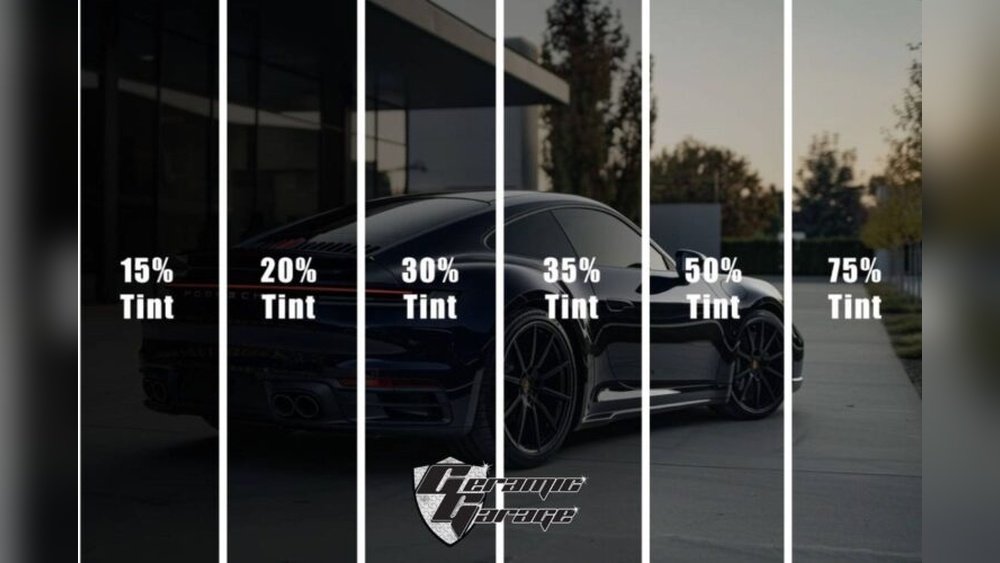
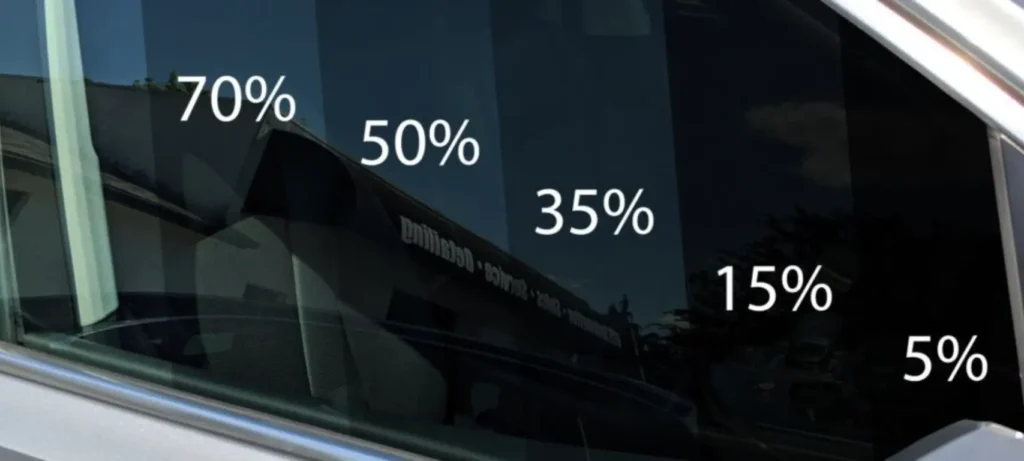
Common tint percentages include 5%, 20%, 35%, 50%, and 70%. A 5% tint is very dark and often called “limo tint.” A 50% tint lets in half the light and is good for mild shading. Each option suits different needs for privacy and heat control.
Credit: caliglassntint.net
Choosing Tint By Vehicle Type
Choosing the right window tint percentage depends on your vehicle type. Different vehicles have unique shapes and sizes. These differences affect how tint looks and works. Selecting the correct tint percentage ensures good visibility and legal compliance. It also improves comfort and privacy for drivers and passengers.
Sedans Vs Suvs And Trucks
Sedans usually have smaller windows than SUVs and trucks. This means a darker tint can work well on sedans without blocking too much light. SUVs and trucks have bigger windows that catch more sunlight. Lighter tint percentages often suit these vehicles better. This keeps the cabin bright and helps the driver see clearly.
Tinting Rear Vs Front Windows
Rear windows often get darker tints. Privacy and heat reduction are key reasons. Front windows need lighter tints to keep visibility high. Many states have strict laws about front window tint darkness. Drivers should check local rules before tinting. Clearer front windows help with safety and legal inspections.
Special Considerations For Vans And Suvs
Vans and SUVs often carry families or groups. This makes passenger comfort very important. Darker tints on rear and side windows block heat and sun glare. Vans may also have privacy needs for passengers and cargo. Choosing the right tint percentage helps balance comfort, style, and safety in these vehicles.
Legal Tint Limits
Legal tint limits regulate how dark or reflective your car windows can be. These laws exist to ensure driver safety and allow law enforcement to see inside vehicles. Different states have their own rules. Knowing your state’s tint limits helps avoid fines and problems on the road.
State-specific Tint Laws
Each state sets its own tint percentage for car windows. Some states allow darker tints on rear windows than front ones. Many states require a certain level of visible light transmission (VLT). This means a minimum amount of light must pass through the tinted window. Always check your state’s specific rules before tinting your windows.
Washington Tint Restrictions
Washington state has strict rules on window tinting. Front side windows must allow more than 24% of light through. Rear side and back windows can be tinted darker. Reflective or mirrored tints are not allowed. The windshield can have a non-reflective tint on the top few inches only.
Hawaii Tint Regulations
Hawaii requires front side windows to have at least 70% visible light transmission. Rear side and back windows can be darker. The windshield must allow at least 70% of light through, except for the top 6 inches. Hawaii also requires tint installers to provide a certification of compliance.
Prohibited Tint Colors
Many states ban certain tint colors. Red, amber, or blue tints are often prohibited. These colors may confuse other drivers or emergency responders. Black or gray tints are usually allowed if they meet the darkness rules. Always avoid using illegal colors to stay safe and legal.

Credit: ceramicgaragemodesto.com
Safety And Compliance
Safety and compliance are key factors in choosing the right window tint percentage. Proper tinting ensures clear visibility for drivers and law enforcement. It also keeps you within legal limits to avoid fines. Understanding these rules helps protect everyone on the road.
Law Enforcement Visibility
Law enforcement officers need to see inside vehicles during stops. Tint that is too dark can block their view. This creates safety risks for both officers and drivers. Many states require drivers to lower windows on stops. This allows officers to check inside easily. Clear visibility helps officers assess situations quickly and safely.
Certification And Documentation
Certified tint films meet safety and legal standards. Installers must provide a certificate for tint quality. Drivers should keep this document in their vehicle. It serves as proof of legal tinting during inspections. Proper documentation avoids misunderstandings with law enforcement. Always ask for certification when getting your windows tinted.
Penalties For Illegal Tinting
Illegal window tinting carries fines and penalties. Authorities often increase fines for repeat offenses. Some areas penalize both vehicle owners and tint installers. Illegal tint can lead to failed vehicle inspections. It may also cause your vehicle to be stopped more often. Staying within legal tint limits avoids these problems and keeps your car road-legal.
Visual And Functional Effects
Window tint percentage plays a key role in both how your car looks and how it performs under sunlight. The level of tint affects what you see through the glass and how much heat and light enter your vehicle. Understanding these visual and functional effects helps you choose the right tint for your needs.
Heat Reduction Benefits
Higher tint percentages block more sunlight. This keeps your car cooler in hot weather. Less heat means less strain on your air conditioner. You save energy and fuel. Tinted windows help protect your skin from heat damage too.
Glare And Uv Protection
Tinted windows reduce glare from the sun and headlights. This makes driving safer and more comfortable. Good tint blocks harmful UV rays. UV rays can cause skin problems and fade your car’s interior. A proper tint percentage protects both you and your vehicle.
Privacy And Appearance
Darker tints give you more privacy by limiting what others can see inside. This helps protect valuables from theft. Tinted windows also enhance the look of your car. They create a sleek, stylish appearance that many drivers prefer.
Installation And Maintenance
Proper installation and regular maintenance keep window tint looking great. Correct steps ensure the tint lasts long without bubbling or peeling. Maintenance helps protect the tint from damage and fading.
Understanding the installation options and care tips helps maintain the right window tint percentage. Troubleshooting common issues can save time and money. This guide focuses on these key points for your window tint.
Professional Vs Diy Tinting
Professionals have the tools and experience for smooth, bubble-free tinting. They know the legal limits on tint percentages in different states. DIY kits are cheaper but can be tricky to apply well. Mistakes can cause bubbles, creases, or peeling. Professionals often offer warranties. DIY requires patience and steady hands.
Care Tips For Longevity
Avoid rolling windows down for a few days after installation. Use a soft cloth and mild cleaner to wipe tints gently. Do not use ammonia-based cleaners; they damage the film. Park in shaded areas to reduce sun damage. Keep sharp objects away to prevent scratches. Regular cleaning keeps the tint clear and fresh.
Troubleshooting Common Issues
Bubbles may appear if the tint was applied to a dirty window. Small bubbles usually disappear after a few days. Peeling edges show poor adhesive or damaged film. Scratches cannot be repaired but can be hidden with some tint types. If tint darkens unevenly, it might be low-quality film. Seek professional help for serious problems.
Choosing The Right Shade
Choosing the right window tint shade is key to getting the best mix of comfort and style. The tint percentage affects how much light passes through your windows. This choice impacts visibility, heat, and privacy. Understanding your needs helps pick the perfect shade.
Balancing Light And Privacy
Window tint controls the amount of light entering your vehicle or home. A lower tint percentage means darker glass and less light. This offers more privacy but reduces visibility from inside. A higher percentage lets in more light but offers less privacy. Find a shade that fits your daily needs without making your space too dark.
Climate Considerations
Climate plays a big role in tint choice. In hot areas, darker tints help block sunlight and keep interiors cooler. This reduces the need for air conditioning. In colder climates, lighter tints allow more sunlight to warm the space naturally. Consider your local weather to pick a tint that improves comfort year-round.
Personal Style Preferences
Your window tint also says something about you. Some prefer a sleek, dark look that feels modern and bold. Others like lighter tints that keep the original glass look. Choose a shade that matches your taste and complements your vehicle or home design. Style and function should work together.

Credit: www.teamacme.com
Comparing Tint Percentages
Understanding window tint percentages helps you choose the right shade for your vehicle. Tint percentage shows how much light passes through the window. Lower percentages mean darker tint, blocking more light. Higher percentages let more light in, giving a lighter shade. Comparing these percentages helps find the perfect balance between style, comfort, and legality.
Visual Comparison Examples
A 5% tint looks almost like a dark mirror. It offers maximum privacy but limits visibility from inside. A 35% tint is medium dark. It reduces glare and heat but still allows good outside views. A 70% tint is very light. It slightly darkens windows, keeping most natural light inside. These examples help you see how tint percentages change window appearance.
Effectiveness For Different Needs
Drivers wanting privacy choose darker tints like 5% or 20%. These block most light and protect against prying eyes. People in sunny areas prefer 35% or 50% tints. These reduce heat and glare without making windows too dark. Light tints like 70% suit those needing legal compliance with minimal shading. Each percentage serves different needs for comfort, safety, and style.
Key Factors For Decision
Choosing the right window tint percentage is important for comfort, privacy, and safety. Several key factors influence this decision. Understanding these helps pick a tint that fits your needs perfectly. This section explains the main points to consider before selecting your window tint percentage.
Vehicle Use And Location
Think about how you use your vehicle daily. If you drive mostly in bright, sunny areas, darker tints can reduce glare and heat inside. For city driving, lighter tints may improve visibility and safety. Also, consider where you park your car often. Shade or direct sunlight affects the tint choice.
Budget And Quality
Window tint prices vary widely based on quality and material. Higher quality tints last longer and perform better in blocking heat and UV rays. Cheaper options may fade or bubble quickly. Decide how much you want to spend and balance cost with durability and effectiveness.
Legal Compliance
Each state or country has laws about how dark your window tint can be. These rules protect drivers and law enforcement by ensuring windows are not too dark. Check local laws before choosing your tint percentage to avoid fines or having to remove illegal tint. Always follow legal limits for safety and peace of mind.
Frequently Asked Questions
Is 35% Or 20% Tint Darker?
A 20% tint is darker than a 35% tint. Lower percentages allow less light through, creating a darker shade.
Is 5% Tint Legal In Hawaii?
5% tint is illegal on front side and windshield windows in Hawaii. Rear windows allow darker tint but must meet specific rules.
Is 5% Tint Legal In Wa?
5% tint is illegal on front side windows in Washington. Rear windows have no VLT limit but require dual side mirrors.
Is 15% Or 30% Tint Darker?
A 15% tint is darker than a 30% tint. Lower percentages mean less light passes through, creating a darker shade.
Conclusion
Choosing the right window tint percentage matters for comfort and safety. It affects heat, glare, and privacy inside your vehicle. Remember to follow local laws to avoid fines or issues with law enforcement. Keep your tint within legal limits to ensure clear visibility and safety.
Think about your needs and vehicle type before deciding on tint darkness. Proper tinting can improve your driving experience in Austin, Texas, or anywhere else. Stay informed and pick a tint percentage that fits your lifestyle and legal rules.