
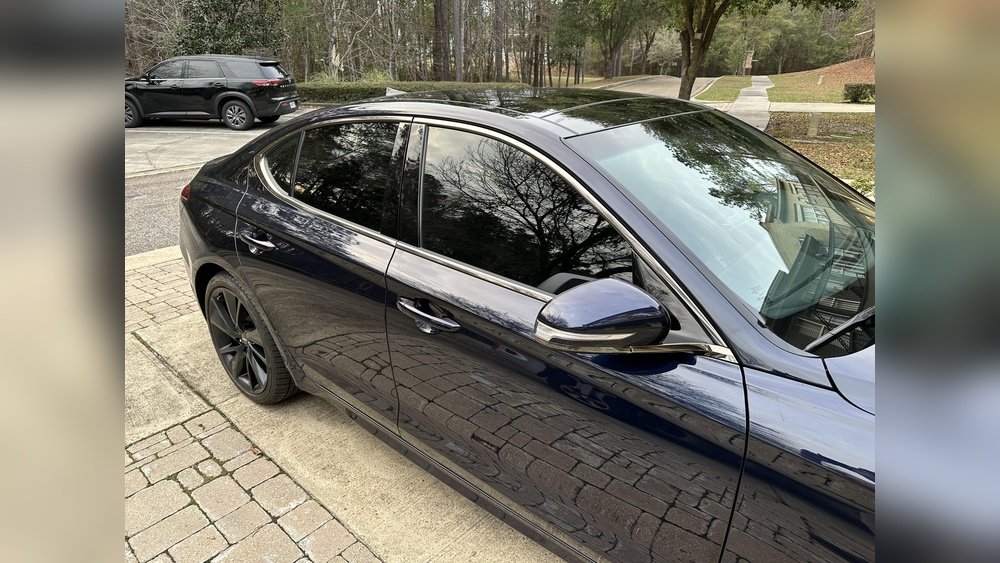
Are you considering upgrading your car’s look while boosting your comfort and privacy? A 15 percent window tint might be exactly what you need.
This dark tint not only gives your vehicle a sleek, stylish edge but also blocks out intense sunlight and harmful UV rays. Imagine driving without squinting or worrying about your interior fading in the sun. Plus, it enhances your privacy by making it harder for others to see inside.
But before you make a decision, it’s important to understand how 15 percent tint works, its benefits, and the legal rules you must follow. Keep reading to discover everything you need to know to make the best choice for your car and your lifestyle.
Benefits Of 15 Percent Tint
Choosing 15 percent window tint offers several practical benefits for drivers. This tint level balances privacy and visibility while improving comfort inside the vehicle. It also protects passengers and the car’s interior from harmful rays and heat. Below are the key advantages of installing 15 percent tint on your windows.
Enhanced Privacy
15 percent tint creates a dark, reflective surface. It limits the view into the car from outside. This helps keep your belongings and activities private. Passengers feel more secure and less exposed. It is ideal for those who value discretion on the road.
Superior Heat Reduction
This tint blocks a large amount of solar heat. It keeps the car’s interior cooler on hot days. Drivers and passengers enjoy a more comfortable ride. Air conditioning works more efficiently, saving fuel and energy. Heat reduction also protects the dashboard and upholstery from damage.
Uv Protection
15 percent tint filters out harmful ultraviolet rays. UV rays can cause skin damage and fading inside the car. This tint helps protect your skin during long drives. It also preserves the car’s interior, reducing wear and tear. UV protection adds a layer of health safety for everyone inside.
Glare Reduction
Glare from sunlight and headlights can be distracting and dangerous. This tint reduces glare significantly. It improves visibility and reduces eye strain for drivers. Safer driving conditions lead to fewer accidents. Clear vision during bright conditions makes driving easier and safer.

Credit: www.ilcs.org
Legal Restrictions
Understanding the legal restrictions on 15 percent window tint is vital for every driver. Laws vary by state and vehicle type. Staying informed helps avoid fines and penalties. It also ensures safety for drivers and law enforcement.
State Tinting Laws
Each state sets its own rules for window tint darkness. Some allow 15 percent tint on certain windows. Others restrict tinting to lighter shades. These laws aim to balance privacy with visibility. Drivers must check local regulations before tinting their windows.
Enforcement And Penalties
Police officers enforce window tint laws during traffic stops. Illegal tint can lead to fines or orders to remove the tint. Repeat violations may result in higher penalties. Some states also penalize the installer of illegal tint films. Compliance avoids costly fines and vehicle inspections.
Compliance Certificates
Many states require a compliance certificate with window tint installations. This certificate proves the tint meets legal standards. Drivers should keep the certificate in the vehicle. Law enforcement may ask for it during stops. Certified tint reduces chances of disputes with officers.
Window Tint Limits By Vehicle Type
Tint limits often differ by vehicle type. Sedans, SUVs, and trucks may have separate rules. For example, rear windows on SUVs might allow darker tint than sedans. Commercial vehicles sometimes have stricter limits. Knowing your vehicle’s category helps choose legal tint levels.
Choosing The Right Tint Film
Choosing the right tint film for your 15 percent window tint is key. It affects how well your windows block heat, glare, and UV rays. The tint type also impacts durability and appearance. Knowing the differences helps you pick the best option for your needs and budget.
Ceramic Vs. Metallic Films
Ceramic films use tiny ceramic particles to block heat and UV rays. They do not interfere with signals from phones or GPS. Metallic films contain metal layers that reflect heat but can cause signal issues. Ceramic tints often last longer and look clearer. Metallic tints may provide strong heat rejection but can fade or discolor over time.
Durability And Warranty
Good tint films resist scratches, fading, and bubbling. Ceramic films usually have higher durability. Warranties vary by brand and type. Some offer lifetime coverage against defects. Check warranty details before buying. A strong warranty ensures your tint stays in good condition for years.
Cost Considerations
Ceramic films tend to cost more than metallic ones. Prices depend on film quality and brand. Installation fees also affect the total cost. Budget for professional installation to avoid poor results. Investing in quality tint saves money on repairs and replacements later.
Popular Brands And Products
Top brands include 3M, Llumar, and Huper Optik. 3M offers a range of ceramic and metallic films. Llumar is known for durable, high-performance options. Huper Optik specializes in ceramic tints with strong heat rejection. Compare product features and reviews before deciding. Choose a trusted brand to ensure quality and satisfaction.
Installation Process
Installing 15 percent window tint requires careful steps to ensure a smooth, long-lasting finish. The process involves cleaning, cutting, and applying the tint film with precision. Proper installation affects the tint’s appearance and durability. Understanding the steps can help you choose the right method and avoid common problems.
Professional Vs. Diy Installation
Professional installation offers expert skills and special tools. Experts handle complex curves and edges with ease. They guarantee a bubble-free and smooth finish. DIY installation saves money but needs patience and practice. Mistakes during DIY can cause bubbles or peeling. Professionals also provide warranties that protect your investment.
Preparation And Cleaning
Clean windows thoroughly before applying tint film. Use a glass cleaner and microfiber cloth to remove dirt. Dust or grease can cause bubbles under the tint. Remove any stickers or residues from the glass. Proper cleaning helps the tint stick properly and last longer.
Application Techniques
Measure and cut the tint film to match the window size. Spray a soapy water mix on the glass to keep the film movable. Carefully place the film on the wet window surface. Use a squeegee to remove air bubbles and excess water. Smooth the film from center to edges to prevent wrinkles.
Common Installation Issues
Bubbles and wrinkles appear if the film is not applied evenly. Dust trapped under the film causes bumps and lifts. Cutting errors lead to uneven edges or gaps. Overstretching the tint can cause tearing or distortion. Avoid these issues by working slowly and using proper tools.
Maintenance Tips
Maintaining 15 percent window tint ensures it stays clear and effective for years. Proper care prevents scratches and peeling. Simple habits protect your investment and keep your car looking sharp.
Cleaning Methods
Use a soft cloth or microfiber towel for cleaning. Avoid rough sponges or brushes that can scratch the tint. Apply a gentle, ammonia-free cleaner or mild soap with water. Spray the cleaner on the cloth, not directly on the tint. Wipe the windows gently in a circular motion. Dry the surface with a clean, dry cloth to avoid streaks.
Avoiding Damage
Keep sharp objects away from the tinted windows. Do not use razor blades or metal scrapers for cleaning. Avoid harsh chemicals like ammonia or acetone, which can damage the film. Park your car in shaded areas to reduce sun damage. Be careful when rolling windows up or down to prevent peeling. Regular checks can catch small problems early.
Longevity Of Tint Films
Good maintenance extends the life of window tint films. Proper cleaning and avoiding damage keeps the tint strong. Quality tint films can last 5 to 10 years or longer. Environmental factors like sun exposure affect longevity. Protecting your tint with care helps maintain its color and strength. Replace the film only when it shows clear signs of wear.
Credit: www.youtube.com
Comparing Tint Levels
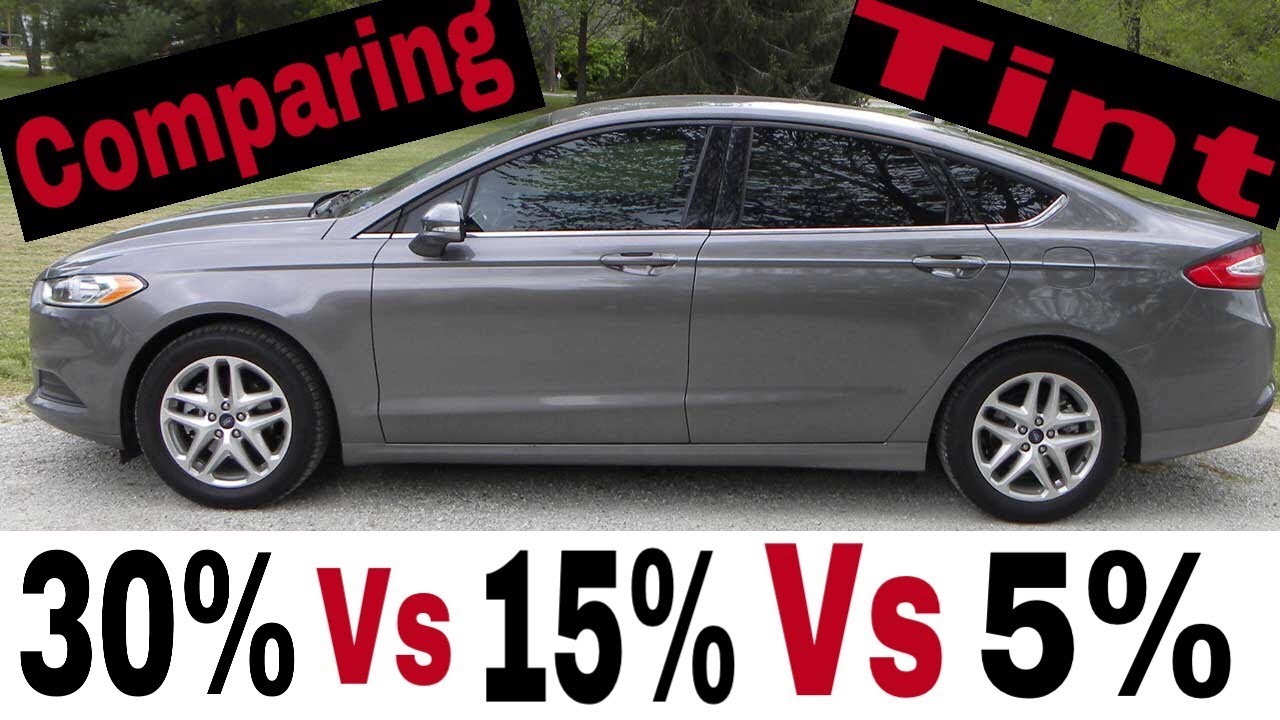
Choosing the right window tint level affects your driving comfort and vehicle style. Different tint percentages change how much light enters your car. Comparing these levels helps you find the perfect balance of privacy, heat reduction, and visibility.
What Does 15 Percent Mean?
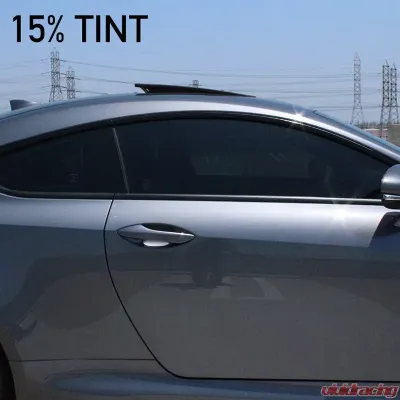
Fifteen percent tint means only 15% of light passes through the window. It blocks 85% of the visible light. This level looks very dark from outside. It offers high privacy and strong sun protection. Many people choose 15% tint for rear windows or privacy glass.
Differences Between 15%, 35%, And 50% Tint
Fifteen percent tint is the darkest among these three options. It blocks most light and heat. Thirty-five percent lets more light in but still reduces glare well. Fifty percent tint appears much lighter and allows good visibility. It offers some privacy without making windows too dark.
Dark tints like 15% can help keep a car cooler. Lighter tints like 50% help drivers see better at night. The choice depends on how much light and heat you want to control.
Choosing Tint Based On Climate And Needs
Hot climates benefit from darker tints like 15% to reduce heat inside the car. Cooler areas might prefer lighter tints for better visibility and less darkness. Consider local laws because some places limit how dark your tint can be.
Think about your driving habits. If you often drive at night, choose a lighter tint. For privacy or sun protection, a darker tint works better. Matching tint level to your needs improves comfort and safety.
Cost Breakdown
Understanding the cost of 15 percent window tint helps plan your budget better. This section breaks down the typical prices and what influences them. Also, it guides where to find the best deals for window tint films.
Average Pricing
The price for 15 percent window tint usually ranges from $100 to $400. This price covers materials and professional installation. Cheaper options may cost around $50 but might lack durability. Premium films with heat rejection and UV protection can exceed $400.
Factors Affecting Cost
Several factors change the final cost of window tinting. Vehicle size matters; larger cars need more film, raising costs. The quality of the tint film affects price as well. Installation complexity also plays a role; curved or custom windows take longer to tint. Location influences price due to labor costs and local regulations.
Where To Buy Window Tint
Window tint films and services are available online and in physical stores. Online platforms like eBay and Walmart offer a wide price range from $10 to $150. Local tint shops provide installation and warranty but can be pricier. Buying from a professional installer ensures quality and legal compliance.
Credit: www.vividracing.com
Myths And Facts
Window tinting, especially the 15 percent tint, often faces many myths. These myths can confuse car owners about its benefits and drawbacks. Knowing the facts helps make better decisions about tinting your vehicle.
Common Misconceptions
Many believe 15 percent tint blocks too much light. Some think it is illegal everywhere. Others assume it makes driving at night unsafe. These ideas are not always true. Laws vary by state, and many allow 15 percent tint on certain windows. The tint reduces glare and heat without harming visibility.
Truth About Tint And Safety
15 percent window tint can improve safety. It blocks harmful UV rays that damage skin and car interiors. The tint also lowers glare from the sun and headlights. This helps reduce eye strain and distractions while driving. Properly applied tint does not affect the function of safety sensors or cameras.
Impact On Visibility
Some worry the tint darkens windows too much. In daylight, 15 percent tint still lets enough light in. It improves comfort by reducing brightness and heat. At night, visibility depends on lighting and the driver’s eyesight. Most drivers adjust easily and notice less glare. It is important to check local laws to ensure legal visibility limits.
Frequently Asked Questions
Is 15% Tint Pretty Dark?
Yes, 15% tint is quite dark. It blocks about 85% of visible light, offering strong privacy and heat reduction.
Is 15% Tint Legal In Ca?
No, 15% tint is illegal on front side windows in California. The law requires at least 70% visible light transmission there. Rear and back windows have fewer restrictions. Always follow California’s window tint laws to avoid fines.
Is 15% Tint Hard To See Through?
15% tint is quite dark, making it difficult to see through, especially at night or in low light. It offers high privacy.
Is 5% Tint Legal In Hawaii?
No, 5% tint is illegal in Hawaii. Front side windows must allow more than 70% light transmission. Rear windows have different rules.
Conclusion
Choosing 15 percent window tint offers strong sun protection and privacy. It helps keep your vehicle cool on hot days. This level of tint blocks most harmful UV rays effectively. Remember to check local laws before installation to stay legal.
Proper tint improves driving comfort and reduces glare. Quality tint lasts long and enhances your car’s look. Overall, 15 percent tint balances style and function well. Consider your needs carefully before deciding on tint darkness. Safe driving and comfort go hand in hand with good tint.














