
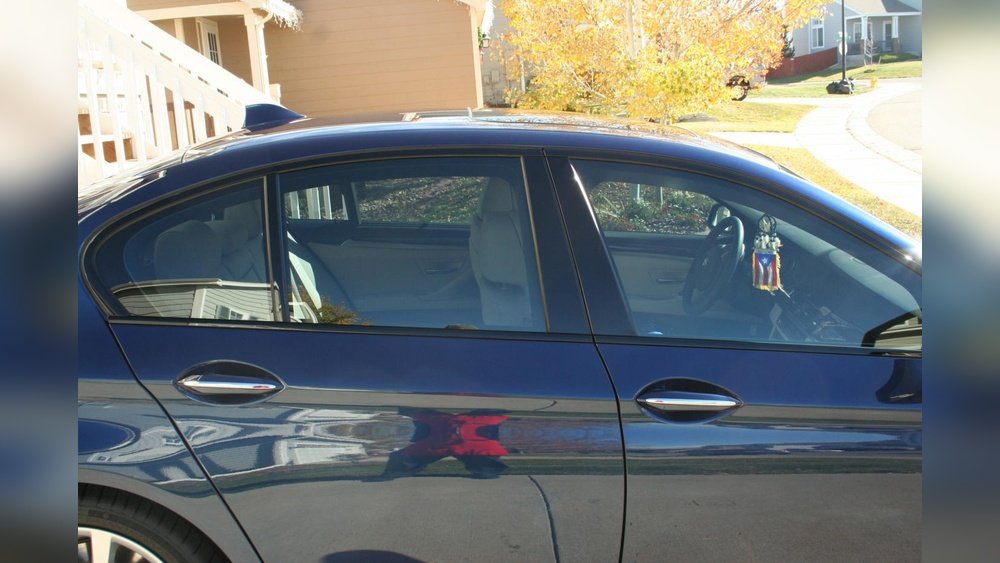
When it comes to upgrading your car’s look and comfort, choosing the right window tint can make all the difference. Have you ever wondered why 27 percent window tint is such a popular choice?
This specific shade strikes a perfect balance—it offers you privacy without making your windows too dark, while still blocking out a good amount of heat and glare. If you want to know how 27 percent tint can protect your interior, improve your driving experience, and stay within the legal limits, keep reading.
You’ll discover everything you need to make the best decision for your vehicle and your lifestyle.
Credit: www.cartintlaw.com
Benefits Of 27 Percent Tint
Choosing the right window tint can improve your driving experience and protect your vehicle. The 27 percent tint offers several practical benefits. This level of tint strikes a good balance between visibility and shading. It helps keep your car cooler, protects your skin, and adds privacy. Below are the key advantages of 27 percent tint.
Enhanced Privacy
27 percent tint darkens windows enough to block prying eyes. People outside cannot easily see inside your car. This helps protect your belongings and adds a sense of security. You can enjoy more comfort knowing your privacy is guarded.
Heat Reduction
Window tint reduces the amount of heat entering your vehicle. The 27 percent tint blocks a significant portion of sunlight. This keeps the car interior cooler on hot days. It also reduces the need for air conditioning, saving fuel and energy.
Uv Protection
Ultraviolet rays from the sun can harm your skin and damage the car’s interior. The 27 percent tint filters out a large amount of harmful UV rays. This protects your skin from sunburn and slows down fading of seats and dashboard.
Glare Minimization
Bright sunlight and headlights can cause glare, making driving uncomfortable. The 27 percent tint cuts down glare effectively. This helps reduce eye strain and improves visibility on the road. Driving becomes safer and more pleasant.
Legal Limits And Regulations
Understanding legal limits and regulations for 27 percent window tint is essential. Laws differ widely across states and can affect your choice of tint. Knowing these rules helps avoid fines and ensures your safety on the road.
State-by-state Tint Laws
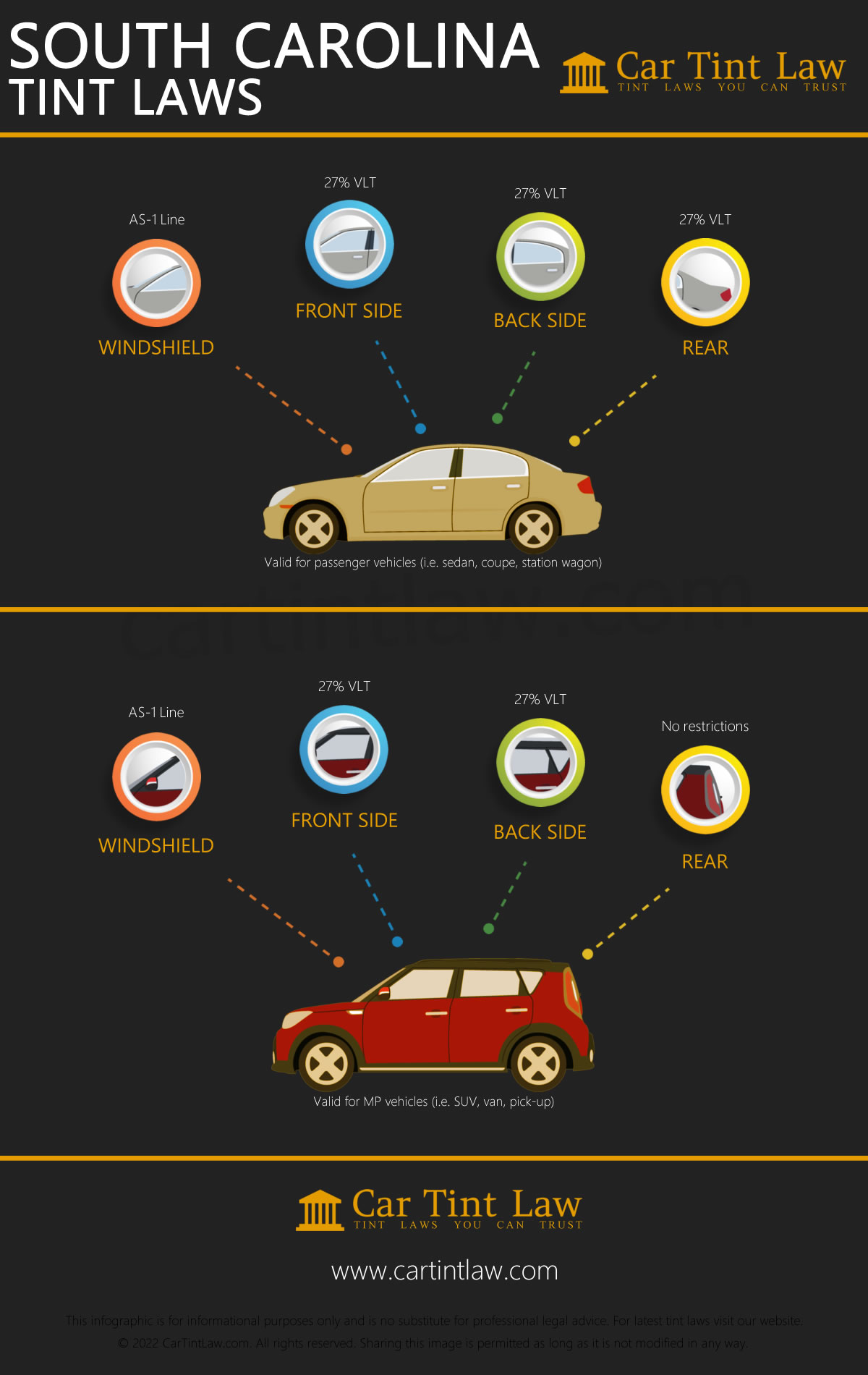
Each state sets its own rules for window tint darkness. Some allow darker tints on rear windows but restrict front side windows. Tint limits depend on the visible light transmission (VLT) percentage allowed. Checking local laws before installation prevents legal trouble.
Texas Tint Restrictions
Texas allows 25% VLT on front side windows. Rear side windows and the back windshield can have any darkness if the vehicle has dual side mirrors. The front windshield may have a non-reflective tint strip only on the top few inches.
Rear And Windshield Tint Rules
Rear window tint rules vary by state and vehicle type. Many states permit very dark or unlimited tint on rear windows. Windshield tint is usually limited to a small strip at the top. This ensures clear visibility and driver safety.
Penalties For Non-compliance
Breaking tint laws can lead to fines and citations. Police may require removal of illegal tint. Repeat offenses might bring higher penalties. Staying within legal tint limits avoids these issues and keeps your vehicle street legal.
Choosing The Right Tint Film
Choosing the right tint film is key to getting the best look and performance for your vehicle. The right film affects heat reduction, glare control, and privacy. It also plays a big role in how long the tint lasts and how easy it is to maintain. Understanding different types of tint films helps you make a smart choice for your needs.
Types Of Window Films
There are several types of window films available. Dyed films use a layer of dye to absorb sunlight. They are affordable but may fade over time. Metallic films use tiny metal particles to reflect heat. They are durable but can interfere with electronics. Ceramic films contain ceramic particles that block heat without metal. These films offer strong protection and clear views.
Ceramic Vs. Metallic Tints
Ceramic tints block more heat and UV rays than metallic ones. They do not cause signal interference with devices like GPS or phones. Ceramic films keep the glass clear and reduce glare effectively. Metallic tints are good for heat rejection but may cause reflections. They are more prone to fading and can affect radio signals.
Durability And Maintenance
Durability depends on the quality and type of film. Ceramic films generally last longer without fading or bubbling. Metallic films need careful handling to avoid scratches. Cleaning tints requires soft cloths and gentle cleaners. Avoid ammonia-based products as they can damage the film. Proper care keeps your tint looking new and performing well.
Installation Process
Installing 27 percent window tint requires attention and care. The process affects how the tint looks and lasts on your vehicle. Proper steps ensure a smooth, bubble-free finish. Preparation and technique play key roles. Understanding common problems helps avoid mistakes during installation.
Professional Vs. Diy
Professionals have tools and experience for perfect tint application. They clean windows thoroughly and cut tint to fit precisely. DIY kits are cheaper but need patience and steady hands. Mistakes in DIY can cause bubbles or peeling. Professionals often offer warranties on their work.
Preparation Steps
Clean the windows fully before starting. Remove dirt, dust, and grease with a good cleaner. Cut the tint film to size outside the car. Spray the window with a soapy water mix to help slide the film. Peel off the backing carefully to avoid fingerprints. Use a squeegee to push out air bubbles and water.
Common Installation Issues
Air bubbles form if the film is not pressed evenly. Dust trapped under the tint can cause bumps. Edges peeling off may result from poor cleaning or bad cutting. Wrinkles appear if the film is stretched too much. Avoid rushing to let the tint dry properly before driving.
Impact On Driving Experience
Choosing 27 percent window tint affects the driving experience in several key ways. This tint level balances light reduction and visibility, influencing comfort and safety. Drivers often notice changes in how they see the road and how the car feels inside. Understanding these effects helps decide if 27 percent tint fits your needs.
Visibility At Night
27 percent tint reduces glare from headlights and streetlights. It softens bright lights, making night driving less stressful on the eyes. This tint still lets enough light pass for clear vision. It helps maintain good visibility while cutting harsh brightness. Drivers find it easier to focus without squinting or discomfort.
Effect On Interior Temperature
This tint blocks a significant amount of sunlight and heat. It keeps the car cooler during hot days. Reduced heat means less need for air conditioning, saving fuel. The interior stays comfortable, protecting seats and dashboard from sun damage. Passengers enjoy a cooler ride, especially in sunny climates.
Safety Considerations
27 percent tint offers privacy without sacrificing safety. It reduces distractions from outside glare. Emergency responders can still see inside the vehicle if needed. This tint level meets many state laws for front side windows. It helps protect occupants from harmful UV rays while driving.
Maintaining And Caring For Tinted Windows
Maintaining and caring for 27 percent window tint keeps your car looking sharp. Proper care also extends the life of your tint film. Dirt, dust, and improper cleaning can cause scratches or bubbles. Simple steps help keep your tint clear and smooth for years.
Cleaning Tips
Use a soft cloth or microfiber towel to clean tinted windows. Avoid abrasive materials that can scratch the film. Spray a gentle glass cleaner or a mix of water and mild soap. Wipe gently in a circular motion. Never use ammonia-based cleaners; they damage the tint. Dry the window with a clean cloth to prevent streaks.
Avoiding Damage
Do not roll down windows immediately after tint installation. Let the film cure for a few days. Avoid sharp objects near the windows. Do not use razor blades or hard scrapers to remove dirt. Park in shaded areas to reduce sun damage. Keep pets from scratching windows with their claws.
When To Replace Tint
Replace tint if bubbles or peeling appear. Faded or discolored tint reduces effectiveness and looks bad. Scratches that cannot be cleaned off are signs to change the tint. If visibility is affected, replacement is necessary. Professional tint installers can advise on the best time to replace.
Cost And Value
Choosing 27 percent window tint involves thinking about cost and value. This tint shade offers a good balance of privacy, style, and heat reduction. Understanding the price and benefits helps decide if it fits your needs and budget.
Average Price Range
The cost for 27 percent window tint varies by vehicle size and location. Most installations range from $150 to $400. Luxury cars or larger SUVs may cost more. Prices include materials and labor. Cheaper options might use low-quality film. Quality tint lasts longer and looks better.
Long-term Savings
Window tint reduces heat inside the car. It lowers the need for air conditioning. This saves fuel and energy over time. Tint also protects seats and dashboard from sun damage. Fewer repairs and replacements mean less spending. Good tint improves comfort on sunny days too.
Resale Value Impact
A well-installed 27 percent tint can boost resale value. Buyers appreciate privacy and cooler interiors. It shows care for the vehicle. Poor or damaged tint may reduce value. Follow local tint laws to avoid issues. Clear, clean tint adds a subtle, stylish look.

Credit: nextleveltint.com
Credit: www.nhada.com
Frequently Asked Questions
How Dark Is 27% Window Tint?
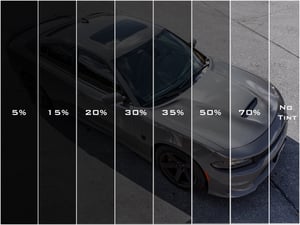
A 27% window tint allows 27% of light to pass through, creating a moderately dark shade. It offers good privacy and reduces glare while maintaining visibility. This tint is popular for front side windows and complies with many state laws.
Is 25% Tint To Dark?
A 25% tint lets in 25% of light, providing moderate darkness. It may be too dark for some states’ front windows but fine for rear windows. Always check local tint laws to ensure compliance before installation.
Is 25% Tint Hard To See Out Of At Night?
25% tint slightly reduces night visibility but generally does not cause major difficulty seeing out. It balances privacy with clear view.
In What State Is 20% Tint Legal?
20% tint is legal in states like New Mexico, Arkansas, Montana, Oklahoma, South Carolina, Texas, and Washington. Always check local laws before tinting.
Conclusion
Choosing 27 percent window tint offers a good balance of privacy and visibility. It reduces glare and heat while letting in enough light. This tint shade fits many state laws but always check local rules first. Proper installation ensures it lasts longer and works better.
Consider your vehicle type and driving habits before deciding. Overall, 27 percent tint provides comfort and style without compromising safety.














