
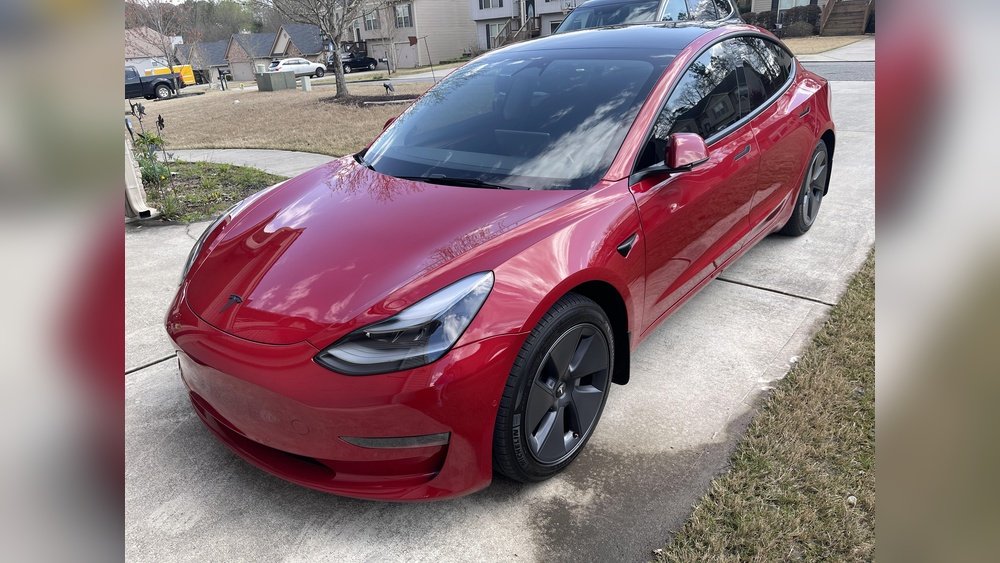
Are you thinking about getting 32 percent window tint for your car or home? This specific tint level strikes a perfect balance between style, comfort, and legal compliance.
You’ll enjoy reduced glare and better privacy without sacrificing too much natural light. But is 32 percent tint right for your needs? You’ll discover everything you need to know—from how it affects visibility and heat reduction to the legal rules you must follow.
Keep reading to make a smart choice that protects your investment and enhances your daily experience.

Credit: betweennapsontheporch.net
Benefits Of 32 Percent Window Tint
Choosing 32 percent window tint offers practical benefits for drivers and passengers. This tint level balances visibility with protection. It improves comfort inside your vehicle while keeping the outside world visible.
The following benefits explain why 32 percent tint is a popular choice for many car owners.
Enhancing Privacy
32 percent window tint adds a layer of privacy to your car. It darkens the windows enough to limit views from outside. Passengers and belongings stay more secure from prying eyes. This tint level keeps your personal space more private without making it too dark.
Blocking Harmful Uv Rays
This tint blocks a large portion of harmful ultraviolet rays. UV rays can cause skin damage and fade your car’s interior. By reducing UV exposure, 32 percent tint protects your skin and keeps your seats and dashboard looking new. It helps reduce the risk of long-term damage caused by the sun.
Reducing Glare And Heat
Glare from the sun can make driving uncomfortable and unsafe. 32 percent window tint cuts down glare from bright sunlight and headlights. It also lowers the heat inside the vehicle by blocking some solar energy. This keeps your car cooler and makes driving more pleasant, especially on hot days.
Legal Regulations By State
Window tint laws vary widely across the United States. Each state sets its own rules about how dark or reflective tint can be on vehicle windows. Knowing these laws helps drivers avoid fines and stay safe. This is especially true for 32 percent window tint, a popular choice for many car owners.
Understanding legal regulations by state is important before applying any tint. The rules affect different windows on a vehicle, such as front side, rear side, and back windows. Some states allow 32 percent tint on certain windows but not others.
Common Tint Limits Across States
Most states set a minimum visible light transmission (VLT) percentage. This means how much light must pass through the tinted window. Many states require front side windows to have at least 35 to 50 percent VLT. Rear and back windows often have fewer restrictions. 32 percent tint usually meets or exceeds many state front window limits. Still, some states may ban tint darker than 50 percent on front windows.
Special Rules For Medical Tinting
Some states allow darker tints for medical reasons. Drivers with certain health conditions can apply for special permits. These permits let them use tint darker than the usual legal limit. Documentation from a doctor is required. Medical tinting laws vary and often have strict application processes. It is important to check local rules before assuming medical tint is allowed.
Penalties For Violations
Breaking window tint laws can lead to fines or warnings. Police may issue tickets if tint is too dark or reflective. In some cases, drivers must remove the illegal tint. Repeat offenders face higher fines or court appearances. Penalties depend on the state and severity of the violation. Staying within legal tint limits avoids these risks and keeps drivers safe on the road.
Choosing The Right Tint Film
Choosing the right tint film is key to getting the best performance from your 32 percent window tint. The right film protects you from the sun, keeps your car cool, and lasts a long time. Not all tint films are the same. Each type offers different benefits and levels of durability. Understanding these options helps you pick a film that fits your needs and style.
Types Of Window Tint Films
There are several types of window tint films available. Dyed films absorb sunlight and reduce glare. Metalized films block heat using tiny metal particles. Hybrid films mix dye and metal for balanced performance. Ceramic films use advanced particles to block heat without metal. Each type has its own cost and effectiveness.
Durability And Color Retention
Durability matters for tint films. Some films fade or bubble over time. High-quality films resist fading and keep their color. Look for films with strong adhesive and UV protection. A durable film will save money by lasting longer and staying clear. Good color retention means your tint looks fresh for years.
Nano-particle Technology
Nano-particle technology uses tiny particles to improve tint films. These particles block more heat and UV rays. They do not interfere with signals like GPS or radio. Films with nano-particles offer better heat rejection and clarity. This technology also boosts durability and color stability. It is a smart choice for long-lasting window tint.
Installation Process
Installing 32 percent window tint enhances privacy and blocks heat effectively. The process requires care and attention to detail to ensure a smooth, bubble-free finish. Understanding the steps involved helps achieve the best results.
Professional Vs Diy Installation
Professional installation offers precise application and expert handling. Experts use special tools to cut and apply tint accurately. They guarantee a clean finish without wrinkles or bubbles.
DIY installation saves money but demands patience and skill. Mistakes like dust or air bubbles can ruin the look. It requires proper tools, a dust-free environment, and steady hands.
Preparation Steps
Start by cleaning the windows thoroughly to remove dust and grease. Use a lint-free cloth and glass cleaner for a spotless surface. Measure the window size to cut the tint film accurately. Peel the backing carefully to avoid creases. Apply the tint slowly, smoothing it with a plastic squeegee to remove air bubbles.
Maintenance Tips
Wait at least a week before rolling down tinted windows. Clean the tint gently with a soft cloth and mild soap. Avoid ammonia-based cleaners as they can damage the film. Inspect the tint regularly for scratches or peeling. Proper care extends the life and appearance of your window tint.
Comparing Tint Percentages
Window tint percentages affect how much light passes through your car’s windows. Choosing the right tint level changes your driving experience. Comparing these percentages helps you find the best balance between comfort, visibility, and style. Below, we explore key differences among common tint levels, focusing on 32 percent window tint.
Visibility Differences
Thirty-two percent tint blocks about one-third of light. It allows good outside view while reducing glare. Darker tints lower visibility, especially in low light. Lighter tints keep windows clearer but offer less sun protection. Thirty-two percent offers a solid middle ground for daily driving.
Night Driving Experience
Night driving feels safer with 32 percent tint than with darker shades. It reduces glare from headlights without making the cabin too dark. Very dark tints can make it hard to see pedestrians or signs at night. Thirty-two percent tint keeps visibility balanced and reduces eye strain.
Heat Reduction Efficiency
Thirty-two percent tint cuts a good amount of solar heat from entering the car. It helps keep the interior cooler on hot days. Darker tints block more heat but may be illegal in some areas. Lighter tints offer less heat protection. Thirty-two percent tint provides effective heat reduction while staying legal in many states.

Credit: www.reddit.com
Top Window Tint Providers In Austin
Austin offers many options for 32 percent window tint services. Choosing the right provider ensures quality, durability, and legal compliance. Local shops specialize in various tint types and customer needs. Here is a closer look at some top window tint providers in Austin.
Popular Local Shops
Several shops in Austin stand out for their expertise and service. Tint World is known for professional installations and a wide range of film options. Sunbusters Window Tinting offers strong warranties and fast service. Turbo Tint provides affordable prices with quality materials. BEST WINDOW TINT SHOP LLC is praised for custom tint solutions and attention to detail.
Customer Reviews And Ratings
Customers appreciate shops with positive feedback and high ratings. Tint World has many reviews praising its skilled staff and clean installations. Sunbusters receives high marks for friendly service and lasting results. Turbo Tint’s customers highlight quick turnaround times and good value. BEST WINDOW TINT SHOP LLC is often recommended for its personalized approach and consistent quality.
Pricing And Packages
Prices vary based on film type, vehicle size, and package deals. Tint World offers tiered packages starting with basic tint and upgrades to premium films. Sunbusters provides competitive rates and discounts on full car tinting. Turbo Tint keeps prices low while maintaining quality materials. BEST WINDOW TINT SHOP LLC offers custom quotes tailored to customer needs and budgets.
Common Myths About Window Tint
Many people believe false information about 32 percent window tint. These myths create confusion and stop some from enjoying its benefits. Clearing up wrong ideas helps you make smart choices. Let’s explore common myths about window tint.
Privacy And Safety Concerns
Some think window tint blocks all views inside the car. A 32 percent tint reduces visibility but does not make windows fully dark. It balances privacy and clear sight for drivers. People worry tint weakens glass during accidents. Actually, window tint holds shattered glass together. It adds safety by preventing glass from flying.
Effect On Car Electronics
Many worry tint blocks signals from GPS or radio. Modern window films do not interfere with car electronics. They are designed to allow signals to pass freely. You can use your devices without problems. The tint only changes light and heat, not electronic signals.
Tinting And Resale Value
Some believe window tint lowers car resale value. The truth is, good quality tint can increase appeal. It protects interiors from sun damage, keeping seats and dashboard fresh. Buyers often see tinted cars as well cared for. Properly installed tint usually adds value, not reduces it.

Credit: bciimage.com
Frequently Asked Questions
Can You See Through 32% Tint?
Yes, you can see through 32% tint clearly. It reduces glare but maintains good visibility both day and night.
How Dark Is 32% Window Tint?
A 32% window tint lets in 32% of visible light, moderately darkening windows. It balances privacy and visibility well.
Is 30% Tint Legal In Ga?
In Georgia, 30% window tint is legal on front side windows. Rear windows have no tint restrictions. Windshield tint must allow over 32% light. Always check latest state laws before tinting.
Can You See At Night With 30% Tint?
A 30% tint reduces glare and heat but still allows reasonable night visibility. It balances privacy with safe driving at night.
Conclusion
Choosing 32 percent window tint offers a good balance of style and comfort. It reduces glare and heat while letting in enough light. This tint level often complies with many state laws, keeping your vehicle legal. It also helps protect your car’s interior from sun damage.
Easy to maintain and affordable, 32 percent tint suits many drivers. Consider your local rules before applying any tint. Overall, it enhances your driving experience in a simple way.














