When it comes to keeping your car’s interior spotless, you might be wondering which tool will make your job easier and more effective: car cleaning gel or compressed air. You want a method that reaches every nook and cranny, saves you time, and leaves your car looking fresh without any hassle.
But which one truly delivers the best results? You’ll discover the strengths and weaknesses of both car cleaning gel and compressed air, helping you decide which tool fits your cleaning style and needs. Stick around—you’ll learn how to make your car shine inside out with less effort than you ever thought possible.

Credit: us.amazon.com
Car Cleaning Gel Basics
Car cleaning gel is a popular tool for quick and easy interior cleaning. It reaches tight spaces where cloths and brushes cannot. The gel removes dust and debris without scratching surfaces. Understanding the basics helps decide if it fits your car care routine.
What Is Cleaning Gel Made Of
Cleaning gel is made from a soft, sticky, and flexible polymer. It feels like a thick jelly and can stretch without breaking. The gel contains non-toxic ingredients safe for most surfaces. It picks up dust, dirt, and crumbs by sticking to them.
How It Works On Surfaces
Press the gel gently onto the surface. It molds around buttons, vents, and crevices. When lifted, the gel pulls out dirt trapped in small spaces. It does not leave residue or damage delicate parts. The gel can be reused until it loses stickiness.
Common Uses In Car Detailing
Cleaning gel works well on dashboards, air vents, and cup holders. It removes dust from touch screens and buttons without moisture. The gel is useful for keyboards and other hard-to-clean areas inside cars. It saves time and effort in detailed cleaning tasks.
Compressed Air Essentials
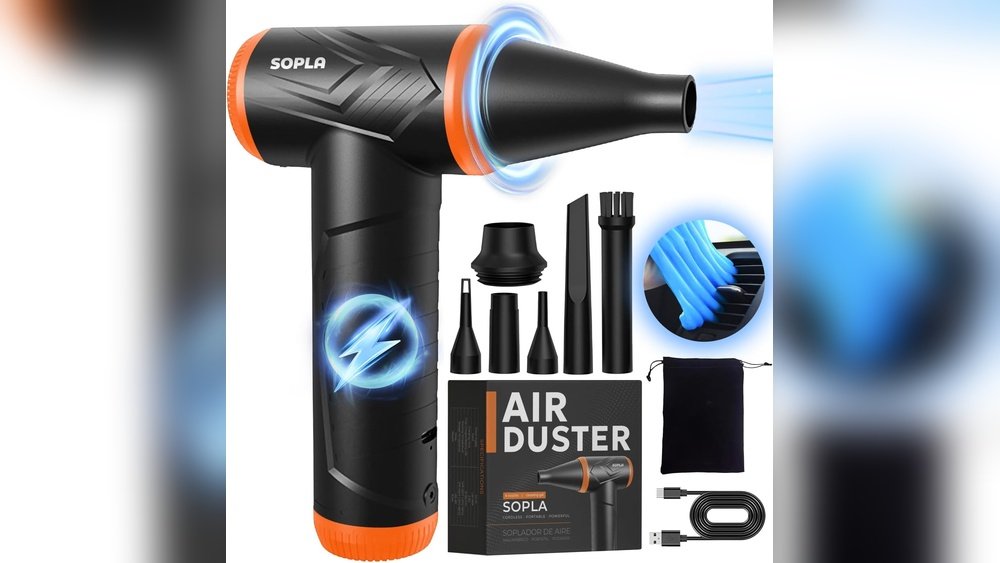
Compressed air is a popular tool for car interior cleaning. It uses high-pressure air to remove dust and dirt. This method reaches spots that are hard to clean by hand. Compressed air is quick and does not use liquids or chemicals. It keeps your car’s interior fresh without wet messes.
Many car owners and detailers choose compressed air for its efficiency. It helps clean vents, crevices, and tight spaces. Understanding the basics of compressed air tools can improve your cleaning routine.
Types Of Air Compressors
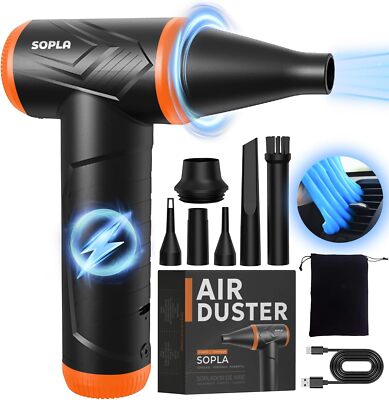
There are several types of air compressors for car cleaning. Portable compressors are small and easy to carry. They work well for quick jobs and small spaces.
Stationary compressors are larger and more powerful. They fit in garages or workshops and handle bigger tasks. Some models come with adjustable pressure settings. This feature lets you control the air flow to protect delicate surfaces.
Uses In Car Interior Cleaning
Compressed air removes dust from dashboards and vents. It cleans tight seams between seats and panels. The air blasts dirt out of air conditioning vents effectively.
It also dries wet surfaces after cleaning or spills. Compressed air can blow out crumbs from seat crevices. Using it keeps your car interior neat without scrubbing or chemicals.
Advantages For Hard-to-reach Areas
Compressed air easily reaches narrow spaces inside the car. It clears dust from cracks and buttons quickly. The strong airflow removes debris without damaging surfaces.
This method is safer than using brushes or cloth in tight spots. It prevents buildup in places hard to access. Compressed air keeps your car cleaner and reduces allergy triggers.
Effectiveness Comparison
Comparing car cleaning gel and compressed air reveals their strengths and limits. Both tools target dust and dirt but work differently. Understanding how each performs helps pick the right option.
Removing Dust And Debris
Car cleaning gel traps dust by sticking to particles. It lifts dirt without spreading it around. Compressed air blows dust away quickly but may scatter it into the air. Gel works best on settled dust, while air clears loose debris fast.
Cleaning Crevices And Vents
Gel molds to shapes and reaches tight spots in vents and crevices. It collects dust inside hard-to-reach areas. Compressed air forces dust out of cracks but may not remove it fully. Gel offers deeper cleaning; air helps loosen trapped dirt.
Handling Sticky Or Wet Residue
Gel picks up sticky or wet residue by adhering to it. It removes grime without spreading mess. Compressed air cannot remove sticky substances and may cause splatter. Gel is the better choice for sticky or damp dirt in car interiors.
Credit: www.ebay.com
Ease Of Use
Ease of use is a key factor in choosing between car cleaning gel and compressed air. Both tools aim to simplify cleaning, but their handling and setup differ. The choice depends on user comfort and the cleaning task.
Application Process For Gel
Car cleaning gel requires no special skills. Simply press the gel onto dusty surfaces. It picks up dirt and dust by sticking to it. After a few seconds, peel the gel away. The dirt remains trapped inside. This process is quick and quiet. It works well on dashboards, vents, and buttons.
Operating Compressed Air Tools
Using compressed air needs more care. Connect the air tool to a power source or compressor. Hold the nozzle close to dirty spots. Press the trigger to release air blasts. The air blows away dust and debris fast. It may take practice to control air pressure. Too strong a blast can scatter dirt or damage delicate parts.
Portability And Storage
Car cleaning gel comes in small, lightweight containers. It fits easily in glove compartments or cleaning kits. No electricity or batteries are needed. Compressed air tools vary in size. Portable air dusters are compact but need power or batteries. Larger compressors require more space and weight. Storing these tools depends on your vehicle and workspace.
Safety And Surface Impact
Safety and surface impact are key concerns when choosing between car cleaning gel and compressed air. Both tools clean hard-to-reach areas, but they affect surfaces differently. Understanding these effects helps protect your car’s interior and delicate parts.
Potential Risks With Cleaning Gel
Cleaning gel can stick to surfaces and leave residue behind. This residue may attract dirt over time. Some gels contain chemicals that could harm paint or plastic. Using too much gel might cause it to get stuck in vents or seams. It can also tear or break apart, making cleanup harder. Always test gel on a small area first to avoid damage.
Compressed Air Safety Tips
Compressed air can blow away dust and debris quickly. Use it at low pressure to avoid damage. High pressure may push dirt deeper into crevices. Never point compressed air directly at delicate parts like sensors or wiring. Wear eye protection to prevent injury from flying particles. Keep the nozzle moving to avoid concentrated blasts on one spot.
Effect On Delicate Components
Both cleaning gel and compressed air can affect fragile parts. Cleaning gel might clog small openings or damage soft plastics. Compressed air can loosen or break weak connections if too strong. Always handle delicate areas gently. Use tools designed for sensitive components to keep them safe and functional.
Cost And Maintenance
Understanding the cost and maintenance of car cleaning gel and compressed air tools helps you decide which fits your needs. Both options offer unique expenses and upkeep requirements. This section breaks down the main factors to consider for each method.
Initial Investment For Gel And Air Tools
Car cleaning gel usually costs less upfront. A small jar can be affordable and ready to use. Compressed air tools require a bigger initial purchase. The air compressor or canned air can be costly. Some air compressors need extra parts or accessories. This raises the starting price.
Refill And Replacement Needs
Cleaning gel needs refills once it loses stickiness. A jar lasts for many uses but must be replaced eventually. Compressed air cans run out quickly and need frequent replacement. Electric air compressors do not require refills but use electricity. Maintenance includes checking hoses and nozzles for damage.
Long-term Durability
Gel tends to break down over time and dry out. It needs proper storage to last longer. Compressed air tools, especially electric models, can last years with care. Regular cleaning of air filters and parts keeps them working well. Gel is less durable but simpler to maintain.
User Experience And Reviews
User experience and reviews provide real insight into how car cleaning gel and compressed air perform. They reveal practical benefits and drawbacks. Understanding these opinions helps make a smart choice for your car care routine.
Feedback From Auto Detailers
Auto detailers often prefer compressed air for quick debris removal. It reaches tight spaces like vents and seams with ease. Many say it speeds up the cleaning process significantly. Some detailers like car cleaning gel for its ability to pick up dust on flat surfaces. They find it handy for dashboards and screens. Overall, professionals see each tool as useful for different tasks.
Common User Complaints
Users mention that compressed air can spread dust if used improperly. It requires careful handling to avoid pushing dirt deeper. Car cleaning gel sometimes leaves a sticky residue if overused. Some users find it less effective on very dirty areas. Both tools need proper cleaning after use to stay effective. These complaints highlight the importance of using each tool correctly.
Best Practices From Experts
Experts suggest using compressed air first to blow out loose dirt. Then, apply car cleaning gel to catch remaining dust and grime. They recommend using gentle pressure with the gel to avoid leaving residue. Regular cleaning of both tools ensures they work well every time. Many detailers advise testing on small areas before full use. Following these tips improves cleaning results and protects your car’s interior.
Choosing The Right Tool
Choosing the right tool for cleaning your car’s interior can save time and improve results. Both car cleaning gel and compressed air have unique strengths. Knowing when to use each helps keep your car spotless without damage. This section breaks down the best uses for each tool and how to combine them for top results.
When To Use Cleaning Gel
Cleaning gel works well on sticky dust and dirt. It molds into small spaces like vents and buttons. The gel lifts dust and grime without scratching surfaces. Use it on dashboards, screens, and cup holders. It also picks up pet hair and crumbs easily. Avoid using it on very wet or oily areas. The gel works best on dry, flat surfaces.
Scenarios Favoring Compressed Air
Compressed air blows dust from hard-to-reach places quickly. It clears vents, crevices, and between seats. Air removes loose dirt without touching surfaces. Use it before vacuuming to loosen debris. It also helps dry wet areas after cleaning. Compressed air works well on delicate parts that gel cannot reach. Avoid using too much pressure near fragile electronics.
Combining Both For Optimal Results
Start with compressed air to blow out loose dirt. This clears large particles and dust. Next, apply cleaning gel for detailed spots and sticky grime. The gel catches dirt that air missed. Use both tools to cover all cleaning needs. This combo saves time and improves cleanliness. It keeps your car interior fresh and well-maintained.

Credit: us.amazon.com
Frequently Asked Questions
How Do Detailers Get Cars So Shiny?
Detailers clean, polish, and apply protective synthetic coatings that repel dirt and water. They use tools like polishers, microfiber towels, and air compressors to achieve a deep, lasting shine.
Is Car Cleaning Gel Any Good?
Car cleaning gel effectively removes dust and dirt from tight spaces. It’s flexible, reusable, and complements regular cleaning tools well.
What Do Auto Detailers Use To Clean Cars?
Auto detailers use specialized shampoos, microfiber towels, polishers, brushes, vacuum cleaners, steam cleaners, and compressed air to clean cars effectively.
Why Do Detailers Use Air Compressors?
Detailers use air compressors to blow away dust, debris, and water from tight spaces. They speed up drying and ensure thorough cleaning.
Conclusion
Choosing between car cleaning gel and compressed air depends on your needs. Cleaning gel works well on flat surfaces and small dust particles. Compressed air reaches tight spots and dries areas quickly. Each tool has strengths for car detailing tasks.
Use gel for gentle, sticky dirt removal. Use compressed air for blowing out debris from crevices. Combining both tools can give a cleaner, fresher car interior. Keep your car tidy with the right cleaning method. Simple tools make a big difference in car care.