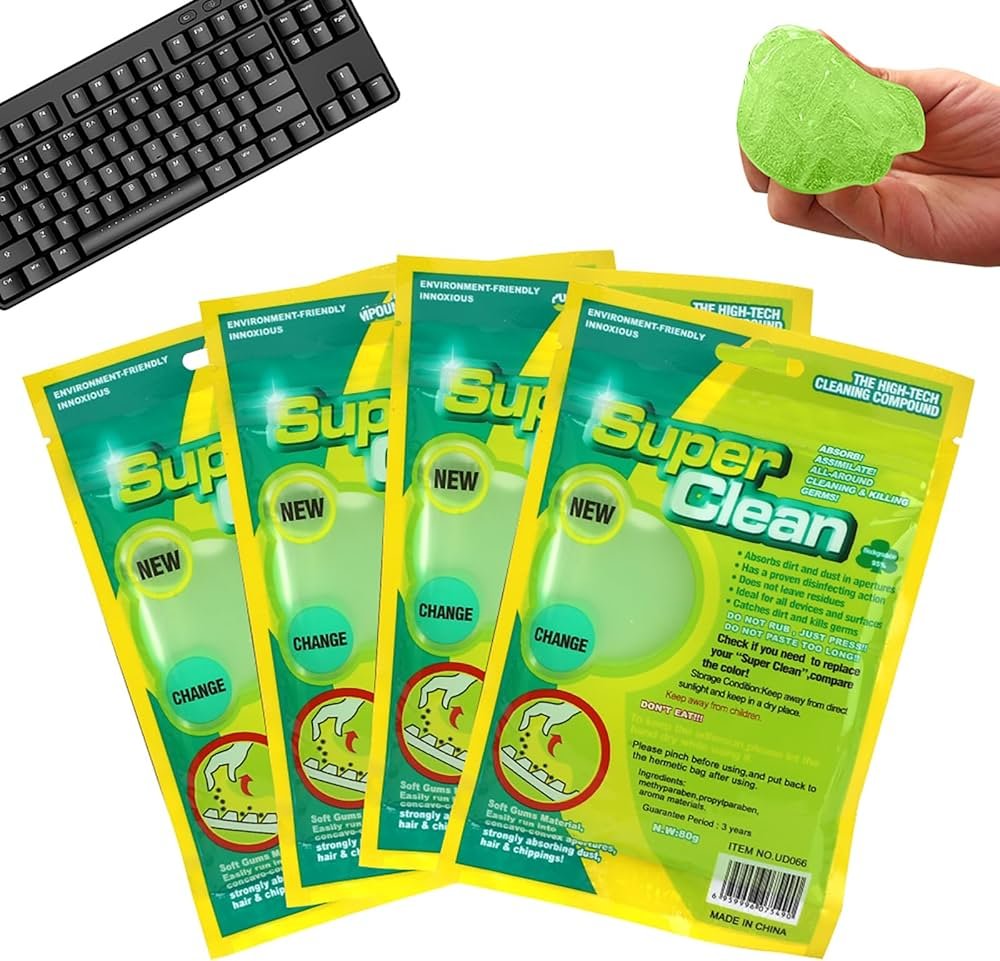
You’ve probably heard that car cleaning gel is a handy tool for picking up dust and dirt from those hard-to-reach spots inside your vehicle. It feels almost magical as it molds into every little crevice, pulling out grime you didn’t even know was there.
But before you grab that gel and start cleaning everything in sight, there’s something important you need to know: not all surfaces are safe for this product. Using car cleaning gel on the wrong materials can cause damage, discoloration, or leave behind sticky residue that’s tough to remove.
Want to make sure you don’t ruin your car’s interior or exterior by mistake? Keep reading to discover exactly which surfaces you should avoid when using car cleaning gel—and how to clean those areas safely instead. Your car deserves the best care, and so do you.
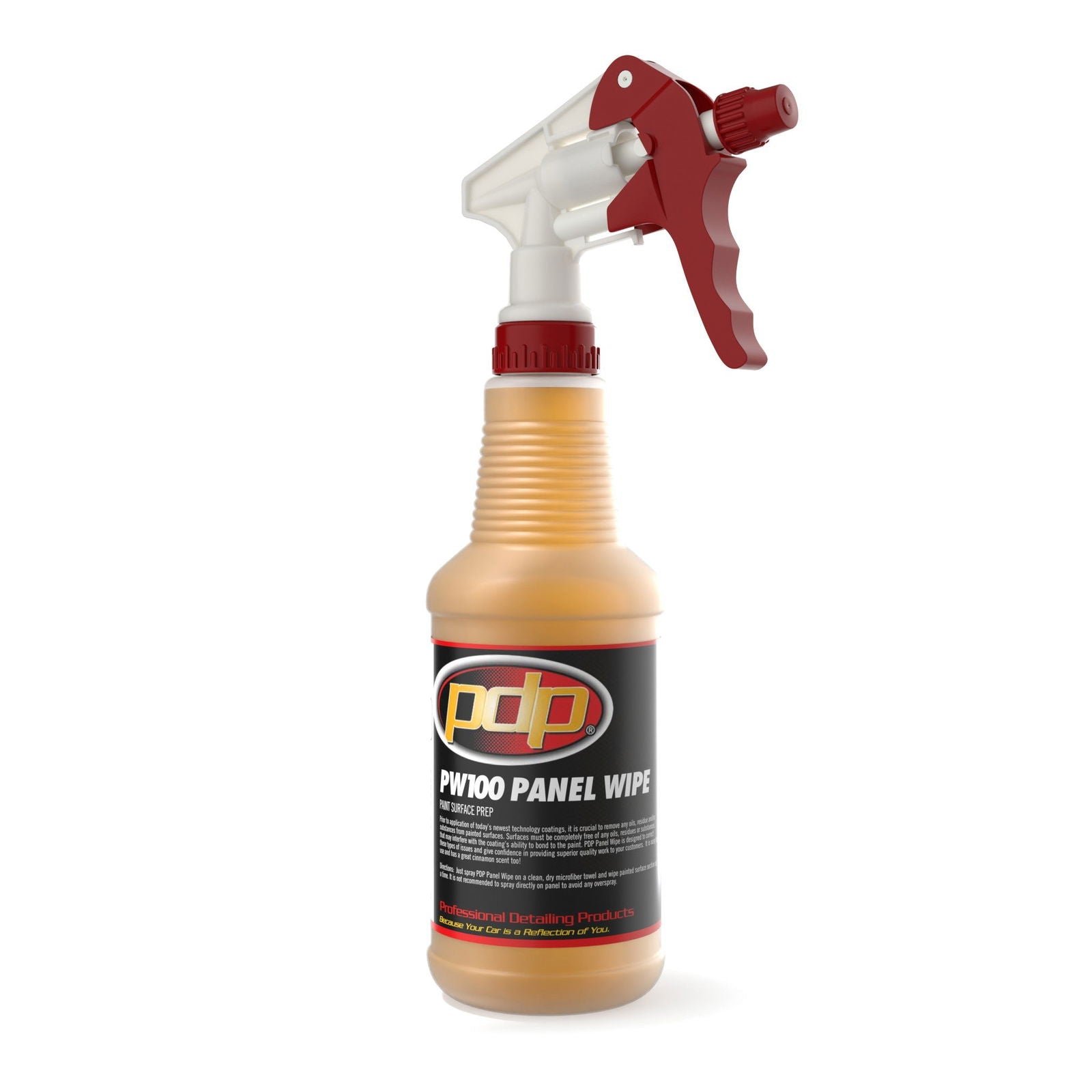
Credit: www.professionaldetailingproducts.com
Surfaces Sensitive To Cleaning Gel
Car cleaning gel is handy for many surfaces inside your vehicle. It picks up dust and dirt in hard-to-reach places. Yet, some surfaces are sensitive and may get damaged by the gel. Avoid using it on such areas to keep your car looking its best.
Delicate Paint Finishes
Cleaning gel can harm delicate paint finishes. It may cause scratches or dull the shine. Avoid using gel on matte or custom paint jobs. Stick to soft cloths and proper car wash products instead.
Leather Upholstery
Leather is sensitive to moisture and chemicals in the gel. The gel can dry out or stain leather seats and trim. Use leather-specific cleaners and conditioners for these surfaces. They keep leather soft and protected.
Fabric Seats
Fabric seats absorb the gel and may become sticky or stained. The gel may also trap dirt deeper in the fibers. Use a fabric cleaner designed for car upholstery. Spot clean with a gentle brush or cloth.
Touchscreens And Displays
Touchscreens and displays have delicate coatings that the gel can damage. It may cause smudges or reduce screen sensitivity. Use a microfiber cloth and screen-safe cleaner for these areas. Avoid any product that leaves residue.
Rubber And Vinyl Components
Rubber and vinyl parts can react poorly to cleaning gels. The gel may cause discoloration or make these parts sticky. Use mild soap and water or a cleaner made for rubber and vinyl. This keeps them flexible and looking new.
Why Cleaning Gel Can Cause Damage
Car cleaning gel seems handy for grabbing dust and dirt in tight spots. Yet, using it on some surfaces can cause damage. The gel’s ingredients and texture might react badly with certain materials. This can lead to lasting issues you want to avoid.
Chemical Reactions With Materials
Cleaning gels often contain chemicals that break down grime quickly. These chemicals can also react with delicate surfaces. Plastics, rubber, and painted finishes may weaken or discolor. Such reactions harm the surface’s look and durability.
Residue Buildup And Staining
Some gels leave sticky residues behind after cleaning. Over time, these residues attract more dirt and dust. This buildup creates dull spots and stains. It can be tough to remove and may worsen surface appearance.
Impact On Surface Texture
The gel’s sticky, pliable nature might pull or lift soft materials. Fabrics, leather, and soft plastics can suffer texture changes. Surfaces may become rough, sticky, or lose their smooth finish. This reduces comfort and visual appeal.
Common Mistakes When Using Cleaning Gel
Using car cleaning gel seems easy. Many people make mistakes that reduce its effectiveness. These mistakes can damage surfaces or leave dirt behind. Understanding common errors helps protect your car and get better results.
Applying On Wet Or Dirty Surfaces
Cleaning gel works best on dry, clean surfaces. Using it on wet areas traps moisture inside. It can cause sticky residue or damage the gel. Dirt can also mix with the gel, making it less effective. Always wipe surfaces dry before applying the gel.
Using Excessive Pressure
Pressing too hard with cleaning gel can harm delicate surfaces. The gel is soft and designed to pick up dirt gently. Heavy pressure may push dirt deeper or scratch finishes. Use light, gentle movements to protect your car’s interior and exterior.
Ignoring Manufacturer Guidelines
Every cleaning gel has specific instructions. Ignoring these can cause unwanted damage. Some gels are not safe for leather, screens, or painted surfaces. Always read the label to know which surfaces to avoid. Following guidelines ensures safe and effective cleaning.
Credit: www.amazon.ie
Safe Alternatives For Sensitive Surfaces
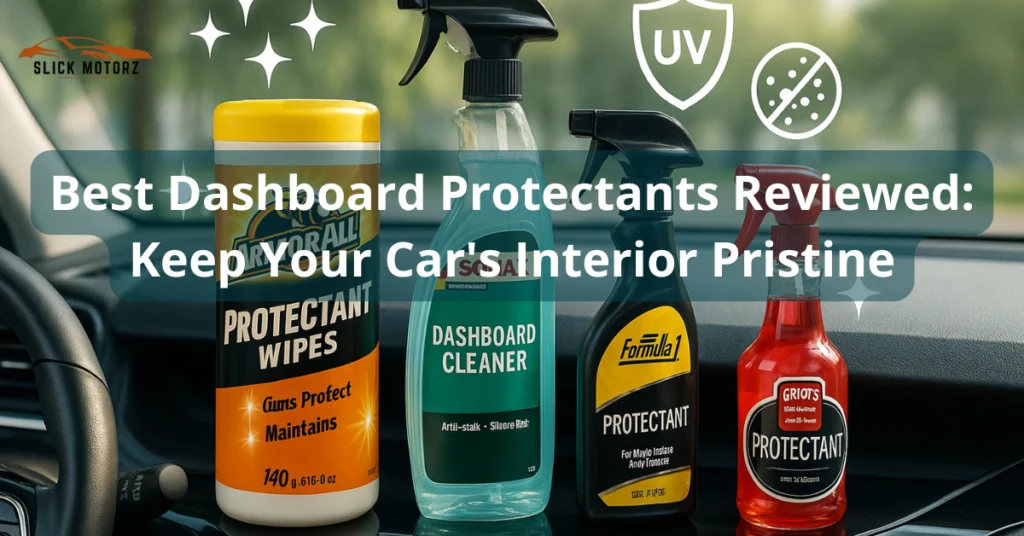
Car cleaning gel can damage some sensitive surfaces inside your vehicle. These surfaces need gentle care to avoid stains, scratches, or fading. Choose safer cleaning options that protect delicate materials. Use products made especially for these surfaces. This keeps your car looking fresh and lasting longer.
Gentle Cleaners For Leather And Fabric
Leather and fabric require mild cleaning solutions. Use cleaners designed specifically for these materials. Avoid harsh chemicals that dry out or discolor leather. For fabric, pick a gentle upholstery cleaner to remove dirt without damage. Always test a small area first. This prevents unwanted stains or fading.
Microfiber Cloths And Soft Brushes
Microfiber cloths are soft and absorb dirt well. They do not scratch delicate surfaces like dashboards or screens. Soft brushes help clean tight spaces and textured areas. Use gentle strokes to remove dust without harming the surface. Avoid rough materials that can leave marks or wear down finishes.
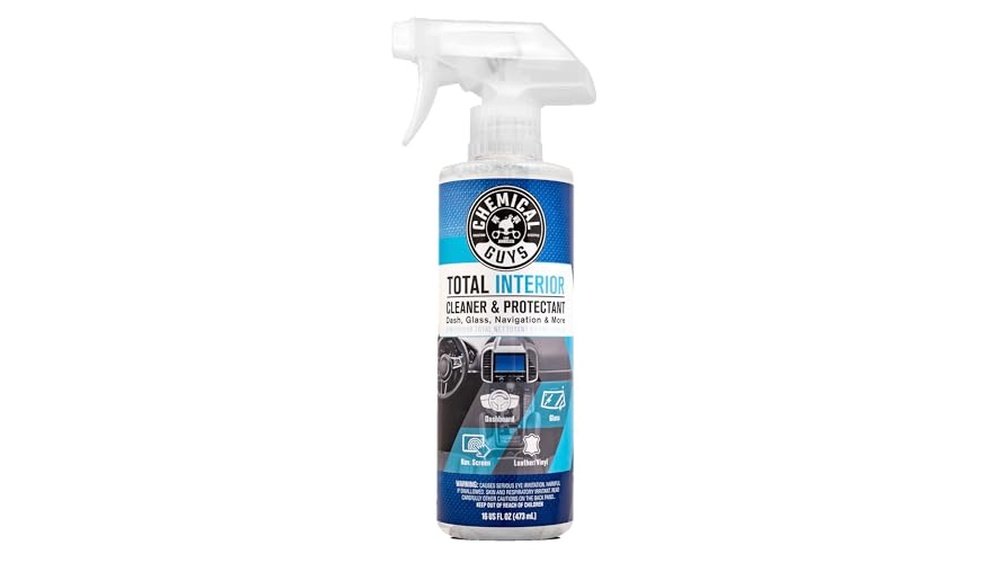
Specialized Screen Cleaners
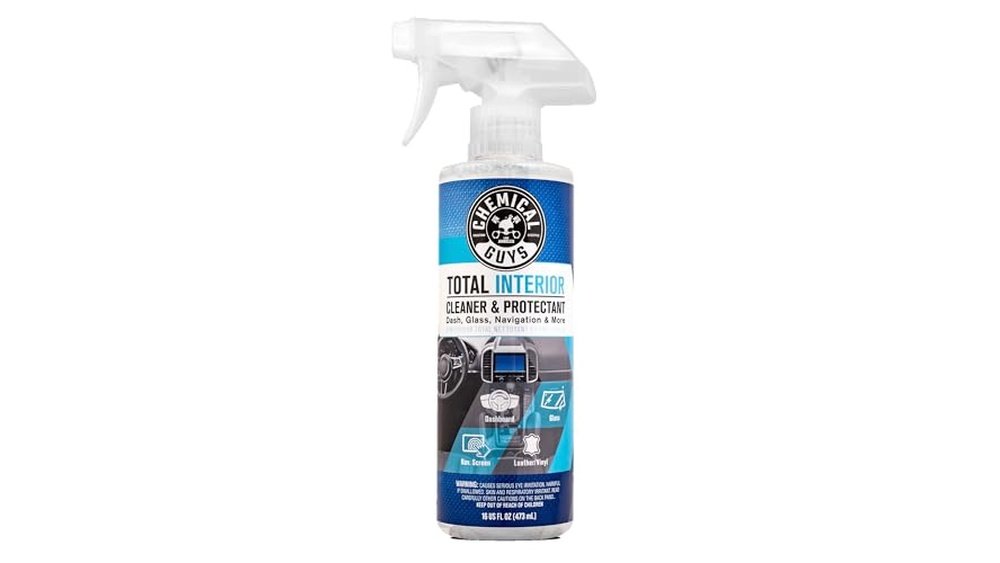
Touchscreens and display panels need special care. Use screen cleaners made for electronics. These cleaners remove fingerprints and smudges safely. Spray cleaner on a microfiber cloth, not directly on the screen. This stops moisture from seeping into the device. Clean screens regularly to keep them clear and responsive.
Tips To Protect Your Car While Cleaning
Protecting your car during cleaning keeps its surfaces safe and looking great. Careful steps prevent damage from harsh chemicals or improper methods. Use gentle products and proper techniques for best results.
Small efforts now avoid costly repairs later. Focus on areas that need special attention. Avoid rushing and follow guidelines carefully.
Testing On Small Areas First
Always test cleaning gel on a hidden spot first. This shows if the product harms the surface or leaves stains. Wait a few minutes to check for any damage. This simple step saves your car’s finish and interior.
Following Product Instructions
Read the label before using any cleaning gel. Use only the recommended amount to avoid residue build-up. Follow the time limits for leaving the gel on surfaces. Proper use ensures safe and effective cleaning every time.
Regular Maintenance To Prevent Build-up
Clean your car often to stop dirt from hardening. Regular care reduces the need for strong chemicals. Wipe surfaces gently to keep them smooth and shiny. Maintenance saves effort and protects delicate parts from damage.

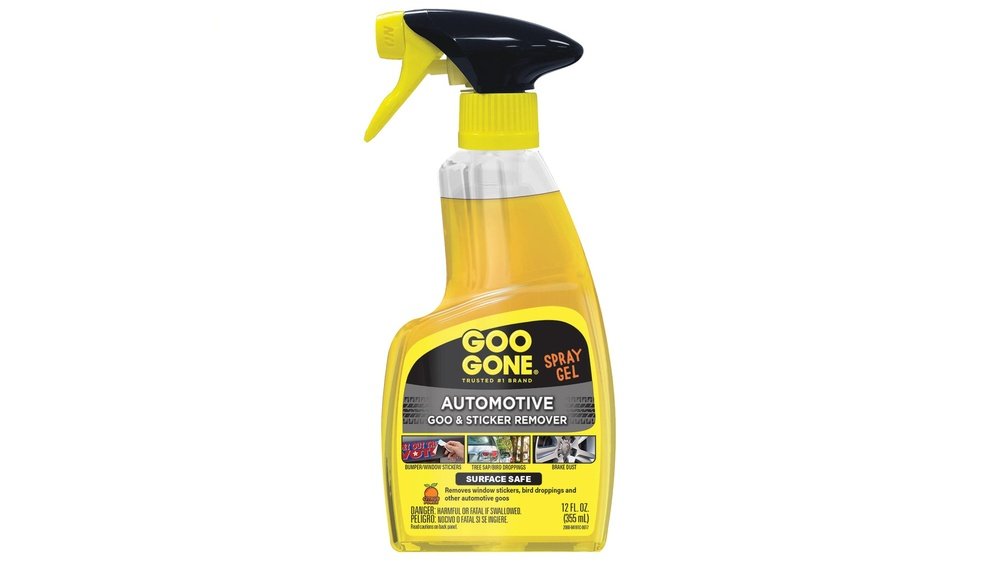
Credit: googone.com
Frequently Asked Questions
Is Car Cleaning Gel Any Good?
Car cleaning gel effectively removes dust and dirt from hard-to-reach areas. It works well on dashboards and vents but avoid using it on screens or delicate surfaces. Its pliability makes cleaning efficient, but suitability depends on your specific needs and surfaces.
What Cleaner Is Safe For All Dashboards?
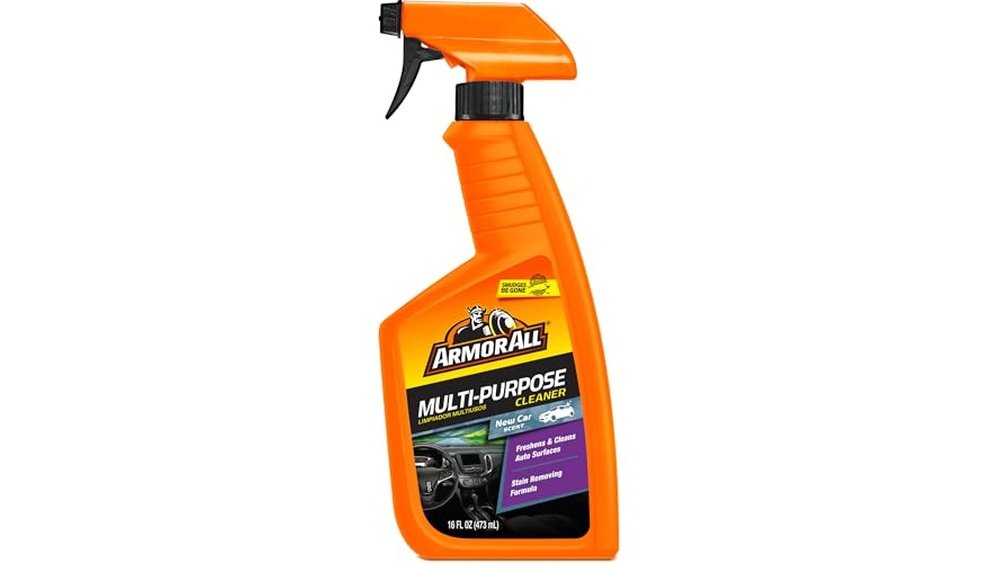
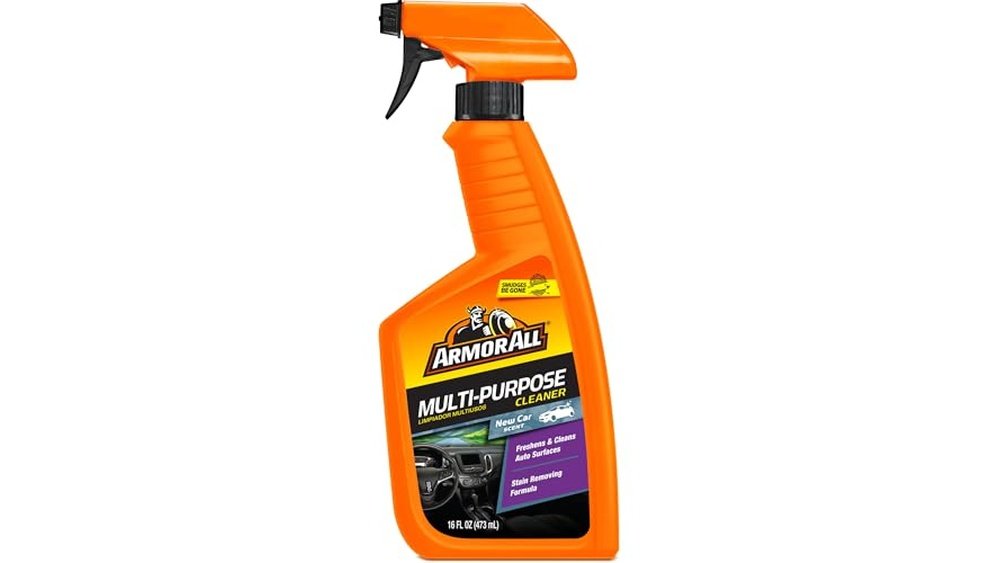
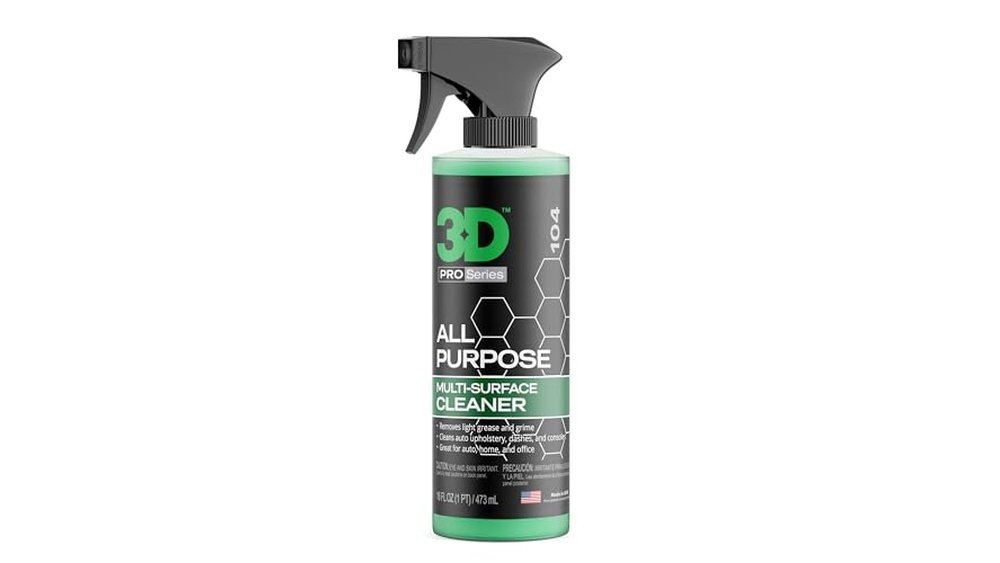
Use a gentle, all-purpose cleaner like Simple Green to safely clean all dashboard types without damage or residue.
What Is The Hardest Color Car To Maintain?
Black cars are the hardest to maintain. They show dirt, scratches, and swirl marks more clearly than other colors.
How Do Detailers Get Cars So Shiny?
Detailers clean, polish, and apply protective coatings using advanced products. These create a smooth, reflective surface that repels dirt and water, enhancing shine.
Conclusion
Avoid using car cleaning gel on delicate surfaces like leather or fabric. It can cause stains or damage textures. Do not apply it on painted areas or touchscreen displays. The gel might leave residue or harm protective coatings. Always test a small area first to ensure safety.
Choose cleaning methods suited for each surface type. Proper care helps keep your car looking its best. Use the right products to avoid costly repairs. Safe cleaning protects your investment and extends your car’s life.