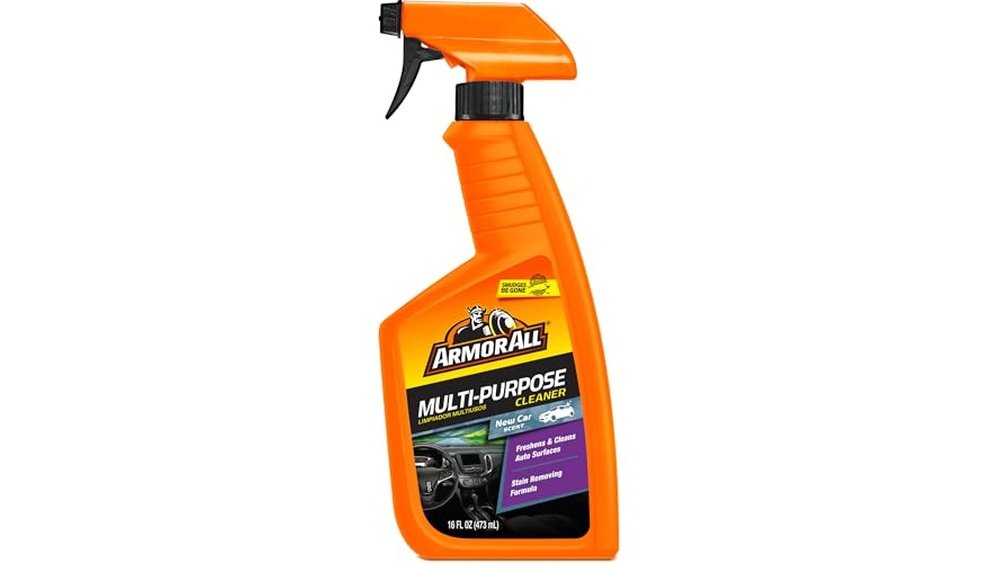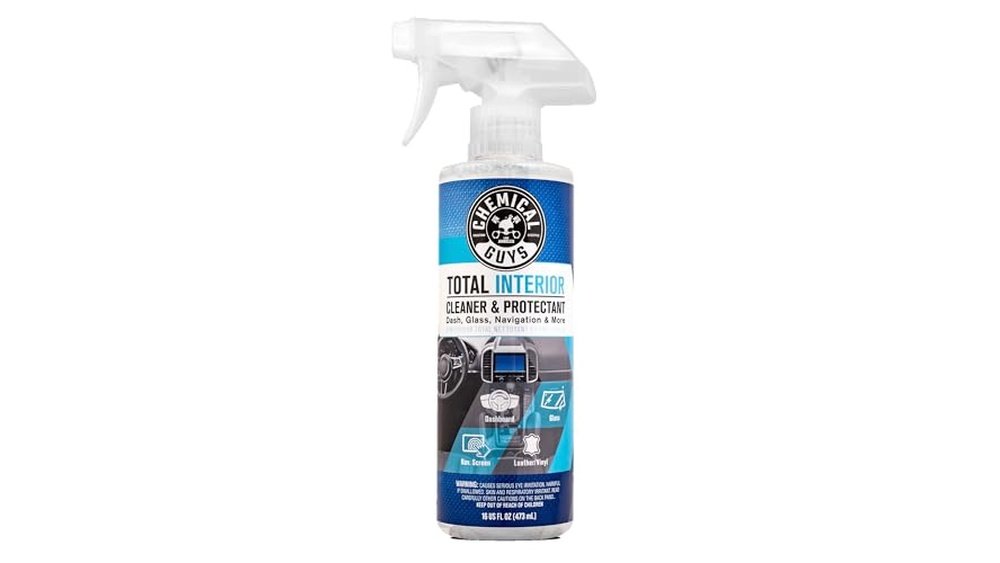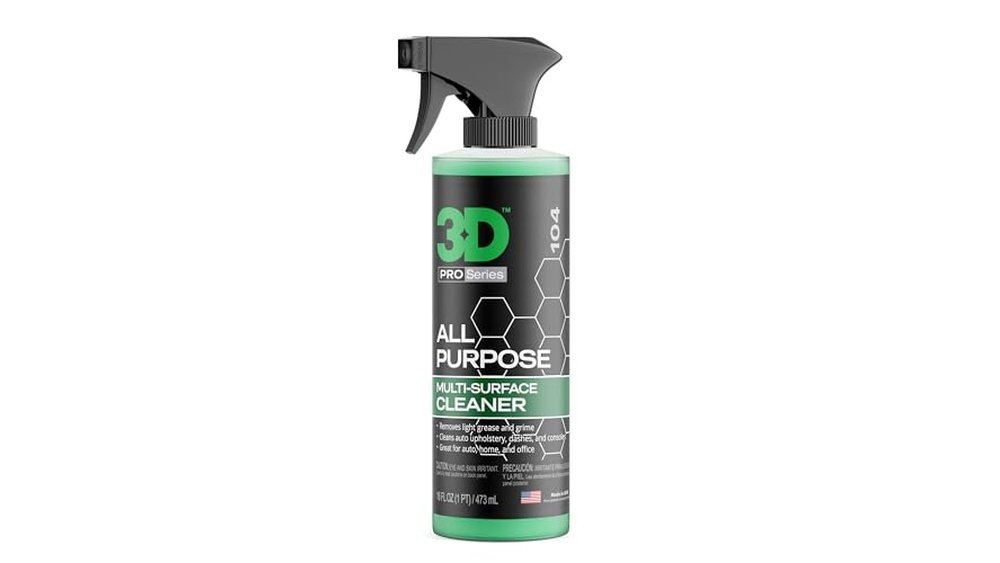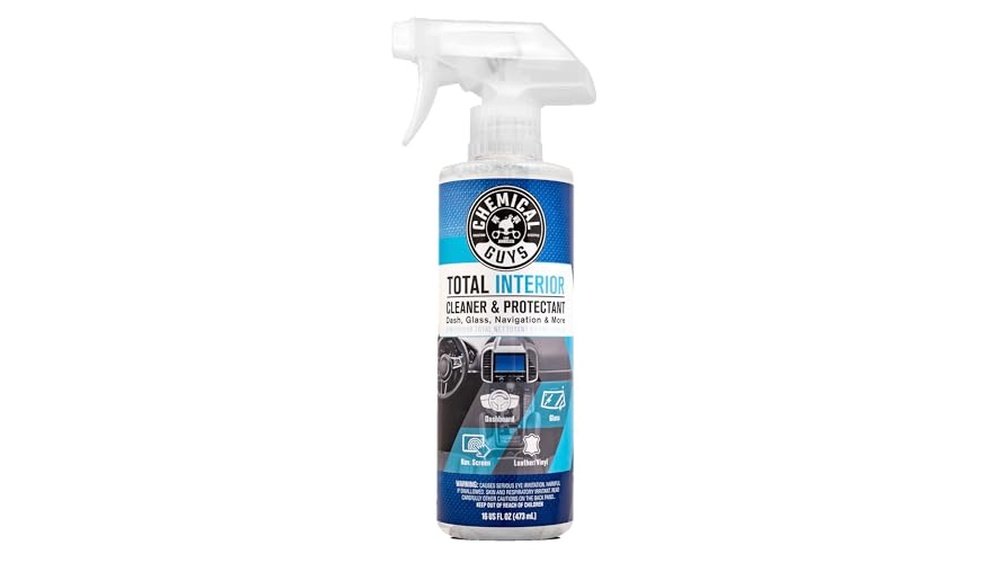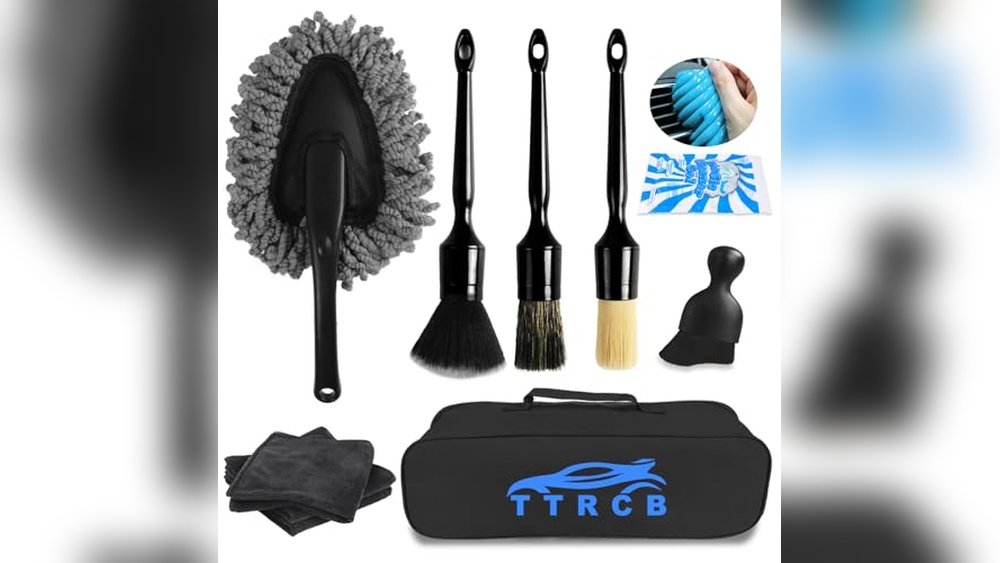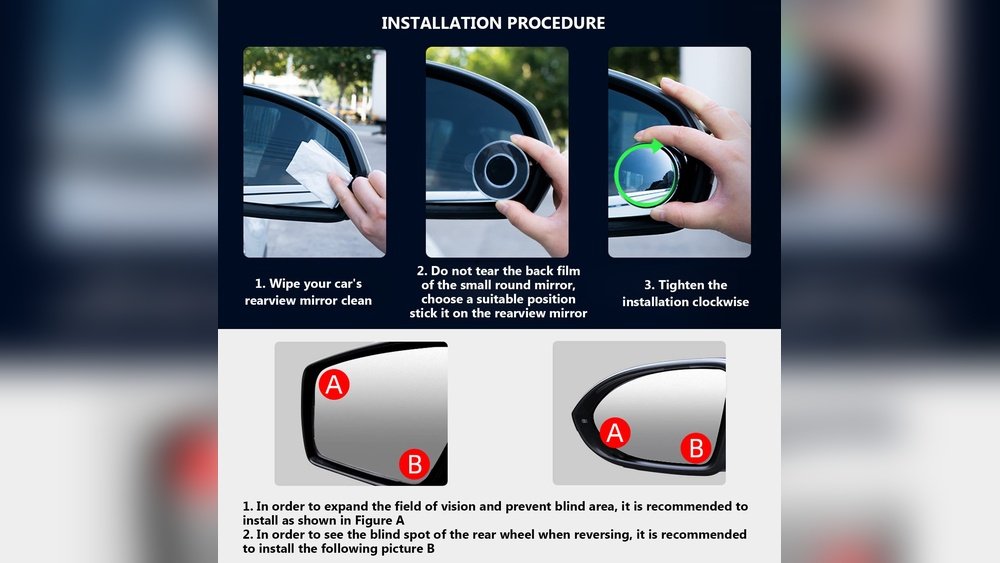
Keeping your car clean inside is not just about looks—it’s about comfort, hygiene, and even your health. Dust, crumbs, and sticky messes can build up fast, especially in places that are hard to reach. Traditional cleaning methods, like wipes or sprays, often miss tight spots around buttons, vents, and cup holders. This is where car cleaning gel comes in. It’s a simple, flexible tool that helps you remove dirt from every corner of your car’s interior, making cleaning faster and more effective.
In this guide, you’ll learn what makes car cleaning gels special, how they work, and which products stand out today. You’ll also get practical tips for using gels and keeping your car’s interior spotless. Whether you’re new to car care or looking to step up your cleaning game, you’ll find answers to common questions and expert advice you can use immediately.
What Is Car Cleaning Gel?
Car cleaning gel is a soft, sticky compound designed to pick up dust, dirt, and crumbs from small gaps and textured surfaces in your car’s interior. It feels like a mix between slime and putty, and it molds easily to the shapes of air vents, cup holders, gear shifts, and dashboard buttons.
Unlike sprays or vacuums, the gel physically lifts dirt as you press it into crevices. It’s especially helpful in places where brushes or cloths can’t reach. Most gels are reusable, non-toxic, and safe for plastic, rubber, and metal surfaces.
Main Benefits
- Reaches tight spaces: Perfect for vents, seams, and corners.
- Easy to use: No setup or special equipment required.
- Reusable: Many gels last for dozens of cleaning sessions.
- Reduces allergens: Removes dust, pollen, and hair.
- No mess: Leaves surfaces dry and residue-free.
How Car Cleaning Gel Differs From Other Tools
Traditional interior cleaning tools like microfiber cloths or brushes can’t always reach the smallest spaces. Sprays may leave moisture in electronics or cause streaks. Car cleaning gel is unique because it’s dry, flexible, and sticky enough to lift debris, not just push it around.
This makes it ideal for modern cars with textured dashboards and intricate controls.
How Does Car Cleaning Gel Work?
The science is simple but clever. Car cleaning gel uses a sticky, elastic polymer that traps dirt when pressed onto a surface. As you press and lift, the gel’s surface clings to dust, crumbs, and hair, pulling them out of textured plastic or rubber.
Step-by-step: Using Car Cleaning Gel
- Take a piece of gel: Pinch off a bit, about the size of a golf ball.
- Press onto surface: Gently press it onto the area you want to clean, like an air vent or button panel.
- Roll and lift: Roll or lift the gel away. Dirt sticks to the gel.
- Repeat as needed: Move to the next spot and repeat.
- Store properly: After use, put the gel back in its container to keep it fresh.
Key Features
- Elasticity: The gel stretches to fit irregular shapes.
- Stickiness: It’s sticky enough for dust, but not for skin or surfaces.
- Reusable: Most gels can be used until they change color or lose stickiness.
What Beginners Miss
Many first-time users press too hard or try to rub the gel. Gentle pressing is enough. Also, gels are not meant for wet or greasy surfaces—they work best on dry dust and crumbs.
Credit: googone.com
Best Car Cleaning Gel Products In 2026
Not all cleaning gels are the same. Some have better grip, longer life, or a pleasant scent. Others may be too soft, too sticky, or dry out quickly. Here’s a closer look at the top-rated cleaning gels you can buy this year, comparing their main features, price range, and user reviews.
| Product Name | Main Features | Price Range | User Rating | Unique Benefit |
|---|---|---|---|---|
| TICARVE Cleaning Gel | Reusable, light scent, bright color | $8–$12 | 4.5/5 | Safe for electronics |
| ColorCoral Cleaning Gel | Eco-friendly, lemon scent, good stretch | $7–$10 | 4.4/5 | Best for tight gaps |
| Matcc Car Cleaning Gel | Antibacterial, no residue, blue color | $9–$13 | 4.3/5 | Long-lasting |
| Cleaning Putty by Pulidiki | Reusable, non-toxic, floral scent | $6–$9 | 4.2/5 | Best value |
| Detailer’s Preference Gel | Fragrance-free, firm texture | $11–$14 | 4.1/5 | For sensitive noses |
Product Highlights
TICARVE Cleaning Gel stands out for its balance between stickiness and softness. It’s safe for most interior materials and doesn’t leave a smell. Users also love its bright color, which makes it easy to see dirt picked up.
ColorCoral Cleaning Gel is known for being eco-friendly and having a pleasant lemon scent. It’s especially good for vents and small buttons. If you have allergies, this gel helps reduce fine dust.
Matcc Car Cleaning Gel offers antibacterial properties, which can be a bonus if you’re worried about germs on high-touch surfaces like steering wheels and gear shifts.
Pulidiki Cleaning Putty is the best value for those who clean their car often. It’s non-toxic and comes in a larger tub, so it lasts longer.
Detailer’s Preference Gel is fragrance-free, making it ideal for people sensitive to strong smells. Its firmer texture helps it hold shape when cleaning larger surfaces.
Choosing The Right Product
When picking a cleaning gel, think about:
- Scent: Some people prefer fragrance-free, while others like fresh scents.
- Texture: A firmer gel works better for big surfaces, while a softer one is ideal for tight spots.
- Price and size: Consider how often you’ll use it and the size of the container.
How To Use Car Cleaning Gel Safely And Effectively
Getting the most out of your cleaning gel is not just about pressing and lifting. There are small tricks that make a big difference in results and gel lifespan.
Step 1: Prepare Your Car Interior
Remove large debris, wrappers, or trash. The gel works best on fine dust and crumbs, not big pieces.
Step 2: Test A Small Area
Try the gel on a hidden spot, like under a seat or on a less visible button. This checks for any unwanted reaction, especially on delicate surfaces.
Step 3: Clean Dry Surfaces Only
The gel loses stickiness if used on wet or greasy areas. Always dry surfaces before applying.
Step 4: Press Gently
Apply gentle pressure, especially on touchscreens or soft-touch plastics. Don’t rub or stretch too much, as this weakens the gel.
Step 5: Use In Sections
Work one section at a time—vent, cup holder, center console—so you don’t miss spots.
Step 6: Check Gel Condition
If the gel turns dark or loses stickiness, it’s time to replace it. Using dirty gel can spread dirt instead of removing it.
Step 7: Store Properly
Keep the gel in its original sealed container, away from heat and sunlight. This extends its life and prevents drying out.
Advanced Tips
- Fold the gel over itself after each use to keep the dirty side inside.
- Clean your gel by stretching and folding, but never wash it with water.
- Avoid using the same gel on multiple cars if you care about cross-contamination (e.g., if you detail cars for others).
Interior Surfaces: Where Car Cleaning Gel Works Best
Each part of your car’s interior needs a different approach. Here’s where car cleaning gel shines:
Air Vents
Vent slats collect dust that’s hard to reach with cloths or brushes. Press the gel gently between the slats, then lift away. Repeat until all dust is removed.
Dashboard Buttons And Knobs
Modern cars have many buttons, often with textured surfaces. The gel molds around these shapes and picks up dust and crumbs without leaving residue.
Cup Holders
Crumbs and sticky spills collect here. After removing large bits, press gel into the holder, especially into grooves and seams.
Door Pockets And Handles
Small debris often hides in door pockets. Use the gel to press into corners and seams, lifting out dirt that clothes miss.
Gear Shifts And Steering Wheel Details
Sweat, dust, and oils build up around gear shifters and steering wheels. Gel is safe for hard plastics and rubber, but avoid leather, as the gel may pull out dye.
Speaker Grilles
Speaker holes collect fine dust. Press the gel gently and lift—it pulls dirt out without damaging the mesh.
Infotainment Touchscreens (Use Caution)
Some gels are safe for screens, but always test first. Use very gentle pressure and never let gel stick to the edge, where it can leave bits behind.
| Interior Area | Gel Effectiveness | Special Instructions |
|---|---|---|
| Air Vents | Excellent | Press gently; repeat for best results |
| Buttons/Knobs | Excellent | Work one button at a time |
| Cup Holders | Good | Remove sticky spills first |
| Door Handles | Good | Check for wetness before using gel |
| Speaker Grilles | Very Good | Use light pressure only |
| Touchscreens | Limited | Test on a small area first |
Where Not To Use
- Leather seats or trim: Gel may pull color or leave residue.
- Cloth seats: The gel can get stuck and break apart.
- Wet or greasy surfaces: Stickiness is reduced, and the gel may break.
Interior Cleaning Tips: Beyond The Gel
While car cleaning gel is powerful for small spaces, it’s only part of a complete interior cleaning routine. Here’s how to keep your car looking and feeling fresh.
Regular Vacuuming
Vacuum before and after using cleaning gel. A vacuum removes bigger debris, while gel handles dust in tight spots. Use a small brush attachment for best results.
Wipe Down Surfaces
After gel cleaning, use a microfiber cloth with a gentle cleaner to wipe larger surfaces like dashboards, doors, and center consoles. This removes oils and fingerprints.
Don’t Forget Under Seats
This area gathers coins, crumbs, and wrappers. Move seats forward and back to reach all areas. Use the gel for rails and tracks.
Clean Mats And Carpets
Take out mats and vacuum thoroughly. For tough stains, use a carpet cleaner. Don’t use gel here—it’s not designed for fabric.
Air Out Your Car
Open windows after cleaning. This removes any lingering smells from cleaning products and helps the interior dry.
Organize As You Clean
Use the opportunity to remove trash, organize storage pockets, and replace air fresheners or cleaning wipes.

Credit: www.pandahub.com
Comparing Car Cleaning Gel To Other Interior Cleaning Tools
How does car cleaning gel stack up against other popular car cleaning tools? Let’s look at the key differences.
| Tool | Best For | Strengths | Weaknesses |
|---|---|---|---|
| Car Cleaning Gel | Tight spaces, dust removal | Reusable, easy to use, no residue | Not for wet/greasy or fabric surfaces |
| Microfiber Cloth | Large surfaces, general dust | Washable, safe for most surfaces | Misses tight gaps |
| Brushes | Vents, seams, logos | Good for detail cleaning | Can scatter dust |
| Vacuum | Seats, carpets, large debris | Strong suction, fast | Can’t reach tiny gaps |
| Sprays/Wipes | Stains, fingerprints | Quick, sanitizing | May leave streaks or moisture |
Common Mistakes And How To Avoid Them
Even the best product can disappoint if used incorrectly. Here are mistakes to avoid:
- Using on wet surfaces: Moisture ruins the gel’s stickiness.
- Pressing too hard: Can push gel into cracks or damage buttons.
- Trying to clean large debris: Pick up big crumbs or trash first.
- Using on fabric or leather: Risk of residue or color loss.
- Not storing properly: Leaving gel open dries it out quickly.
Pro tip: If your gel gets too dirty or sticky, it’s time for a new one. Don’t try to wash it with water—this will ruin its texture.
How Long Does Car Cleaning Gel Last?
A typical tub of car cleaning gel lasts for 10–30 uses, depending on the size of your car and how dirty it is. When the gel turns dark gray or loses stickiness, replace it.
- Storage life: Up to a year if kept sealed.
- Usage life: Several weeks to months with regular use.
- Cost per use: Usually less than $1 per session.
Is Car Cleaning Gel Safe?
Most modern gels are non-toxic, biodegradable, and safe for most plastic, metal, or rubber surfaces. However, always check the label for warnings, especially if you have allergies or sensitive skin.
Keep out of reach of children and pets. The gel is not a toy or food.
Non-obvious Insights For Beginners
- Don’t use the same gel for both car and home electronics. Cross-contamination can move bacteria or allergens between places.
- If you use gel in a hot climate, store it in a cooler area. Heat can melt or dry out the gel quickly.
When To Replace Your Cleaning Gel
- If the gel becomes dark or sticky.
- If it begins to smell bad.
- If it leaves residue behind.
- If it no longer lifts dust effectively.
Environmental Impact
Many cleaning gels are now made with eco-friendly materials and are biodegradable. Always dispose of used gel according to the instructions on the packaging—never wash it down the drain.
For more information on the science behind cleaning gels, you can check out this Wikipedia page about polymers.
Frequently Asked Questions
How Often Should I Use Car Cleaning Gel?
You can use car cleaning gel once a week for regular maintenance. If you drive in dusty areas or have kids and pets, you might use it more often. Replace the gel when it gets dirty or loses stickiness.
Can Car Cleaning Gel Damage My Car’s Interior?
Car cleaning gel is safe for most plastics, rubber, and metal. Avoid using it on leather, fabric, or wet areas. Always test on a small hidden spot before full use.
Is Car Cleaning Gel Reusable?
Yes, most gels are reusable until they change color or lose their stickiness. Store the gel in a sealed container to extend its life.
What Should I Do If The Gel Gets Stuck In A Vent Or Crack?
If a piece of gel breaks off, use a toothpick or tweezers to gently remove it. Prevent this by pressing gently and not forcing the gel into narrow spaces.
Can I Use Car Cleaning Gel On Home Electronics?
Some gels work on keyboards and remotes, but don’t use car cleaning gel on both car and home devices. This avoids spreading germs or dirt between places.
Keeping your car clean doesn’t have to be hard. With the right car cleaning gel and a smart cleaning routine, you can enjoy a fresh, comfortable drive every day. Remember, small habits make a big difference in how your car looks, feels, and even smells. Give car cleaning gel a try, and you might never go back to your old cleaning tools!