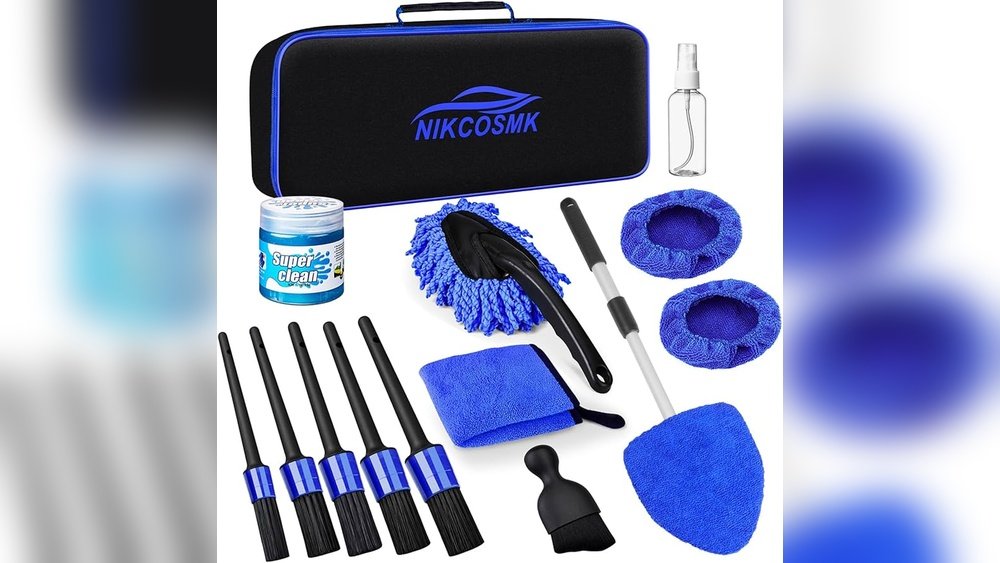
When it comes to keeping your car’s interior spotless, you might be wondering which tool gives you the best results: car cleaning gel or a detailing brush? You want a deep clean that reaches every nook and cranny, without spending hours or risking damage to delicate surfaces.
Choosing the right product can make your cleaning routine easier, faster, and more effective. You’ll discover the key differences between car cleaning gel and detailing brushes, learn which one suits your needs best, and get insider tips to make your car shine like new.
Keep reading to find out which tool will transform your car cleaning game for good!
Car Cleaning Gel Basics
Understanding the basics of car cleaning gel helps you decide if it fits your car care routine. This gel offers a different way to clean tight spots and tricky areas inside your vehicle. It works well alongside or as an alternative to traditional tools like detailing brushes.
Car cleaning gel is soft and moldable, making it easy to reach cracks and crevices. It lifts dust and dirt without harsh scrubbing or damaging surfaces. Knowing its features and uses can guide you in choosing the right cleaning tool for your car.
What Is Car Cleaning Gel
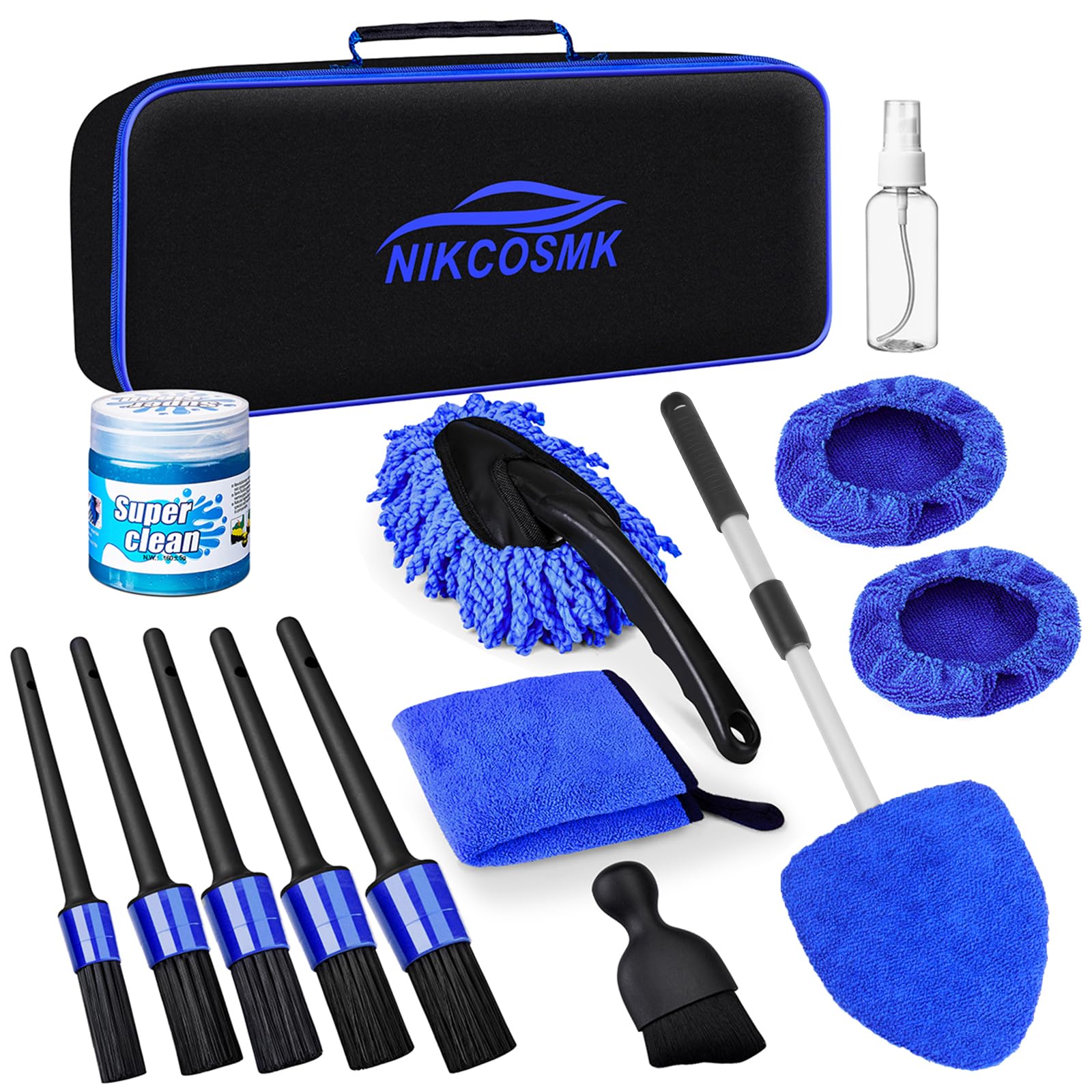
Car cleaning gel is a sticky, pliable substance designed to pick up dirt. You press it onto surfaces and pull it away, taking dust and crumbs with it. It can reach areas that cloths and brushes may miss.
Key Features And Benefits
The gel is reusable and easy to handle. It does not scratch or harm delicate parts inside the car. It absorbs dust quickly and fits into small spaces like air vents and seams. The gel also works quietly and without much effort.
Common Uses In Car Detailing
This gel cleans dashboards, vents, cup holders, and gear shifts. It removes dust from buttons and screens without leaving residue. Many car owners use it for fast, detailed cleaning between full washes. It complements other tools by reaching hard-to-clean spots.
Credit: www.amazon.com
Detailing Brush Essentials
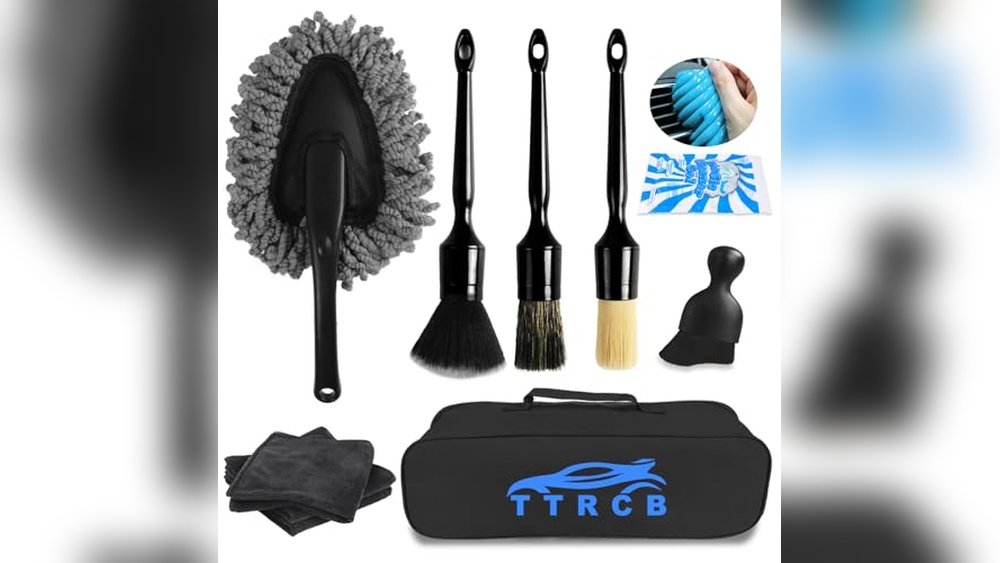
Detailing brushes are key tools for car cleaning and maintenance. They reach tight spots that cloths or gels cannot access. Using the right brush helps remove dirt and dust gently. Brushes work well with cleaning solutions to lift grime from surfaces. Their design allows careful cleaning without causing scratches or damage.
Choosing the correct brush depends on the task and area to be cleaned. Small brushes fit well in vents and seams. Larger brushes cover broad areas like dashboards and door panels. Understanding brush types and materials ensures better cleaning results.
Types Of Detailing Brushes
Detailing brushes come in several types. Soft-bristle brushes suit delicate surfaces like leather and vinyl. Medium-bristle brushes work well on carpets and floor mats. Stiff-bristle brushes help remove stubborn dirt on tires and engine parts. Some brushes have angled heads for hard-to-reach areas.
Specialty brushes include wheel brushes, upholstery brushes, and vent brushes. Each type targets specific cleaning needs. Knowing which brush to use improves cleaning efficiency and protects surfaces.
Materials And Design
Brush bristles vary in material and length. Nylon bristles are common for their durability and softness. Natural bristles offer gentle cleaning but wear faster. Handles are usually plastic or wood, designed for a comfortable grip. Some brushes feature ergonomic handles for better control.
Brush size affects cleaning precision. Smaller brushes fit tight spaces. Larger brushes cover bigger surfaces quickly. The shape of the brush head also influences its use. Round heads clean curved areas; flat heads work well on flat surfaces.
Areas Ideal For Brush Use
Detailing brushes excel in cleaning vents, seams, and crevices. They reach between buttons and knobs on dashboards. Brushes clean stitching and folds in car seats without damage. They remove dust from speaker grills and air vents.
Brushes are perfect for cleaning floor mats, carpets, and door jambs. They help scrub dirt from tire treads and wheel rims. Brushes also assist in engine bay cleaning by loosening dirt in tight spots. Their versatility makes them essential for thorough car care.
Performance Comparison
Comparing the performance of car cleaning gel and detailing brushes helps choose the right tool. Both have strengths and limitations that affect cleaning results. Understanding their differences in key areas improves car care.
Effectiveness In Tight Spaces
Car cleaning gel easily reaches small gaps and crevices. It molds into shapes and picks up dust and dirt. Detailing brushes offer control to target specific spots. Their bristles can reach corners but may miss very narrow gaps. Gel works better for irregular tight spaces, while brushes suit slightly larger areas.
Surface Safety And Scratch Risks
Cleaning gel is soft and unlikely to scratch surfaces. It is gentle on plastic, vinyl, and screens. Brushes vary in bristle firmness. Soft-bristled brushes protect paint and delicate parts. Hard bristles might cause micro scratches if used roughly. Gel provides safer cleaning for fragile surfaces.
Ease Of Use And Application
Gel requires no special technique. Press, lift, and discard. It is quick and mess-free. Brushes need more skill to avoid damage. They require rinsing and drying after use. Brushes allow more control but take longer. Gel is simple and fast for everyday cleaning.
Cleaning Versatility
Cleaning versatility defines how well a product handles various car cleaning tasks. It affects the ease and quality of cleaning both inside and outside your vehicle. Car cleaning gel and detailing brushes offer unique strengths. Understanding their versatility helps you choose the right tool for each job.
Interior Surfaces And Components
Car cleaning gel excels at reaching tight spots inside the car. It molds to fit small crevices, vents, and buttons. The gel lifts dust and crumbs without scratching surfaces. Detailing brushes work well on textured surfaces like dashboards and upholstery. They remove dirt trapped in fabric and seams. Brushes offer control to clean around knobs and edges precisely.
Exterior Detailing Tasks
Detailing brushes are ideal for exterior cleaning tasks. They scrub dirt from grills, wheels, and badges effectively. The bristles reach uneven surfaces and crevices. Car cleaning gel is less useful outside. It cannot handle large or heavily soiled areas well. Brushes provide stronger scrubbing power for stubborn grime on the car’s exterior.
Handling Different Dirt Types
Car cleaning gel works best on loose dust and light debris. It absorbs particles without spreading them around. Detailing brushes handle tougher dirt, such as mud and grease. They break up grime with firm bristles and cleaning solutions. Using brushes and gel together covers a wide range of dirt types. This combination enhances overall cleaning performance.
Durability And Maintenance
Durability and maintenance are key factors when choosing between car cleaning gel and a detailing brush. Understanding how long each tool lasts and how to care for it can save money and improve cleaning results. Both tools need proper upkeep to stay effective and safe for your vehicle.
Lifespan Of Cleaning Gel
Car cleaning gel is soft and pliable but wears out fast. It loses stickiness after a few uses. Dirt and dust get trapped inside, reducing its cleaning power. Usually, a jar lasts a few weeks with regular use. Avoid exposing the gel to heat or sunlight, as it can dry out quickly. Replace the gel regularly to prevent spreading dirt.
Brush Care And Longevity
Detailing brushes last longer with proper care. Rinse the brush after each use to remove dirt and grime. Use mild soap and water to clean bristles thoroughly. Avoid harsh chemicals that can damage the bristles. Store brushes in a dry place to prevent mold and deformation. Well-maintained brushes can last several years.
Cost And Value Over Time
Cleaning gel costs less upfront but needs frequent replacement. Over time, buying multiple jars adds up. Detailing brushes have a higher initial price but last longer. This makes brushes more cost-effective in the long run. Consider how often you clean your car to decide which offers better value. Quality tools save money and improve cleaning results.
User Experience And Feedback
User experience and feedback provide valuable insight into how car cleaning gel and detailing brushes perform in real-life situations. Both tools have unique qualities that appeal to different users. Understanding these perspectives helps choose the best option for specific cleaning needs.
Professional Detailer Insights
Professional detailers often prefer detailing brushes for their precision. The brushes reach small crevices and vents easily. They allow careful cleaning without causing damage.
Many pros use car cleaning gel as a quick solution for dust and dirt. The gel picks up particles from dashboards and screens efficiently. It is handy but less thorough than brushes for deep cleaning.
Detailers agree that brushes require skill and patience to avoid scratches. Gel is simpler to use but may not remove stubborn grime. Both tools have their place in a professional’s kit.
Diy Enthusiast Opinions
DIY users appreciate the gel for its ease and speed. It works well on flat and textured surfaces. People like that gel does not need water or extra cleaners.
Detailing brushes get praise for their versatility. Enthusiasts enjoy the control and precision they offer. Some find brushes more satisfying for a deep clean experience.
Users note that gels can get messy if not handled carefully. Brushes require regular cleaning to stay effective. Personal preference often guides the choice between the two.
Common Challenges And Tips
Both tools come with challenges. Gel can leave residue if pressed too hard or overused. It should be used gently and replaced when dirty.
Brushes risk scratching delicate surfaces if bristles are too stiff. Use soft-bristled brushes and test in small areas first.
Combining both tools can improve results. Start with gel for dust removal, then use brushes for detailed cleaning. Regular maintenance keeps tools working well.
Choosing The Right Tool
Choosing the right tool for cleaning your car’s interior can improve your results and save time. Both car cleaning gel and detailing brushes have unique strengths. Understanding when to use each helps you clean more effectively. Consider your cleaning needs, budget, and the areas you want to target.
When To Use Gel Vs Brush
Car cleaning gel works best on flat surfaces and hard-to-reach crevices. It picks up dust and dirt quickly without scratching. Use gel on dashboards, vents, and small gaps.
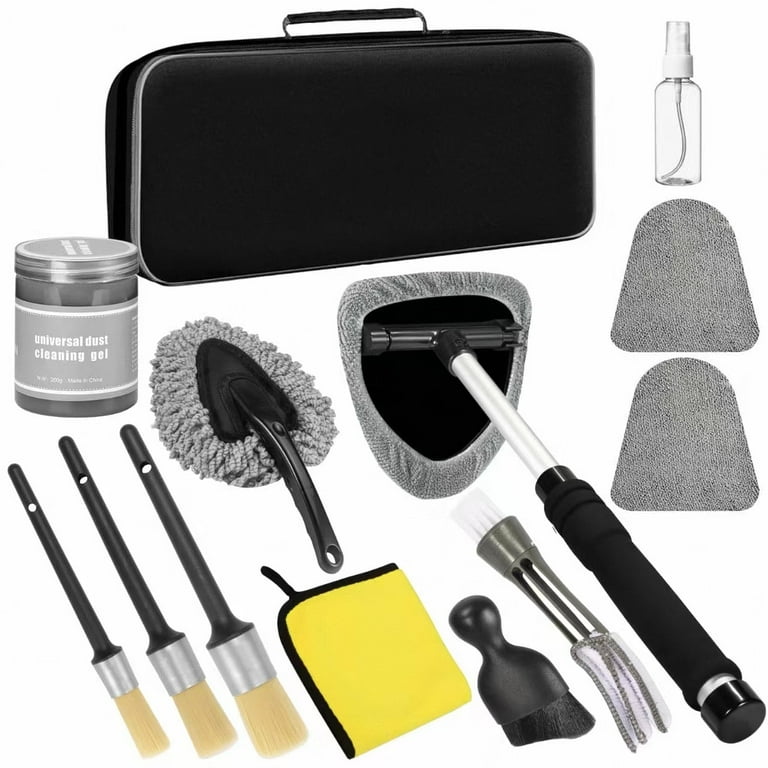
Detailing brushes excel at scrubbing and loosening stubborn grime. Their bristles reach into textured surfaces and corners. Use brushes on fabric seats, floor mats, and around buttons.
Combining Both For Best Results
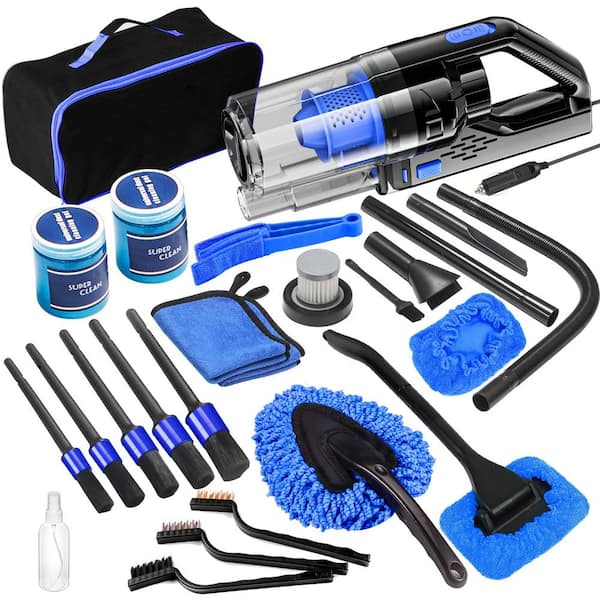
Use gel first to lift loose dust and particles. Follow with a detailing brush to scrub away tough dirt. This combo cleans more thoroughly than using either tool alone.
Switch tools as needed during cleaning. Gel clears delicate areas, and brushes tackle rough spots. Together, they cover your car’s interior fully.
Budget And Availability Considerations
Cleaning gel often costs less and requires no replacement parts. It lasts through many uses if stored properly. Brushes can be more expensive but last long with care.
Both tools are widely available online and in auto stores. Choose based on your budget and how often you clean your car. Sometimes owning both is worth the investment.
Credit: www.homedepot.com
Credit: www.walmart.com
Frequently Asked Questions
What Do Professional Detailers Use To Wash Cars?
Professional detailers use high-quality car shampoo, microfiber towels, clay bars, polishing compounds, and durable wax or sealants to wash cars effectively.
Is Car Cleaning Gel Any Good?
Car cleaning gel effectively removes dust and dirt from tight spaces. It’s flexible, reusable, and complements brushes for thorough interior cleaning.
Are Car Detailing Brushes Worth It?
Car detailing brushes are worth it. They reach tight spots, loosen dirt, and enhance cleaning effectiveness for a thorough detail.
How Do Detailers Get Cars So Shiny?
Detailers use quality shampoos, clay bars, and polishing compounds to clean and smooth paint. They apply wax or sealants that bond and repel dirt, creating a shiny, protected surface. Precision tools and microfiber towels help achieve a deep, streak-free shine on cars.
Conclusion
Choosing between car cleaning gel and a detailing brush depends on your needs. Gel works well for dust and small dirt in tight spots. Brushes reach deep into crevices and remove stubborn grime. Both tools help keep your car’s interior clean and fresh.
Use gel for quick, gentle cleaning and brushes for thorough scrubbing. Having both can make your car care easier and more effective. Remember, regular cleaning protects your car and keeps it looking great longer. Simple tools, better results.