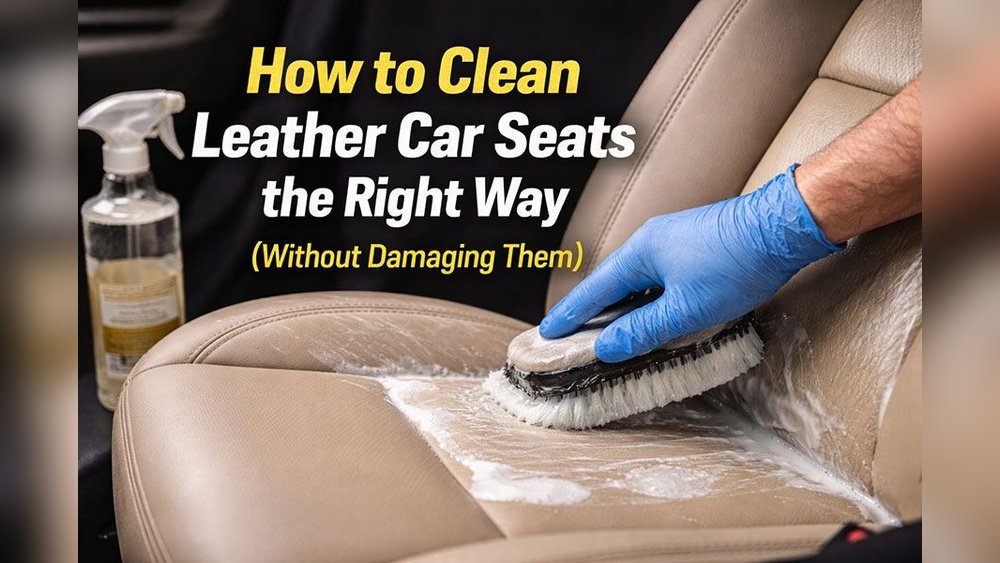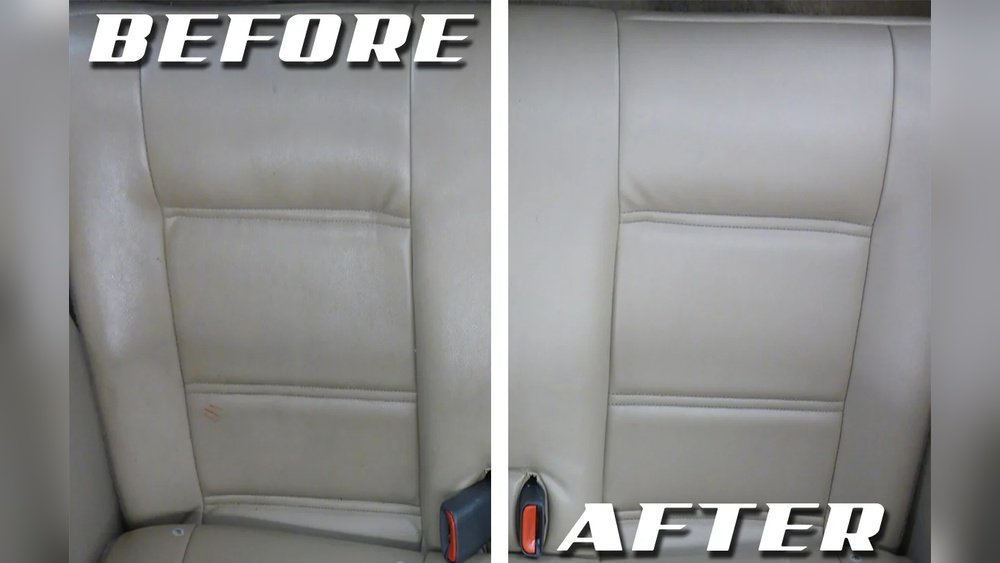
Leather car seats add style and comfort to your car. But keeping them in good condition is not as easy as it seems. Without proper care, leather can crack, fade, or lose its softness. Many car owners want their seats to look new for years, but they often make mistakes when cleaning or conditioning leather.
This guide shows you how to condition leather car seats properly, so you can protect your investment and enjoy a clean, comfortable ride. You’ll learn what products to use, how to clean before conditioning, and how to avoid common mistakes that lead to damage.
Why Conditioning Leather Car Seats Matters
Leather is a natural material that needs regular care. Over time, heat, sunlight, dirt, and even body oils can dry out leather. When leather dries, it becomes stiff and may crack. Conditioning helps by keeping the leather soft, flexible, and protected from wear.
Car seats face special challenges:
- Direct sunlight can fade color and dry leather quickly.
- Temperature changes cause leather to expand and contract, stressing the material.
- Sweat and oils from skin break down the surface and cause stains.
- Dirt and dust scratch the leather and make it look dull.
Conditioning creates a barrier that locks in moisture and protects against these threats. Studies show that regular conditioning can extend the life of leather by 40% or more.
How Often Should You Condition Leather Car Seats?
The right frequency depends on your climate, car usage, and seat color. For most cars, conditioning every 3–6 months is enough. In hot, dry climates, do it every 2–3 months. If your car is parked outside or used daily, condition more often.
Light-colored seats show dirt and aging faster, so they need more care. Dark seats hide wear but can still dry out. Always check the manufacturer’s recommendations for your car model.
Credit: www.autodetaildoctor.com
What You Need Before Conditioning
Gather these items before starting:
- Vacuum cleaner (with soft brush)
- Microfiber cloths
- Leather cleaner (pH-balanced)
- Leather conditioner (water-based, non-silicone)
- Soft applicator sponge
- Protective gloves (optional)
- Bucket of clean water
Many beginners skip the cleaning step and apply conditioner directly. This traps dirt under the conditioner, making seats look dull and causing long-term damage. Always clean first.
Step-by-step Process For Conditioning Leather Car Seats
Follow these steps for the best results:
1. Vacuum And Clean The Seats
Use a vacuum cleaner with a soft brush to remove dust and debris. Pay attention to seams and folds, where dirt hides. Wipe the seats with a damp microfiber cloth to pick up fine particles.
Do not use household cleaners or soap. They can strip away natural oils and damage leather. Choose a pH-balanced leather cleaner designed for car seats.
2. Test The Cleaner And Conditioner
Test both products on a small, hidden area. Wait 10–15 minutes to check for color changes or reactions. If safe, continue.
Many people skip this test and regret it later when seats discolor or become sticky.
3. Apply Leather Cleaner
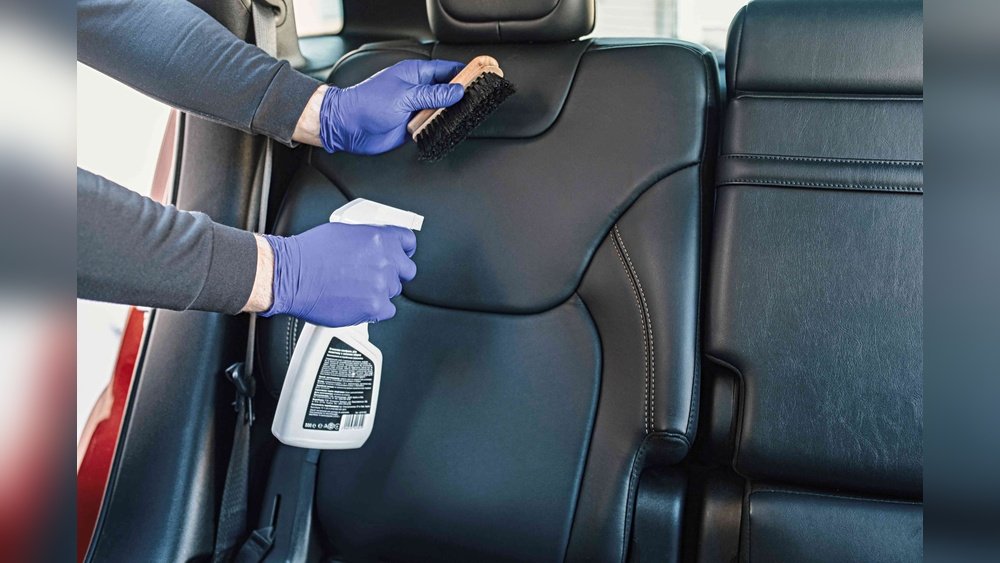
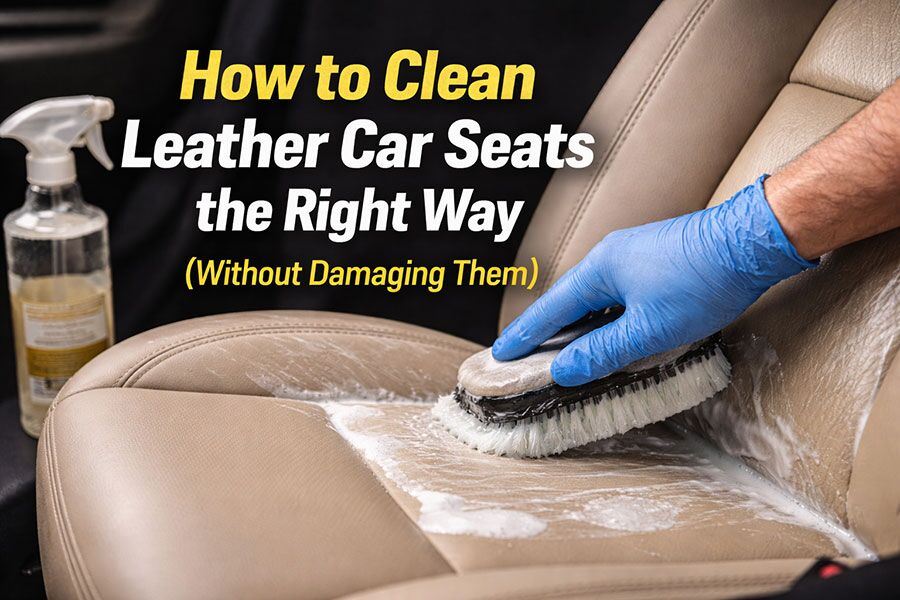
Spray or pour a small amount of leather cleaner onto a microfiber cloth (not directly on the seat). Gently rub the leather in circular motions. Clean one section at a time.
For tough stains, use a soft sponge but never scrub hard. Rinse the cloth often in clean water.
4. Let Seats Dry Completely
After cleaning, let the seats air dry for at least 30 minutes. Do not use heat guns or hair dryers. Heat causes leather to shrink and crack.
5. Apply Leather Conditioner
Pour a small amount of conditioner onto a clean applicator sponge. Spread it over the seat in thin, even layers. Use gentle, circular motions.
Do not overuse conditioner. Too much makes the leather sticky and attracts dust. Focus on dry, cracked areas.
Wait 10–15 minutes for the conditioner to soak in. Buff the seat with a dry microfiber cloth to remove excess and polish the surface.
6. Repeat Every Few Months
Conditioning is not a one-time fix. Repeat this process every 3–6 months. If you spill drinks or sweat heavily on the seats, clean and condition sooner.
Choosing The Right Leather Conditioner
Not all conditioners are equal. Some contain silicone, wax, or oils that leave a shiny but sticky finish. Others have harsh chemicals that dry out leather over time.
Look for these features:
- Water-based formula (safe for most leather)
- PH-balanced (prevents damage)
- No silicone or wax (avoids sticky surface)
- Added UV protection (helps prevent fading)
- Brand reputation (choose trusted brands)
Avoid products labeled “all-purpose” or “for vinyl. ” They can ruin leather seats.
Here’s a comparison of popular conditioner types:
| Type | Pros | Cons |
|---|---|---|
| Water-based | Safe, non-sticky, keeps leather soft | May need more frequent application |
| Oil-based | Deep conditioning, restores shine | Can attract dust, may stain light leather |
| Silicone-based | Quick shine, repels water | Leaves sticky residue, not recommended |
Common Mistakes When Conditioning Leather Car Seats
Many car owners make mistakes that harm their seats. Here are some to avoid:
- Using too much conditioner: This causes buildup and sticky seats.
- Skipping cleaning: Applying conditioner to dirty leather locks in grime.
- Using harsh chemicals: Bleach, ammonia, and strong detergents damage leather.
- Applying conditioner directly: Always use a cloth or sponge.
- Not testing products: Different leathers react differently.
- Using heat to dry: Heat speeds up cracking.
- Ignoring seams and folds: Dirt hides here and ruins stitching.
A surprising insight: Many luxury car brands use special leather with protective coatings. These coatings may react poorly to regular conditioners. Always check your car manual for recommended products.
How To Spot Signs Your Leather Needs Conditioning
Leather seats show signs of aging and neglect. Look for these warning signs:
- Dry, rough surface
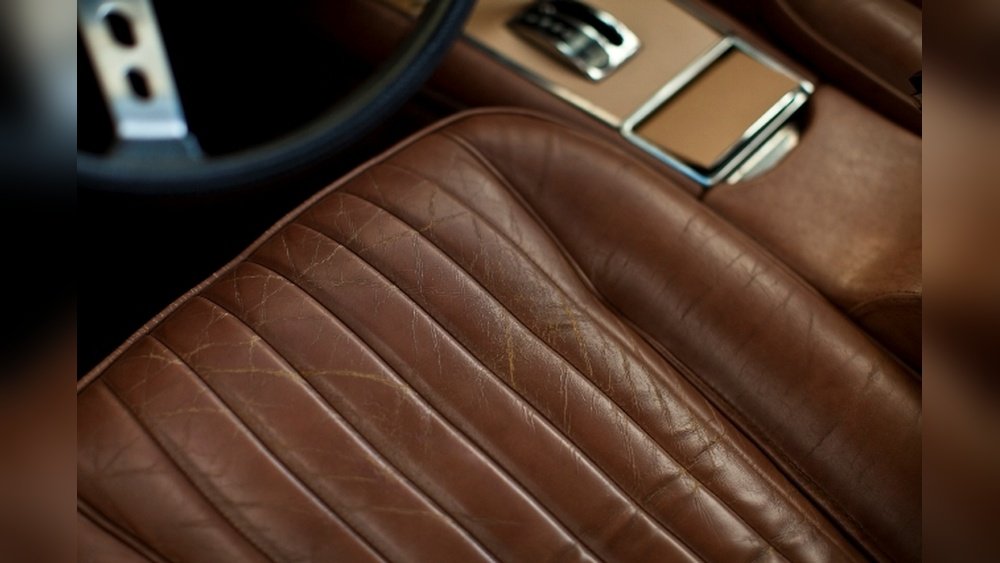
- Visible cracks
- Fading color
- Stiffness
- Unpleasant odor
If you see these, condition the seats immediately. Well-conditioned leather feels soft and warm, not sticky or cold.
Tips For Keeping Leather Car Seats In Top Condition
Conditioning is just one part of leather care. Follow these extra tips:
- Use sunshades: Protect seats from UV rays.
- Park in shade: Reduces heat and drying.
- Clean spills quickly: Prevents stains and odors.
- Avoid sharp objects: Keys and tools scratch leather.
- Use seat covers: For extra protection in harsh weather.
- Maintain humidity: Dry air speeds up cracking.
An often-missed tip: Rotate your seats if possible (front to back). This spreads wear evenly and extends seat life.
:max_bytes(150000):strip_icc()/how-to-clean-leather-car-seats-5204366-07-7bd9d1ef3e474a24ae1cdbf932a789e2.JPG)
Credit: www.thespruce.com
The Science Behind Leather Conditioning
Leather is made from animal hides, which contain collagen fibers. These fibers give leather strength and flexibility. When leather dries, collagen breaks down, causing stiffness and cracks.
Conditioners work by replacing lost moisture and oils. They fill gaps in the fibers, restoring softness and preventing further damage. Some conditioners add UV blockers to protect color.
Research shows that conditioned leather resists wear up to 50% better than untreated leather. This is why luxury car makers recommend regular conditioning.
Diy Vs Professional Conditioning: What’s Best?
You can condition leather seats yourself or hire a professional detailer. Both options have pros and cons.
| Method | Cost | Quality | Time |
|---|---|---|---|
| DIY | Low ($20–$50 per session) | Good (if you follow instructions) | 1–2 hours |
| Professional | High ($100–$300 per session) | Excellent (deep cleaning, expert care) | 2–4 hours |
DIY is best for routine conditioning. Professionals are good for deep cleaning, fixing stains, or restoring heavily damaged seats.
A hidden benefit: Professionals use tools and products not available to the public, like steam cleaners and specialized conditioners. If your seats are badly cracked or stained, consider professional help.
How Conditioning Affects Leather Car Seat Value
Well-maintained leather seats increase your car’s resale value. Buyers often check seat condition before making a deal. A survey by Kelley Blue Book found that cars with clean, conditioned leather seats sell for 10–15% more than those with cracked or stained seats.
If you plan to sell or trade your car, regular conditioning is one of the best ways to protect its value.
Conditioning For Different Types Of Leather
Car seats use several types of leather. Each needs a different approach.
Full Grain Leather
This is the highest quality leather, used in luxury cars. It has a natural look and feel.
- Use gentle cleaners and conditioners.
- Avoid harsh chemicals.
- Condition every 3–4 months.
Top Grain Leather
Common in mid-range cars. It is slightly processed for durability.
- Use water-based conditioners.
- Clean every 2–3 months.
Corrected Grain Leather
Lower quality, with a synthetic coating.
- Use conditioners with UV protection.
- Clean monthly.
Synthetic Or Faux Leather
Looks like real leather but made from plastics.
- Do not use leather conditioner.
- Clean with mild soap and water.
A key insight: Many new cars use coated leather that resists stains but needs special conditioners. Always check your owner’s manual.
How To Remove Tough Stains Before Conditioning
Some stains need extra attention. Here’s how to handle common problems:
- Ink stains: Dab with rubbing alcohol and a cotton swab. Do not rub hard.
- Grease stains: Sprinkle baking soda, let sit 2 hours, then vacuum.
- Food stains: Clean with diluted vinegar (1 part vinegar, 2 parts water).
- Dye transfer (from clothes): Use a leather-safe stain remover.
Never use bleach or strong detergents. These can ruin leather.
How To Condition Leather Car Seats In Hot Or Humid Climates
Hot weather dries out leather faster. Here’s how to protect seats:
- Condition every 2–3 months.
- Use conditioners with added UV protection.
- Park in shade or use sunshades.
- Avoid leaving windows open; humid air encourages mold.
In humid climates, leather may become sticky or musty. Use conditioners that prevent mold and mildew.

Credit: www.fibrenew.com
Practical Examples: Real-life Leather Conditioning
Let’s look at a real example. A 2015 BMW owner in Texas noticed cracks and fading on the driver’s seat. After cleaning and conditioning every 2 months, the seat regained its softness and color within 6 months.
Another example: A Honda owner spilled coffee on a light leather seat. By cleaning quickly and conditioning after, the stain disappeared and the leather stayed smooth.
A hidden benefit: Well-conditioned seats feel warmer in winter and cooler in summer, adding comfort.
Expert Recommendations
Car detailing experts recommend using trusted products and following a strict routine. The Leather Honey Leather Conditioner is often rated best for water-based, deep conditioning. For tough climates, use conditioners with UV protection.
Always start with a cleaner. Conditioning alone cannot remove dirt or stains.
For more tips, see this guide from Consumer Reports.
Frequently Asked Questions
How Do I Know If My Car Seats Are Real Leather?
Check your owner’s manual or look for tags under the seats. Real leather feels warm and soft, while synthetic leather is colder and smoother.
Can I Use Household Cleaners On Leather Car Seats?
No. Household cleaners often contain chemicals that can damage leather. Always use a pH-balanced leather cleaner made for car interiors.
What Should I Do If My Leather Seats Crack?
Clean and condition regularly. For deep cracks, use a leather repair kit or consult a professional detailer. Conditioning helps prevent further damage.
How Long Does Leather Conditioner Take To Dry?
Most conditioners dry in 10–15 minutes. Always allow seats to air dry before using the car to prevent sticky residue.
Is It Safe To Condition Perforated Leather Seats?
Yes, but use less product. Apply conditioner to a cloth and gently wipe. Avoid soaking the holes to prevent buildup underneath.
Properly conditioning leather car seats keeps them looking great, feeling comfortable, and lasting longer. With the right products and care, your seats will stay soft and stylish for years to come. Remember to clean before conditioning, use the correct products, and avoid common mistakes.
Regular attention pays off with better comfort and higher car value.