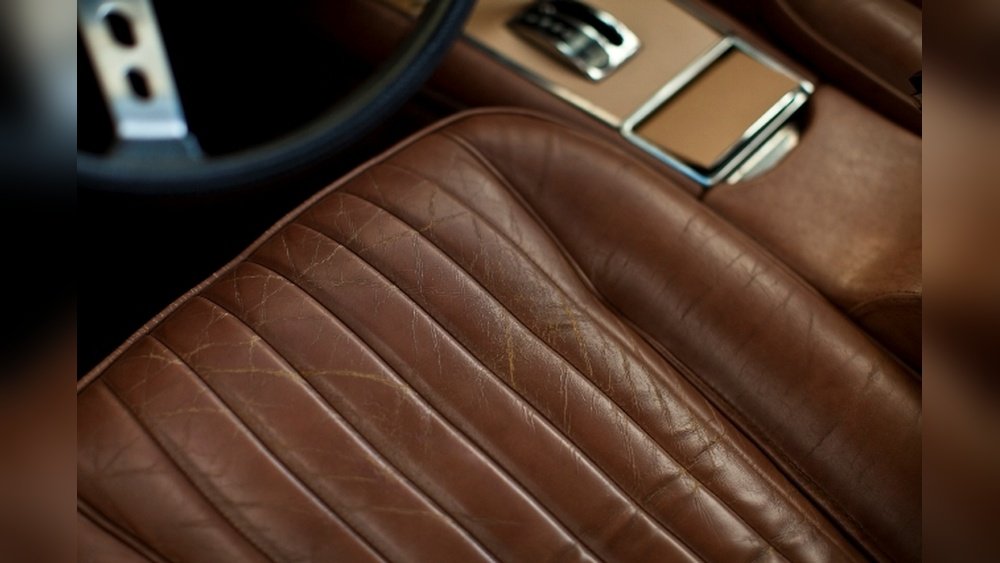
Every car owner knows the feeling of sliding into a seat that feels smooth, comfortable, and luxurious. Leather car seats are a symbol of style, but they also need care to stay beautiful. Over time, many seats start to crack and lose their shine. Cracked leather makes your car look old, and it can be expensive to repair or replace. If you want your seats to last, you need to protect them from cracking, drying, and fading. But what is the best way to do this? Many people make mistakes, use the wrong products, or simply ignore their seats until it’s too late. In this guide, you’ll learn proven strategies and smart tips to keep your leather seats in top shape for years.
Why Leather Car Seats Crack
Before you can prevent cracks, it’s important to know why they appear. Leather is made from animal hide, which means it needs moisture to stay soft. When leather dries out, it becomes stiff and starts to crack. Several factors speed up this damage:
- Sun exposure: UV rays break down leather fibers and dry out the material.
- Heat: High temperatures inside a parked car can evaporate natural oils.
- Low humidity: Dry air pulls moisture from the leather.
- Friction: Sliding in and out of the seat wears down the surface.
- Improper cleaning: Harsh chemicals strip away protective coatings.
According to a study from the International Journal of Automotive Technology, car interiors can reach up to 150°F (65°C) during summer, especially in direct sunlight. At these temperatures, leather can lose moisture rapidly, increasing the risk of cracks.
The Best Methods To Protect Leather Car Seats
There are many ways to care for leather. Some are simple, others require more attention. Let’s look at the most effective strategies.
Regular Cleaning
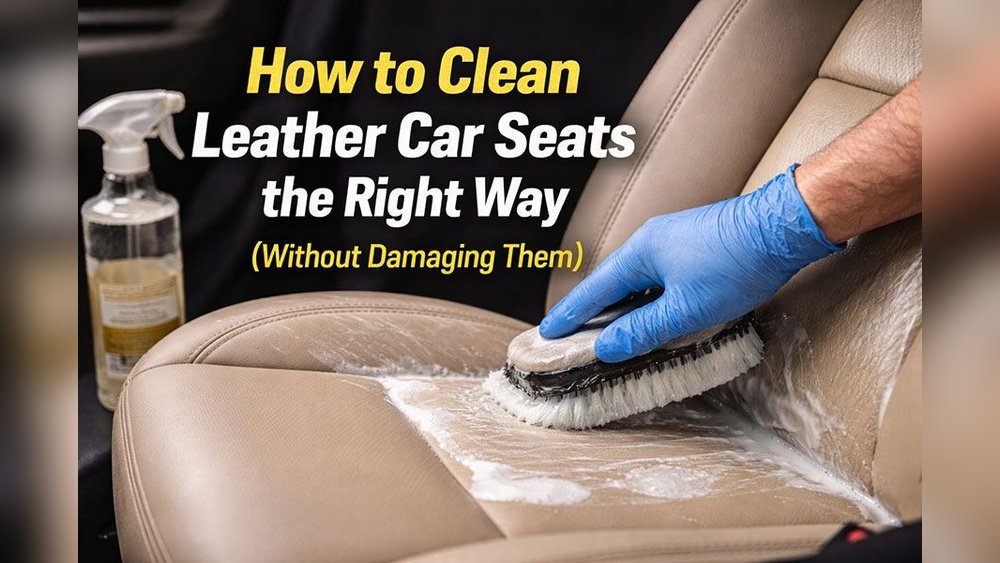
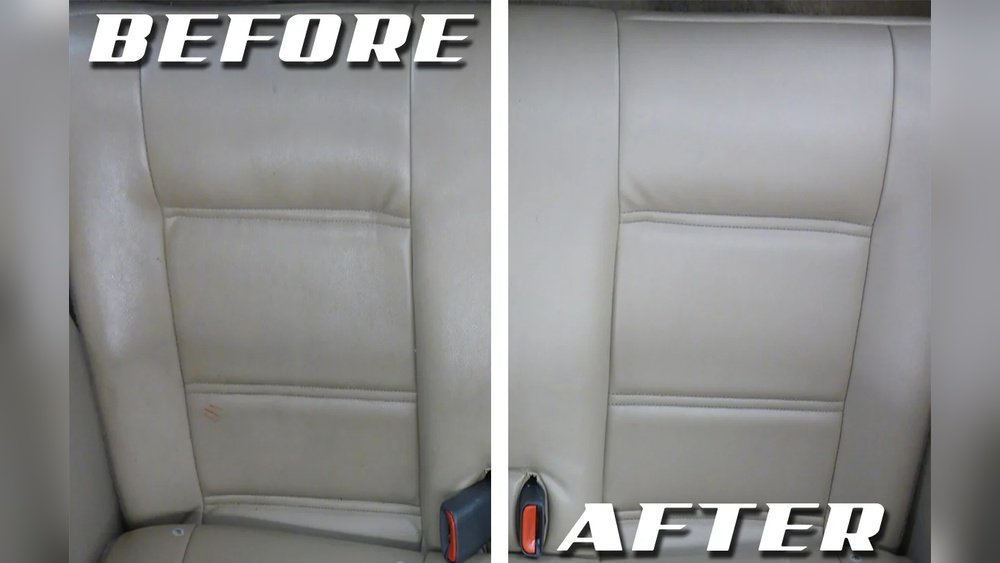
Dust, dirt, and sweat are enemies of leather. These particles can scratch the surface and block pores, making the leather less able to absorb conditioners. Cleaning keeps seats healthy, but you must use the right products.
- Frequency: Clean seats every 1–2 weeks in normal conditions. In dusty areas, clean weekly.
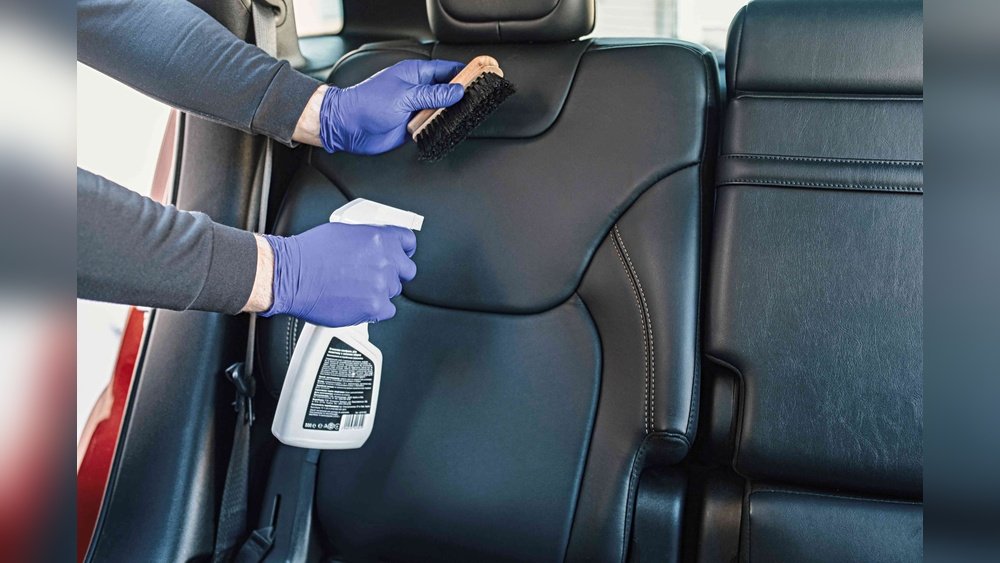
- Products: Use a mild leather cleaner or a mix of gentle soap and water. Avoid all-purpose cleaners, as they may contain chemicals that dry out leather.
- Method: Use a soft microfiber cloth. Gently wipe the surface—never scrub hard. Always dry the seat with a clean cloth.
Conditioning
Leather needs moisture to stay flexible. Conditioners help restore lost oils and keep the material soft. This is probably the most important step for preventing cracks.
- Frequency: Condition seats every 2–3 months.
- Products: Choose a pH-balanced leather conditioner. Avoid waxy or silicone-based products, which can block pores and attract dirt.
- Application: Apply a small amount, spread it evenly, and let it soak in for 20–30 minutes. Wipe off any extra conditioner.
Some car owners forget conditioning, thinking cleaning is enough. But skipping this step is a common mistake that leads to dryness and cracks.
Uv Protection
Sunlight is the biggest threat to leather. UV rays cause fading and break down natural fibers. Protecting seats from sun is vital, especially in hot climates.
- Window tinting: Tinting windows can block up to 99% of UV rays.
- Sunshades: Use sunshades when parking. They reflect sunlight and keep the interior cooler.
- UV protectant sprays: Special sprays add an extra layer that blocks UV rays. Use these after cleaning and conditioning.
Keeping Seats Cool
Heat dries out leather fast. Try to keep your car interior cool whenever possible.
- Park in shade: Whenever you can, park under trees or in garages.
- Ventilate: Crack windows open slightly to let hot air escape.
- Remote start: If your car has this feature, use it to run the air conditioner before getting in.
Avoiding Harsh Chemicals
Many cleaners and air fresheners contain alcohol, ammonia, or other chemicals that damage leather. Only use products marked as safe for leather.
Protecting From Physical Damage
Leather is tough, but it can be scratched easily. Take simple steps to protect your seats:
- Remove sharp objects: Keep keys, pens, and tools away from seats.
- Watch for jeans and belts: Metal rivets, zippers, and buckles can scratch or puncture leather.
- Don’t kneel or stand: Never kneel or stand on the seats; this puts too much pressure on one spot.
Using Seat Covers
Seat covers create a barrier between you and the leather. They are especially useful if you have pets, small children, or frequent passengers.
Types of seat covers:
- Cloth
- Synthetic leather
- Neoprene
Choose covers that fit well and don’t trap moisture underneath. Remove and clean covers regularly.
Maintaining Humidity
If you live in a dry climate, consider using a car humidifier. Keeping the air moist helps leather stay soft. Most people overlook humidity, but it can make a big difference.
Immediate Stain Removal
Spills can stain and weaken leather. Clean up any spills right away, using a damp cloth. For tough stains, use a leather-specific cleaner.
Comparing Popular Leather Care Products
Not all products are created equal. Some help, others can harm your seats. Here is a comparison of three common types:
| Product Type | Main Benefit | Main Risk | Recommended Use |
|---|---|---|---|
| Leather Cleaner | Removes dirt | Can dry leather if too harsh | Weekly or bi-weekly |
| Leather Conditioner | Restores moisture | May attract dust if overused | Every 2–3 months |
| UV Protectant Spray | Blocks sun damage | Some leave residue | Monthly or as needed |
Diy Vs Professional Care
Some people prefer to handle leather care themselves, while others use professional services. Each has its strengths and weaknesses.
| Option | Cost | Quality | Convenience | Risks |
|---|---|---|---|---|
| DIY Care | Low | Depends on products used | Flexible | Possible mistakes |
| Professional Detailing | High | Expert results | Schedule needed | None if reputable |
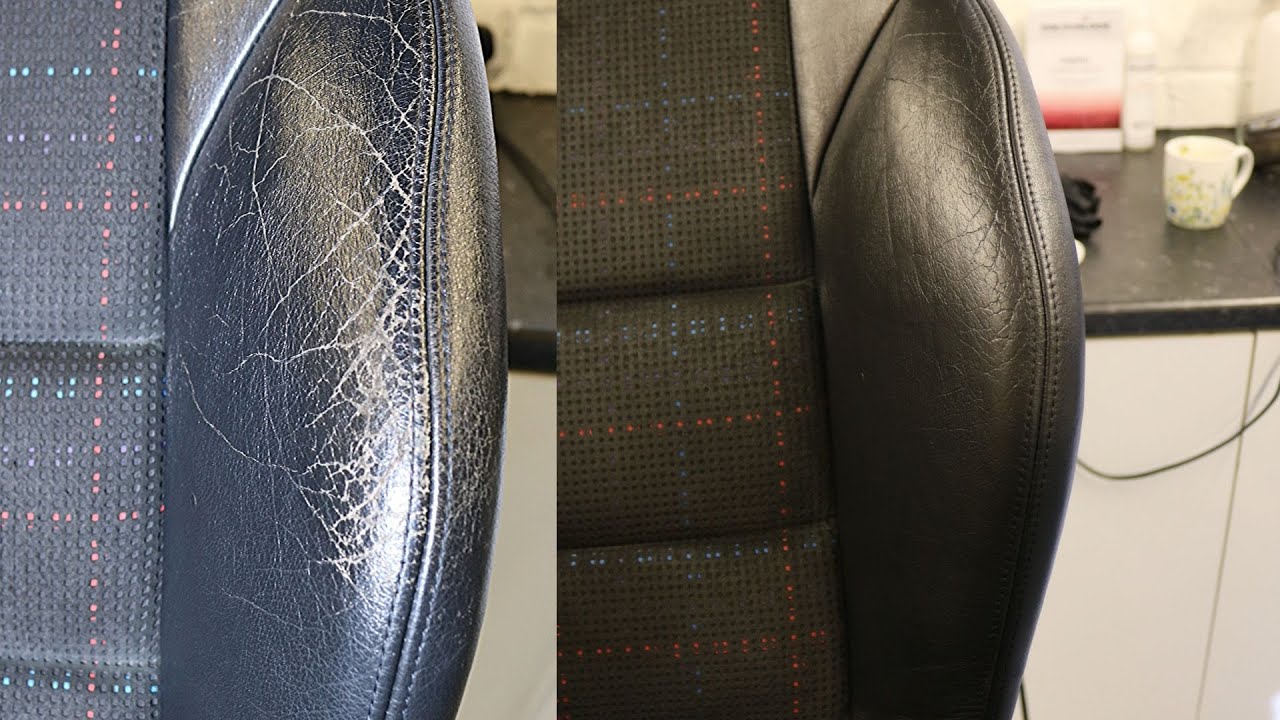
DIY care is cost-effective and easy for most people. But if your seats have deep cracks or stains, professionals have tools and skills that can restore leather better.
Credit: www.youtube.com
Step-by-step Routine For Protecting Leather Seats
If you want maximum protection, follow this routine. It is simple and works for almost any car.
- Vacuum: Remove loose dirt and debris.
- Wipe Down: Use a damp microfiber cloth to clean the surface.
- Apply Cleaner: Spray or rub on a leather-specific cleaner. Wipe off with a clean cloth.
- Condition: Apply a thin layer of conditioner, let it soak, then wipe away extra.
- Use UV Spray: Apply UV protectant if parking in sun.
- Check for Damage: Look for cracks, scratches, or spots. Treat minor issues quickly.
- Cover Seats: Use seat covers if needed for extra protection.
- Ventilate: Keep windows slightly open when parked, especially in hot weather.
Repeat this routine every 2–3 months, or more often if your car is exposed to harsh conditions.
Common Mistakes That Cause Leather To Crack
Even with good intentions, many car owners make mistakes that speed up cracking. Here are some you should avoid:
- Using household cleaners: These can contain bleach or ammonia, which destroy leather.
- Skipping conditioning: Cleaning without conditioning dries out leather.
- Over-conditioning: Too much conditioner can make seats sticky and attract dirt.
- Ignoring UV protection: Sun is silent but deadly for leather.
- Leaving spills: Coffee, juice, or sweat can stain and weaken leather if left.
- Using rough cloths: Abrasive materials scratch the surface.
- Not checking for damage: Small cracks can turn into big problems if ignored.
How Climate Affects Leather Car Seats
Climate plays a big role in leather care. If you live in a hot, sunny area, your seats are at higher risk. If your climate is cold and dry, leather can lose moisture quickly. Here’s how to adapt:
| Climate | Main Threat | Extra Protection Needed |
|---|---|---|
| Hot & Sunny | UV, heat | Window tint, UV spray, sunshades |
| Cold & Dry | Low humidity | Conditioner, humidifier |
| Rainy & Humid | Mildew, stains | Frequent cleaning, seat covers |
Choosing The Right Leather Care Products
With so many products on the market, it’s easy to feel confused. Here are key factors to consider:
- Ingredients: Look for natural oils (like lanolin), avoid harsh chemicals.
- PH balance: The product should match the pH of leather (about 4.5–5.5).
- Brand reputation: Choose brands with good reviews and proven results.
- Type of leather: Some seats use “aniline” leather, others use “coated” leather. Check your car manual.
Many people buy the cheapest product, but quality matters more. Cheap cleaners may cause more harm than good. If unsure, ask a professional or check your car’s manual.

Credit: www.reddit.com
Non-obvious Insights For Long-term Leather Health
Most guides talk about cleaning and conditioning, but there are a few extra points many miss:
- Rotate seat use: If you drive alone, your seat gets more wear. Switch seats when possible to spread wear evenly.
- Check air quality: Pollution and dust can settle on seats. Use cabin air filters and keep windows closed in dirty areas.
These steps may seem minor, but over years, they make a big difference.
What To Do If Leather Already Has Cracks
If you notice cracks, act fast. Small cracks can sometimes be repaired:
- Clean the area: Remove dirt so you can see the damage.
- Use a leather repair kit: These kits come with filler, color, and tools. Follow instructions carefully.
- Condition deeply: After repair, use extra conditioner to restore moisture.
If cracks are deep or wide, professional help may be needed. Don’t wait too long—cracks only get worse with time.

Credit: www.reddit.com
Real Examples: Car Owners Who Saved Their Seats
John from Arizona noticed his leather seats started to fade and crack after two years. He began using window tint, sunshades, and a monthly conditioning routine. Within six months, the cracks stopped spreading, and the color returned.
Maria from Michigan had seats that felt dry and stiff. She bought a car humidifier and applied a high-quality conditioner. Her seats became softer, and no new cracks appeared.
These examples show that consistent care and adapting to your local climate can make a real difference.
Professional Detailing Vs Diy: Which Is Better?
Both options work, but it depends on your needs. Professional detailing uses special machines, deep cleaners, and expertise. It’s perfect for restoring old or badly damaged seats. DIY is more affordable and flexible, but you need to follow instructions carefully.
If you want to learn more about professional detailing, visit Wikipedia: Car Detailing.
Frequently Asked Questions
How Often Should I Clean Leather Car Seats?
Clean your seats every 1–2 weeks. If you live in a dusty or humid area, clean weekly. This removes dirt and prevents buildup that can cause cracks.
What’s The Best Conditioner For Leather Seats?
Choose a pH-balanced conditioner designed for automotive leather. Avoid products with silicone or wax, as these can block the pores and cause sticky residue.
Can I Use Household Cleaners On Leather Car Seats?
No. Most household cleaners contain harsh chemicals. They can strip away natural oils and damage the surface. Always use cleaners made specifically for leather.
Do Seat Covers Help Prevent Cracking?
Yes. Seat covers protect leather from spills, scratches, and UV rays. Choose breathable covers that don’t trap moisture. Remove and clean covers regularly.
Is It Possible To Repair Cracked Leather Seats?
Minor cracks can be fixed with a leather repair kit. For deep cracks, professional detailing is recommended. Repair kits include filler and colorant to restore the look.
Taking care of leather car seats is not just about looks—it’s about value, comfort, and pride in your vehicle. With the right routine, products, and habits, you can keep your seats from cracking and enjoy them for many years. Protecting leather seats is easy if you know what to do and stay consistent.
If you follow these steps, your car’s interior will stay beautiful, comfortable, and valuable for a long time.